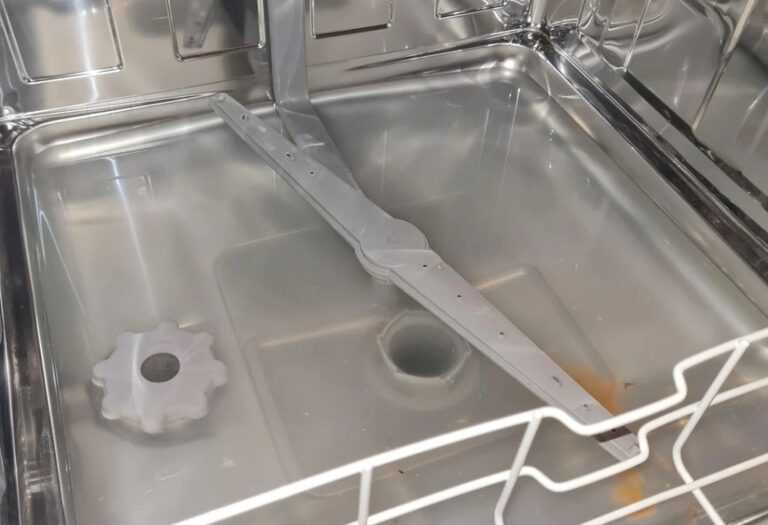
A dishwasher leaking from the bottom can feel alarming, especially when water begins spreading across your kitchen floor.
At first the puddle might seem small, but as the cycle continues, the leak grows and creates confusion about where it is coming from. Many homeowners assume the dishwasher has failed completely, but most leaks start from simple issues hidden inside the machine.
The moment someone sees water dripping from underneath, they begin picturing expensive repairs or a full replacement.
They may also worry about damaging the cabinets, floor or electrical components. Because the leak happens out of sight, it often creates more stress than other kitchen problems.
Dishwasher leaks rarely appear suddenly. They usually develop slowly through worn seals, clogged filters or loose connections that worsen over time.
Understanding the real reason behind the leak helps eliminate guesswork and prevents further damage. With proper guidance, even a leaking dishwasher can often be repaired without major effort.
Water Leaking From a Worn Door Gasket
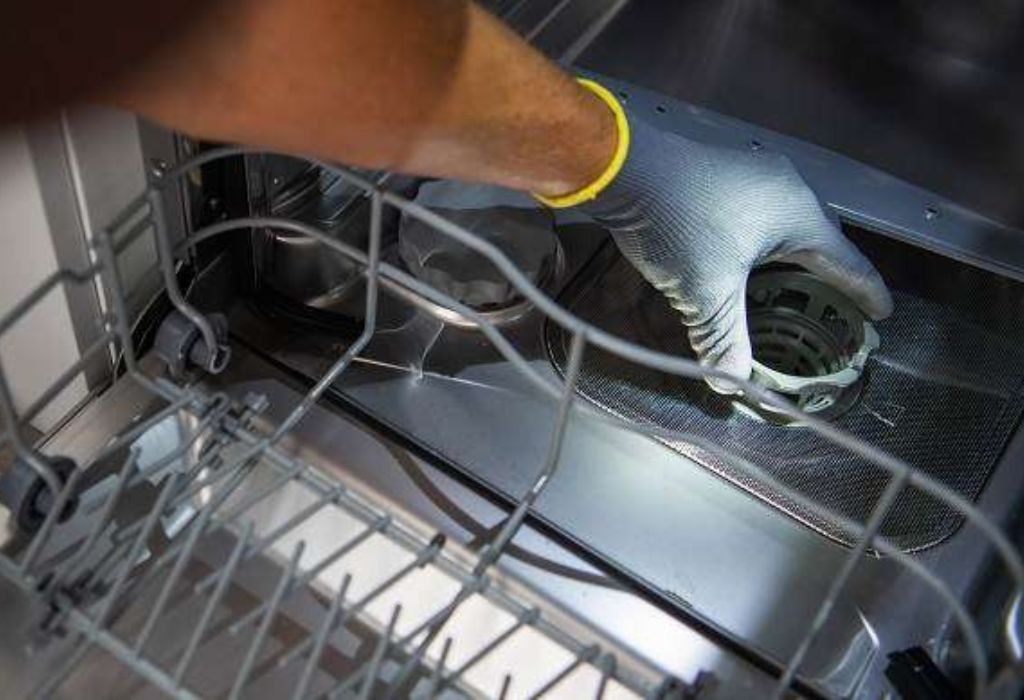
The door gasket is one of the most common sources of dishwasher leaks. This rubber seal runs around the inside edge of the door and keeps water contained during the wash cycle. When the gasket becomes old, stiff or cracked, it can no longer create a tight seal.
A worn gasket often causes water to drip along the edges and eventually pool at the bottom. This slow leak can appear to be coming from underneath the appliance. In many cases, the water travels along the door panel before falling to the floor.
Food particles or grease stuck in the gasket can also prevent proper sealing. Even a small obstruction can create a gap large enough for water to escape. Cleaning the gasket regularly helps prevent this issue.
Over time, heat from wash cycles weakens the rubber. Exposure to detergent and steam also contributes to wear. These conditions cause the gasket to lose flexibility and allow leakage.
Inspecting the gasket is simple and requires no tools. Running your fingers along the seal helps identify cracks or stiff areas. If the gasket feels dry or brittle, replacing it often solves the leak immediately.
Replacement gaskets are inexpensive and easy to install. Many homeowners complete the task without professional help. Once replaced, the dishwasher returns to normal operation.
A Loose or Damaged Water Inlet Valve
The water inlet valve controls how much water enters the dishwasher during each cycle. If this valve becomes loose or worn, it can leak from the bottom of the machine. The leak usually appears where the valve connects to the water supply line.
A faulty valve often drips slowly at first. Over time, the leak becomes more noticeable as water pressure increases. Because the valve sits near the bottom of the appliance, leaks from this area quickly spread across the floor.
Mineral buildup from hard water can also damage the valve. These minerals create deposits that cause the valve to stick or fail to close properly. When this happens, water flows in longer than intended and may overflow inside the machine.
A cracked or worn hose leading to the inlet valve can be another source of leaks. This hose carries water from the home supply line into the dishwasher. Any small tear or loose fitting allows water to escape.
Inspecting the valve requires removing the access panel at the bottom of the dishwasher. Once exposed, the area around the valve can be checked for moisture. Wet spots or corrosion indicate a failing component.
Replacing a water inlet valve is usually straightforward. Many homeowners choose to replace both the valve and supply hose together for added safety. After proper installation, the leak often disappears immediately.
A Blocked or Damaged Drain Hose
The drain hose carries wastewater out of the dishwasher and into the sink drain or garbage disposal. When this hose becomes clogged, cracked or loose, water can leak beneath the appliance. Drain hose issues often create sudden leaks that occur during draining cycles.
Food debris, grease and soap buildup are common causes of clogs inside the hose. These blockages prevent water from flowing freely, forcing it back into the dishwasher. When pressure increases, the water escapes from the weakest point of the system.
A damaged hose can split or develop small holes. These openings allow water to drip each time the dishwasher pumps out wastewater. Because the hose usually sits behind or beneath the appliance, the leak appears as a puddle underneath.
Loose hose connections are another frequent issue. Clamps that secure the hose to the drain or dishwasher can loosen over time. Even a slightly loose connection allows water to leak during draining.
Inspecting the hose requires pulling the dishwasher forward carefully. Once visible, the hose can be checked for cracks, soft spots or moisture. Any wet marks usually point to the source of the leak.
Replacing a drain hose is inexpensive and often easy. New hoses come with clamps that provide a stronger seal. After installing a fresh hose, the dishwasher typically drains without leaking.
A Cracked or Warped Dishwasher Tub
The dishwasher tub holds all the water during each wash cycle, so any damage to this area can cause leaks at the bottom. Over time, heat, detergent and heavy usage can weaken the plastic or stainless steel structure.
A small crack may not look serious at first, but during a high pressure wash, it allows water to escape.
Plastic tubs are more prone to cracking because they can warp from repeated heating cycles. When the tub warps, it creates small gaps between the internal components. These gaps allow water to leak into the base of the dishwasher.
Detergent buildup can also weaken the tub. Harsh detergent may cause hairline fractures that grow gradually. What begins as a tiny crack can expand into a visible leak after several cycles.
Heavy cookware placed incorrectly inside the dishwasher can strike the tub wall. This impact may leave small dents or scratches. Over time, these marks weaken the structure and allow leaks to form.
Hard water minerals contribute to tub damage as well. They create deposits along the bottom and sides that slowly erode the surface. Eventually, weakened spots begin to leak water under pressure.
Inspecting the tub requires removing the lower spray arm and looking carefully inside. Cracks often hide near corners or heating elements. Once identified, the problem becomes easier to diagnose.
In severe cases, a cracked tub requires full replacement of the appliance. Tub replacement is costly and often more expensive than buying a new dishwasher. Prompt detection helps avoid further damage and unnecessary expenses.
A Faulty Pump Seal or Sump Area Leak
The pump and sump assembly sit at the bottom of the dishwasher and control water circulation. A worn or damaged pump seal can allow water to leak directly underneath the appliance.
Because this area handles high water pressure, even minor wear can create visible leaks on the kitchen floor.
Pump seals wear naturally as the appliance ages. Heat, friction and detergent exposure weaken the rubber material over time. Once the seal loses flexibility, water begins to escape during wash cycles.
The sump area collects water before it is pumped through the spray arms. A small crack or loose connection in the sump can cause steady dripping. This drip usually forms a small puddle beneath the dishwasher after every cycle.
Clogs in the sump can also force water out of unintended openings. If debris prevents the pump from working correctly, pressure increases inside the compartment. This pressure pushes water through weak points and leads to leakage.
A noisy pump is often a sign of impending seal failure. Grinding or humming noises indicate worn internal parts that may soon cause leakage. Addressing these symptoms early helps prevent a bigger issue.
Inspecting the pump area requires removing the bottom front kick plate. Once accessed, water marks around the pump indicate a failing seal. Early repair can stop further damage and save the appliance.
Replacing a pump seal is less expensive than replacing the entire pump. Many homeowners choose to change the seal, gasket and screws at the same time. This ensures long term protection and prevents future leaks.
Clogged Filters Causing Internal Overflow
Dishwasher filters catch food particles, grease and debris before they reach the pump. When these filters become clogged, water cannot flow through the system properly. This blockage forces water to overflow inside the tub and leak from the bottom.
A clogged filter increases internal pressure. As the dishwasher tries to drain, the excess water has nowhere to go. Eventually it escapes through openings at the base of the appliance.
Grease buildup is one of the most common causes of filter blockages. Over time, this grease hardens and creates a sticky layer that restricts water movement. Cleaning the filter regularly helps prevent this issue.
Large food particles can become trapped inside the mesh. These particles combine with soap residue and form thick clogs. When the filtration system weakens, water escapes the dishwasher.
A foul odor often accompanies clogged filters. This smell comes from decaying food trapped inside. If the dishwasher smells bad and leaks simultaneously, the filter is likely blocked.
Removing the filter is easy on most models. It usually twists or lifts out from the bottom of the tub. Once removed, rinsing it under warm water restores normal flow.
Keeping the filters clean ensures efficient washing and prevents leaks. A clean filter system protects the pump and sump area from excessive pressure. Regular maintenance reduces the chance of water reaching the kitchen floor.
A Broken or Misaligned Float Switch
The float switch controls how much water enters the dishwasher. When the float rises too high, it signals the appliance to stop filling. If this mechanism fails, the dishwasher may overfill and leak from the bottom.
A stuck float is one of the most common issues. Food debris or soap residue can keep the float from moving freely. When it sticks in the low position, water continues flowing into the tub without stopping.
A misaligned float can also cause leaks. If the float sits crooked or shifts from its normal path, it sends incorrect signals to the control board. This leads to improper water levels inside the appliance.
Sometimes the float switch fails electrically. A worn or damaged switch cannot detect the float’s movement. This failure causes the dishwasher to overfill even if the float rises correctly.
Checking the float is simple. Removing the bottom rack provides easy access to the float assembly. Lifting it gently helps determine whether it moves smoothly.
If the float feels stuck, cleaning around the area often solves the issue. Removing trapped food allows the float to rise and fall normally. This quick fix often stops the leak immediately.
When the switch itself is faulty, it must be replaced. A new float switch restores proper water control. Once installed, the dishwasher resumes normal filling without overflow.
Overfilling From Too Much Detergent or Wrong Detergent Type
Using the wrong detergent can cause excessive suds inside the dishwasher. These suds create foam that expands during the wash cycle. When the foam rises too high, it spills out from the bottom of the door.
Regular dish soap is one of the most common mistakes. This soap creates thick bubbles that the dishwasher cannot handle. Even a small amount leads to overflow within minutes.
Too much dishwasher detergent causes similar problems. Excessive detergent does not dissolve properly and produces more foam. This foam pushes against the door seal and leaks onto the floor.
Old or hardened detergent pods can also create issues. If a pod fails to dissolve fully, residue builds up inside the tub. This residue disrupts normal water flow and increases the risk of leaks.
Hard water can exaggerate detergent problems. Mineral deposits combine with soap to create thick residue. This buildup prevents water from draining correctly and causes pooling at the bottom.
Cleaning the dishwasher with vinegar helps reduce soap buildup. Running a hot rinse cycle removes lingering foam. This process restores proper water movement inside the machine.
Using the correct detergent and amount prevents future leaks. Following manufacturer recommendations keeps the appliance running smoothly. Simple adjustments often eliminate detergent related leakage.
A Leaking Spray Arm or Damaged Spray Arm Support
Spray arms distribute water throughout the dishwasher. If they crack, loosen or clog, water may spray in the wrong direction. This misdirected spray can force water into areas not designed to handle it, causing leaks at the bottom.
A cracked spray arm allows water to shoot through small openings. This creates pressure points that strike the door or tub walls improperly. Over time, these impacts force water out of the appliance.
Clogged spray arm holes cause uneven water distribution. Food debris or mineral deposits block the openings. When water pressure builds, it escapes through weak points and drips beneath the dishwasher.
The spray arm support can also wear down. This support keeps the arm aligned as it spins. When worn, the spray arm wobbles and creates leaks by spraying water off angle.
Inspecting the spray arm requires removing it from the dishwasher. Many arms twist off easily without tools. Once detached, the holes can be cleaned with a toothpick or soft brush.
Cracked spray arms should be replaced immediately. Replacement parts are inexpensive and simple to install. A new spray arm restores proper water flow and stops leaks.
Regular cleaning helps maintain smooth operation. Removing buildup prevents clogging and protects the support mechanism. Consistent care keeps water confined to where it belongs.
A Loose or Cracked Heating Element Nut
The heating element warms the water during the wash and helps dry dishes afterward. It is secured to the bottom of the dishwasher with mounting nuts. When these nuts loosen or crack, water can escape around the element’s base.
A loose nut creates a small gap that allows water to seep through. This leak may seem minor at first but grows over time as the gap widens. Drips eventually form a puddle underneath the appliance.
Cracked nuts can cause sudden leaks. When the material weakens, it breaks and leaves the heating element unstable. Water flows freely through the broken area during each cycle.
Mineral deposits often contribute to nut deterioration. Hard water buildup creates pressure around the fitting. This pressure leads to stress cracks and slow leaks.
Inspecting the nuts requires removing the bottom panel. Once accessible, the area around the heating element can be checked for moisture. Wet spots indicate a loose or failing connection.
Replacing these nuts is a quick and affordable repair. Most models use standard sized parts available in hardware stores. Tightening the nuts securely restores a watertight seal.
Ensuring the heating element is stable improves dishwasher performance. It also prevents electrical risks and water damage. Proper maintenance protects both the appliance and the surrounding kitchen.
A Faulty Door Latch Allowing Water to Escape
The door latch keeps the dishwasher door closed tightly during operation. If the latch becomes worn or misaligned, the door does not seal properly. This creates gaps that allow water to leak from the bottom during high pressure cycles.
A weak latch may close loosely. When the dishwasher begins spraying water, the pressure pushes the door outward slightly. This tiny movement creates enough space for water to escape.
Misalignment is another frequent issue. If the latch or strike plate shifts, the door may not sit evenly against the gasket. Uneven pressure prevents a full seal and causes leakage.
Wear and tear gradually weaken the latch mechanism. After years of use, the latch may not engage deeply enough. This leaves the door vulnerable to small movements during the wash cycle.
Inspecting the latch is straightforward. Pressing the door gently during operation can reveal if the leak changes. If the leak stops when pressure is applied, the latch is likely the culprit.
Cleaning dirt from the latch area also helps. Food particles or grease prevent the latch from engaging properly. A clean latch creates a more secure closure.
Replacing the latch or adjusting the strike plate usually fixes the problem. A strong, aligned latch ensures the door remains fully sealed. This prevents water from leaking from the bottom during washing.
Faulty Leveling or an Unbalanced Dishwasher
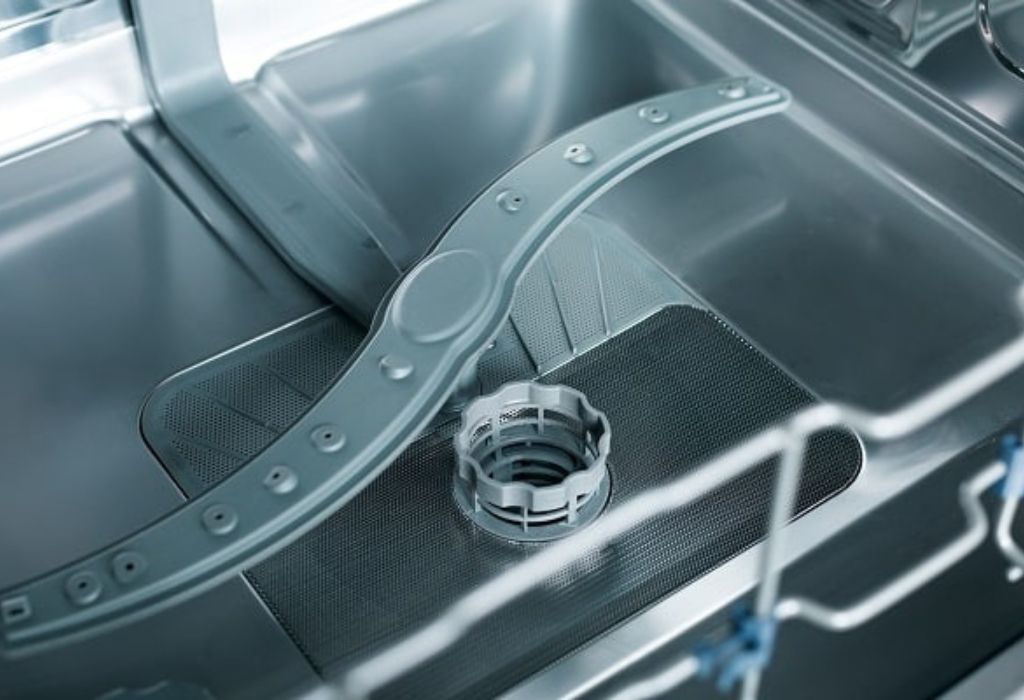
A dishwasher must sit level for water to stay inside the tub. When the appliance tilts even slightly forward, water runs toward the door and leaks from the bottom. Uneven flooring or loose leveling legs often cause this problem.
Over time, the dishwasher legs may loosen from vibration during multiple wash cycles. This creates an imbalance that shifts the weight of water inside the machine. When water moves forward, it easily escapes around the lower seal.
Kitchen floors are not always perfectly flat. In older homes, the floor may slope slightly, causing the dishwasher to lean. This small tilt is enough to change the water path inside the tub.
An unbalanced dishwasher also causes the spray arms to distribute water unevenly. Water may strike the front of the tub with greater force. That force increases the chances of leakage at the base of the door.
Inspecting the leveling legs is simple. Removing the bottom toe panel provides access to the adjustable feet. Turning the legs raises or lowers the dishwasher until it sits evenly.
A carpenter’s level helps confirm accuracy. Placing it on the bottom rack or door frame shows whether the appliance is level from front to back. After adjusting the legs, the leak often stops immediately.
Proper leveling prevents unnecessary pressure on the door gasket. It keeps water where it belongs inside the tub. Maintaining a balanced dishwasher extends its performance and prevents hidden leaks.
Cracked Filters or Damaged Filter Housing
Dishwasher filters trap food particles and protect the pump system. If the filter cracks or the housing becomes damaged, water can escape into the bottom of the appliance. These leaks often appear during drain cycles when pressure is highest.
Plastic filter housings may weaken over time. Heat, detergent and constant exposure to water contribute to wear. Once a crack forms, water begins seeping through small openings.
A damaged filter cannot trap debris correctly. Food particles may pass through and clog the pump or sump area. This creates internal overflow that reaches the bottom of the appliance.
Misaligned filters also cause leakage. If the filter does not sit properly in its slot, water flows around the edges. This flow bypasses the filtering system and creates puddles under the dishwasher.
Inspecting the filter housing requires removing the bottom rack. Once the filter is out, the housing can be checked for cracks or loose connections. Any visible damage points directly to the source of the leak.
Replacing the filter or housing is usually easy. Most dishwasher brands sell affordable replacement parts that restore proper sealing. After installation, water stays inside the tub during all cycles.
Maintaining clean and intact filters prevents future issues. Regular cleaning protects the pump and improves washing performance. Staying consistent with maintenance helps avoid costly leaks.
Frequently Asked Questions
Why is my dishwasher only leaking during certain parts of the cycle
Some leaks happen only during filling, washing or draining because different components activate at different times. A fill hose leak drips during intake, while a drain hose leak appears during draining. Tracking the timing of the leak helps identify the exact source.
Can a dishwasher leak underneath even if I see no water inside
Yes, many leaks occur in hidden areas beneath the tub where water collects quietly. Components like the sump, hoses or pump can drip internally without affecting the visible interior. These hidden leaks eventually reach the floor and appear as puddles under the appliance.
Is it safe to keep running a dishwasher that leaks from the bottom
Running a leaking dishwasher increases the risk of electrical damage and kitchen flooring issues. Water can damage wooden cabinets, weaken the subfloor and cause mold. It is always best to stop using the appliance until the leak is repaired.
Can a clogged garbage disposal cause a dishwasher to leak
A blocked garbage disposal prevents the dishwasher from draining properly. When water cannot pass through the disposal inlet, it backs up into the dishwasher. This backup often leaks from the bottom of the appliance.
Why does my dishwasher leak only when it is fully loaded
A heavy load may block spray arms or push items against the door, creating pressure imbalances. These blockages cause water to spray incorrectly and hit weak sealing points. Reducing overcrowding usually stops the leak.
Can low water pressure cause leaking in dishwashers
Low water pressure rarely causes leaks, but it can affect how well the dishwasher sprays. Poor spraying leads to misdirected water that may hit the door seal incorrectly. This indirect effect sometimes causes bottom leakage in certain conditions.
Why does my dishwasher leak from the bottom front corner
Leaks from the corner often point to a worn door gasket or misaligned door latch. When the seal does not sit evenly, water escapes from the weakest edge. Cleaning or replacing the gasket usually fixes the issue.
Is a leaking dishwasher always a plumbing problem
Not always, as many leaks come from internal components like gaskets, valves or pumps. Plumbing issues such as loose supply lines also contribute. Diagnosing both internal and external parts ensures complete repair.
How long does it take to fix a leaking dishwasher
Simple issues like clogged filters or loose clamps can be fixed in minutes. More complex problems like pump or tub damage take longer and may require professional help. The repair time depends on the severity of the leak.
Can detergent pods cause my dishwasher to leak from the bottom
Detergent pods create excessive suds when used incorrectly or when water conditions vary. Excess foam rises and pushes against the door seal, causing leaks from the bottom. Using the correct pod type and amount prevents this issue.
Conclusion
A dishwasher leaking from the bottom can look serious at first, but most leaks come from common issues that are easy to diagnose once you know where to look.
Worn gaskets, clogged filters, loose hoses or faulty components all create pathways for water to escape, and understanding these sources helps reduce confusion.
Repairing many of these problems requires only basic maintenance, simple replacements or small adjustments that restore the dishwasher to normal operation.
Leaking water often travels along hidden paths, making it appear more severe than it actually is. Taking time to inspect the gasket, check the pump area, clean the filters and verify hose connections usually reveals the cause quickly.
When leaks come from deeper issues like tub cracks or failing pumps, professional repair or replacement may be necessary, but these cases are far less common.
Addressing leaks early prevents damage to cabinets, floors and electrical parts. A small puddle today can become a bigger issue tomorrow if the source is ignored.
With careful observation and the right troubleshooting steps, you can protect your kitchen and restore your dishwasher’s performance.
Understanding why your dishwasher leaks empowers you to make informed repair decisions. Whether the solution is a quick fix or a more involved repair, early action ensures safer, cleaner and more reliable operation.
A well maintained dishwasher remains a dependable part of your kitchen for many years, and preventing leaks keeps it performing at its best.

I’m Emma J. Caldwell, the founder, lead writer, and home-cooking enthusiast behind KitchenGuideCo.com. With a background in culinary arts and over a decade of cooking experience in both professional and personal kitchens, I created this platform to demystify recipes, offer smart kitchen gadget reviews, and guide readers through meal prep with confidence and clarity.