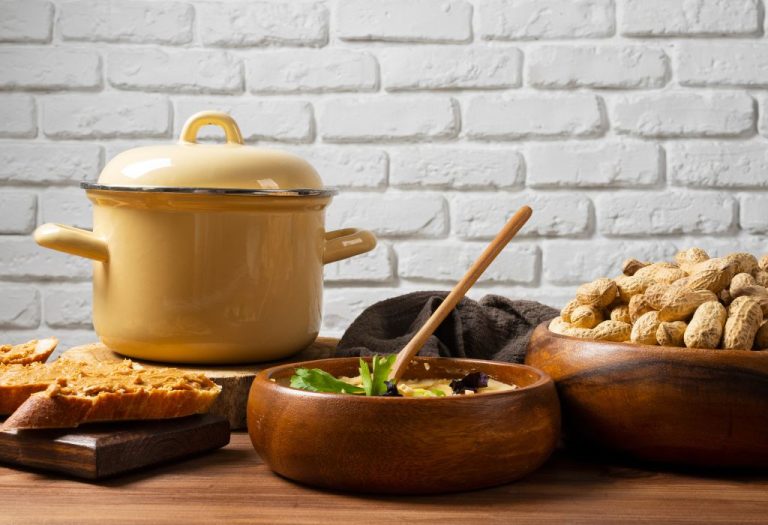
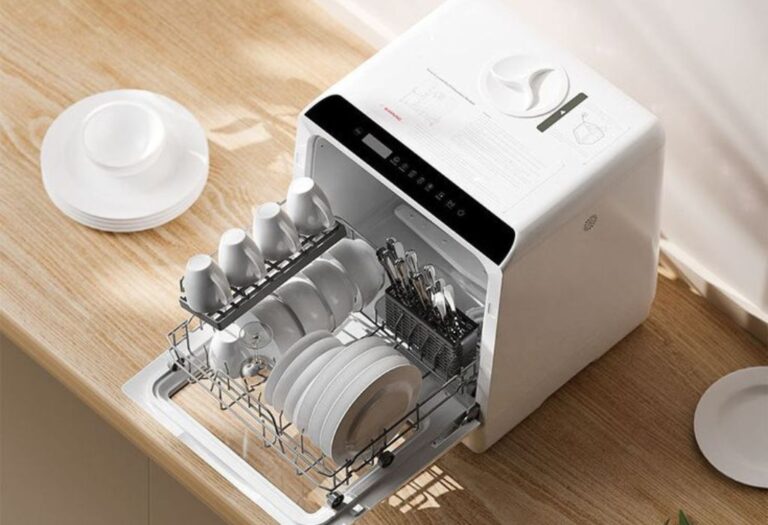
Bamboo kitchen products have become extremely popular because they look beautiful, feel lightweight and offer an eco friendly alternative to plastic. People use bamboo bowls, cutting boards, plates and utensils every day for cooking and serving.
Eventually, almost everyone wonders whether these items can simply go into the dishwasher for quick cleaning after meals.
Some users assume that because bamboo feels strong and durable, it should easily handle dishwasher heat and water pressure. Others discover cracks, warping or rough surfaces after placing bamboo items in the dishwasher even once.
This creates confusion about whether bamboo is truly dishwasher safe or whether hand washing is the only safe method.
Dishwashers use high heat, strong detergent and powerful water jets to clean dishes quickly. These conditions are perfect for glass, metal and ceramic but extremely harsh on natural materials like bamboo.
Bamboo absorbs moisture differently and reacts more dramatically when exposed to prolonged heat.
People also worry about mold, splitting, odor and discoloration in bamboo items that were washed incorrectly.
Understanding how bamboo reacts to dishwasher cleaning helps prevent long term damage and keeps kitchenware safe, smooth and long lasting. With the right care, bamboo products can stay beautiful for years.
Is Bamboo Dishwasher Safe or Not
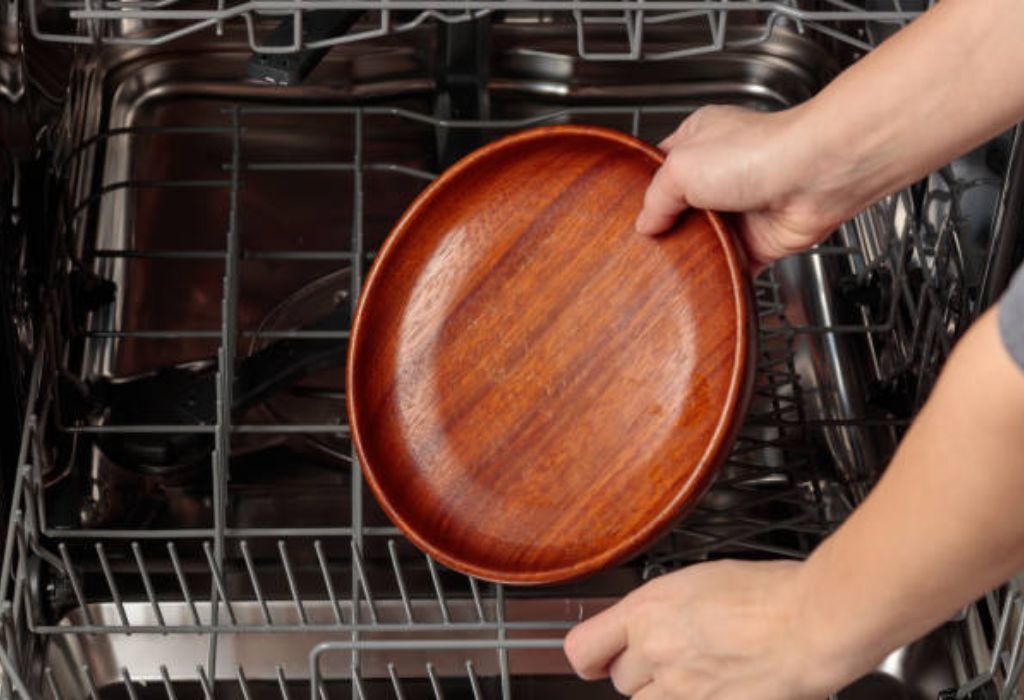
Most bamboo kitchen products are not dishwasher safe, even though some may look durable enough to handle strong cleaning cycles.
Bamboo is a natural material that absorbs water quickly and loses its structural strength when exposed to extreme moisture. Dishwashers create a wet environment that bamboo cannot tolerate.
Bamboo fibers swell when soaked in water. The swelling breaks the adhesive bonds that hold the material together. Once these bonds weaken, the bamboo begins warping or cracking.
High heat inside dishwashers causes expansion and contraction cycles. These rapid temperature shifts weaken bamboo fibers from the inside. Over time the item becomes brittle.
Dishwasher detergent contains strong chemicals that strip natural oils from bamboo surfaces. Without these oils, bamboo dries out faster and becomes rough. The texture changes permanently after repeated washing.
Steam entering the bamboo’s pores also causes damage. As steam cools, trapped moisture creates internal pressure. This pressure splits the fibers and increases cracking risk.
Some bamboo products have protective coatings to resist moisture. However these coatings wear off quickly in dishwashers. Once the coating dissolves, the bamboo underneath becomes exposed and deteriorates.
Even if a bamboo item survives one or two dishwasher cycles, microscopic damage begins early. These small fractures grow larger over time and eventually shorten the item’s lifespan. Hand washing remains the safest approach.
How Dishwasher Heat Damages Bamboo Fibers
Dishwashers rely on water temperatures far hotter than typical hand washing. This heat penetrates bamboo quickly because bamboo has an open, porous internal structure. The fibers expand and weaken under high temperatures.
When bamboo absorbs heat, the internal moisture evaporates rapidly. This sudden drying causes stress on the natural fibers. Once the stress becomes too high, the fibers begin to separate.
Hot drying cycles inside dishwashers intensify the damage. These cycles expose bamboo to dry heat that draws out natural oils. Without oils, bamboo becomes stiff and loses flexibility.
The temperature changes between wash and dry cycles create repeated expansion and contraction. This back and forth movement cracks the fiber layers. Cracks become visible after multiple washes.
Heat also affects bamboo glues used in layered cutting boards and utensils. The glue softens during washing and hardens unevenly during drying. Uneven hardness leads to splitting and joint failure.
If the item has a protective lacquer finish, the finish may bubble or peel under dishwasher heat. Once the coating is compromised, the bamboo underneath becomes vulnerable. Exposed bamboo absorbs water easily.
Heat damage happens even with short dishwasher cycles. The temperature is intense enough to disrupt structural integrity quickly. Avoiding dishwasher heat keeps bamboo strong and stable.
How Water Exposure Causes Bamboo to Warp and Crack
Bamboo absorbs water easily because of its natural cell structure. When placed in the dishwasher, bamboo soaks in moisture continuously for long periods. This causes the fibers to swell.
Once swollen, the fibers lose alignment with each other. Misaligned fibers push against surrounding layers. This movement creates warping and uneven bending.
Water trapped inside bamboo evaporates slowly. As it dries unevenly, one side contracts faster than the other. This uneven drying produces curved or twisted surfaces.
Over time repeated moisture exposure causes long vertical cracks. These cracks follow the grain pattern of bamboo. Cracking weakens the entire structure.
Detergent filled water also contributes to damage. Harsh chemicals break down adhesive layers between bamboo strips. Once adhesives soften, pieces begin separating.
Bamboo items with thicker construction absorb more water than thinner ones. The increased absorption causes heavier warping. Even bowls and plates are vulnerable.
Moisture damage is difficult to reverse. Once bamboo warps or cracks, restoring the original shape becomes nearly impossible. Preventing exposure remains the most effective solution.
How Dishwasher Detergent Damages Bamboo Surfaces
Dishwasher detergents contain alkaline ingredients that cut grease aggressively. These ingredients strip natural oils from bamboo surfaces. Without oils, bamboo becomes dry, rough and brittle.
Detergent residue penetrates the bamboo’s pores during washing. The residue remains inside even after rinsing. Over time it breaks down fiber strength.
Bleaching agents commonly used in detergents lighten bamboo color. This discoloration makes the item look dull and aged. Once faded, the original appearance cannot be restored.
Abrasive particles in detergent scratch bamboo surfaces. These scratches catch food particles and hold residue. With repeated cycles the scratches deepen.
Detergent chemicals also weaken protective finishes applied to bamboo products. Once finishes dissolve, water absorption increases dramatically. This speeds up damage.
Dishwasher detergent interacts poorly with bamboo adhesives. Adhesives start breaking down under chemical exposure. This leads to loose layers or separated joints.
Even “gentle” or “eco friendly” dishwasher detergents are too harsh for natural bamboo. Hand washing with mild soap is always a safer choice. This keeps the bamboo surface smooth and intact.
Which Bamboo Products Should Never Go in the Dishwasher
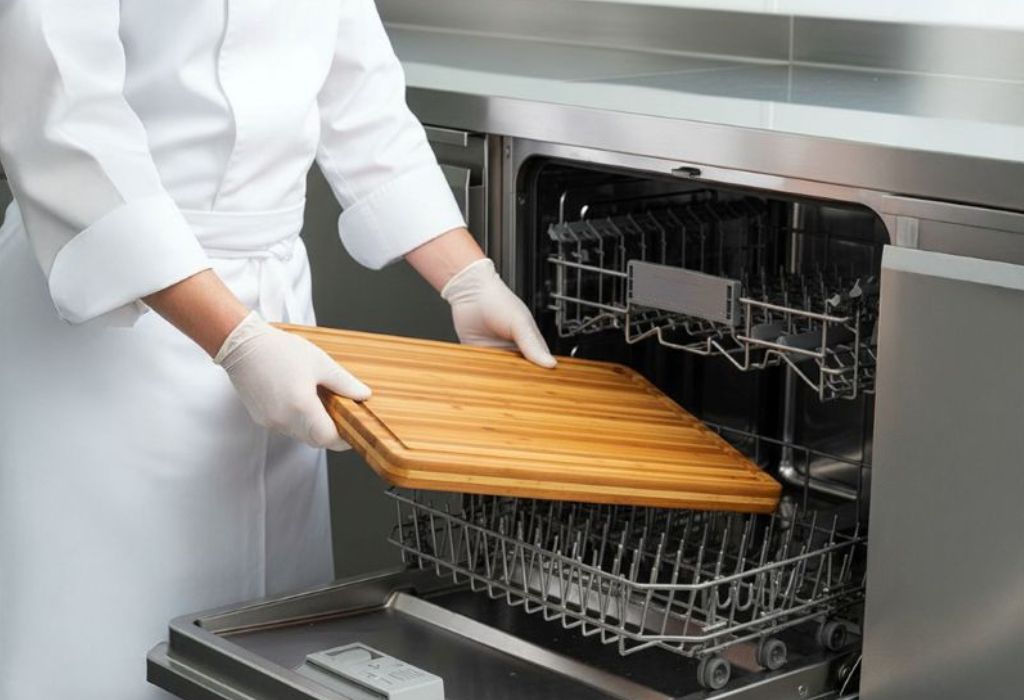
Bamboo cutting boards should never be washed in dishwashers. Their layered construction absorbs water and expands unevenly. This causes splitting and deep cracking.
Bamboo utensils such as spoons, spatulas and salad tongs also should not go in dishwashers. Their thin shape absorbs moisture quickly. This leads to warping and rough texture.
Bamboo bowls and plates react poorly to dishwasher heat. Their curved structure makes them susceptible to uneven drying. This causes twisting or shape distortion.
Bamboo cups or travel mugs may include adhesives or coatings that fail under high heat. Once these coatings peel, the underlying bamboo becomes exposed. Exposed bamboo deteriorates quickly.
Bamboo steamers should never be machine washed. Their fine slats absorb detergent and warp severely. Once warped, steamers become unusable.
Bamboo baby dishes are often coated for protection. Dishwashers remove this coating quickly. Uncoated bamboo absorbs food and water easily.
Any bamboo item with printed designs or lacquer finishes is especially vulnerable. Designs fade or peel when exposed to dishwasher chemicals. Hand washing preserves both appearance and lifespan.
Safest Ways to Clean Bamboo Kitchenware by Hand
Begin by rinsing bamboo items under warm water immediately after use. Rinsing removes food residue before it dries. This reduces the need for scrubbing.
Use a mild dish soap and soft sponge to clean the surface. Avoid abrasive pads because they scratch the fibers. A gentle sponge protects the structure.
Scrub in the direction of the grain to prevent fiber lifting. Bamboo fibers run lengthwise and respond better to controlled movement. Scrubbing against the grain creates roughness.
Rinse thoroughly under warm water. Soap residue left behind dries into the bamboo pores. This residue affects taste and texture of foods.
Dry bamboo completely with a soft towel. Removing surface moisture prevents swelling and cracking. Drying is essential before storing.
Allow the item to air dry upright after towel drying. Airflow ensures hidden moisture evaporates. Trapped moisture leads to mold.
Avoid soaking bamboo in water for long periods. Prolonged soaking weakens adhesive layers. Quick washing and immediate drying work best.
How to Maintain Bamboo Items and Prevent Long Term Damage
Oil bamboo products regularly to replace natural oils removed by cleaning. Food safe mineral oil moisturizes the fibers. This keeps bamboo flexible and less prone to cracking.
Apply oil in thin layers and allow absorption. The bamboo surface becomes smoother after treatment. This helps prevent moisture penetration.
Conditioning bamboo once a month improves long term durability. Frequent use may require more frequent oiling. Well oiled bamboo stays strong for years.
Avoid leaving bamboo in damp environments. Moisture causes swelling and fiber separation. Store items in a dry cabinet.
Do not use bamboo items on extremely hot surfaces. High heat affects surface coatings and dries out fibers. Heat exposure weakens the structure.
Keep bamboo away from direct sunlight. Sunlight fades color and dries the surface rapidly. Proper storage protects its natural beauty.
Inspect items regularly for early signs of damage. Small cracks or dryness can be treated early. Proper maintenance extends lifespan.
How Bamboo Compare to Other Dishwasher Unsafe Materials
Bamboo often gets grouped with wooden kitchen items because both absorb moisture quickly. Like wood, bamboo swells when soaked and shrinks unevenly when drying. This causes warping and cracking similar to hardwood utensils.
Unlike plastic, bamboo does not have a protective barrier that can withstand hot dishwasher cycles. Plastic softens at high temperatures, but bamboo becomes structurally weak. This weakness shows through splitting and fiber separation.
Metal items handle the dishwasher far better because they do not absorb moisture. Bamboo, however, absorbs water through its tiny pores. These pores expand and weaken with repeated washing.
Ceramic and glass stand up well to dishwasher heat. Their dense structure resists both water and detergent. Bamboo lacks this density and reacts quickly to environmental changes.
Composite materials such as melamine resist dishwasher conditions fairly well. Bamboo composites, however, include natural fiber mixed with resin. These still absorb moisture and deteriorate faster.
Heat sensitive items like softwood and leather often become damaged in the dishwasher. Bamboo, though harder than softwood, still shares moisture sensitivity. This makes it vulnerable to similar damage.
Comparing bamboo to other materials highlights its natural limitations. Dishwasher safety often depends on resistance to water, heat and chemicals. Bamboo fails these criteria and needs gentler care.
Signs Your Bamboo Kitchenware Was Damaged by Dishwasher Heat
Warping is one of the first visible signs of dishwasher damage. Bamboo cutting boards may curve upward or downward. Utensils may twist or lose their smooth shape.
Cracks often form along the grain lines. These cracks begin small but widen as the item continues drying. Deep cracks weaken the integrity of the structure.
Rough texture or raised fibers indicate detergent and heat damage. The once smooth surface becomes coarse. This roughness makes it harder to clean and unpleasant to handle.
Discoloration appears after repeated dishwasher exposure. Bamboo may become lighter, patchy or dull. Strong detergents strip away its natural golden appearance.
Edges of layered bamboo products may begin to separate. Adhesive between layers weakens under heat and harsh chemicals. Separation increases with each wash.
Some bamboo pieces may develop a sour smell after dishwasher use. This occurs when moisture becomes trapped inside softened fibers. Odor indicates internal fiber breakdown.
Once these signs appear, the bamboo item has already suffered irreversible damage. Proper care in the future helps prevent further deterioration. Recognizing early symptoms allows better maintenance.
How to Restore Slightly Damaged Bamboo Items
Mild warping can sometimes be reduced by moisturizing the bamboo. Applying mineral oil allows fibers to rehydrate. Rehydrated fibers become more flexible and reduce tension.
Scraping raised fibers gently with fine grit sandpaper can smooth the texture. Sanding must be light to avoid removing too much surface. Once smoothed, oiling restores shine.
Cracks that are small may be stabilized with wood safe glue. Applying glue into the crack and clamping gently helps reseal the fibers. This prevents the crack from spreading.
Discoloration can be improved with gentle sanding. Removing the top dull layer reveals fresh bamboo underneath. After sanding, oiling helps protect the surface.
Odors trapped inside bamboo may be removed with baking soda paste. Applying the paste and letting it sit neutralizes unpleasant smells. Rinse thoroughly after treatment.
Separated edges can sometimes be repaired with clamps. Clamping the item while drying helps realign layers. This works best on mild separations.
Not all bamboo damage can be reversed completely. Severe warping or deep cracks usually require replacement. Early restoration improves lifespan and appearance.
How to Store Bamboo Kitchenware to Prevent Damage
Store bamboo items in a cool, dry location. Avoid placing them near dishwashers or sinks where moisture collects. Excess humidity accelerates fiber deterioration.
Keep bamboo cutting boards upright to ensure proper airflow. Horizontal storage traps moisture underneath. Airflow reduces odor and mold growth.
Do not place heavy objects on bamboo items. Pressure causes small cracks or dents. These marks deepen with time.
Avoid storing bamboo in direct sunlight. Prolonged sunlight exposure fades color and dries out the material. Dried bamboo becomes brittle.
For utensils, use containers with proper ventilation. Closed containers trap humidity and encourage mold. Ventilated storage keeps bamboo fresh.
Apply oil periodically even during storage months. Oiling prevents dryness and protects the surface. This helps maintain flexibility.
Store bamboo away from strong temperature fluctuations. Stable environments protect long term structure. Proper storage keeps bamboo long lasting.
How to Clean Bamboo Items That Absorb Strong Odors
Strong odors from garlic, onions or spices sometimes linger in bamboo. The porous structure traps these smells. Removing odors requires deep cleaning methods.
A paste made from baking soda and water works effectively. Spread the paste over the bamboo and let it rest for several minutes. Baking soda neutralizes strong aromas.
Vinegar and water mixture can remove stubborn scents. Wiping bamboo with diluted vinegar kills odor causing bacteria. Vinegar also breaks down organic residue.
Sun drying helps remove odors naturally. Placing bamboo in gentle sunlight disinfects the surface. Avoid long exposure to prevent drying out.
Lemon juice provides freshness and mild cleaning. Rubbing the surface with lemon slices removes oils and scent buildup. It leaves a natural fresh smell.
Salt scrubs also remove sticky odors. Salt acts as a mild abrasive and deodorizer. Rinse thoroughly after scrubbing.
Oiling after deodorizing helps seal the surface. Oil restores smoothness and prevents future odor absorption. Proper maintenance keeps bamboo fresh and odor free.
How to Clean Bamboo Cutting Boards After Raw Meat Use
Cleaning bamboo after raw meat requires extra caution. Raw meat leaves bacteria that must be removed effectively. Washing correctly prevents contamination.
Rinse the board immediately under hot water. This removes surface bacteria before they enter the fibers. Quick rinsing reduces cleaning difficulty.
Apply mild dish soap and scrub gently. Use a dedicated sponge to avoid cross contamination. Scrubbing lifts food residue from the surface.
Rinse thoroughly to remove soap and proteins. Soap residue affects the board’s texture. Proper rinsing ensures safety.
Disinfect with a vinegar solution. Vinegar kills harmful bacteria. Spread the solution and allow it to sit briefly.
Dry the board completely before storing. Moisture trapped from raw meat cleaning may harbor bacteria. Full drying ensures sanitation.
Oil the board after cleaning to protect fibers. Oiling replaces lost moisture from cleaning. This maintains strength and longevity.
How to Oil Bamboo to Extend Its Lifespan
Choose a food safe oil such as mineral oil or board conditioner. These oils are safe for kitchen use. Avoid vegetable oils because they go rancid.
Warm the oil slightly before application. Warm oil spreads more easily across bamboo. This ensures even coverage.
Apply the oil with a clean cloth. Rub gently in the direction of the grain. This helps the oil penetrate the fibers.
Allow the oil to soak in for several hours. Bamboo absorbs oil at different rates. Reapply if the surface appears dry.
Wipe away excess oil using a dry cloth. Excess oil attracts dust and residue. A clean surface improves hygiene.
Repeat the oiling process every few weeks. Frequent use requires more frequent oiling. Regular treatment keeps bamboo smooth.
Oiling maintains natural shine and prevents cracking. It protects bamboo from dryness. Long term oiling ensures durability.
Why Bamboo Must Be Kept Away From Standing Water
Standing water enters bamboo through its tiny pores. The absorption causes fibers to swell rapidly. This swelling leads to structural weakness.
If bamboo sits in water overnight, the damage becomes severe. The fibers soften and lose alignment. The surface becomes uneven and warped.
Prolonged water exposure weakens the adhesives in layered bamboo items. Separate layers become loose or misaligned. This reduces overall strength.
Water also encourages bacterial growth. Damp bamboo with residual food particles creates odor issues. Bacteria spread inside the pores easily.
Drying bamboo after washing is essential. Moisture trapped inside cracks deepens damage. Keeping bamboo water free ensures longevity.
Standing water also causes discoloration. Dark spots indicate water absorption. These spots become permanent marks.
Avoid soaking bamboo for any length of time. Quick washing and drying is safer. Preventing water exposure preserves quality.
Common Questions About Bamboo Dishwasher Safety
Is bamboo dishwasher safe
No bamboo items should never be placed in dishwashers due to moisture and heat damage.
Why does my bamboo cutting board warp
Warping happens when the board absorbs water and dries unevenly.
Can bamboo utensils go in the dishwasher
No they absorb moisture easily and become rough or cracked.
Why does my bamboo feel dry after washing
Natural oils have washed away and need replacement with mineral oil.
How often should I oil bamboo kitchenware
Generally every few weeks depending on usage.
Why does my bamboo item smell after use
Odors get trapped in porous fibers and require deep cleaning.
Can cracked bamboo be repaired
Small cracks can be glued but large cracks usually require replacement.
Is bamboo safe for cutting raw meat
Yes but proper washing and disinfecting are essential.
Does dishwasher detergent damage bamboo
Yes it strips oils and weakens adhesive bonds.
How do I remove strong odors from bamboo
Use baking soda paste, vinegar or lemon for effective deodorizing.
Conclusion
Bamboo kitchenware offers beauty, sustainability and excellent functionality, but it requires gentle care to maintain its natural strength. Dishwashers expose bamboo to high heat, moisture and harsh chemicals that break down fibers, strip oils and weaken adhesives.
Understanding how bamboo responds to dishwasher conditions helps protect your kitchen items and extend their lifespan.
Hand washing bamboo with mild soap, quick drying and regular oiling keeps it smooth and prevents warping or cracking.
Proper storage also reduces moisture damage and maintains the natural appearance of each piece. With consistent care your bamboo kitchenware stays durable, safe and attractive for years.
Developing good cleaning habits ensures long term performance. Avoiding dishwashers preserves the structure and texture of bamboo. With the right maintenance you can enjoy its natural beauty and functionality every day.

I’m Emma J. Caldwell, the founder, lead writer, and home-cooking enthusiast behind KitchenGuideCo.com. With a background in culinary arts and over a decade of cooking experience in both professional and personal kitchens, I created this platform to demystify recipes, offer smart kitchen gadget reviews, and guide readers through meal prep with confidence and clarity.