Most people rely on their coffee maker every morning without thinking about what happens inside the machine. Over time minerals from water, leftover oils from coffee grounds and bacteria slowly build up inside the reservoir and tubing.
This buildup affects flavor and reduces the machine’s performance even though everything still looks clean on the outside.
A coffee maker gradually forms a layer of calcium deposits called scale. These minerals make the water flow uneven, reduce heating efficiency and eventually block the internal pathways.
As a result the coffee tastes bitter or weak even if the beans are fresh. Many people think their machine is breaking when the real problem is simply hidden buildup.
Vinegar is one of the most effective natural cleaners for coffee makers. It dissolves minerals, kills bacteria and removes old coffee oils without damaging internal components. Because vinegar is inexpensive and non toxic it is perfect for routine cleaning.
Most manufacturers recommend vinegar as the safest cleaning method for both drip and single serve machines.
Understanding how to clean a coffee maker with vinegar helps extend its lifespan. It prevents clogging, reduces maintenance costs and improves every cup of coffee.
This article explains each step clearly so anyone can follow the process without confusion. With the right technique you can restore your coffee maker to like new condition.
Why Cleaning Your Coffee Maker With Vinegar Matters
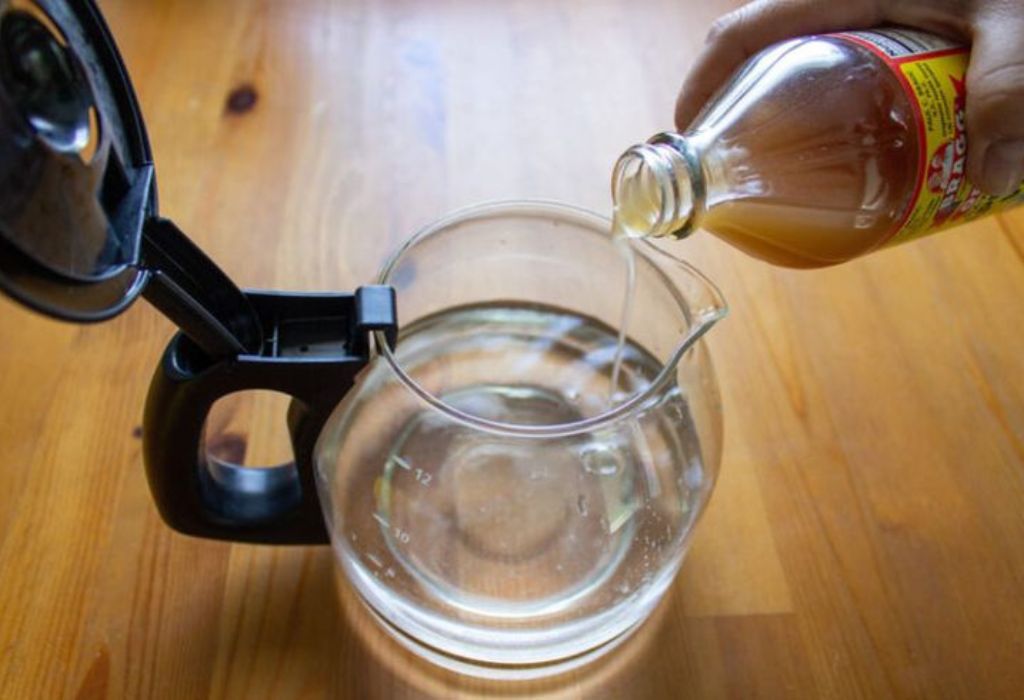
Regular cleaning is essential because coffee makers accumulate minerals, oils and bacteria over time. These contaminants collect inside the water reservoir, spray head and internal tubing where they cannot be seen. Without proper cleaning the buildup affects both taste and machine performance.
Mineral deposits from hard water create scale inside the heating element. This scale forces the machine to work harder to heat water which reduces energy efficiency. Over time the buildup can clog the system and shorten the machine’s lifespan.
Old coffee oils cling to the surfaces inside the brew basket and carafe. These oils grow rancid when they sit for long periods. Rancid oils add bitterness to fresh coffee even when using high quality beans.
Bacteria thrive in moist environments like water reservoirs. Warm temperatures encourage bacterial growth especially when the machine is not used daily. Cleaning with vinegar kills these bacteria and prevents contamination.
Ignoring cleaning increases brew time. Water struggles to flow through scaled tubes which slows the drip process. Many people mistake this for a broken machine when it is simply overdue for a cleaning cycle.
Dirty coffee makers produce inconsistent flavor. Sometimes the brew tastes weak and other times bitter because the water cannot pass through evenly. Regular cleaning restores flavor consistency.
Vinegar offers a simple solution because it dissolves scale naturally. It works without harsh chemicals and is safe for all machine types. This makes vinegar one of the most reliable and cost effective cleaning methods.
Maintaining a clean coffee maker keeps every cup tasting fresh. It also helps prevent mechanical issues that may require expensive repairs. Cleaning with vinegar ensures long lasting performance.
What You Need Before Cleaning With Vinegar
Preparing the right supplies ensures the cleaning process goes smoothly. Vinegar works effectively on mineral buildup but must be used in the proper amount to avoid strong lingering odors. Gathering everything beforehand saves time and prevents interruptions.
Start with white distilled vinegar because it has the correct acidity for cleaning. Other vinegars like apple cider or balsamic contain sugars and colors that can stain the machine. White vinegar dissolves minerals without leaving residue.
You will also need fresh water to flush the machine after the vinegar cycle. Water removes leftover vinegar and any minerals that become loose during cleaning. A full reservoir is required to complete the rinse process.
A soft cloth helps clean the exterior of the machine. Coffee makers often collect dust and splashes that remain unnoticed. Wiping the outside completes the cleaning routine.
Mild dish soap is useful for cleaning removable parts. The brew basket, carafe and lid all build up oils over time. Soap removes these oils better than vinegar alone.
A sponge or bottle brush helps reach tight corners inside the carafe. Coffee stains often darken the bottom and sides. Scrubbing removes this discoloration for a fresh appearance.
If your machine has a reusable filter, prepare it for cleaning as well. Oils cling to mesh screens and affect flavor. Vinegar and warm water clean reusable filters effectively.
Having these items ready makes the cleaning process simple. Each tool plays an important role in restoring the machine to proper working condition. With everything prepared the vinegar cleaning sequence can begin smoothly.
How Vinegar Cleans and Descale a Coffee Maker
Vinegar works by breaking down the minerals that collect inside a coffee maker. These minerals come from calcium and magnesium found in tap water. When the machine heats the water these minerals become hardened deposits known as scale.
Scale attaches to the heating element and tubing. Over time this buildup becomes thick and restricts water flow. Vinegar dissolves these deposits slowly and safely by reacting with the mineral structure.
The acetic acid in vinegar is the key ingredient. This acid is strong enough to remove scale but gentle enough not to damage plastic or metal components. It softens buildup so it can be flushed out with water.
Vinegar also acts as a natural disinfectant. Coffee makers can harbor bacteria because warm water often sits in the reservoir. Vinegar kills these bacteria and removes hidden contamination.
Old coffee oils break down easily when exposed to vinegar. These oils can become sticky and cling to the brew basket and internal parts. Vinegar loosens these oils so they can be rinsed away.
When vinegar cycles through the coffee maker it reaches every internal pathway. This ensures a complete cleaning rather than just cleaning visible areas. The entire system becomes free of residue.
Using vinegar regularly prevents scale from building up again. Maintaining a clean system keeps the machine running efficiently. Vinegar is one of the safest and most effective ways to protect the machine.
Understanding how vinegar works makes the cleaning process more reassuring. It explains why vinegar has been trusted for decades as a natural cleaning solution. Vinegar provides reliable results without harsh chemicals.
Step By Step Process To Clean A Coffee Maker With Vinegar
Begin by emptying the coffee maker completely. Remove any old coffee grounds, leftover water and used filters from the machine. Starting with a clean base ensures the vinegar works effectively.
Fill the reservoir with equal parts white vinegar and water. This mixture provides the right balance of acidity for dissolving mineral deposits. A full reservoir ensures the cleaning solution reaches all internal pathways.
Start a brewing cycle and allow the machine to run halfway. This brings the vinegar mixture into the tubing and heating element. Stopping midway allows the solution to sit and dissolve buildup.
Let the solution rest in the system for about twenty to thirty minutes. This soaking time is essential for loosening hardened minerals. The longer the vinegar sits the more effective it becomes.
After the soaking period restart the brew cycle. Allow the machine to finish the remaining half of the cycle. The solution will continue dissolving residue as it completes its path.
Discard the vinegar mixture once the brew cycle ends. The carafe may contain mineral flakes that were flushed from the system. Emptying the carafe removes these loosened deposits.
Refill the reservoir with fresh clean water. A full rinse cycle is needed to remove any vinegar smell or taste. Running two full water cycles ensures all vinegar is completely flushed from the system.
Complete the cleaning by washing the removable parts with warm soapy water. Cleaning the brew basket, carafe and lid removes oils and improves overall cleanliness. This step finishes the full cleaning process effectively.
How Long To Let Vinegar Sit Inside A Coffee Maker
Letting vinegar sit inside the coffee maker is one of the most important parts of the cleaning process. The soaking period allows the acidic solution to penetrate mineral deposits deeply. Without this resting time the vinegar may not dissolve buildup effectively.
Most coffee makers benefit from a soaking period of twenty to thirty minutes. This amount of time is long enough to soften stubborn scale. It also helps break down oily residues that stick to internal components.
If the machine has never been cleaned or shows signs of heavy scaling a longer soak may be necessary. Some users let the vinegar mixture sit for up to one hour. Extended soaking loosens thick deposits that form from years of mineral buildup.
During the soaking time the vinegar works inside the heating element. Scale often forms in this area because high temperatures accelerate mineral crystallization. Allowing the solution to sit ensures deep cleaning.
Holding the solution in the tubing also helps. Water pathways inside coffee makers are narrow and easily clogged by deposits. A proper soak restores smooth water flow.
The soaking period improves cleaning efficiency. The vinegar solution becomes more effective after it has time to react with the minerals. This reaction weakens the scale and allows it to rinse away easily.
Once soaking is complete the second part of the brew cycle can begin. This ensures the solution reaches all parts of the machine. A proper soak followed by a rinse results in a noticeably improved coffee taste.
Allowing vinegar to sit for the recommended time ensures thorough cleaning. It helps maintain the machine’s performance and extends its lifespan.
Cleaning the Coffee Maker’s Removable Parts
The removable parts of a coffee maker often collect oils and stains that affect the flavor of brewed coffee. Cleaning these pieces separately ensures the entire machine stays fresh. Each part plays a role in the brewing process and must be maintained properly.
Begin with the brew basket because it holds the coffee grounds. Oils from the beans accumulate on the basket over time. Washing it with warm soapy water removes this buildup and restores cleanliness.
The carafe should also be cleaned thoroughly. Coffee stains darken the bottom and sides of the carafe as it is used daily. A sponge or bottle brush helps scrub these stains effectively.
Rinse the carafe with warm water after cleaning. Soap residue can affect the taste of the next brew if not removed completely. Proper rinsing keeps the coffee flavor pure.
The lid of the coffee maker can trap moisture and residue. Cleaning it with soap and water prevents mold and bacteria from growing. This simple step keeps the machine sanitary.
Reusable filters require special attention. Oils cling to the mesh and restrict water flow. Soaking the filter in warm water and vinegar dissolves these oils and keeps the filter working efficiently.
Allow all parts to air dry before reassembling the machine. Moisture left inside any part can lead to mold growth. Completely dry components ensure freshness and safety.
Cleaning the removable parts regularly improves coffee quality. It also prevents odors and stains that develop over time. Maintaining these components is an important part of the cleaning process.
How To Remove Vinegar Smell After Cleaning
Removing the vinegar smell after cleaning is important because leftover odor can affect the taste of your next brew. Vinegar is effective for dissolving minerals but it leaves a strong scent if not rinsed thoroughly. Proper rinsing ensures the machine smells fresh and clean.
Begin by filling the reservoir with fresh water. A full reservoir is necessary to rinse all vinegar residue from the internal parts. Running a complete brew cycle helps flush the entire system.
After the first rinse cycle empty the carafe and refill the reservoir again. A second full cycle of clean water removes any remaining vinegar. Completing two cycles is usually enough to eliminate the smell completely.
If the smell persists run a third rinse cycle. Some machines hold vinegar in small internal pockets that need extra flushing. Additional rinsing ensures there is no leftover aroma.
Cleaning the carafe separately also helps remove odor. Wash it with mild dish soap and warm water to clear any lingering scent. Rinsing thoroughly prevents soap or vinegar from affecting future coffee flavor.
You can also place a small amount of baking soda inside the carafe and fill it with warm water. Baking soda neutralizes strong odors naturally. After a short soak rinse the carafe until the water runs clear.
Leaving the lid open after cleaning allows the machine to air out. Airflow helps remove trapped smells inside the reservoir and internal tubing. This step is simple but very effective.
Once the vinegar smell is completely gone you can brew coffee again. A clean and odor free machine ensures the best tasting coffee. Proper rinsing is an essential part of the cleaning process.
How Often You Should Clean a Coffee Maker With Vinegar
Cleaning frequency depends on how often the coffee maker is used and the type of water running through it. Regular use and hard water both increase the amount of mineral buildup inside the machine. Establishing a cleaning schedule helps maintain consistent performance.
For daily coffee drinkers a monthly vinegar cleaning is recommended. Frequent brewing introduces more minerals and oils into the machine. Monthly cleaning keeps the system clear and prevents scale formation.
If you use hard water you may need to clean the machine every two weeks. Hard water contains high levels of calcium and magnesium. These minerals build up quickly and affect water flow.
People who use their coffee maker occasionally can clean it every two to three months. Light use creates slower buildup. However cleaning regularly still prevents unexpected issues.
Single serve machines may require more frequent cleaning. Their narrow water pathways clog faster than traditional drip machines. Cleaning these machines every three to four weeks keeps them functioning properly.
The carafe, brew basket and reusable filter should be cleaned after every use. Oils from coffee grounds accumulate quickly. Washing these parts daily ensures fresh tasting coffee.
If your coffee begins to taste bitter or weak it may be a sign of scaling. Slower brewing, gurgling noises and lower water output are signs the machine needs immediate cleaning. Vinegar cleaning restores performance quickly.
Following a consistent cleaning schedule keeps your machine running smoothly. It ensures better tasting coffee and extends the lifespan of the coffee maker.
Common Mistakes When Cleaning a Coffee Maker With Vinegar
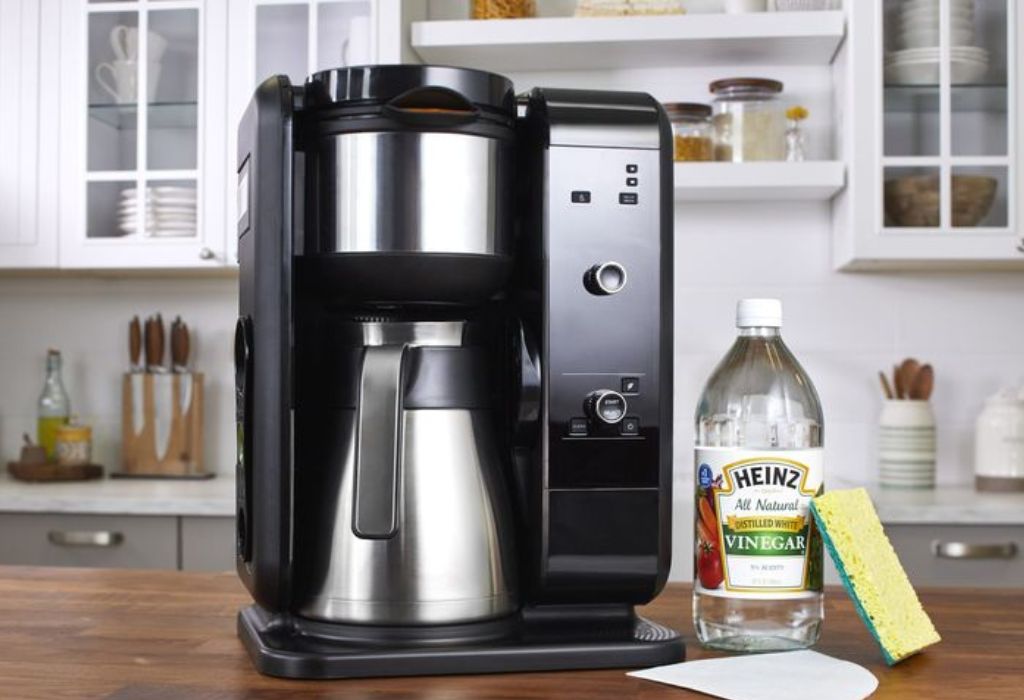
Many people make mistakes when cleaning their coffee maker with vinegar because they rush the process or skip important steps. These errors reduce the effectiveness of the cleaning and can even damage the machine. Understanding the common mistakes helps ensure better results.
One of the most frequent mistakes is using too much vinegar. Pure vinegar is too strong and leaves an overpowering smell. Diluting it with equal parts water provides the right cleaning strength.
Another mistake is not allowing the vinegar to soak. The soak time is essential for dissolving hardened mineral deposits. Skipping this step results in incomplete cleaning.
People also forget to run enough rinse cycles. One rinse cycle often leaves a leftover vinegar taste. Running at least two full rinses removes all traces.
Some users attempt to clean removable parts with vinegar alone. Coffee oils require soap to break down effectively. Vinegar works best for internal scaling rather than oil removal.
Using flavored vinegar is another problem. Apple cider and flavored vinegars contain sugars that can stain the machine. Only white vinegar should be used for cleaning.
Not cleaning the carafe and brew basket regularly is a common oversight. These parts collect oils and residue that affect taste. Cleaning them separately keeps the entire system fresh.
Ignoring signs of mineral buildup also causes issues. Slow brewing and gurgling noises indicate internal scaling. Cleaning promptly prevents long term damage.
FAQ’s About Coffee Maker Cleaning Mistakes
Can using pure vinegar damage a coffee maker?
Yes because pure vinegar is too strong and leaves a lingering smell. Diluting it half and half is safer. It also prevents unnecessary wear.
Is it bad to skip the soaking step?
Yes because soaking dissolves mineral deposits deeply. Without it cleaning is incomplete. Soaking improves overall results.
Can I rinse only once after cleaning?
Only one rinse may leave a vinegar taste. Two or three rinses ensure freshness. More rinses help if the smell persists.
Should I clean removable parts with vinegar only?
No because vinegar does not remove coffee oils effectively. Soap is needed for oils. Vinegar works best for scale removal.
Can I use apple cider vinegar instead of white vinegar?
No because apple cider vinegar contains sugars and colors. These can stain the machine. White vinegar is the only recommended type.
How much vinegar should I use to clean a coffee maker?
Use equal parts white vinegar and water for the cleaning cycle. This mixture provides enough acidity to dissolve mineral deposits safely. It also prevents strong odors from building inside the machine.
Can vinegar damage the heating element inside a coffee maker?
No because white vinegar is gentle enough for internal components. It dissolves scale without harming metal or plastic parts. This makes it one of the safest cleaning solutions.
Is it safe to clean a coffee maker with vinegar every week?
Weekly cleaning is unnecessary unless you have extremely hard water. Too much vinegar cleaning can cause rubber parts to wear faster. Monthly cleaning is ideal for most users.
Can I use apple cider vinegar instead of white vinegar?
No because apple cider vinegar contains sugars and colors. These can stain the coffee maker and leave a sticky residue. Only white distilled vinegar should be used.
How long does the vinegar smell last in a coffee maker?
The smell usually disappears after two full rinse cycles. If it lingers run one more rinse with fresh water. Airing out the reservoir also helps remove odor.
Can vinegar remove mold inside a coffee maker?
Yes because vinegar kills most common household mold. Running vinegar through the machine removes mold from internal pathways. Rinsing afterward ensures safe use.
Does vinegar unclog the water lines in a coffee maker?
Yes because vinegar dissolves mineral deposits that block water flow. A full cleaning cycle clears the tubing effectively. It restores normal brewing speed.
Can I clean a single serve coffee maker with vinegar?
Yes because single serve machines need descaling more often. Their narrow water lines clog easily with minerals. Vinegar reaches all internal parts through the cleaning cycle.
Is it okay to leave vinegar in the machine overnight?
It is usually safe but not always necessary. A long soak helps heavy buildup but can strain rubber seals. Thirty to sixty minutes is enough for most machines.
Can vinegar replace commercial descaling solutions?
Yes for most standard coffee makers because vinegar is effective and inexpensive. However some manufacturers recommend branded cleaners for warranty protection. Vinegar remains the most common home descaling method.
Conclusion
Cleaning a coffee maker with vinegar is one of the simplest and most effective ways to maintain its performance. Vinegar dissolves mineral deposits, removes coffee oils and kills bacteria that accumulate inside the machine over time.
Regular cleaning ensures every cup tastes fresh and prevents unexpected brewing issues caused by scale buildup.
A consistent cleaning routine also protects the internal components of the coffee maker. When minerals accumulate inside the heating element and tubing the machine works harder and becomes less efficient.
Vinegar breaks down these deposits safely and restores smooth water flow, which helps extend the overall lifespan of the appliance.
The step by step vinegar method is easy to follow and requires only a few basic items. Filling the reservoir with a vinegar mixture, letting it soak and running rinse cycles brings the machine back to optimal condition. Cleaning removable parts separately ensures that oils and stains are completely eliminated.
Knowing when to clean the machine makes the process even more effective. Changes in flavor, brewing speed, smell or water output all signal that the coffee maker needs attention.
Responding to these signs quickly prevents long term damage and keeps the machine functioning reliably.
Using vinegar as a natural cleaner is safe, affordable and widely recommended. It avoids the harsh chemicals found in many commercial cleaners and provides excellent results when used correctly.
By maintaining the machine regularly you can enjoy better tasting coffee, increased reliability and a longer lasting appliance.
Keeping a coffee maker clean is part of enjoying a consistent morning routine. With simple vinegar cleaning you can ensure every brew is flavorful, smooth and free from hidden contaminants. Regular care makes a noticeable difference in both taste and performance.

I’m Emma J. Caldwell, the founder, lead writer, and home-cooking enthusiast behind KitchenGuideCo.com. With a background in culinary arts and over a decade of cooking experience in both professional and personal kitchens, I created this platform to demystify recipes, offer smart kitchen gadget reviews, and guide readers through meal prep with confidence and clarity.