Using a French press coffee maker may look complicated at first, but once you learn the steps, it becomes one of the simplest ways to brew bold, flavorful coffee.
Many beginners struggle with grind size, water temperature, and steeping time, which leads to muddy or bitter results. These common mistakes make people think the French press is difficult, even though the process is easy when done correctly.
The French press uses full immersion brewing, meaning the coffee grounds sit in hot water long enough to extract deep flavor.
Unlike drip machines, it keeps natural oils in the cup because it does not use a paper filter. This gives the coffee a richer body and stronger aroma that many people prefer.
With the right technique, brewing coffee in a French press becomes a relaxing morning ritual. The process requires patience, attention to detail, and correct timing to achieve consistent results.
Understanding these small details helps you avoid bitterness, over extraction, or sediment in your cup.
This guide shows you how to select beans, prepare the French press, control the brewing time, and press properly without stirring up grounds.
Each step has a purpose, and once you understand it, your coffee becomes noticeably smoother and richer. By the end, you will feel confident brewing perfect French press coffee every time.
Choosing the Right Coffee Beans for a French Press
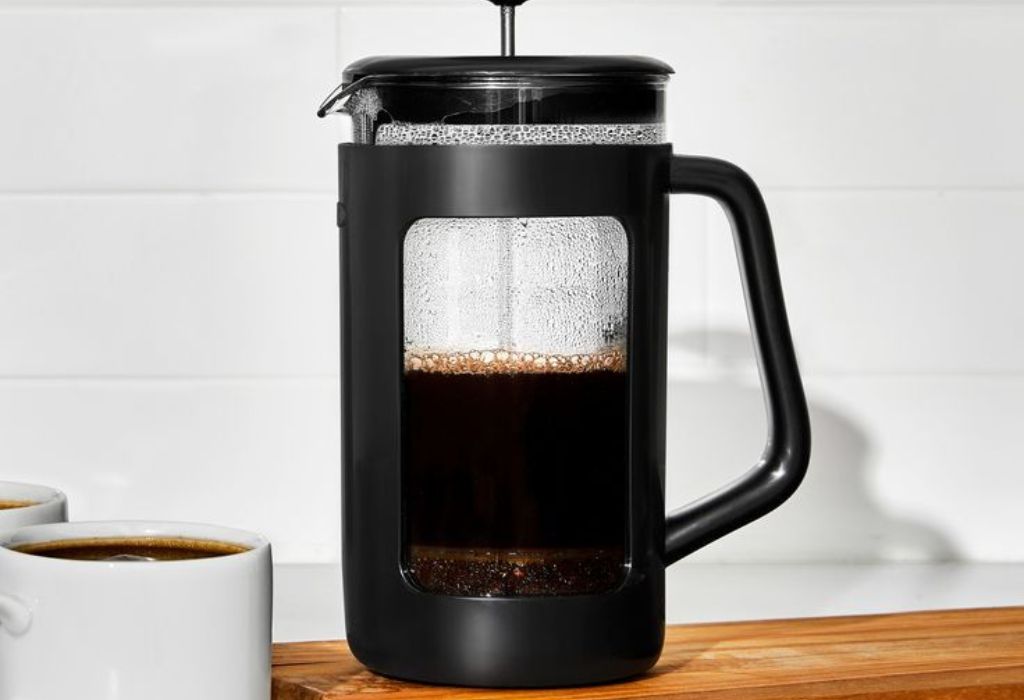
Choosing the right coffee beans is the first step toward making a great cup of French press coffee. Freshly roasted beans provide the best flavor because they still contain natural oils that enhance richness. Old or stale beans taste flat and produce disappointing results.
Medium and dark roast beans work especially well in a French press. These roasts extract deeper flavors and create a richer body during full immersion brewing. Their oils also pass through the metal filter, adding more complexity.
Light roast beans can also be used, but they require more control and precision. These roasts taste bright and fruity but may turn sour if steeped too long. Beginners usually find medium roasts easier to master.
Whole beans stay fresh longer, so always buy whole instead of pre ground. Grinding just before brewing preserves aroma and improves taste. Coffee loses flavor quickly once exposed to air.
Single origin beans showcase unique flavors depending on where they are grown. Blends offer smoother, more predictable taste profiles. Exploring both helps you discover your personal preference.
Look for beans with a clear roast date printed on the package. Freshness matters far more than brand or packaging. Always avoid bags without dates because they may be months old.
Choosing the Correct Grind Size for a French Press
A French press always requires a coarse grind because coarse particles extract slowly and evenly in hot water. Fine or medium grinds over extract quickly and become bitter, especially during the four minute steeping process. Coarse grounds also prevent the coffee from becoming muddy or gritty.
Using fine grounds clogs the metal mesh filter and allows sediment to slip into the cup. This creates a thick texture that most people find unpleasant. The metal filter works best when coffee particles are large and uniform.
A burr grinder is the best tool for getting consistent coarse grounds. Blade grinders chop beans unevenly, which leads to mixed extraction and unbalanced flavor. Consistent particle size is essential for smooth coffee.
If your coffee tastes too bitter, the grind level is probably too fine. Making the grind slightly coarser usually fixes this issue. Coarser grounds reduce over extraction and improve clarity.
If your coffee tastes weak or watery, your grind may be too coarse. Adjusting the grinder one step finer increases strength. Small changes can make a noticeable difference.
Always grind the beans right before brewing. Fresh grounds release stronger aroma and richer flavor. Pre ground coffee loses quality quickly.
Proper grind size is one of the most important parts of French press brewing. When the grind is correct, the entire steeping stage works smoothly. This creates a balanced and flavorful cup of coffee.
Measuring the Right Coffee to Water Ratio
The coffee to water ratio determines how strong or balanced your French press coffee will taste. A common starting ratio is one part coffee to fifteen parts water, which produces a smooth and rich brew. Accurate measurement prevents your coffee from becoming too strong or too weak.
Using a kitchen scale gives the most consistent results because beans vary in size and density. Scooping with a spoon often leads to inaccurate amounts that change the flavor. Weighing ensures the same taste every time you brew.
A one to twelve ratio creates a stronger, bolder cup if you prefer intense flavor. A one to seventeen ratio makes a lighter and smoother brew. Adjusting the ratio slightly helps fine tune your preference.
Start with the standard ratio and then experiment based on taste. Small changes in measurement can create noticeable differences in strength and aroma. Using ratios this way helps you learn what taste you enjoy most.
Make sure to heat the correct amount of water before brewing. Having the water ready prevents delays that could affect steeping. Consistent preparation leads to better results.
Preheating the French press with hot water also helps maintain the correct temperature. Temperature stability improves coffee extraction. Proper heat retention gives smoother flavor.
Understanding ratios improves your brewing skills and helps create dependable results. When the measurement is correct, every step afterward becomes easier. Consistent ratios lead to consistently delicious French press coffee.
Heating the Water to the Ideal Temperature
Water temperature plays a critical role in extracting the right flavors from your coffee grounds. The ideal range for French press brewing is between 195 and 205 degrees Fahrenheit, because this heat level brings out natural oils without burning the coffee. Boiling water is too hot and often creates bitter or harsh flavors.
If you use an electric kettle with temperature control, you can heat the water precisely within the recommended range. These kettles help maintain consistent brewing results every time. Consistency builds confidence in your coffee making routine.
If you boil water on a stove, let it cool for about thirty seconds before pouring. This brief cooling period lowers the temperature to a safe level for extraction. Slightly cooled water prevents scalding the grounds.
Water that is too cool also causes problems by under extracting the coffee. Under extracted coffee tastes sour, weak, or unpleasantly acidic. Proper heat allows full and balanced flavor release.
Pour the water slowly over the grounds to ensure even saturation. Sudden pouring can create channels that prevent uniform extraction. Slow, steady pouring improves the final taste.
Use freshly heated water instead of reheating old water. Reheated water loses oxygen and affects flavor quality. Fresh water maintains brightness and clarity.
Mastering water temperature is one of the most important steps in French press brewing. When your water is in the correct range, the coffee extracts evenly and tastes consistently smooth. Good temperature control leads to richer and more enjoyable coffee.
Blooming the Coffee Grounds Before Steeping
Blooming is an essential step that prepares the coffee grounds for proper extraction in a French press. When hot water first touches fresh coffee, carbon dioxide gas escapes rapidly from the beans. Allowing this gas to release prevents uneven brewing and improves flavor clarity.
Start by pouring just enough hot water to cover the grounds evenly. The water will cause the coffee to rise and bubble as the gases escape. This bubbling effect is a sign that your coffee is fresh.
Use a spoon or chopstick to gently stir the wet grounds. Stirring ensures that all particles become fully saturated during the bloom. Even saturation leads to more balanced flavor.
Let the bloom sit undisturbed for about thirty seconds. This short resting time allows the gas to escape completely. Proper degassing helps the water extract flavors more efficiently during steeping.
Skipping the blooming step often results in hollow or under developed taste. Trapped gases push water away from parts of the grounds, leading to weak or uneven extraction. Blooming removes this barrier.
Freshly roasted beans produce a more active bloom because they contain more carbon dioxide. This step is especially important when using fresh coffee. The fresher the beans, the more essential the bloom.
Blooming enhances aroma, sweetness, and overall flavor depth. It also sets a strong foundation for the steeping process that follows. Taking a few extra seconds to bloom your coffee dramatically improves the final cup.
Steeping the Coffee in the French Press
Steeping is the stage where the coffee develops its full flavor, aroma, and body. Once the bloom is complete, slowly pour the remaining hot water into the French press. Make sure all grounds are fully submerged for even extraction.
Place the lid on the French press with the plunger pulled all the way up. Covering the press helps trap heat inside and maintain the correct brewing temperature. Consistent heat during steeping ensures balanced flavor.
The standard steeping time for French press coffee is four minutes. Four minutes allows enough contact time for the water to extract oils, sugars, and soluble compounds from the coffee. This balance creates a smooth and rich cup.
Steeping for too long causes over extraction. Over extracted coffee tastes bitter, harsh, and overly strong because too many compounds are pulled from the grounds. Keeping the steep time controlled prevents unwanted flavors.
Steeping for too short a time leads to under extraction. Under extracted coffee tastes weak, sour, and hollow because it lacks enough dissolved sugars and oils. Proper steeping time brings out full richness.
Avoid stirring or shaking the French press during steeping. Agitation causes the coffee to extract too quickly and unevenly. Gentle, still steeping produces the best results.
Use a timer to ensure accuracy. Guessing the time often results in inconsistent coffee flavor from day to day. A simple timer helps build a reliable brewing routine.
Pressing the Plunger Down Smoothly and Evenly
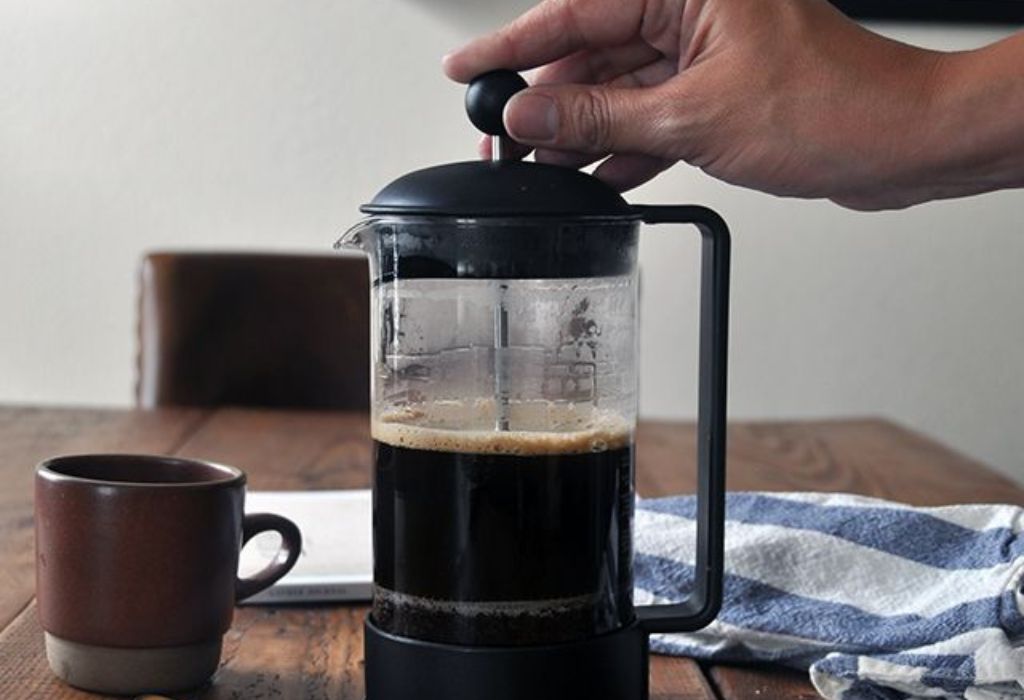
Pressing the plunger is one of the most important steps in French press brewing because it determines how clean and smooth the final cup will be. When the steeping time is complete, place your hand firmly on the plunger handle. Make sure the metal filter is aligned properly before you begin pressing.
Apply slow, steady pressure as you push the plunger downward. A gentle press prevents grounds from escaping past the mesh filter. Fast or forceful pressing stirs the coffee bed and releases unwanted sediment.
If the plunger feels difficult to push, your grind size may be too fine. Fine grounds clog the filter and create resistance. Adjusting to a coarser grind will solve this problem in future brews.
Press the plunger all the way down until it reaches the bottom of the beaker. Do not slam it at the end or try to force it farther. The goal is to separate the liquid from the grounds without disturbing them.
Avoid lifting the plunger back up after pressing. Pulling it upward loosens the coffee bed and releases extra particles into the drink. Keeping it down maintains clarity.
If you are brewing for multiple people, pour the coffee immediately after pressing. Leaving it inside the French press causes additional extraction from the grounds. Over extraction leads to bitterness even after the initial brew tasted perfect.
A smooth plunger press ensures a balanced, sediment free cup of coffee. Proper technique keeps the flavor clean and consistent. Over time, you will perfect the press and enjoy better coffee every day.
Pouring and Serving the Coffee at the Right Time
Pouring the coffee immediately after pressing is essential for maintaining its ideal flavor. Once the plunger reaches the bottom, the grounds stay compressed, but they continue to extract if the liquid remains in the beaker. This ongoing extraction causes bitterness if the coffee sits too long.
Use a slow and steady pour when serving. Pouring too quickly can disturb the compressed grounds and push small particles through the filter. A gentle pour helps maintain clarity in the final cup.
Warm your mug before pouring the coffee. Preheating the cup keeps the coffee hot for longer and enhances the drinking experience. A warm mug also prevents sudden cooling that can dull the flavor.
Avoid swirling or shaking the French press before or during pouring. Any shaking motion stirs the grounds settled at the bottom and increases sediment in your cup. A stable pour always results in cleaner coffee.
If you plan to drink the coffee slowly over time, transfer it immediately into a thermal carafe. This prevents over extraction and keeps your coffee hot without further steeping. A thermal carafe keeps the flavor stable and pleasant for longer.
When pouring for multiple people, keep the beaker steady and avoid tilting too far back at the end. The last bit of coffee contains the most sediment, so it is better not to pour the final portion. This small detail improves the quality of every serving.
Proper pouring helps ensure your French press coffee remains smooth, rich, and enjoyable from the first sip to the last. Paying attention to this step preserves flavor and reduces grit in the cup. A thoughtful pour completes the brewing process perfectly.
Cleaning the French Press After Brewing
Cleaning the French press properly ensures that every future cup of coffee tastes fresh and free of old oils. Coffee oils cling to the metal filter and glass beaker, and if left unwashed, they develop rancid flavors. These stale residues can ruin the taste of even the freshest coffee.
Start by removing the plunger assembly from the beaker. Use a spoon or spatula to scoop out the used coffee grounds. Avoid rinsing them directly into the sink because they can clog drains easily.
Coffee grounds make excellent compost, so consider adding them to your plants or garden. They enrich the soil naturally and reduce kitchen waste. This eco friendly choice benefits both your brewing and your environment.
Rinse the beaker with warm water to remove any remaining grounds. Use mild dish soap and a non abrasive sponge to clean the inside thoroughly. A gentle scrub ensures no oils remain stuck to the surface.
Take apart the plunger by unscrewing the filter layers. Most French presses have multiple mesh screens that trap fine particles. Cleaning each layer individually prevents buildup and ensures smooth pressing in future brews.
Use a soft brush to gently scrub the mesh filters. Fine coffee particles easily lodge between the tiny holes in the screens. Proper cleaning removes trapped residue and restores the filter’s effectiveness.
Dry all parts completely before reassembling. Moisture trapped in the screens or lid can lead to unwanted smells or bacterial buildup. A fully dry French press maintains better hygiene and improves the taste of your next brew.
Troubleshooting Common French Press Coffee Problems
Many people face issues like bitterness, weakness, or excessive sediment when using a French press. These problems usually come from small mistakes in grind size, timing, or temperature. Understanding how to troubleshoot them helps improve your coffee instantly.
If your coffee tastes bitter, it is likely over extracted. Over extraction happens when the steeping time is too long or the grind is too fine. Reducing steep time or choosing a coarser grind usually fixes this problem.
If your coffee tastes weak or watery, it is under extracted. Under extraction occurs when the grind is too coarse or the steeping time is too short. Adjusting these factors helps increase strength and depth.
Too much sediment at the bottom of the cup is another common issue. Sediment appears when fine particles slip through the metal mesh filter. Choosing a coarser grind or pouring more gently helps reduce grit.
If the plunger is hard to press down, your grind may be too fine. Fine grounds clog the mesh filter and create resistance. Switching to a coarser grind makes plunging smoother and safer.
If the coffee cools too fast, the French press may not be preheated. Preheating with hot water helps maintain a stable brewing temperature. Better temperature control improves extraction and richness.
Troubleshooting helps you understand how each variable affects flavor. Adjusting grind size, timing, or temperature makes immediate improvements. Over time, solving these issues builds confidence and consistency in your French press brewing.
Common Questions About Using a French Press
Can I use fine ground coffee in a French press?
Fine grounds are not suitable because they slip through the mesh filter. This creates a gritty and muddy cup of coffee. A coarse grind is always recommended.
How hot should the water be for French press coffee?
The best temperature range is between 195 and 205 degrees Fahrenheit. Water hotter than this burns the grounds. Cooler water leads to weak and under extracted coffee.
How long should I steep French press coffee?
Four minutes is the standard steeping time for balanced flavor. Shorter times produce weak coffee. Longer steeping causes bitterness.
Can I reuse coffee grounds in a French press?
It is not recommended because the first brew extracts most of the flavor. Reused grounds produce flat and weak coffee. Always use fresh grounds for best results.
Why is there sediment at the bottom of my cup?
Sediment comes from fine particles passing through the filter. Using a coarser grind reduces this issue. Gentle pouring also helps maintain clarity.
Should I stir the coffee after pouring the water?
You should only stir lightly during blooming. Stirring too much later disturbs the grounds and affects extraction. Gentle handling produces smoother coffee.
Why does my French press coffee taste bitter?
Bitter coffee indicates over extraction. Try steeping for less time or using a coarser grind. Adjusting temperature can also help.
Why is my French press coffee weak?
Weak coffee means under extraction. Increase steep time slightly or use a finer coarse grind. Ensuring the water temperature is correct also helps.
Can I make cold brew in a French press?
Yes, the French press is excellent for cold brew. Steep coarse grounds in cold water for twelve hours. Press and strain when ready.
Does the French press need a paper filter?
No, the French press uses a built in metal mesh filter. Paper filters remove natural oils from coffee. The metal filter preserves flavor and richness.
Conclusion
Using a French press coffee maker becomes simple and enjoyable once you understand each step of the process.
From selecting the right beans to controlling water temperature and steeping time, every detail contributes to the final flavor. These small adjustments help you avoid bitterness, weak taste, or excess sediment.
The French press method allows natural oils and flavors to remain in the cup, creating a richer and fuller body than many other brewing styles.
Consistency in grind size, ratios, and steeping time transforms your results quickly. With a little practice, each cup becomes smoother and more balanced.
Cleaning and maintaining the French press also ensures better flavor over time. Removing old oils and grounds prevents unwanted tastes from building up. A clean press always produces better coffee.
Mastering the French press gives you control and creativity in your coffee routine. You can adjust strength, experiment with beans, and refine your technique to match your taste. With the steps in this guide, you can brew confidently and enjoy delicious coffee every day.

I’m Emma J. Caldwell, the founder, lead writer, and home-cooking enthusiast behind KitchenGuideCo.com. With a background in culinary arts and over a decade of cooking experience in both professional and personal kitchens, I created this platform to demystify recipes, offer smart kitchen gadget reviews, and guide readers through meal prep with confidence and clarity.