A stand mixer is one of the most useful appliances a home cook or baker can own. It takes on heavy tasks like kneading dough, whipping cream, mixing batter, grinding meat, and even rolling pasta with incredible ease.
But the first question most people ask before buying one is simple: how much does a stand mixer cost? The answer varies widely depending on size, brand, motor strength, bowl type, attachments, and overall build quality.
Stand mixers can be surprisingly affordable or impressively expensive, and understanding the price differences helps you choose the right model without overspending.
Some stand mixers cost less than one hundred dollars, while others climb above five hundred. Entry level mixers are suitable for light baking, but they may struggle with heavy doughs or long mixing times.
Mid range mixers offer balanced performance and durability, making them the most popular choice for home kitchens.
On the high end, powerful professional mixers come with robust motors, metal construction, and expanded attachment systems for advanced cooking tasks. Each price range offers different value depending on your needs.
Choosing the right stand mixer is more than just picking a price. You need to think about what you bake, how often you cook, and which features matter most to you. A small household that bakes occasionally may not need the power of a premium machine.
Meanwhile, a serious home baker or someone who prepares dough frequently will benefit from strong motors, larger bowls, and high torque performance. Understanding price ranges helps you make a smarter decision.
This article breaks down everything you need to know. You’ll learn the cost of different types of stand mixers, the features that increase price, the differences between brands, and how to choose one that fits your budget and cooking lifestyle.
By the end, you will have a clear understanding of how much a stand mixer should cost and which model offers the best value for your home.
Types of Stand Mixers and Their Cost Differences
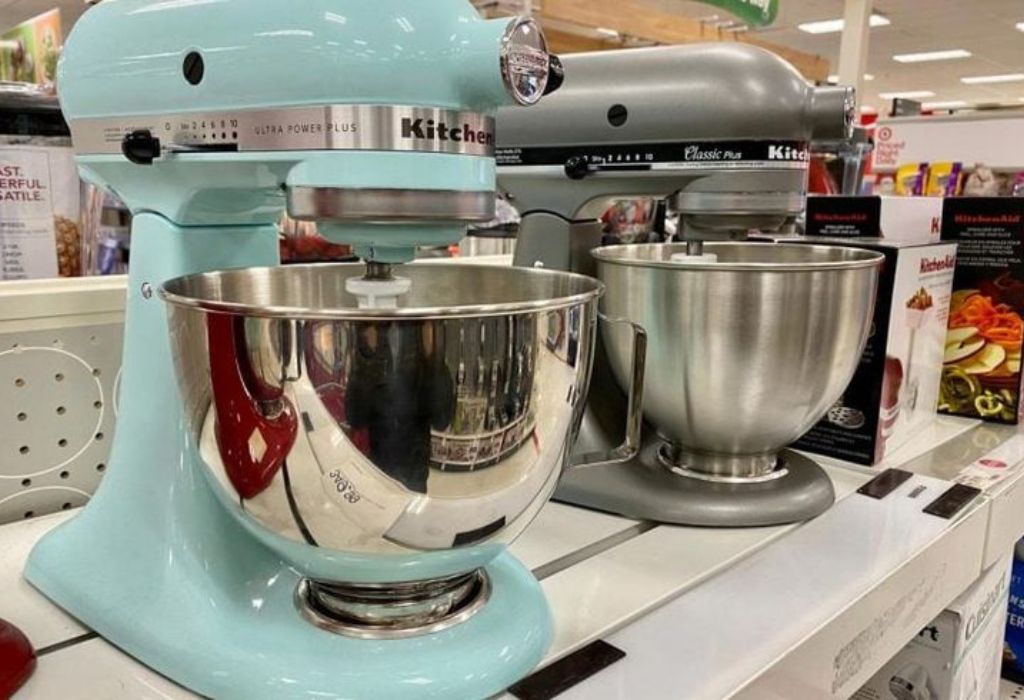
Stand mixers come in several styles, each offering different strengths. The most common types are tilt head mixers and bowl lift mixers. Tilt head mixers are usually more affordable, ranging from eighty to two hundred dollars.
They are ideal for light to moderate baking needs. Bowl lift mixers are larger, heavier, and more powerful, costing between two hundred fifty and five hundred dollars. They are designed for serious bakers and heavy dough.
Commercial stand mixers cost even more. These models can exceed six hundred dollars and offer unmatched durability and torque.
They are built for bakeries and restaurants but are also used by passionate home bakers. The high cost comes from professional grade motors and all metal construction.
Mini stand mixers also exist for small kitchens or occasional bakers. These compact units usually cost between sixty and one hundred fifty dollars. They perform basic mixing but cannot handle heavy dough or large batches.
Specialty mixers, such as vintage reproductions or designer editions, may cost more due to unique finishes or limited edition colors. Some of these mixers are sold as collector items rather than pure tools.
Are tilt head mixers cheaper than bowl lift mixers?
Yes, tilt head models are generally more affordable and best for light baking.
Why are commercial mixers so expensive?
They use stronger motors and durable all metal construction built for continuous use.
Are mini stand mixers worth it?
Yes, but only for small batches or occasional baking.
Do designer color mixers cost more?
Yes, limited edition colors or special finishes raise the price.
Which type is best for bread dough?
Bowl lift mixers handle heavy dough better than tilt head models.
Entry Level Stand Mixers: What You Get and What You Don’t
Entry level stand mixers are the most budget friendly options available. They typically cost between sixty and one hundred twenty dollars.
These mixers are ideal for beginners, casual bakers, or anyone who bakes only a few times per month. They offer simple controls, lightweight frames, and basic mixing tools like a whisk, dough hook, and paddle.
These mixers work well for light tasks such as whipping cream, mixing cake batter, or preparing cookie dough. Their motors are usually between two hundred and three hundred watts. This level of power is enough for simple recipes but not ideal for bread dough or dense mixtures.
Entry level mixers have smaller bowls, usually around three to four quarts. This size is suitable for small families or single bakers. However, large batches of dough or batter may overflow or strain the machine.
Despite the lower cost, these mixers may lack long term durability. Plastic gears and lightweight frames wear down faster over time. They are not designed for daily use or heavy baking.
Most entry level models do not support advanced attachments. Even when they do, the motor may not be strong enough to power them effectively. This limits versatility for cooking and baking tasks.
Entry level mixers offer good value if your needs are simple. They perform everyday tasks reliably but should not be pushed beyond their limits. Bakers who upgrade from these often choose mid range models for better performance.
Mid Range Stand Mixers: Best Balance of Price and Performance
Mid range stand mixers are the most popular category because they offer a strong mix of affordability, durability, and performance.
Prices typically range from one hundred fifty to three hundred dollars. This price range includes well known models from brands like KitchenAid, Hamilton Beach, Cuisinart, and Kenwood.
These mixers feature stronger motors, often between three hundred and five hundred watts. This allows them to handle thicker doughs, large batches, and longer mixing times. Many home bakers find mid range mixers powerful enough for bread, pizza dough, and stiff cookie dough.
The bowl sizes in this category typically range from four and a half to five and a half quarts. This size is perfect for medium to large families and supports many different recipes. The increase in size also means better mixing action and fewer spills.
Mid range mixers often include metal components that improve stability. Their heavier frames reduce shaking during thick dough mixing. This improves user experience and protects the motor from unnecessary strain.
These mixers also support a wide range of attachments. Pasta rollers, food grinders, vegetable spiralizers, sausage stuffers, and juicers are common. The attachment hub adds incredible versatility to the machine.
Mid range mixers offer great long term value. They are built to last for years and provide consistent performance for frequent bakers. Most households find this category the best overall investment.
Are mid range mixers good for bread dough?
Yes, many have strong enough motors to handle heavy dough.
Do mid range mixers last longer?
Yes, they use better components and stronger construction.
Are attachments included?
Some include basics, while specialty attachments are sold separately.
Is five quarts enough for a family?
Yes, five quarts is ideal for most home baking needs.
Why are mid range mixers heavier?
Heavier frames provide more stability during mixing.
High End and Professional Stand Mixers: Why They Cost More
High end mixers are built for both serious home bakers and professionals. These models range from three hundred to eight hundred dollars depending on brand, materials, and motor strength. They are designed for high performance, durability, and precision.
Professional models often use motors that exceed six hundred watts. Some even reach one thousand watts or more. This power allows them to knead large batches of dough without overheating or slowing down.
The bowl lift design is common in this category. It supports large bowls, often six to eight quarts. The bowl lift mechanism keeps the mixer steady during heavy mixing, improving safety and performance.
High end mixers use all metal housings, metal gears, and heavy duty construction. This level of durability ensures the machine can run for years, even with constant use. Restaurants and bakeries rely on these machines for reliability.
These mixers also come with advanced attachments and premium accessories. Glass bowls, extra whisks, coated hooks, and stainless paddles are common. Specialty attachments may include grain mills, pasta extruders, and ice cream makers.
High end mixers also offer precise speed control. They allow smoother starts and more consistent power delivery. This is essential for delicate recipes or professional baking.
These mixers cost more because they deliver professional quality results. For people who bake frequently or run home bakeries, the investment is well worth it.
Motor Power and How It Affects Stand Mixer Price
Motor power is one of the biggest factors influencing the cost of a stand mixer. Higher wattage motors can handle harder dough, longer mixing times, and larger quantities. Lower wattage motors work for basic mixing but struggle with dense ingredients.
Entry level mixers typically use two hundred to three hundred watt motors. These are fine for cake batter and light recipes. They are not ideal for bread dough or stiff cookies.
Mid range mixers often feature three hundred fifty to five hundred watt motors. These offer a good balance of power and durability. They can knead bread, mix large batches, and run longer without overheating.
High end mixers use powerful six hundred watt to one thousand watt motors. These motors are capable of handling thick doughs effortlessly. They also maintain consistent speed even under heavy strain.
The price increases as motor power increases. Stronger motors use more copper, better insulation, and advanced cooling systems. These elements add cost but improve long term reliability.
More powerful motors also expand mixing capabilities. They can support more attachments, larger bowls, and harder ingredients. For serious bakers, the power difference is worth the investment.
Is higher wattage always better?
Not always, but stronger motors perform better with heavy dough.
Can low wattage mixers knead bread?
They can, but risk overheating or wearing out quickly.
Why do powerful mixers cost more?
They require stronger components and better engineering.
Does wattage affect noise level?
Higher wattage motors can be louder, but build quality matters.
Are commercial motors different?
Yes, they use heavy duty parts designed for nonstop use.
Bowl Size and Material Influence the Price
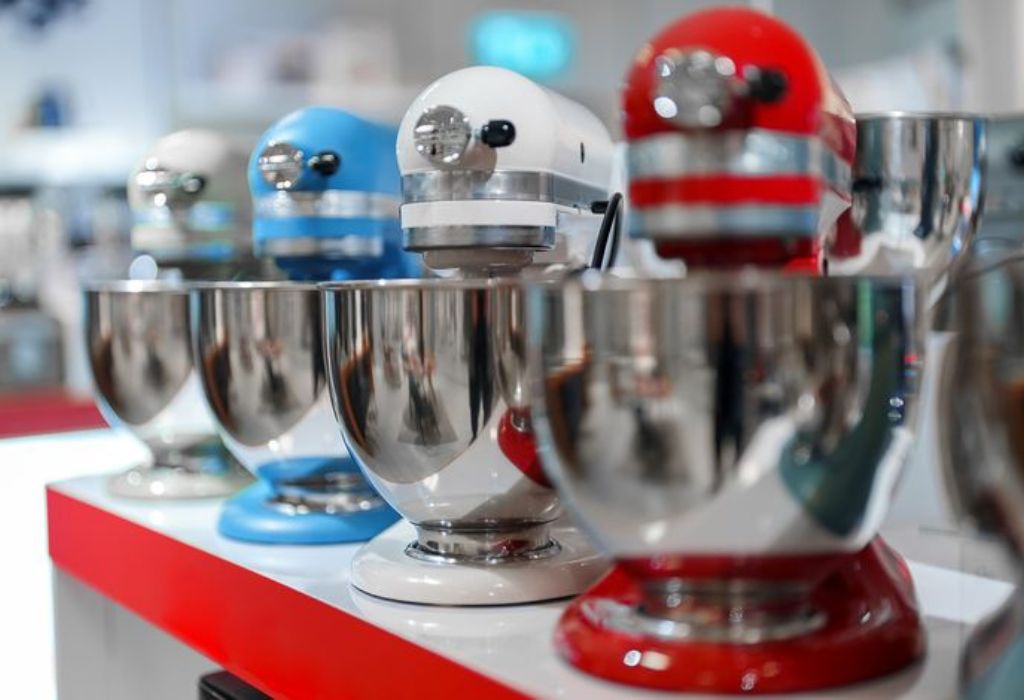
Stand mixer bowls vary in size and material, and these differences affect cost. Smaller bowls are more affordable, while larger bowls add to the price. Most entry level models include bowls between three and four quarts. These bowls are ideal for small families or occasional baking.
Mid range mixers typically include bowls between four and a half and five and a half quarts. This is the sweet spot for most home bakers. Larger bowls offer more space for bread dough, whipped cream, and cake batter.
High end mixers often offer six to eight quart bowls. These large bowls are essential for big batches. They also require stronger motors, which increases overall price.
Bowl material also affects cost. Stainless steel bowls are the most common. They are durable, rust resistant, and dishwasher safe. Glass bowls cost more but provide visibility while mixing. Some premium mixers offer ceramic bowls with decorative finishes.
Bowls with handles, pour spouts, measuring marks, or lids also add cost. These features increase convenience but require more complex manufacturing.
Larger bowls and premium materials raise the price of a stand mixer. However, they also enhance usability and performance.
Attachments and Accessories That Raise Stand Mixer Cost
Stand mixers often come with a variety of attachments that increase price. The basic set includes a whisk, paddle, and dough hook. These tools allow you to prepare most recipes.
More advanced attachments expand the mixer’s abilities dramatically. Pasta rollers and pasta cutters are popular but add significant cost. Meat grinders allow you to prepare fresh sausage or ground meat at home.
Vegetable spiralizers turn the mixer into a slicing and shaping tool. Ice cream maker attachments use the mixer to churn frozen desserts. Grain mill attachments grind whole grains into flour.
Each attachment adds anywhere from twenty to one hundred dollars or more. Some high end mixers support more than fifteen different attachments. This versatility raises both the price and the value of the mixer.
Premium accessories such as polished stainless paddles, coated hooks, or flex edge beaters also increase cost. Specialty bowls, such as insulated or decorative bowls, can add another fifty to one hundred dollars.
Do attachments come with the mixer?
Basic ones do, but specialty tools are sold separately.
Are attachments interchangeable between brands?
Usually no, they are brand specific.
Is the pasta attachment worth buying?
Yes, if you make fresh pasta regularly.
Do attachments last a long time?
High quality ones do, especially metal tools.
Are glass bowls more expensive?
Yes, due to material and manufacturing costs.
Brand Reputation and Its Impact on Mixer Pricing
Brand reputation plays a major role in determining mixer price. Popular brands like KitchenAid, Cuisinart, Breville, and Kenwood charge more because they offer proven reliability. Their machines last longer and deliver consistent performance.
KitchenAid mixers, for example, have a strong attachment ecosystem. Their mixers often cost more because of durability and versatility. Breville mixers include premium electronic controls that increase cost.
Budget brands like Hamilton Beach offer affordable alternatives. These mixers cost less but may not last as long. They often lack advanced attachments and premium materials.
European brands such as Kenwood or SMEG command higher prices due to style, engineering, and longevity. Designer brands also raise cost through decorative finishes and retro styling.
Brand reputation affects long term satisfaction. Buying from a trusted brand ensures better warranties, better support, and more reliable performance.
Additional Features That Increase the Cost of Stand Mixers
Modern stand mixers include additional features that increase cost. Slow start technology prevents splattering. This improves control and helps ingredients mix more smoothly.
Electronic speed control ensures the motor maintains consistent speed under heavy load. This requires advanced circuitry and increases production cost.
Planetary mixing action allows multiple points of contact inside the bowl. This improves mixing quality but requires precision engineering.
Noise reduction systems are found in high end mixers. These systems make the motor quieter but increase complexity.
LED timers, digital controls, metal knobs, and stainless steel finishes also raise price. These features improve usability and durability.
Some mixers include built in weighing systems or temperature sensors. These advanced features provide professional level control but significantly increase cost.
Added features enhance the mixer’s value but come with a higher price tag.
Conclusion
Stand mixer prices vary widely depending on motor strength, bowl size, attachments, features, and brand reputation. Entry level mixers are budget friendly and suitable for light baking.
Mid range mixers provide the best balance of power and affordability. High end mixers deliver professional grade performance and unmatched durability.
Understanding price ranges helps you choose a mixer that fits both your cooking needs and your budget. Whether you bake occasionally or every day, there is a stand mixer designed for your lifestyle.

I’m Emma J. Caldwell, the founder, lead writer, and home-cooking enthusiast behind KitchenGuideCo.com. With a background in culinary arts and over a decade of cooking experience in both professional and personal kitchens, I created this platform to demystify recipes, offer smart kitchen gadget reviews, and guide readers through meal prep with confidence and clarity.