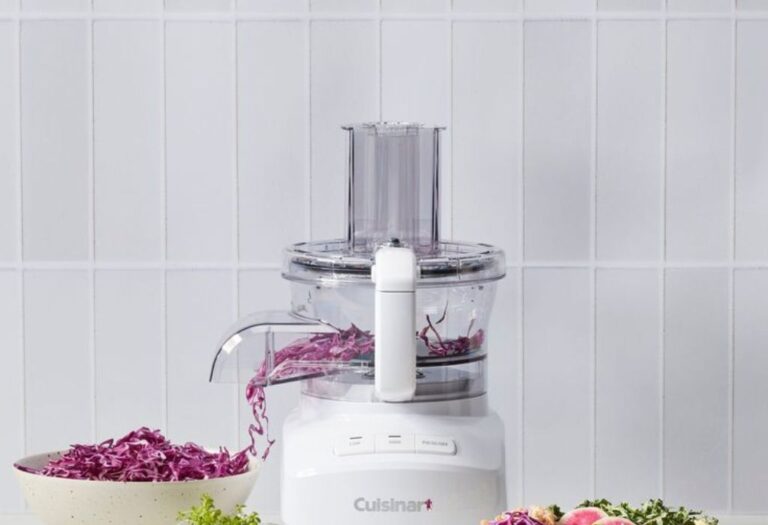
When someone starts cooking more at home, one of the first appliances they think about buying is a food processor. It saves time, simplifies meal prep, and handles chopping, slicing, shredding, mixing, and kneading with incredible speed.
But before buying one, most people ask a simple question that has many different answers: how much does a food processor actually cost?
Prices vary widely depending on brand, motor power, bowl capacity, blade options, and extra features. Understanding these differences helps you choose the right model for your kitchen without overspending.
Some food processors cost as little as twenty dollars, while others go well above three hundred. The inexpensive models are suitable for small tasks like chopping herbs or slicing a few vegetables.
More powerful models handle heavier jobs such as shredding cheese, mixing dough, or preparing large meal prep batches. Knowing what you plan to use the machine for determines how much you really need to spend.
This guide will break down each price range and help you understand what features come with each cost level.
Buying a food processor is an investment that affects your daily cooking. A cheaper machine might perform basic tasks, but it may not survive long term use. A more expensive one may offer strength, reliability, and more attachments, but it might be beyond what some people need.
Understanding the pricing helps you find the right balance between performance and cost. Once you learn what each price range includes, choosing becomes easy and stress free.
This article explains everything: from mini processors to premium machines, from casual use to heavy duty performance. It also shows how prices compare across popular brands. By the end, you will know exactly how much to expect and which price range fits your cooking needs best.
Price Range for Small and Mini Food Processors
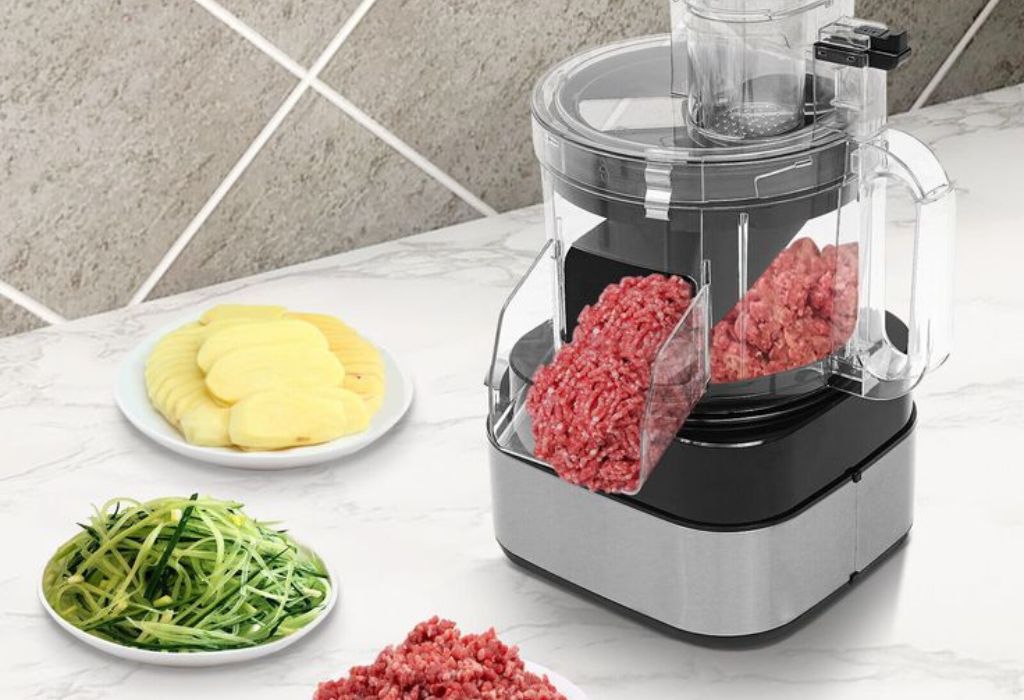
Small and mini food processors are the most affordable options on the market. These models usually cost between twenty and sixty dollars. They are designed for light kitchen tasks rather than heavy meal prep.
Mini processors usually come with bowl sizes ranging from one to four cups. This makes them ideal for chopping herbs, nuts, garlic, and small batches of vegetables. They are compact and easy to store in any kitchen.
Their motors are less powerful compared to full size machines. Most mini processors have motors ranging from one hundred to two hundred watts. This power level limits them to soft or moderately firm ingredients.
These models typically have only one or two speed settings. Simple controls make them easy to use, but they offer less precision for texture control. The small size reduces their versatility for larger recipes.
Mini processors do not come with slicing or shredding discs. They rely solely on an S blade for chopping and mixing. This means they cannot replace a full size food processor for advanced tasks.
They are best suited for beginners or occasional cooks. People who prepare small meals or light recipes find these machines convenient. They offer a budget friendly way to explore food processing.
Small processors are reliable for basic tasks but not for heavy duty work. They help with quick prep jobs but fall short for large families. Choosing one depends on your cooking routine.
Mid Range Food Processors and Their Average Cost
Mid range food processors are the most popular choice for home kitchens. These models usually cost between eighty and one hundred fifty dollars. They offer a balance between power, capacity, and features.
Most mid range units come with bowl sizes ranging from seven to ten cups. This capacity makes them suitable for families and regular meal prep. They can handle larger batches without struggling.
The motors in this price range are noticeably stronger. Power levels usually fall between four hundred and seven hundred watts. This strength allows them to chop, shred, slice, and puree more consistently.
Mid range processors often include multiple attachments. Common accessories include slicing discs, shredding discs, dough blades, and multipurpose blades. These additions expand the machine’s versatility.
Speed control improves significantly in this category. Models may offer two or three speed settings along with a pulse function. This helps create more controlled results when chopping delicate ingredients.
These machines are typically built with stronger plastics and better construction. Their durability makes them more reliable for frequent use. They last longer than entry level models when maintained properly.
Mid range food processors fit the needs of most households. They provide enough power for tough ingredients without costing too much. This makes them a smart investment for everyday cooking.
High End Food Processors and Premium Price Range
High end food processors are designed for heavy duty performance and advanced cooking needs. These models generally cost between two hundred and five hundred dollars. Their higher price comes from superior motors, premium materials, and extra features.
Most premium food processors come with twelve to sixteen cup bowls. This large capacity allows you to handle big batches for family meals or parties. They are ideal for people who cook regularly or in large quantities.
The motors in this category are extremely powerful. Many models use one thousand watts or more. This power level handles dough, hard vegetables, cheese blocks, and thick mixtures effortlessly.
Premium processors include a wide range of attachments. These may include adjustable slicing discs, fine and coarse grating discs, dicing kits, citrus juicers, and specialty blades. These features expand the machine’s capabilities far beyond basic prep.
The build quality in premium models is noticeably higher. They use strong, durable plastics and metal components. This makes them stable during heavy processing.
Many high end processors also include noise reduction technology. Quieter motors make the machine more comfortable to use for long periods. This adds to the overall premium experience.
Digital controls and precise speed adjustments are common in this price range. These features improve accuracy for professional style results. People who want maximum performance appreciate these advanced controls.
High end processors are perfect for serious home cooks or professionals. They offer unmatched power, reliability, and versatility. Investing in one ensures excellent long term performance.
Factors That Affect the Price of a Food Processor
Several important factors determine how much a food processor costs. The first and most influential factor is motor power. Stronger motors cost more because they handle dense foods and heavy tasks reliably.
Bowl capacity also affects the price. Larger bowls require stronger motors and more durable materials. This increases manufacturing costs and raises the final price.
Another major factor is the variety of attachments included. Machines with slicing discs, shredding discs, dough blades, and dicing kits cost more than simple models. More accessories always mean more versatility and higher pricing.
Build quality plays a significant role in cost differences. Premium brands use thicker plastics, metal housings, and reinforced components. These materials last longer but increase the overall price.
Brand reputation can influence pricing as well. Established brands like Cuisinart, Breville, and KitchenAid charge more due to proven reliability. Their products often come with better warranties and customer support.
Additional features raise the cost of a food processor. These include adjustable slicing thickness, noise control systems, LED controls, and multiple speed levels. More advanced features usually mean a more expensive machine.
Even aesthetics can impact the price. Sleek designs, stainless steel finishes, and modern styling add to the cost. Some consumers pay extra for appliances that match their kitchen decor.
Understanding these factors helps explain why food processors vary so widely in price. Each feature adds value depending on your cooking needs. This knowledge makes it easier to choose the right model for your budget.
Does motor power increase the cost the most?
Yes, stronger motors significantly raise the price because they handle tougher tasks.
Do more attachments make a food processor expensive?
Yes, machines with several discs and blades cost more due to added functionality.
Are larger bowls more expensive?
Usually, because large capacity requires stronger materials and more powerful motors.
Do premium brands always cost more?
Yes, well known brands charge more due to quality, durability, and warranty.
Are smart features worth the extra cost?
If you use them often, yes. They improve control and convenience.
Entry Level vs Mid Range vs High End: Which Offers Better Value
Entry level food processors are great for light tasks, but they are not built for heavy workloads. They often use smaller motors and fewer attachments. This makes them suitable for beginners or people who cook occasionally.
Mid range processors offer the best balance of cost and performance. They include stronger motors, larger bowls, and multiple blades. These features make them reliable for everyday cooking.
High end models deliver professional level performance and longevity. They come with premium materials, advanced cutting discs, and stronger motors. This makes them suitable for serious cooks or large families.
Entry level units lack durability for long term use. They may struggle with nuts, cheese, or dough. Users eventually upgrade as their cooking needs increase.
Mid range processors handle most kitchen tasks comfortably. They offer good versatility without costing too much. This price range suits the majority of home cooks.
High end processors stand out in consistency and power. They work fast, stay stable during heavy processing, and last for many years. These models provide the most value for frequent or advanced users.
Choosing the best value depends on your cooking habits. The more you cook, the more you benefit from mid range or premium options. Budget models serve simple needs but have limitations.
How Brand Reputation Influences Food Processor Pricing
Brand reputation has a major impact on how much a food processor costs. Well known brands invest heavily in research, build quality, and long term durability. Their machines usually perform better under daily use.
Premium brands often use higher grade materials. They choose thicker plastics, sharper blades, and stronger motors. These improvements naturally increase production costs.
Reputable brands also offer better warranties. Longer warranties add value because they cover repairs or replacements. This provides peace of mind for the buyer.
Customer service quality varies between brands. Established companies generally offer faster support and easier access to replacement parts. This enhances the overall ownership experience.
Brand reputation also affects resale value. Popular brands maintain higher resale prices because buyers trust them. This makes them a safer long term investment.
Some brands specialize in certain features. For example, Breville is known for precision, Cuisinart for reliability, and KitchenAid for build quality. These specialties influence price differences.
Budget brands offer cheaper alternatives, but they may compromise on performance. Their motors wear out faster and attachments may be less durable. This often reduces long term value.
Do premium brands last longer?
Yes, high quality materials and motors give them longer life.
Are expensive brands worth the extra money?
Often yes, especially if you cook frequently.
Do well known brands give better warranties?
Yes, they usually offer longer and more reliable warranties.
Is it safe to buy cheaper brands?
Yes, but expect lower durability and performance.
Do brand names affect the processing quality?
Yes, top brands offer stronger motors and sharper blades.
Popular Food Processor Brands and Their Typical Price Ranges
Several well known brands dominate the food processor market, each offering different price tiers. Cuisinart is one of the most popular options, with prices ranging from sixty to four hundred dollars. Their models cover mini processors, mid range units, and professional grade machines.
KitchenAid also offers a wide range of food processors. Their smaller models begin around fifty dollars, while premium versions can reach three hundred dollars or more. KitchenAid is known for strong build quality and stylish designs.
Breville focuses on higher end models with advanced features. Their food processors typically cost between two hundred and five hundred dollars. These machines offer precise slicing, powerful motors, and premium construction.
Hamilton Beach is one of the most budget friendly brands. Their processors range from twenty to one hundred dollars. They are ideal for light tasks but may not last as long as premium models.
Ninja and Oster also offer mid range models. Ninja processors typically cost seventy to one hundred fifty dollars. Oster provides affordable options under one hundred dollars.
Magimix is a European premium brand known for durability. Their processors often cost between three hundred and six hundred dollars. These machines are designed for professional level performance.
Each brand targets a different type of cook. Budget brands appeal to occasional users, while premium brands cater to serious home chefs. Comparing multiple brands helps buyers choose based on needs and budget.
Additional Features That Increase the Cost of a Food Processor
Many modern food processors include special features that raise their price. One common feature is adjustable slicing thickness. Machines with adjustable discs allow users to control slice size more precisely.
Another premium feature is noise reduction technology. Quieter motors add comfort during long food prep sessions. This technology requires advanced engineering, increasing overall cost.
Some models have multiple feeding chute sizes. Larger chutes let you insert whole vegetables, while smaller ones help with precision. These multi chute systems increase production complexity.
LED or touch control panels also raise prices. Digital interfaces offer better accuracy and ease of use. They are more expensive to manufacture compared to simple mechanical buttons.
High end processors may include specialized blades. These blades handle tasks like dicing or kneading dough more efficiently. Extra accessories add significant value but also increase cost.
Storage cases for blades and discs are often included in premium models. These cases help keep attachments organized and protected. Better organization enhances user convenience.
Advanced safety features also add cost. Systems that prevent the machine from running unless properly locked improve user protection. Safety mechanisms make the processor safer but more expensive.
Do adjustable slicing discs increase price?
Yes, because they offer more precision and require complex design.
Are digital controls more expensive than manual ones?
Yes, digital panels cost more to produce and install.
Do extra blades raise the total cost?
Definitely, more attachments always increase manufacturing cost.
Is noise reduction worth paying extra for?
If you use the processor often, quieter operation is a big benefit.
Are multi chute designs more expensive?
Yes, they add convenience but also complexity.
How to Choose the Right Food Processor for Your Budget
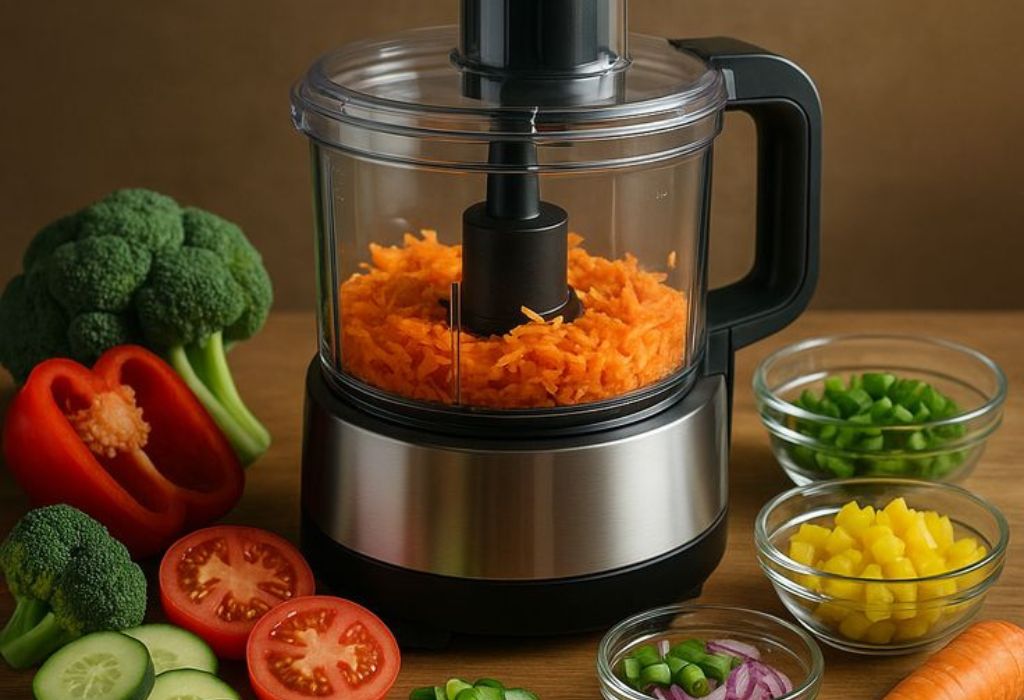
Choosing the right food processor begins with deciding how often you cook. Frequent cooks need stronger motors and larger bowls. Occasional cooks can choose lighter, more affordable models.
Your meal prep style also matters. If you chop vegetables daily or shred cheese often, mid range models offer better value. If you only need small batches, a mini processor is enough.
Consider which attachments you will actually use. Some people never use dicing kits or specialized blades. Avoid paying extra for features you will not need.
Think about your kitchen space before buying. Larger processors require countertop room and storage for attachments. Smaller options work better in compact kitchens.
Evaluate how much noise you can tolerate. High wattage models are usually louder. Some premium processors include quiet motor technology.
Check the warranty before choosing. Longer warranties indicate better build quality and brand confidence. Cheaper machines may offer limited coverage.
Set a realistic budget based on your cooking requirements. The right food processor is the one that matches your needs without unnecessary features. Smart budgeting ensures long lasting satisfaction.
Should beginners buy a cheap or mid range processor?
Mid range models offer better performance and are worth the investment.
Is bowl size more important than motor power?
Both matter, but motor power affects performance more.
Do I need dicing attachments?
Only if you frequently prepare large batches or salads.
Is a 7 cup processor enough for a family?
Yes, for most tasks. But heavy cooking may need 10 cups or more.
Can a budget processor handle cheese and nuts?
Lightly, but frequent use requires stronger motors.
Conclusion
Food processor prices vary widely depending on size, power, features, and brand reputation. Understanding these differences helps you choose a model that fits your cooking habits and budget without paying for features you will never use.
Whether you pick a small processor for simple tasks or a premium machine for heavy duty cooking, the right choice depends entirely on your kitchen needs.
Entry level models offer affordability and convenience, making them ideal for beginners or occasional cooks. Mid range processors provide the best balance of price and performance, handling most daily tasks with ease.
High end processors offer unmatched durability, power, and versatility for users who cook frequently or handle large meal prep sessions.
Comparing brands, features, wattage, and bowl sizes ensures you make a smart purchase. The goal is not to buy the most expensive machine but to find one that delivers consistent results. When you understand what influences price, choosing becomes simple and confidence filled.
A well chosen food processor saves time, improves efficiency, and enhances your cooking experience for years.
Buying the right one turns meal preparation from a struggle into an enjoyable part of your kitchen routine. With the right information, you can confidently choose the best model for your home.

I’m Emma J. Caldwell, the founder, lead writer, and home-cooking enthusiast behind KitchenGuideCo.com. With a background in culinary arts and over a decade of cooking experience in both professional and personal kitchens, I created this platform to demystify recipes, offer smart kitchen gadget reviews, and guide readers through meal prep with confidence and clarity.