Chopping onions is one of the most time consuming and tear inducing kitchen tasks, which is why many home cooks turn to a food processor for help.
While a food processor can chop onions in seconds, using it the wrong way can turn onions mushy, watery, or uneven. Understanding the correct method ensures consistent results every time.
A food processor uses a sharp S blade and pulsing action to break onions into small, evenly sized pieces. The machine’s power makes onion prep faster and cleaner compared to manual chopping. This helps save time, especially when preparing large meals or multiple dishes.
Many people struggle because they over process onions, letting the blade run too long. Onions release water quickly when overworked, turning into paste instead of diced pieces. Proper pulsing prevents this and keeps the texture firm.
Learning to prep onions correctly in a food processor also reduces kitchen tears. Less exposure to onion fumes means a more comfortable cooking experience. With the right steps, you can chop onions quickly without irritation.
This guide explains every step of the process, from cutting the onion into the right size to using the pulse button effectively. You’ll also learn how to choose the right blade and avoid common mistakes. With these tips, chopping onions becomes fast, simple, and mess free.
Why Use a Food Processor to Chop Onions
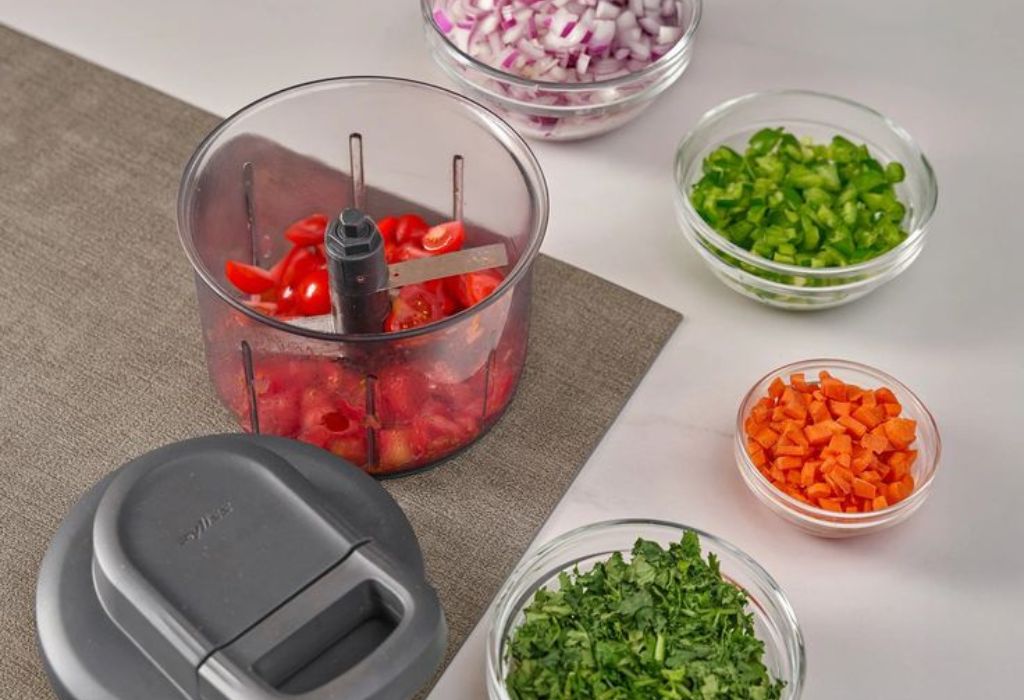
Using a food processor to chop onions saves significant time in the kitchen. The machine can complete the task in seconds compared to several minutes of manual chopping. This efficiency is especially helpful when cooking large meals.
A food processor offers more consistency than hand chopping. The S blade rotates evenly to produce uniform pieces. This improves the texture of dishes like soups, sauces, and stir fries.
Using a food processor also reduces exposure to onion fumes. The lid stays closed while chopping, limiting irritation. This makes the process more comfortable and tear free.
The machine handles large volumes easily. You can chop several onions at once without fatigue. This makes meal prepping faster and more convenient.
Food processors are ideal for people with limited knife skills. The machine does the work, eliminating the need for perfect knife technique. This leads to safer and more confident cooking.
Chopping onions in a processor also minimizes mess. Pieces stay inside the bowl, unlike manual chopping which scatters scraps. This reduces cleanup time.
Using a food processor delivers speed, comfort, and precision. These advantages make it an excellent tool for onion prep. With proper technique, results are consistently good.
Prepping Onions the Right Way Before Processing
Proper prep ensures onions chop evenly in the food processor. Start by removing the onion skin and trimming the ends. This creates smooth surfaces that blend evenly.
Cut the onion into halves or quarters depending on its size. Smaller pieces help the processor chop uniformly. Large chunks may lead to uneven results.
Remove any tough outer layers that feel rubbery. These layers often resist chopping and cause inconsistent pieces. Discarding them improves texture.
Avoid adding whole onions directly into the processor. Whole onions bounce around and do not chop correctly. Pre cutting ensures the blades engage properly.
Keep pieces roughly the same size before adding them. Consistent sizing leads to predictable chopping results. This also prevents some pieces from becoming mushy.
Make sure onions are dry before placing them into the bowl. Excess water increases mushiness during processing. Dry onions maintain firmer texture.
Proper preparation sets the foundation for ideal chopping. Doing these steps ensures smooth processing and even pieces. This makes the rest of the process more reliable.
Choosing the Right Blade for Chopping Onions
The standard S blade is ideal for chopping onions in a food processor. Its sharp edges cut quickly and evenly through onion layers. This blade works best for small, consistent pieces.
Other blades like slicing discs should not be used for chopping. Slicing discs produce long, thin strips rather than chopped pieces. They are designed for a completely different texture.
The dough blade is also not suitable for onion chopping. It is blunt and created for kneading rather than cutting. Using it leads to uneven and crushed pieces.
The multipurpose S blade works because it combines sharpness with controlled movement. It handles delicate onion layers without shredding them. This creates clean, well shaped cuts.
Always ensure the blade is securely locked before starting. A loose blade may cause uneven chopping or safety issues. Proper attachment helps achieve better results.
Sharp blades work best and require less processing time. Dull blades crush onion layers and create excess liquid. Keeping the blade sharp improves performance.
Choosing the correct blade is essential for texture control. The S blade delivers the best onion chopping results every time. This makes it the most reliable option.
How to Pulse Onions for Perfect Texture
Pulsing is the key to chopping onions correctly. Short bursts allow you to control the chop size without over processing. This prevents onions from turning mushy.
Start by giving two or three quick pulses. Check the consistency after each round. This helps you stop at the exact moment the pieces reach the right size.
Avoid holding the button continuously. Continuous processing liquefies onions quickly. The blade’s speed generates heat and breaks down onion fibers too much.
Pulse in small intervals to maintain control. Each burst moves the onion pieces evenly through the blade. This produces consistent texture throughout.
If large pieces remain at the top, scrape them down gently. Redistributing pieces ensures everything chops evenly. This avoids overly large or overly small chunks.
Continue pulsing until onions reach your desired texture. Some recipes require fine pieces, while others need chunkier cuts. Pulsing gives you flexibility for any dish.
Pulsing is the most important technique to master for onion chopping. It gives precision and prevents mistakes. This keeps onions fresh, firm, and evenly sized.
Avoiding Common Mistakes When Using a Food Processor
One common mistake is overfilling the bowl. Too many onions prevent proper movement inside the processor. This leads to uneven chopping.
Another mistake is over processing the onions. Holding the button too long creates watery onion paste. Pulsing is necessary to avoid this problem.
People sometimes use the wrong blade, assuming any tool will work. Using slicing or dough blades produces poor results. Only the S blade creates proper chopped texture.
Adding wet onions also creates mushy pieces. Moisture breaks down onion layers faster during processing. Drying onions before chopping prevents this.
Some users forget to scrape the bowl between pulses. Large pieces can remain untouched near the edges. Scraping ensures everything gets chopped evenly.
Processing onions too early before cooking is also a mistake. Chopped onions release water quickly and lose freshness. It is best to chop them just before use.
Avoiding these mistakes leads to better, more consistent onion results. Proper technique protects texture and flavor. This makes cooking easier and more enjoyable.
How to Get Even Onion Sizes in a Food Processor
Getting even onion pieces starts with cutting the onion into equal sized chunks before processing. When the pieces enter the bowl at similar sizes, they move through the blade evenly. This prevents some pieces from becoming too fine while others stay large.
Using the pulse button instead of continuous running gives you better control. Each pulse rotates the onion chunks into a new position. This helps the blade reach all pieces equally.
Avoid overloading the bowl because too many onions prevent proper circulation. A crowded bowl forces the onions to sit on top instead of moving around. This leads to an uneven chop.
Scraping down the sides of the bowl during processing keeps everything consistent. Large pieces often get stuck around the edges. Pulling them back toward the blade ensures uniform cutting.
Make sure the bowl is completely dry before adding onions. Moisture causes small pieces to stick to the sides and avoid the blade. A dry bowl encourages proper blade contact.
Pulse slowly and patiently rather than rushing through the process. Slow pulsing allows the onions to reposition between bursts. This produces the most even texture.
Practice improves your ability to judge when the chop is done. Checking frequently helps prevent mistakes. Over time, you will recognize the ideal consistency for every recipe.
How to Prevent Onions From Turning Bitter
Onions turn bitter when they are over processed in the food processor. Excessive chopping breaks too many cell walls inside the onion. This releases sulfur compounds that create an unpleasant taste.
Pulsing is the best way to prevent bitterness. Quick, controlled pulses keep the onion from overheating inside the bowl. This protects the natural sweetness of the onion.
Avoid letting the machine run continuously. Continuous processing creates friction that warms the onions. Heat brings out harsh, bitter flavors.
Do not chop onions too far in advance. Chopped onions oxidize quickly and develop bitterness over time. Using them fresh preserves the best flavor.
Choose fresh onions rather than old or sprouting ones. Older onions naturally contain more sulfur. This increases the chance of bitterness during chopping.
Dry the onion thoroughly before chopping. Water accelerates the breakdown of onion fibers and releases more sulfur. Dry onions hold their texture and flavor longer.
Keep processing time as short as possible. The quicker the chop, the better the taste. Clean, controlled cutting helps maintain sweetness.
Best Onion Types to Chop in a Food Processor
Yellow onions work best in a food processor because they hold their texture well. They chop evenly without becoming too soft. Their balanced flavor suits most dishes.
White onions are also suitable for food processing. They have a sharper taste and firmer structure. This helps them maintain shape during chopping.
Red onions can be processed but require gentle pulsing. Their cell walls break more easily and release more color. Over processing turns them watery quickly.
Sweet onions are softer than other varieties. They must be chopped in very short pulses to avoid becoming mushy. Their high moisture content makes them delicate.
Shallots should be processed carefully. Their thin layers break down fast in a food processor. A few pulses are often enough.
Green onions are not ideal for chopping in a processor. Their long, soft structure becomes stringy and uneven. Hand chopping works better for them.
Choosing the right onion variety helps achieve the perfect texture. Each type behaves differently under the blade. Understanding these differences improves results.
How to Clean the Food Processor After Chopping Onions
Cleaning the food processor immediately prevents onion odors from sticking. The longer onions sit inside, the stronger the smell becomes. Quick cleaning also protects the plastic from discoloration.
Start by rinsing the bowl and blade under cold water. Cold water tightens onion fibers and reduces odor release. This makes cleaning easier.
Use mild dish soap and warm water to clean the parts thoroughly. Warm water lifts oils and onion residue effectively. This removes stains and lingering smells.
Scrub the blade carefully with a soft brush. Onion bits often get stuck near the blade edges. Removing them prevents buildup over time.
To remove strong odors, soak the bowl in a vinegar and water mixture. Vinegar neutralizes onion smell naturally. A ten minute soak usually works well.
Dry each part fully before reassembling. Moisture trapped inside the processor creates odor and bacteria. A completely dry machine stays fresh longer.
Store the food processor with the lid slightly open. Airflow prevents smell from getting trapped inside. This keeps the machine clean and odor free.
How to Use Chopped Onions Without Losing Freshness
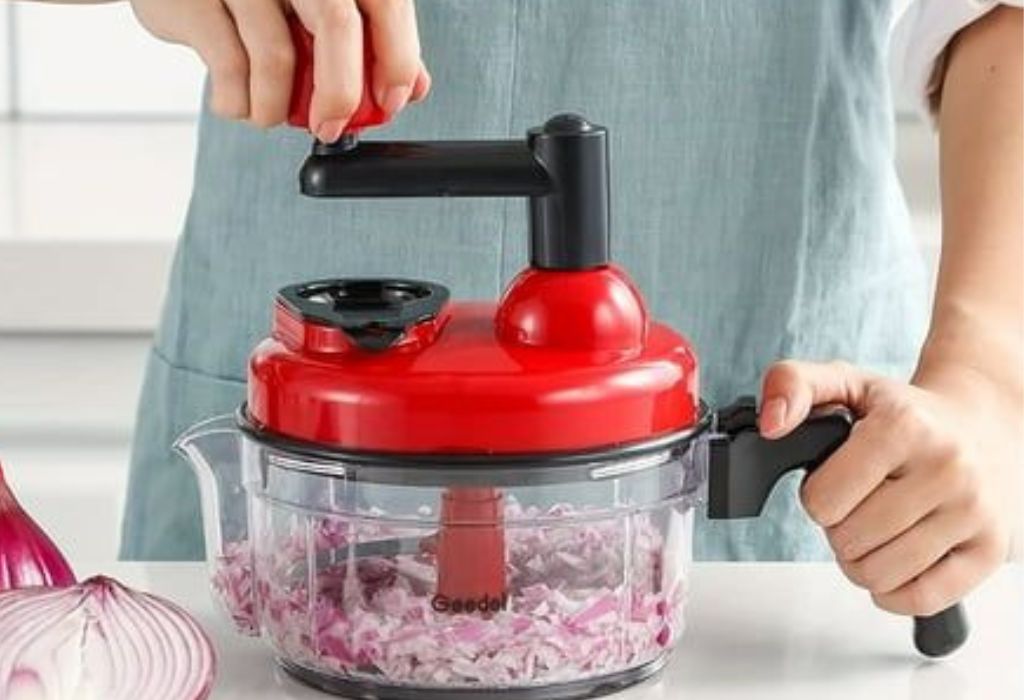
Chopped onions start to release moisture after processing. Using them quickly preserves their crisp texture. This ensures the best flavor and appearance.
If storing, place them in an airtight container. Excess oxygen causes onions to soften faster. A sealed container keeps them firm longer.
Refrigerate chopped onions immediately if not using them. Cold temperatures slow down moisture release. This preserves freshness for up to two days.
Adding a paper towel inside the container helps absorb extra moisture. This prevents onions from becoming soggy. It keeps texture better over time.
Do not freeze chopped onions unless using them for cooked dishes. Freezing changes their texture significantly. They become soft once thawed.
Use chopped onions quickly for raw recipes like salsa. Freshly chopped onions taste sharper and more vibrant. Older chopped onions lose bite.
Proper storage preserves onion quality. These steps extend their usable life. This helps maintain flavor for your recipes.
When Not to Use a Food Processor for Onions
Avoid using a food processor when you need finely diced onions for salads or raw toppings. The machine chops too fast for precise, small cubes. Hand chopping gives a cleaner appearance.
Do not use the processor when onions need to stay dry. Recipes like salsa or garnish become watery if onions are over processed. The machine releases too much moisture.
Avoid it when you need slow caramelization. Food processor chopped onions release water quickly. This prevents proper browning in the pan.
Do not process very small amounts. A tiny quantity of onions will not circulate properly. This leads to uneven chopping and mushy pieces.
Avoid using the processor when working with red onions for raw dishes. Their pigment spreads easily when processed too much. This affects color and flavor in the final dish.
Do not rely on it for recipes needing uniform small dice. The processor makes uneven pieces by nature. Knife work is better for presentation.
Knowing when not to use the food processor saves texture and flavor. Choosing the right method improves recipe results. Proper judgment makes cooking easier.
Important FAQs for Onion Prep and Texture Control
Can I chop onions too finely in a food processor?
Yes, over processing turns onions into mush. Pulsing prevents this issue. Always check frequently.
Do I need to cut onions before putting them in the processor?
Yes, cut them into halves or quarters. Large pieces chop more evenly. Whole onions do not process well.
Why do onions get watery in the food processor?
They become watery when over processed. Continuous running breaks down fibers. Pulsing prevents this.
Which blade should I use for chopping?
Use the standard S blade. It is designed for chopping and general processing. Other blades create slices or dough mixing.
Can I chop multiple onions at once?
Yes, but do not overfill the bowl. Leave space for movement. Processing too many causes uneven chopping.
How long should I pulse onions?
Pulse in one second bursts. Check texture after every two or three pulses. Stop when pieces look even.
Can I chop onions for freezing?
Yes, but only if using them for cooked dishes. Freezing changes texture. Thawed onions become soft.
Do food processors make chopping onions less tearful?
Yes, because the onion stays enclosed. Fumes are released inside the machine. This reduces irritation.
Should onions be dry before processing?
Yes, dry onions chop better. Wet onions become mushy faster. Moisture disrupts texture.
Why do chopped onions smell stronger?
Cut onions release sulfur compounds quickly. Smaller pieces release more aroma. Store them tightly sealed.
Conclusion
Chopping onions in a food processor makes meal prep faster, easier, and more comfortable. With the right technique, you can achieve evenly sized pieces without the tears and effort of hand chopping. Pulsing, blade selection, and proper preparation are the keys to perfect results.
Using the correct blade and avoiding over processing keeps onions firm instead of mushy. Understanding how onions behave during chopping helps you maintain ideal texture. These steps improve your cooking efficiency and produce better dishes.
Whether preparing soups, sauces, stir fries, or meal prep batches, a food processor saves time and delivers consistent performance. Proper storage also helps preserve freshness for later use. With the right approach, chopping onions becomes a simple, reliable kitchen task.
Learning these techniques makes your food processor an even more valuable tool. With practice, you’ll achieve perfect onions quickly and effortlessly. This improves both your workflow and the quality of every meal you prepare.

I’m Emma J. Caldwell, the founder, lead writer, and home-cooking enthusiast behind KitchenGuideCo.com. With a background in culinary arts and over a decade of cooking experience in both professional and personal kitchens, I created this platform to demystify recipes, offer smart kitchen gadget reviews, and guide readers through meal prep with confidence and clarity.