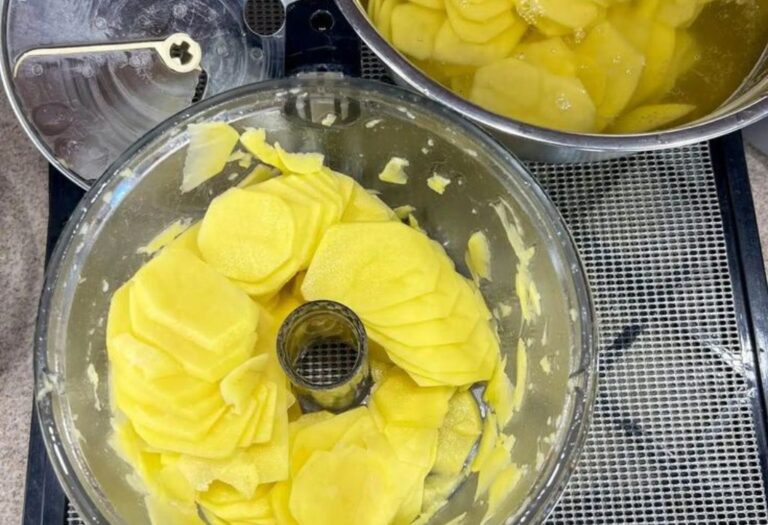
Many people wonder whether a food processor can chop vegetables properly, especially when preparing meals quickly.
The idea of tossing vegetables into a machine and getting evenly chopped pieces sounds incredibly convenient. Learning how a food processor handles vegetables helps you use it efficiently in your kitchen.
Food processors use sharp blades and strong motors to chop vegetables in seconds. They work much faster than knives and provide consistent results when used correctly.
Understanding how the blades cut and how the machine processes the texture makes chopping easier.
Different vegetables respond differently inside a food processor. Hard vegetables like carrots chop differently than soft ones like tomatoes. Knowing how each vegetable behaves helps you adjust technique for perfect results.
Food processors also reduce prep time significantly. Instead of spending long minutes chopping by hand, you can finish the task in just a few seconds. This improvement makes cooking easier for beginners and professionals.
Before using a food processor, it is important to prepare vegetables correctly. Cutting them into manageable pieces helps the blades chop more evenly. Preparation improves texture and reduces mistakes.
This guide explains everything about using a food processor to chop vegetables. You will learn how it works, which blades to use, how to prepare vegetables and the best methods for consistent chopping. With proper technique, your food processor becomes an essential kitchen tool.
How a Food Processor Chops Vegetables
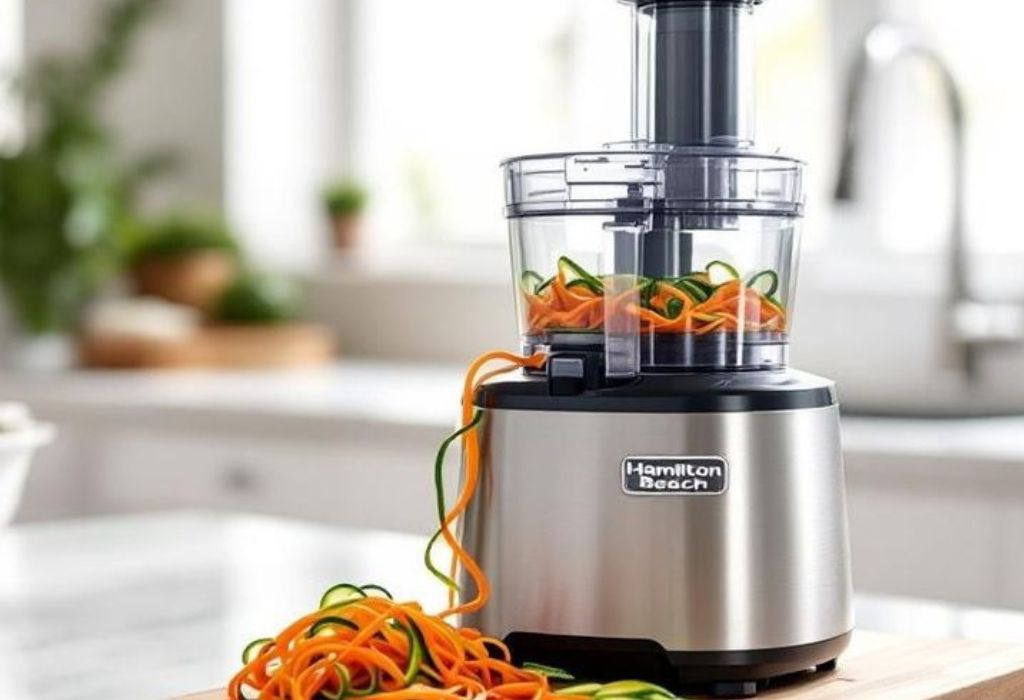
A food processor uses a sharp S blade that spins at high speed to chop vegetables quickly. The blade cuts repeatedly as the vegetables move around the bowl. This creates small, even pieces in very little time.
The motor powers the blade consistently. Strong motors handle hard vegetables like carrots without slowing down. This consistent power improves chopping quality.
Chopping depends on pulse control. Short pulses allow you to control size and prevent over processing. Using long pulses often turns vegetables too fine.
Vegetable size affects the chopping action. Large chunks bounce unevenly and reduce precision. Small, evenly cut pieces improve results significantly.
The blade design shapes the final texture. Curved blades lift vegetables while chopping, creating even distribution. Straight blades can produce more coarse cuts.
Food processors chop vegetables by mixing speed, blade angle and bowl movement. This combination creates fast and efficient chopping. Learning how the mechanics work helps you use the machine correctly.
Understanding the internal action helps prevent mistakes. Once you master pulse timing and prep technique, the machine becomes incredibly effective. This knowledge leads to consistent chopping every time.
Which Blades Work Best for Chopping Vegetables
The standard S blade is the primary blade used for chopping vegetables. This blade comes with almost all food processors and handles most vegetables easily. It produces quick and uniform chopping.
Different blades produce different textures. A slicing blade does not chop but cuts vegetables into thin slices. A shredding blade grates vegetables into long strips.
The S blade is ideal for everyday chopping tasks. It works equally well for onions, carrots, peppers and celery. Its shape allows vegetables to move freely during processing.
Metal blades stay sharp for long periods. Sharp blades reduce effort and create cleaner cuts. Dull blades crush vegetables instead of chopping them.
Plastic blades are not suitable for chopping. These are meant for dough mixing and do not cut efficiently. Always choose metal blades for chopping tasks.
Some processors include specialty blades. These blades may provide more control for delicate vegetables or produce specific shapes. Choosing the right blade depends on desired results.
Understanding blade options helps you get perfect vegetable cuts. Using the correct blade ensures consistent texture and reduces processing time. This makes your food processor far more effective.
Preparing Vegetables Before Chopping
Preparation is essential for proper chopping in a food processor. Large vegetables must be cut into smaller chunks before processing. This ensures even movement inside the bowl.
Removing skins or seeds may improve results. Thick peels can affect texture and cause uneven chopping. Seeds may interfere with blade motion.
Hard vegetables require extra care. Cutting carrots or potatoes into smaller pieces reduces strain on the motor. Uniform pieces improve processing efficiency.
Soft vegetables also need attention. Tomatoes and zucchini should be drained slightly to reduce moisture. Excess water causes mushy results.
Cleaning vegetables thoroughly prevents contamination. Dirt or residue affects overall quality. Clean vegetables chop more smoothly and taste better.
Some vegetables benefit from patting dry. Dry surfaces improve blade grip and prevent slippery textures. This helps create consistent chopping results.
Preparing vegetables correctly makes chopping easier and more predictable. Proper preparation prevents clogging, uneven cuts and motor strain. These simple steps greatly improve final results.
How to Chop Vegetables Properly in a Food Processor
Chopping vegetables properly requires using the pulse function. Short bursts of power prevent over processing. This allows you to control size accurately.
Fill the processor bowl only halfway. Overfilling reduces movement and leads to uneven chopping. Proper space helps vegetables move freely.
Use the S blade for most vegetables. This blade cuts evenly and works for both soft and hard types. It provides the best chopping action.
Pulse several times and check texture. Each pulse breaks vegetables into smaller pieces. Checking often avoids mushy results.
If vegetables stick to the sides, stop and scrape the bowl. This redistributes the vegetables and ensures even processing. Overlooking this step can leave large chunks.
Avoid continuous running for chopping tasks. Continuous running creates puree instead of chopped vegetables. Pulsing is the key to proper chopping.
Proper chopping technique improves consistency. When done correctly, you get perfect vegetable pieces for salads, soups and cooking. This makes meal preparation quicker and more enjoyable.
Vegetables That Chop Best in a Food Processor
Many vegetables chop easily in a food processor. Carrots, onions and celery process quickly and evenly. Their firm texture helps create clean cuts.
Peppers, cucumbers and zucchini also chop well. Their softer flesh requires careful pulsing to avoid mush. Short pulses produce perfect pieces.
Cabbage and leafy greens chop efficiently when packed lightly. Overpacking causes uneven results. Proper spacing helps create uniform textures.
Hard vegetables like potatoes require small chunks. Their density needs more blade contact. Even pieces ensure better chopping.
Soft vegetables like tomatoes need gentle handling. Too much pulsing turns them into sauce. Controlled pulses preserve structure.
Herbs chop beautifully in food processors. Parsley, cilantro and dill break down quickly. Light pulsing prevents bruising.
Understanding which vegetables process well helps you plan meals effectively. Choosing the right method creates the perfect texture. This improves flavor and presentation.
Vegetables That Do Not Chop Well in a Food Processor
Some vegetables do not chop well due to texture. Very soft vegetables such as ripe tomatoes often become mush. Their water content makes precise chopping difficult.
Leafy greens can create issues when overfilled. They clump together along the bowl edges. Multiple pulses and bowl scraping are required.
Starchy vegetables sometimes fall apart. Over processing causes them to release starch and stick together. This affects texture negatively.
Very dense vegetables challenge the motor. Large pieces may cause uneven chopping or system strain. Cutting them smaller helps improve results.
Moist vegetables cause pooling inside the bowl. Excess liquid interferes with chopping action. Draining vegetables beforehand solves this problem.
Vegetables with long fibers create stringy textures. These fibers wrap around the blade and reduce efficiency. Cutting into short sections helps reduce this issue.
Knowing which vegetables are difficult to chop helps prevent mistakes. Adjusting technique gives better results. This ensures smooth and efficient food preparation.
How to Control Chop Size and Texture
Controlling chop size requires proper pulse timing. Short pulses create larger chunks. Longer pulses reduce size gradually.
Blade speed influences texture. Higher speeds chop faster but risk over processing. Lower speeds allow better control.
Vegetable load affects the chop. A small batch produces finer cuts. Larger batches result in coarser pieces.
Checking texture during processing is essential. Stopping frequently helps prevent mistakes. This step protects against mushy vegetables.
Scraping the bowl improves uniformity. Ingredients often stick to the sides. Stirring between pulses keeps the texture even.
Chop size changes depending on recipe. Soups need smaller pieces while salads need larger ones. Adjusting pulses tailors the vegetables to the dish.
Mastering texture control makes your food processor more effective. With practice, you achieve perfect results quickly. This skill elevates meal preparation easily.
Common Mistakes When Chopping Vegetables in a Processor
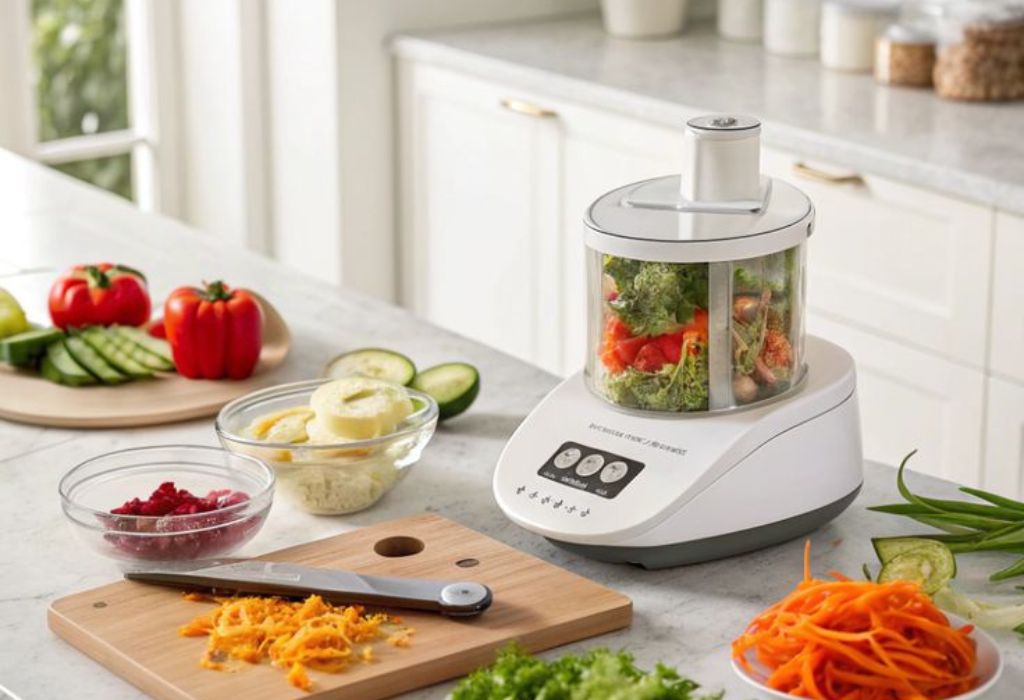
One common mistake is overfilling the bowl. Too many vegetables limit blade movement. This results in uneven chopping.
Using continuous running instead of pulsing is another mistake. Continuous running puree vegetables. Pulsing helps maintain structure.
Cutting vegetables too large creates problems. Oversized chunks bounce unpredictably. Smaller cuts improve control.
Ignoring bowl scraping reduces consistency. Vegetables often stick to the edges. Pausing to scrape ensures uniform chopping.
Using dull blades leads to poor results. Dull blades crush instead of chop. Sharp blades maintain texture and quality.
Processing watery vegetables incorrectly creates mush. Too much moisture affects the chopping action. Drying vegetables helps prevent this issue.
Avoiding these mistakes improves chopping quality dramatically. Careful technique ensures better results. This makes your food processor more reliable.
How to Use Chopped Vegetables in Cooking
Chopped vegetables work well in soups and stews. Their small size helps them cook faster. This improves blending of flavors.
Salads benefit from evenly chopped vegetables. Consistency enhances presentation and taste. Uniform size improves texture.
Stir fry dishes require precise cuts. Small, even pieces cook quickly. This keeps vegetables crisp and flavorful.
Chopped vegetables enhance sauces. Finely chopped onions and peppers create smooth bases. Proper texture improves sauce quality.
Casseroles also use chopped vegetables effectively. Their size helps distribute flavor throughout the dish. Even distribution improves cooking.
Roasted dishes work well with chopped vegetables. Even cuts allow uniform browning. This creates perfect texture balance.
Chopped vegetables provide versatility in cooking. They blend easily into many dishes. This makes meal preparation simple and efficient.
Frequently Asked Questions About Chopping Vegetables in a Food Processor
Can a food processor chop vegetables evenly?
Yes, a food processor can chop vegetables evenly when you use the pulse function correctly. Proper preparation and bowl scraping help maintain consistency. Even cuts are easier when vegetables are cut into similar sized pieces before processing.
Why do my vegetables turn mushy in a food processor?
Vegetables become mushy when processed too long or at continuous speed. Excess moisture also contributes to soft results. Using short pulses helps preserve texture.
Can a food processor chop onions without turning them into paste?
Yes, onions chop very well with short pulses. Overprocessing turns them watery and mushy. Quick pulse control creates clean and even onion pieces.
Do I need to cut vegetables before putting them in the processor?
Yes, cutting vegetables into medium pieces improves movement and reduces motor strain. Smaller pieces chop more evenly. Large chunks bounce and cause uneven cuts.
Can a food processor chop hard vegetables like carrots?
Yes, food processors handle hard vegetables easily. The S blade cuts dense vegetables quickly with strong motor support. Cutting carrots into smaller chunks enhances uniformity.
Why do some vegetables stick to the sides of the bowl?
Vegetables stick when moisture or lightweight pieces cling to the bowl walls. Stopping to scrape the sides ensures even chopping. This simple step greatly improves texture.
Is pulsing better than continuous processing for chopping?
Yes, pulsing gives you more control over chop size. Continuous running often turns vegetables too fine. Short bursts help maintain the desired texture.
Can I chop leafy greens in a food processor?
Yes, but leafy greens must be used in small batches. Overpacking causes uneven cuts. Light pulsing keeps greens fluffy instead of shredded too finely.
Why does my food processor struggle with dense vegetables?
Dense vegetables require smaller starting pieces and slow pulsing. Large or tough chunks can strain the motor. Proper preparation improves performance.
Can I use a food processor to chop vegetables for salads?
Yes, a food processor works well for salad vegetables. Using short pulses creates uniform pieces that improve salad texture. Proper technique ensures clean and attractive cuts.
Conclusion
A food processor can chop vegetables very effectively when used correctly. Proper preparation, blade selection and pulse control create perfect results every time. These techniques help you achieve consistent texture and quick prep work.
Understanding how different vegetables behave improves efficiency. Hard vegetables need small chunks, and soft vegetables need gentle pulsing. Matching technique to the vegetable ensures better results.
With practice, a food processor becomes one of the best tools for chopping vegetables. It saves time, improves accuracy and enhances meal preparation. This makes cooking faster, easier and more enjoyable.

I’m Emma J. Caldwell, the founder, lead writer, and home-cooking enthusiast behind KitchenGuideCo.com. With a background in culinary arts and over a decade of cooking experience in both professional and personal kitchens, I created this platform to demystify recipes, offer smart kitchen gadget reviews, and guide readers through meal prep with confidence and clarity.