Food processors are powerful kitchen tools that help people chop, slice, shred and puree ingredients in a fraction of the time it takes to do the same work by hand.
Although many home cooks use them every day, few truly understand how the machine works inside. Learning how each part functions makes the food processor easier, safer and more efficient to use.
A food processor relies on strong motors, sharp blades and strategic bowl design to break down food quickly.
Once the motor activates, the blades spin at high speed and cut through ingredients with impressive precision. This coordinated action creates consistent results within seconds.
Different foods behave differently inside a food processor. Hard vegetables resist movement, while soft fruits collapse more easily. Understanding how the machine interacts with various textures helps users choose the right blade and speed.
Most food processors come with multiple attachments. Each attachment performs a different task, such as slicing or shredding. Using the correct attachment ensures cleaner results and prevents damage to the machine.
Before using a food processor, it helps to understand how its parts work together. The bowl, lid, motor base and feed tube all contribute to safe and effective operation. These components ensure that food moves smoothly without slipping or clogging.
This guide explains how food processors work, how their components interact and why they are able to handle such a wide range of kitchen tasks.
By understanding these details, you will use your processor more confidently. Knowledge makes the machine far more effective for daily cooking.
What a Food Processor Is and Why It Is Useful
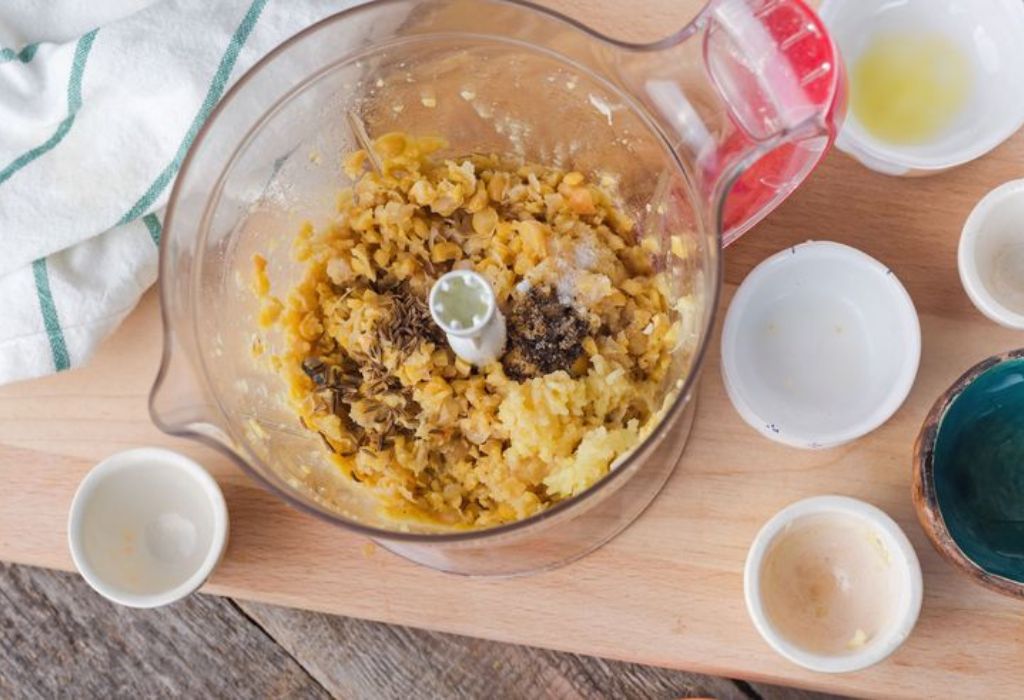
A food processor is a multifunctional kitchen appliance designed to chop, slice, shred, puree and mix ingredients quickly.
It works much faster than manual chopping and creates uniform results with minimal effort. This efficiency makes it a favorite tool in home and professional kitchens.
The tool is especially useful for repetitive or time consuming tasks. Chopping large batches of vegetables or shredding cheese becomes effortless with a processor. Tasks that once required long prep time become simple and quick.
Food processors provide consistent results. Every chopped piece comes out nearly the same size, which improves cooking uniformity. This consistency helps dishes cook evenly and prevents overcooking or undercooking.
Because food processors are versatile, they replace multiple kitchen tools. Instead of using separate graters, knives or blenders, the machine handles all these tasks. This saves both time and storage space.
The machine’s ability to handle different textures increases its usefulness. It processes hard foods like nuts and carrots while also handling soft foods like fruit and herbs. This flexibility makes it ideal for many recipes.
Food processors also reduce physical effort. Tasks that require strong arm work, such as kneading or shredding, become effortless. This helps users with limited mobility work more comfortably.
Understanding why a food processor is useful helps you appreciate its design. The machine’s speed, consistency and versatility make it a powerful addition to any kitchen. These benefits explain why food processors are popular worldwide.
Main Components of a Food Processor Explained
A food processor has several key components that work together to process food efficiently. Each part plays a specific role in the chopping, mixing or slicing process. Understanding these parts helps you use the machine correctly.
The motor base is the most important component. It provides the power needed to spin the blades. Strong motors handle tough foods better and improve overall performance.
The work bowl holds the ingredients being processed. Different processors come with different bowl sizes depending on their capacity. The bowl locks into the base to ensure safe operation.
The lid covers the bowl and prevents food from escaping during processing. Most lids include safety locks that prevent the machine from running unless the lid is secured properly. This feature keeps operation safe for users.
The feed tube allows you to add ingredients while the machine is running. It also guides food safely toward the blades during slicing or shredding. Using the feed tube ensures even and controlled processing.
Blades and discs are interchangeable attachments. The S blade chops and purees, while slicing and shredding discs handle other tasks. Each attachment works differently based on shape and function.
These components work together to create efficient processing. The motor drives the blade, the bowl holds the food and the lid keeps everything contained. This coordinated design allows a food processor to function safely and effectively.
How the Motor Powers the Blades
The motor is the heart of the food processor. It generates the force needed to spin the blades at high speeds. This power determines how effectively the machine cuts through dense or hard ingredients.
When you press the power button, the motor activates a central spindle. This spindle connects directly to the blade and causes it to rotate. The stronger the motor, the faster and smoother the blade spins.
Food processors use induction or universal motors. Induction motors are quieter and more durable, while universal motors provide higher speeds. Both types deliver enough power for chopping and slicing.
The motor’s strength affects processing quality. A weak motor struggles with hard foods and may stall under pressure. A strong motor handles tough ingredients without slowing down.
Motor speed also plays an important role. Higher speeds generate finer cuts, while lower speeds create larger pieces. Adjustable speeds give users more control over texture.
The motor is designed with thermal protection. This prevents overheating by shutting down the machine automatically if it becomes too hot. This safety feature prolongs the lifespan of the food processor.
Understanding how the motor powers the blades helps you operate the processor more effectively. The motor’s strength, speed and protection features ensure safe and efficient processing. This knowledge helps you avoid misuse and extends the life of the machine.
How the S Blade Chops, Mixes and Purees
The S blade is the most commonly used attachment in a food processor. It has two curved metal blades positioned on opposite sides of a central hub. This design allows it to chop, mix and puree ingredients efficiently.
When the blade spins, it cuts through food rapidly. The curved edges lift and rotate ingredients to ensure even contact with the blade. This movement creates uniform chopping action.
The S blade is ideal for chopping vegetables. Onions, carrots, peppers and herbs break down quickly with short pulses. The blade’s shape prevents food from sticking in one place.
Mixing is another major function of the S blade. It blends ingredients evenly, which helps create smooth mixtures. This makes it useful for doughs, batters and sauces.
Pureeing happens when the S blade runs continuously. Soft foods such as cooked vegetables, fruits or beans become smooth within seconds. This action replaces the need for a traditional blender.
The blade can also be used for grinding ingredients. Nuts, seeds and grains can turn into meal or paste with proper pulsing. This versatility makes the S blade a key component of any food processor.
Understanding how the S blade works helps you control chopping, mixing and pureeing better. Using pulse or continuous modes allows complete control over texture. This flexibility improves cooking results and efficiency.
How the Slicing and Shredding Discs Work
Slicing discs are flat, circular attachments with sharp edges that cut ingredients into thin pieces. As the processor runs, food passes through the feed tube and touches the spinning disc. The blade slices it cleanly into uniform thickness.
Shredding discs have multiple sharp holes that grate food as it passes through. These discs work well for cheese, carrots, cabbage and other shreddable ingredients. They create long, even strands without much effort.
Both discs rely on gravity and blade design. Food moves downward onto the blade as the disc rotates. This movement ensures consistent slicing or shredding.
The feed tube controls the thickness of slices. Pushing food gently through the tube maintains even pressure. Correct pressure helps produce smooth and even slices.
Soft ingredients require more care. Tomatoes and cucumbers may need slow pressure to prevent collapse. Proper technique ensures cleaner slices.
Hard foods process quickly on the discs. Foods like potatoes and carrots pass through with minimal resistance. Their firmness helps create precise cuts.
Understanding how these discs work helps you choose the right attachment for each task. Slicing and shredding become faster, cleaner and more consistent. These discs expand the versatility of a food processor.
How Bowl Size and Shape Affect Processing
Food processor bowls come in different sizes to suit different kitchen needs. Large bowls hold more ingredients and reduce the need for multiple batches. Small bowls provide better control for delicate tasks.
The shape of the bowl affects how food moves. Wide bowls allow ingredients to spread out and move freely. Narrow bowls keep food closer to the blade for finer chopping.
Food movement inside the bowl depends on blade speed and bowl design. When the blade spins, it creates a circular motion that lifts and drops ingredients. This motion determines texture and chopping quality.
Large bowls work better for big batches. They prevent overcrowding and allow ingredients to move naturally. Overcrowding reduces blade contact and leads to uneven results.
Small bowls are ideal for herbs and small portions. Their tight space keeps food close to the blade. This improves chopping precision for small tasks.
Bowl materials also matter. Most bowls are made of durable plastic that resists cracking. Some high end processors include glass bowls for improved clarity and stability.
Understanding bowl size and shape helps you choose the right bowl for each task. Different recipes require different capacities for best results. Choosing the proper bowl enhances processing efficiency.
Understanding Pulse Function vs Continuous Run
The pulse function provides short bursts of power that help you control chopping. Pulsing prevents ingredients from overprocessing and turning into puree. This function is ideal for achieving specific texture in vegetables and nuts.
Continuous run keeps the blade spinning without stopping. This mode is best for pureeing, blending and emulsifying. It creates smooth, even textures for sauces and soups.
Pulse function works well for chopping onions. Short bursts break the onion into small pieces without releasing too much liquid. This preserves texture and prevents mushiness.
Continuous mode works best for soft foods. Soft fruits and cooked vegetables blend more easily with steady spinning. This creates creamy and uniform results.
Pulse control reduces mistakes. When you pulse, you can check the texture and adjust as needed. This makes chopping more accurate.
Continuous spinning can cause overprocessing if not monitored. Foods may become too fine or watery. Using the right mode helps prevent unwanted textures.
Understanding when to use pulse versus continuous run gives you better control. Each mode serves its own purpose depending on the food type. This knowledge improves overall processing results.
How Food Moves Inside the Processor Bowl
Food movement inside the processor bowl depends on blade speed and bowl shape. As the blade spins, it creates circular motion that lifts ingredients upward. This repeated lifting helps food make consistent contact with the blade.
Soft foods move more easily. They flow around the bowl and respond quickly to blade motion. This makes pureeing simple and fast.
Hard foods resist movement. They require more pulses to break down and often cluster near the edges. Scraping the bowl helps redistribute them.
Food weight affects movement as well. Heavy pieces drop quickly toward the blade. Lighter pieces float and move more freely.
Overfilled bowls reduce movement. Too many ingredients restrict blade rotation and limit space for circulation. Proper batch size ensures smoother processing.
Moisture changes food movement. Wet ingredients slide easily but may clump together when overprocessed. Dry ingredients move irregularly unless hydrated slightly.
Understanding food movement helps you control texture. When ingredients move correctly, the processor works efficiently. This knowledge makes every recipe easier to achieve.
Common Tasks Food Processors Handle Easily
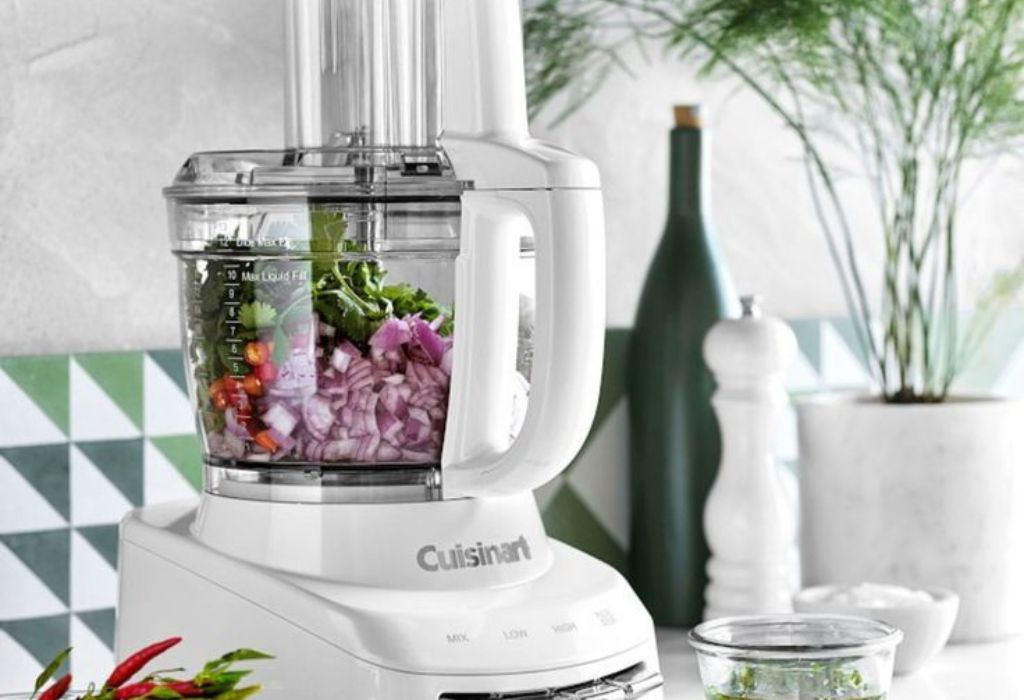
Food processors excel at chopping vegetables quickly. They turn large pieces into even cuts within seconds. This reduces prep time significantly.
Shredding cheese is another common task. Hard cheeses grate effortlessly with the shredding disc. This method works faster than hand grating.
Slicing vegetables is easy with slicing discs. Potatoes, cucumbers and carrots become uniform slices instantly. Consistent slicing improves cooking and presentation.
Processors also handle pureeing. Soft ingredients such as tomatoes and cooked vegetables blend into smooth textures. This works well for sauces and soups.
Grinding nuts is simple for a food processor. Almonds, peanuts and cashews break down into coarse or fine crumbs. With continuous processing, they turn into nut butters.
Making dough is another useful function. The processor mixes ingredients evenly and forms dough quickly. This reduces kneading time and effort.
These common tasks highlight the processor’s versatility. It performs multiple kitchen jobs with speed and consistency. This makes it an essential tool for modern cooking.
Safety Features Built Into Food Processors
Food processors include several safety features to protect users. The most important is the interlocking mechanism that prevents the machine from running unless the lid is secured. This prevents accidental contact with the spinning blade.
The feed tube also adds safety. It allows you to add ingredients without opening the lid. This keeps hands safely away from moving parts.
Thermal protection prevents overheating. When the motor becomes too hot, the processor shuts off automatically. This protects the machine and reduces fire risk.
Non slip bases keep the processor stable during operation. This prevents the machine from shifting on the counter. Stability improves safety and performance.
Some models include overload sensors. These sensors stop the motor when too much pressure or weight is applied. This prevents internal damage.
Blade storage options also improve safety. Storing blades properly reduces the risk of accidental cuts. Safe storage extends blade life as well.
These safety features make the food processor user friendly. They ensure efficient operation without unnecessary risks. Knowing these features helps you use the machine confidently.
Food Processor Operation and Function FAQ Guide
How does a food processor actually chop food?
A food processor uses a fast spinning S blade that cuts ingredients repeatedly as they move inside the bowl. The curved blade pulls food downward for continuous chopping. This creates quick and even results.
Why do food processors have different blades and discs?
Each blade performs a specific function such as chopping, slicing or shredding. Different attachments allow the processor to handle many tasks with precision. Using the right blade ensures clean and accurate results.
What is the purpose of the pulse function?
The pulse button gives short, controlled bursts of power. This prevents overprocessing and helps control chop size. Pulse is ideal for vegetables, nuts and textured ingredients.
How does the motor affect food processing?
The motor powers the blades and determines how efficiently the machine handles tough ingredients. Strong motors chop faster and more evenly. Weak motors may stall or process unevenly.
Why does food sometimes stick to the bowl walls?
Food sticks when moisture or lightweight pieces cling to the sides during spinning. Stopping to scrape the bowl keeps the mixture even. This ensures smoother and more consistent results.
Can a food processor puree like a blender?
Yes, a food processor can puree soft foods effectively. Continuous running creates a smooth texture similar to a blender. It works well for dips, sauces and cooked vegetables.
How do slicing discs cut vegetables so evenly?
Slicing discs rotate under the feed tube, cutting vegetables cleanly as they pass through. The blade height controls slice thickness. This creates uniform slices with minimal effort.
Why do processors need a locking lid system?
The locking system prevents the machine from running when the lid is not secure. This protects users from coming into contact with fast spinning blades. It ensures safe operation at all times.
How does bowl size affect performance?
Large bowls allow more movement and work better for big batches. Small bowls keep ingredients closer to the blade for finer control. Choosing the right bowl improves texture and efficiency.
Can a food processor knead dough effectively?
Yes, the processor can knead dough using the correct blade and proper speed. It mixes and forms dough quickly with minimal effort. This saves time and reduces manual kneading.
Conclusion
Food processors work through a combination of strong motors, sharp blades and well designed bowls that move ingredients efficiently.
Their ability to chop, slice, shred and puree makes them one of the most versatile tools in the kitchen. Understanding how each component functions improves results and reduces mistakes.
The interaction between motor speed, blade design and bowl shape determines food texture. Using pulse or continuous modes gives you control over processing. Choosing the right attachment ensures clean, consistent cuts.
By learning how food processors work, you can use them more effectively for everyday cooking. They reduce prep time, improve consistency and offer multiple functions in one appliance. This knowledge helps you get the best performance from your machine.

I’m Emma J. Caldwell, the founder, lead writer, and home-cooking enthusiast behind KitchenGuideCo.com. With a background in culinary arts and over a decade of cooking experience in both professional and personal kitchens, I created this platform to demystify recipes, offer smart kitchen gadget reviews, and guide readers through meal prep with confidence and clarity.