Most recipes tell you to “pulse” ingredients in a food processor, but many people do not know how long a pulse actually lasts. A pulse is not a fixed time but a short burst of power designed to chop food gently.
Understanding this timing helps you use the machine more effectively and prevents overprocessing foods.
Using the pulse button correctly gives you more control compared to continuous processing. It lets you break down food gradually, allowing you to check texture after each burst. This method is ideal for chopping vegetables, nuts, herbs, or making crumb coatings.
Beginners often press the pulse button too long or too fast. This leads to mushy textures instead of even chopping. Knowing the proper pulse timing avoids this common mistake.
This guide explains exactly how long a pulse should be, why pulsing matters, and how different textures require different pulse rhythms. Once you understand how pulsing works, food preparation becomes easier and more consistent.
Whether you are chopping onions, blending salsa, or turning cookies into crumbs, correct pulse timing improves your results. This method keeps ingredients from turning into puree too quickly. Pulsing also prevents overheating or overblending delicate ingredients.
What a Pulse Function Actually Does
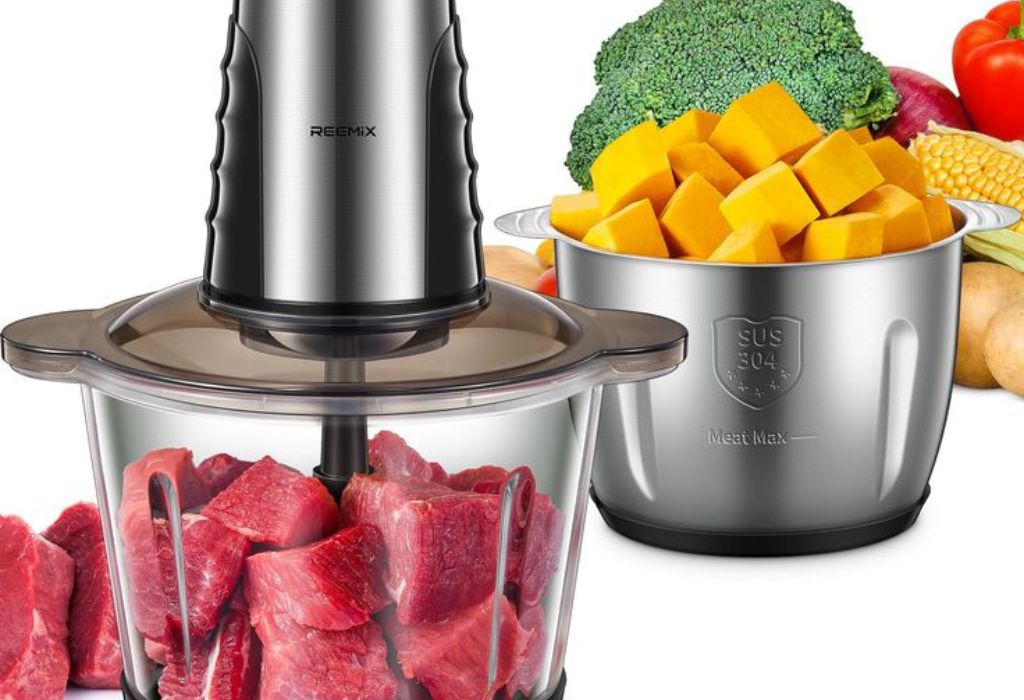
The pulse function sends short bursts of power to the blades. These bursts start and stop immediately, preventing the food from breaking down too quickly. This pattern creates consistent chopping.
When the pulse button is pressed, the blade rotates at high speed for a very short moment. Once released, the blade stops instantly. This start-stop action gives you more control over texture.
Pulsing keeps ingredients from sticking to the sides of the bowl. Each burst forces the food to move downward toward the blade. This ensures even chopping throughout the mixture.
Unlike continuous processing, pulsing prevents food from turning into a paste. It stops the blade before it can overpuree ingredients. This makes it ideal for chunky mixtures.
Pulsing also distributes ingredients more evenly. Each burst lifts and drops pieces, allowing better mixing. This is why many recipes rely on pulsing instead of blending.
Using the pulse function correctly helps maintain the freshness and texture of ingredients. It avoids overworking the food. It keeps chopping accurate and controlled.
How Long Is One Pulse on a Food Processor
A typical pulse lasts about one second or even slightly less. Press the button briefly, then release it. This gives the machine a quick burst of power without overprocessing.
Most cooks follow a rhythm: one second on, one second off. This pattern allows you to check the texture after each burst. It keeps chopping controlled and even.
Some harder ingredients may require slightly longer pulses. In these cases, a pulse may last one to two seconds. The goal is to avoid continuous blending.
For delicate ingredients like herbs, nuts, or onions, keep pulses short. Long pulses can overcut them quickly. Short bursts maintain texture.
Soft foods process faster, so pulsing must be gentle. One quick tap of the button is enough. This prevents mushy results.
Using too long of a pulse defeats the purpose of pulsing. When the blade runs too long, it acts like continuous blending. Keeping pulses short is essential.
Different processors may respond slightly differently, but the overall timing remains the same. Aim for short controlled bursts. This creates the most consistent results.
Why Pulse Timing Matters for Food Texture
Pulse timing affects how evenly your food gets chopped. Short pulses help break down ingredients slowly and consistently. This produces cleaner cuts.
Long pulses can cause the food to clump at the bottom. The blade catches too much at once and creates uneven chunks. Controlled pulses avoid this.
Pulsing also prevents overprocessing. Many foods become paste if mixed too long. Pulsing stops the blade early enough to maintain texture.
Using the right pulse rhythm keeps the food moving in the bowl. It breaks down high and low pieces evenly. This motion improves overall consistency.
Different foods react differently to the pulse rhythm. Nuts break down faster than vegetables. Adjusting pulse timing prevents unwanted powdery textures.
Pulse timing helps control moisture release. Overprocessing onions or tomatoes releases too much water. Short pulses keep them firm.
Mastering pulse timing improves every recipe that requires chopping. It gives you predictable results and better food texture.
Best Foods to Pulse Instead of Blend
Vegetables like onions, carrots, celery, and peppers benefit from pulsing. Pulsing helps maintain small, even pieces. Continuous blending turns them mushy.
Nuts and seeds should always be pulsed. Short bursts prevent them from turning into nut butter. Pulsing keeps pieces crisp and uniform.
Bread and crackers break down best with pulsing. They turn into crumbs evenly without turning into powder. Pulsing stops them at the right texture.
Herbs such as parsley, cilantro, and basil chop cleaner when pulsed. Blending bruises them and makes them wet. Pulsing keeps them fresh.
Cheese chunks grate well with pulsing. Short bursts keep pieces from melting or clumping. This method works for both hard and semi-soft cheeses.
Cookies and biscuits for pie crusts should be pulsed. Pulsing preserves small crumbs for even crust texture. Overprocessing makes them too fine.
Pulsing works well for combining ingredients like salsa or salad fillings. It brings everything together without turning it into a puree. The technique keeps the mixture chunky.
How to Pulse Ingredients Correctly
Start by tapping the pulse button quickly. Use short bursts to see how the food reacts. Gradually adjust the rhythm.
Check the texture after each pulse. The stop-start action helps you monitor progress. This allows for better control.
Scrape down the bowl if needed. Some ingredients stick to the sides. Scraping ensures even chopping.
Keep ingredients cold for firmer chopping. Cold food breaks down more evenly. Warm food processes too quickly.
Shake or tilt the bowl gently if food gets stuck. This redistributes ingredients. Proper positioning improves chopping.
Use different pulse counts depending on the recipe. Some foods need only three pulses. Others may need ten or more.
Avoid lifting your finger mid-pulse. A clean quick press produces better chopping. Accurate pulsing gives predictable results.
Common Mistakes When Using Pulse Mode
Pressing the pulse too long turns pulsing into blending. This ruins texture. Keeping pulses short is essential.
Not scraping the bowl causes uneven pieces. Some food may stay whole while others get overcut. Scraping maintains balance.
Overcrowding the bowl reduces movement. Ingredients need space to tumble. Small batches pulse better.
Using warm ingredients is a mistake. Warm foods break down too quickly. Cold ingredients respond better to pulsing.
Pulsing too fast in succession does not allow food to settle. This creates uneven cuts. Taking brief pauses improves results.
Using pulse mode for purees is not ideal. Pulse mode is for control, not smooth blending. Use continuous mode for sauces.
Not checking texture often leads to overprocessing. Pulse mode requires frequent monitoring. This ensures perfect chopping.
When to Use Pulse Mode Instead of Continuous Processing
Use pulse mode when chopping vegetables for soups, stews, or toppings. Pulse mode gives uniform size. Continuous blending destroys texture.
Nuts and seeds must be pulsed to avoid turning into paste. Pulse mode breaks them evenly. It keeps them crunchy.
Crumbs for coatings or pie crusts work best with pulsing. Continuous blending makes crumbs too fine. Pulsing controls texture.
Herbs should be pulsed to avoid bruising. Blender mode damages their color and taste. Pulsing keeps them fresh.
Cheese blocks pulse cleanly without melting. Blending creates heat that softens cheese. Pulsing avoids this problem.
Chunky dips like salsa or olive tapenade need controlled texture. Pulse mode creates a balanced mix. Smooth blending removes all texture.
Pulse mode is ideal for mixing dough pieces before kneading. It brings small ingredients together without overheating.
Safety Tips When Using Pulse Mode on a Food Processor
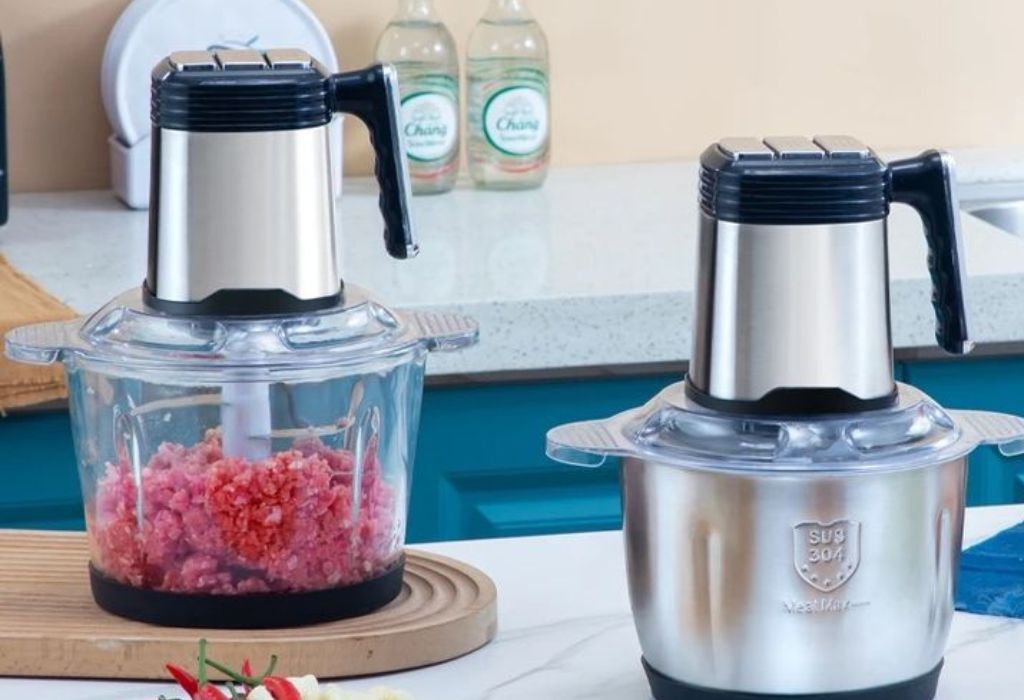
Always secure the lid before pulsing. Ingredients can jump during the burst. A locked lid prevents accidents.
Keep fingers away from moving parts. Food processors have sharp blades. Safety starts with proper handling.
Do not add ingredients during pulsing. The immediate movement is strong. Wait until the processor stops.
Place the machine on a stable surface. Vibrations from pulsing may shift it. Stability ensures safety.
Unplug the machine before cleaning. Pulse mode can activate quickly if pressed. Unplugging prevents accidents.
Avoid touching the blade directly. Even when not moving, the blade is sharp. Use tools to remove stuck food.
Do not pulse extremely hard foods like frozen blocks. They may damage the blade. Thaw or break items first.
Frequently Asked Questions on Food Processor Pulsing
How long is a typical pulse?
About one second or slightly less.
Can I pulse longer than one second?
Yes, but only for harder foods that need slightly more time.
Why do recipes say pulse instead of blend?
Pulsing gives more control over texture.
Can I pulse soft food?
Yes, but do it gently to avoid turning it mushy.
How many pulses does chopping onions need?
Usually between five and ten pulses depending on size.
Why does my food become uneven?
You may not be scraping the sides or giving pauses.
Can I pulse ice?
Only if the processor is powerful and ice is in small pieces.
Why does pulsing make noise?
The blade starts and stops forcefully, creating vibration.
Can pulsing damage my processor?
No, it is designed for this function.
Is pulsing faster than chopping by hand?
Yes, pulsing is much quicker and creates consistent results.
Conclusion
A pulse on a food processor typically lasts about one second and provides controlled power for chopping and mixing.
This short burst keeps ingredients from overprocessing and allows you to maintain texture. Using pulse mode correctly produces cleaner cuts and more even breakdowns of food.
Understanding when and how to use pulsing improves your food preparation skills. It helps you chop vegetables, grind nuts, create crumbs, and mix ingredients without turning them into puree. Pulse mode is one of the most useful features for achieving consistency.
By practicing the correct timing and monitoring results, you gain better control over every recipe. This guide gives you everything you need to use pulse mode confidently and effectively. With proper technique, your food processor becomes a more powerful and precise kitchen tool.

I’m Emma J. Caldwell, the founder, lead writer, and home-cooking enthusiast behind KitchenGuideCo.com. With a background in culinary arts and over a decade of cooking experience in both professional and personal kitchens, I created this platform to demystify recipes, offer smart kitchen gadget reviews, and guide readers through meal prep with confidence and clarity.