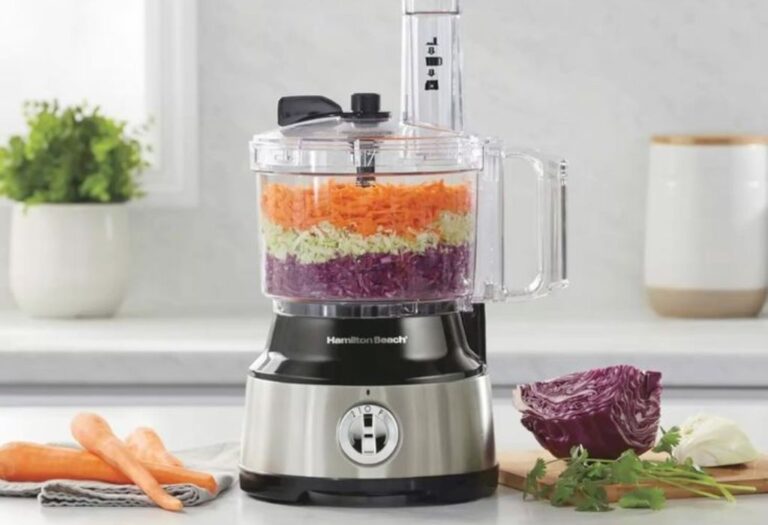
If you have ever walked down an appliance aisle or browsed online, you have probably noticed that food processors come in a huge range of prices. Some cost as little as the price of a weekly grocery trip, while others are priced like premium kitchen investments.
For many shoppers, this wide gap creates confusion and raises one simple question. How much should a food processor actually cost?
Maybe you remember the first time you wanted to buy a food processor for chopping vegetables faster or making sauces more easily. You searched for options and quickly realized that not all food processors are built the same.
Some came with powerful motors, multiple blades and several attachments, while others focused on basic performance. The price difference made you wonder which one would give the best value for your budget.
A food processor is a long term kitchen tool, and choosing the right one requires understanding what exactly affects its cost. Everything from size, motor strength, attachments and brand reputation contributes to its pricing.
Once you understand these factors, the price range starts to make sense and becomes easier to compare.
This guide explains how much food processors typically cost, what drives the price up or down and how to choose the best option for your budget.
Whether you are looking for a basic model, a mid range performer or a premium machine, this article will help you make an informed decision with confidence.
Why Food Processor Pricing Depends on Features and Build Quality
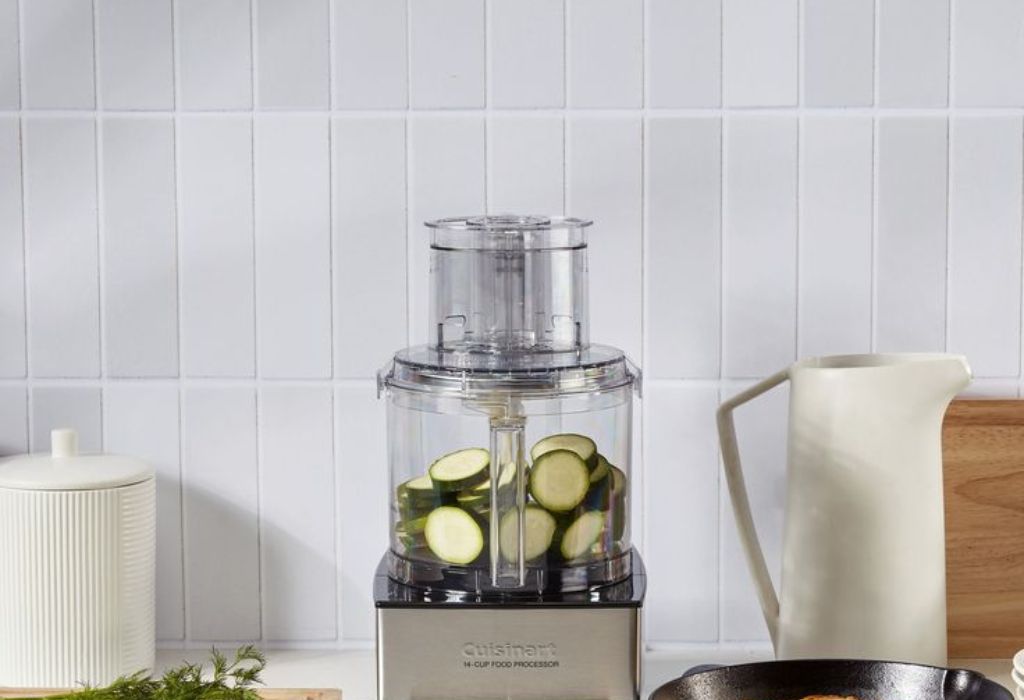
Food processors vary widely in design, materials and durability. These differences directly affect their prices. Stronger materials cost more to manufacture.
High quality processors use reinforced plastic or stainless steel parts. These materials last longer under heavy use. They also resist wear better.
Some models have advanced safety lock systems. These systems prevent accidental operation. Safety features increase manufacturing costs.
The presence of additional settings or multiple speed options raises the price. More settings require better internal components. Better components increase overall cost.
Premium processors often include quiet motor technology. This technology dampens vibration and reduces noise. Quieter machines require more engineering.
The weight and sturdiness of the base also influence cost. Heavier bases offer better stability. Stability improves performance.
Materials used for blades also change pricing. Stainless steel blades cost more but last longer. Durable blades offer consistent results.
When you compare different models, these quality differences become clear. Higher quality leads to higher prices. Understanding this helps you choose wisely.
Average Cost of Food Processors by Size and Type
Mini food processors typically cost between fifteen and forty dollars. These small units are ideal for quick chopping tasks. Their compact size makes them affordable.
Standard home food processors usually fall between fifty and one hundred and fifty dollars. These models suit most households. They offer a good balance of power and capacity.
Mid range multi purpose processors cost between one hundred and fifty and three hundred dollars. These machines include stronger motors and more attachments. They handle tougher tasks easily.
Premium food processors often range from three hundred to six hundred dollars. They offer high performance for professional kitchens. These models have durable build quality.
Commercial grade processors can cost more than one thousand dollars. These machines are built for heavy daily use. Their motors and components last significantly longer.
Personal single serve processors cost between twenty and sixty dollars. These are useful for quick snacks or smoothies. Convenience is their main appeal.
Specialty processors such as dough focused models fall on the higher end. Their internal parts are designed for strong resistance. This raises the price.
Understanding these categories helps you match price with purpose. Different types fulfill different needs. Choosing the right category ensures good value.
What Affects the Price of a Food Processor
Motor strength plays a major role in price. Stronger motors handle tough ingredients. Strong motors increase cost.
Bowl capacity also affects pricing. Larger bowls require more materials. Bigger designs cost more to produce.
Blade quality changes the price significantly. Stainless steel or reinforced blades cost more. These blades last longer and perform better.
Additional functions such as slicing, shredding or kneading add to the price. More attachments require more engineering. Extra features increase manufacturing costs.
Touch panels and digital controls push the price higher. These controls add convenience. Advanced panels increase complexity.
Brand reputation influences cost as well. Trusted brands charge more due to proven performance. Consumers pay for reliability.
Noise reduction technology increases price. Quieter models require better insulation. Insulation increases production cost.
Durability also affects price. Long lasting processors cost more because of higher quality parts. More durable machines offer better value over time.
Cost Differences Between Budget, Mid Range and Premium Models
Budget models offer basic performance at an affordable price. They include essential blades and basic functions. Their construction focuses on simplicity.
Mid range models offer stronger motors and better blade quality. They include several attachments for versatile cooking. These models balance cost and performance.
Premium models include advanced technology such as heavy duty blades and precise speed control. They use top quality materials throughout. These machines are built for long term durability.
Budget processors often use lightweight plastic parts that are less expensive. These parts are functional but less durable. Lower durability explains the lower price.
Mid range machines use stronger plastics and stainless steel. These materials perform better under pressure. They also increase product lifespan.
Premium machines use reinforced gears and high watt motors. These components handle large batches easily. Premium pricing reflects professional performance.
Budget models may lack advanced safety locks. Mid range models include better safety features. Premium units include multi level protection systems.
These differences explain the gap in pricing across categories. Each type serves a different user. Choosing the right category depends on your needs.
How Bowl Capacity Influences the Price of a Food Processor
Larger bowls require more material to manufacture. This increases production costs. Bigger bowls naturally cost more.
Small processors come with one or two cup bowls. These are inexpensive and designed for simple tasks. They suit small portions.
Medium bowls range from six to ten cups. They cater to typical household needs. Their balanced size raises the price moderately.
Large bowls can hold up to fourteen cups or more. These bowls handle bigger batches. Larger capacity increases overall value.
Larger bowls also require stronger motors. Strong motors lift the price further. Bigger models therefore cost more.
Some processors include multiple bowl sizes. This adds flexibility for different tasks. Multi bowl systems raise the cost.
Thicker bowls are used in higher end models. Thicker plastic or glass improves durability. Durable materials cost more.
Understanding bowl size helps match your needs with cost. Bigger is not always better. Choose capacity based on your cooking habits.
How Motor Power Impacts Food Processor Cost
Motor wattage determines how well the processor handles tough ingredients. Higher watt machines grind harder foods easily. This increases price.
Low wattage models start around two hundred watts. These handle soft foods only. Their lower strength keeps cost down.
Mid range processors use around four hundred to seven hundred watts. These offer enough power for common kitchen tasks. Stronger motors increase cost slightly.
Premium models use motors above one thousand watts. These can knead dough and crush dense ingredients effortlessly. High performance motors cost significantly more.
Motor material quality affects pricing as well. Solid metal gears cost more than plastic gears. Metal gears resist wear better.
Stronger motors require better ventilation. Ventilation design adds to manufacturing costs. Better cooling improves lifespan.
Noise reduction around the motor increases cost. Insulation materials prevent vibration. These upgrades cost extra.
Motor power directly affects performance and longevity. Understanding wattage helps justify price differences. Strong motors offer better value long term.
How Attachments and Accessories Change the Price
More attachments usually mean higher price. Each attachment requires manufacturing. Additional engineering also increases cost.
Basic processors include a chopping blade and one disc. These models are budget friendly. They focus on essential tasks.
Mid range processors add slicing, shredding or julienne discs. These extra discs expand versatility. More versatility increases cost.
Premium processors include dough blades, emulsifying attachments and specialized cutters. These accessories add professional grade performance. Extra performance raises the price.
Some models include multiple storage cases. Storage adds convenience. Better organization increases cost.
Replacement attachments also vary in price. High quality stainless steel attachments cost more. They offer better durability.
Attachment materials differ between models. Plastic attachments cost less. Stainless steel options cost more.
Accessories define the overall capability of the processor. More capability means higher pricing. Choose based on your cooking needs.
Brand Reputation and How It Affects Food Processor Pricing
Well known brands charge more because they offer reliable performance. Reputation is built through quality. Quality increases trust.
Brands like Cuisinart and KitchenAid cost more than generic options. Their long track record and warranty support increase price. Users pay for assurance.
Premium brands often use better internal components. These parts last longer and perform better. Better parts require higher production costs.
Less known brands may offer lower prices initially. However, their parts may not last as long. Shorter lifespan affects value.
Established brands also spend more on testing and engineering. Rigorous testing ensures safety and consistency. Additional testing adds to cost.
Customer service and warranty also affect pricing. Strong support systems cost companies more. Users pay for dependable assistance.
Brand recognition influences user confidence. People often choose trusted names. Trust adds value.
Understanding brand pricing helps compare models fairly. You balance reputation with your budget. The right brand offers peace of mind.
Long Term Costs to Consider Beyond the Purchase Price
Replacement blades add to long term cost. Higher quality blades cost more. They also last longer.
Some machines require occasional gasket or seal replacements. These parts wear down over time. Replacement increases total ownership cost.
Electricity usage depends on motor wattage. High watt motors consume more energy. Energy consumption adds to long term expense.
Repairs may be needed for worn parts. Repair costs vary by brand. Premium brands often have costlier repairs.
Cleaning supplies and maintenance tools add to cost. Proper cleaning extends machine life. Good maintenance improves performance.
If attachments break or wear down, replacements may be expensive. Premium attachments cost more. Costs rise over several years.
Warranty extensions may also cost extra. Extended coverage offers security. Security increases price.
Considering long term costs gives a full picture of expenses. A cheap processor may cost more later. Smart planning helps avoid surprises.
How to Choose the Best Food Processor for Your Budget
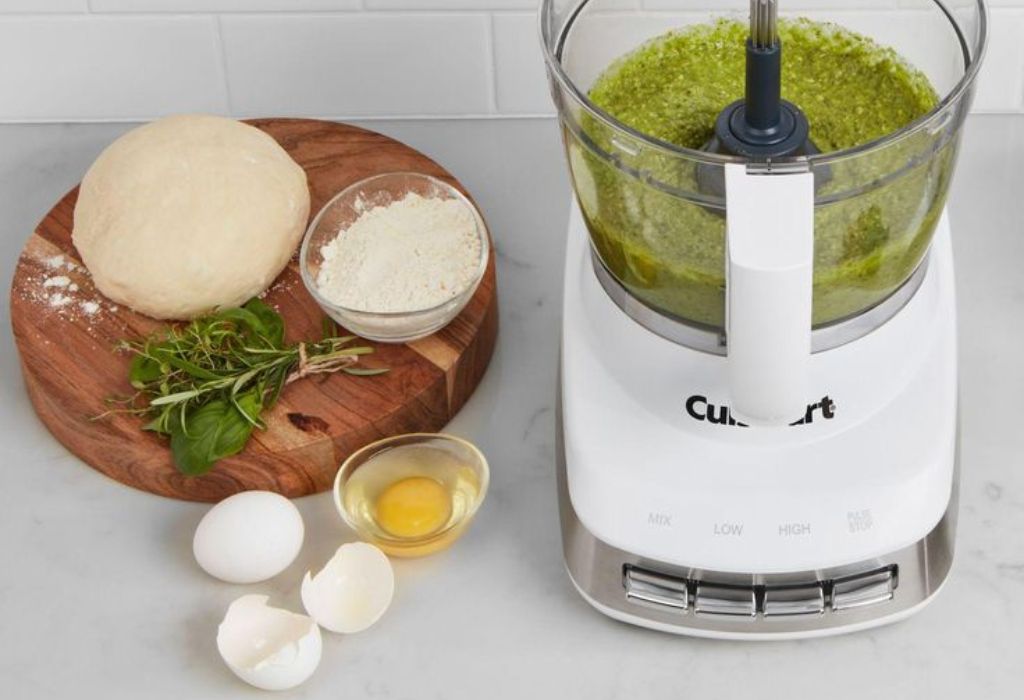
Start by identifying what tasks you will use the processor for. Your needs determine the features. Necessary features reduce overspending.
Set a clear budget range before shopping. A budget keeps choices focused. Focus makes decision making easier.
Compare models within your price range. Look at wattage, bowl size and attachments. Comparing helps evaluate value.
Consider whether you cook for one person or a family. Serving size affects capacity needs. Capacity influences price.
Check user reviews to understand durability. Reviews reveal long term performance. This helps avoid unreliable models.
If your tasks are simple, choose a budget or mid range model. These offer enough power for everyday cooking. They save money without sacrificing quality.
If you cook frequently or process tough ingredients, consider a stronger model. Higher wattage offers better performance. Stronger machines last longer.
Choosing the right processor depends on thoughtful comparison. Understanding your needs and budget leads to smart choices. The right model gives long term satisfaction.
Food Processor Buyer Questions and Answers
How much does a basic food processor cost?
Most basic models cost between fifty and eighty dollars.
Are expensive food processors worth it?
Premium models offer better durability and performance.
What is the price of a good mid range food processor?
Typically between one hundred and fifty and three hundred dollars.
Why are some food processors so expensive?
Better motors, materials and attachments increase cost.
What is the cheapest food processor type?
Mini processors are the most affordable.
How much do commercial food processors cost?
They can exceed one thousand dollars.
Do more attachments increase the price?
Yes, attachments add cost due to extra engineering.
Does bowl size affect price?
Larger bowls generally cost more.
Are budget processors durable?
They work well for light tasks but may not last as long.
Do premium brands cost more?
Yes, due to stronger parts and better support.
How much should I spend for home cooking?
Most households do well with one hundred to two hundred dollar models.
Are high watt motors more expensive?
Yes, stronger motors raise the price.
Does the material of blades change cost?
Stainless steel blades cost more but last longer.
Can I get a good processor for under one hundred dollars?
Yes, if you choose a mid sized budget model.
Is it better to invest in a bigger machine?
It depends on your cooking needs and batch sizes.
Conclusion
Understanding how much food processors cost becomes easier when you break down the factors that influence pricing. Everything from motor power, bowl capacity, attachments, build quality and brand reputation contributes to the final price.
When you compare these features carefully, you begin to see why some processors cost much more than others.
Choosing the right processor depends on your kitchen habits and expectations. If you only need basic chopping or grinding, a budget friendly model is often enough.
If you cook frequently or handle tough ingredients, a mid range or premium processor offers better value and durability. Evaluating long term costs also helps you avoid unexpected expenses later.
By understanding the price range and what affects it, you can confidently choose a food processor that fits your needs and budget. A well selected food processor becomes a reliable kitchen companion that saves time, boosts efficiency and enhances your cooking experience.

I’m Emma J. Caldwell, the founder, lead writer, and home-cooking enthusiast behind KitchenGuideCo.com. With a background in culinary arts and over a decade of cooking experience in both professional and personal kitchens, I created this platform to demystify recipes, offer smart kitchen gadget reviews, and guide readers through meal prep with confidence and clarity.