Chopping chocolate might look simple, but anyone who has tried it with a knife knows how challenging it can be. The firm texture makes the blade slip, the pieces break unevenly and the chunks scatter across the counter instead of staying in one place.
Many home bakers face this problem the first time they prepare chocolate for cookies or brownies, and the frustration quickly leads them to search for an easier method.
A food processor seems like the perfect solution because it is fast, sharp and powerful. The idea of placing a chocolate bar inside the bowl and pulsing it into perfect chunks feels convenient and efficient.
But without the right technique, the heat created by the spinning blades can soften the chocolate almost immediately. Softened chocolate sticks to the sides of the bowl, forms clumps and loses the clean texture needed for baking.
Chocolate behaves differently from vegetables or nuts because it reacts quickly to friction and temperature changes. That is why the food processor must be used in a controlled, precise way.
When you learn how to chill the chocolate properly, break it into the right size pieces and use short, careful pulses, you can chop chocolate perfectly in just a few seconds. This guide shows you exactly how to do it with confidence.
What Type of Chocolate Can Be Chopped in a Food Processor
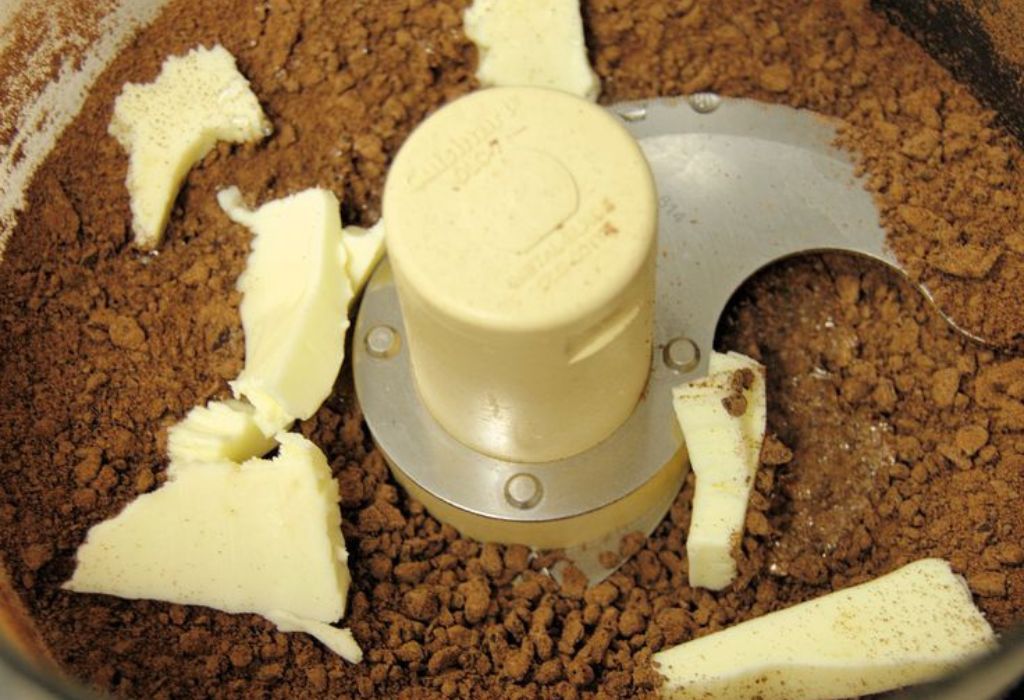
Dark chocolate is the easiest type to chop because it has the highest percentage of cocoa solids and the lowest sugar and dairy content.
Its firm structure allows it to withstand the friction from the food processor better than softer chocolates. When chilled, dark chocolate remains stable and breaks cleanly into evenly sized chunks that work well for baking.
Semi sweet chocolate behaves similarly to dark chocolate but contains slightly more sugar. This additional sugar softens faster under heat, so you need to chill it thoroughly before chopping.
However, once prepared correctly, semi sweet chocolate produces excellent chopped pieces for cookies, cakes or melting applications, keeping a balanced sweetness in baked goods.
Milk chocolate is more delicate because it contains more dairy ingredients such as milk solids, cream powder and additional fats. These fats soften quickly, making milk chocolate more prone to melting while chopping.
To prevent this, you must chill milk chocolate longer than dark chocolate and pulse it in shorter bursts. When managed properly, milk chocolate can still be chopped effectively for toppings and fillings.
White chocolate is the most sensitive of all. It contains no cocoa solids and relies entirely on cocoa butter for structure, which melts extremely quickly under friction.
White chocolate must be chilled in the freezer for several minutes before chopping and must be processed in very short pulses to avoid turning into paste. Despite being fragile, white chocolate can produce beautiful chopped pieces when handled patiently.
Chocolate chips can technically be processed, but they do not chop as evenly as bars. Chips contain stabilizers designed to help them keep their shape during baking.
These stabilizers resist chopping and create inconsistent results. For the most even texture, chocolate bars or blocks are always better choices.
Compound chocolate, sometimes called coating chocolate, contains vegetable oils instead of cocoa butter. This type chops more easily than milk or white chocolate because vegetable oils do not soften as quickly as cocoa butter. Compound chocolate is often used for candy making and can be processed smoothly with minimal chilling.
Choosing the right chocolate ensures consistent chopping results. Understanding each type’s behavior allows you to adjust the technique accordingly. With proper preparation and knowledge, every form of chocolate can be chopped effectively in a food processor.
Tools and Attachments Needed to Chop Chocolate
A food processor with a standard S blade is the best tool for chopping chocolate because its design creates strong cutting action that breaks chocolate evenly. The S blade rotates with a sweeping motion that captures chocolate pieces from different angles.
This helps prevent chocolate from gathering in one corner of the bowl and ensures uniform chopping across the entire batch.
A sharp S blade is essential for achieving clean cuts. Dull blades do not slice chocolate efficiently, forcing the processor to push and smear chocolate instead of chopping it.
This pushing action produces heat that softens chocolate, making it stick to the bowl. Keeping your blade sharp ensures smooth and controlled chopping with minimal friction.
A sturdy, thick food processor bowl helps reduce vibration and maintain consistent movement. Thin or lightweight bowls shake more during use, causing chocolate to bounce around rather than chop cleanly.
Vibration also increases friction, which leads to melting. Using a solid, heavy duty bowl stabilizes the process and keeps temperature under control.
A cutting board and knife are needed to break the chocolate into smaller pieces before processing. Chocolate bars are often too large or too thick to fit comfortably in a food processor, and attempting to chop large blocks increases friction.
Pre cutting chocolate into small chunks allows the blade to grip the chocolate easily and reduces processing time significantly.
A refrigerator or freezer is necessary to chill the chocolate before chopping. Cold chocolate maintains its structure much better under friction.
For sensitive chocolates like white or milk chocolate, a few minutes of freezer time can make the difference between perfect chunks and a melted mess. Temperature management is crucial for success.
Plastic storage bags or airtight containers help keep chocolate cold while preventing moisture buildup. If chocolate sits exposed in the refrigerator, condensation may form on the surface, which can cause the chocolate to seize in the processor. Seized chocolate becomes gritty and cannot be chopped evenly.
Paper towels or clean kitchen towels are useful for wiping the chocolate dry after chilling. Removing moisture ensures clean cuts and prevents pieces from sticking together inside the bowl.
With the right tools and attachments, you can prepare chocolate properly and process it efficiently. Each tool plays a role in ensuring the chocolate stays cold, firm and easy to chop, giving you full control over the final texture.
Step by Step Guide to Chopping Chocolate in a Food Processor
Start by placing a handful of chilled chocolate pieces into the cold food processor bowl. Make sure the pieces are spread out evenly instead of piling in the center. Spreading ensures that the blade makes contact with multiple pieces at once for efficient chopping.
Secure the lid and select the pulse mode. Apply the first pulse gently for about one second, just enough to crack the chocolate slightly. This initial break helps the pieces settle and prevents them from bouncing excessively during later pulses.
Pulse again two or three times, each lasting no more than one second. The goal is to break the chocolate gradually, without allowing the processor to run long enough to generate heat. Short bursts keep the chocolate cold and help you maintain control over texture.
Open the lid after the first few pulses and check the size of the chocolate pieces. If they remain too large, pulse again. Always check frequently because over pulsing can quickly turn chocolate into powder or soft crumbs.
If the chocolate pieces start clustering around the edges or sticking slightly, shake the bowl gently or scrape the sides with a spatula between pulses. This movement redistributes the chocolate and helps the blade chop evenly. Maintaining movement prevents uneven chunks.
Continue pulsing until the chocolate reaches your desired size. For large chunks, fewer pulses work best. For smaller bits or fine pieces, use more short pulses, but always keep them brief to avoid melting.
Once finished, immediately transfer the chopped chocolate to a chilled tray or bowl. Leaving it inside the food processor allows residual heat from the motor to soften it. Removing it quickly preserves the shape and texture you worked hard to achieve.
Repeat the process with additional batches if needed. Small batches ensure consistent results. Each batch should look evenly chopped and ready to use in baking or garnish applications.
How to Control Texture and Size When Chopping Chocolate
Texture control begins with the number and length of pulses. If you want larger chocolate chunks for cookies or muffins, limit your pulses to two or three. Large chunks melt slowly and create rich pockets of chocolate in desserts.
For medium sized pieces suitable for brownies or ganache fillings, pulse four to five times in rapid bursts. Medium pieces melt more evenly inside batters and blend smoothly into recipes without overpowering other ingredients. These pieces provide a balanced chocolate experience.
If your goal is fine chocolate bits for sprinkling or folding into delicate desserts, pulse six to eight times, but keep each pulse extremely short. Fine bits distribute evenly and create uniform chocolate flavor throughout your recipe. They also help add beautiful finishing touches to desserts.
Watch the chocolate carefully after each pulse. Chocolate changes texture quickly, and even one extra pulse can transform chopped chunks into powdery crumbs. Frequent checking is essential to achieving the perfect size.
Temperature plays a key role in texture. The colder the chocolate, the easier it is to chop into clean, crisp pieces. If chocolate begins softening at all, pause the process and chill it again before continuing.
Avoid continuous processing because it generates heat rapidly. Heat softens edges and causes pieces to clump together, removing your ability to control texture. Pulses allow flexibility and produce the most consistent result.
Texture control also depends on chocolate type. Dark chocolate produces cleaner cuts, while milk and white chocolates require more caution. Adjust pulsing speed according to the softness of the chocolate you are using.
Mastering texture allows you to customize chocolate for any recipe. When you understand how to control size and consistency, your desserts improve dramatically and become more professional.
Common Mistakes When Chopping Chocolate
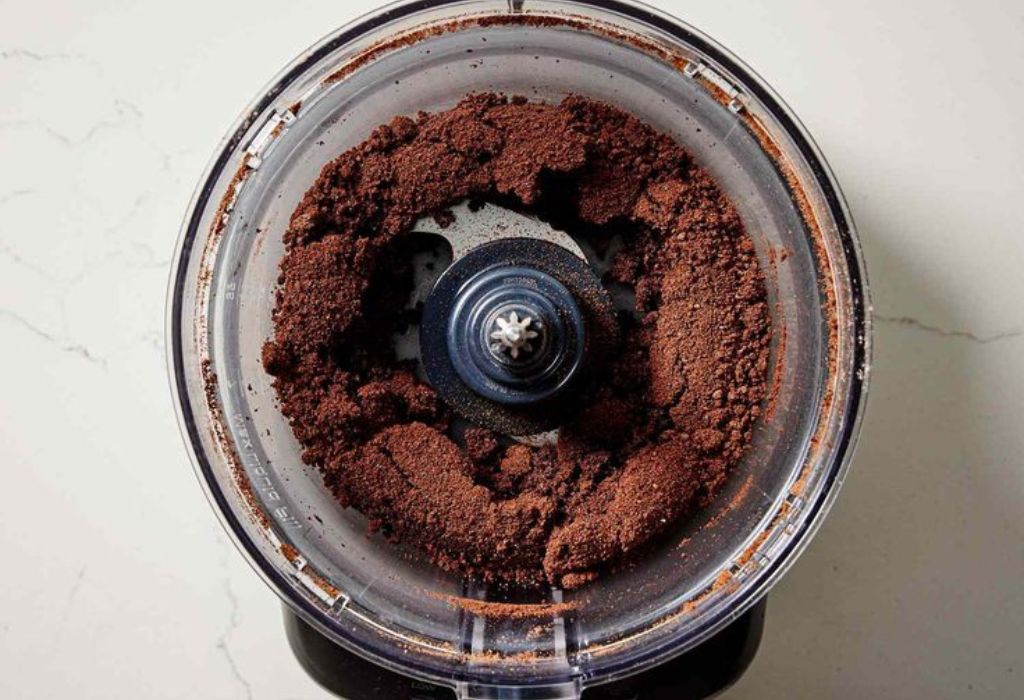
One of the most common mistakes is failing to chill the chocolate long enough before processing. Warm or room temperature chocolate melts instantly when exposed to blade friction. This creates sticky clumps that cannot be chopped.
Another mistake is running the processor continuously instead of using short pulses. Continuous processing builds heat quickly and softens the chocolate, turning it into a paste. Pulsing is the only safe way to chop chocolate without melting it.
Adding too much chocolate into the bowl at one time prevents proper movement. When pieces do not move freely, they grind against each other, creating extra heat. This causes uneven chopping and melting.
Using dull blades is another frequent problem. When blades are not sharp, they smear chocolate instead of cutting it, increasing friction and heat. Always use a clean, sharp S blade for best results.
Neglecting to dry chocolate thoroughly after chilling leads to seizing. Moisture causes chocolate to clump into grainy solids that will not chop evenly. Drying prevents this issue completely.
Handling chocolate too long with warm hands can soften the edges before chopping. Softened chocolate reacts to heat faster, making it harder to control during pulsing. Minimize contact to maintain firmness.
Ignoring the bowl temperature is also a problem. If the processor bowl is warm from previous use, it will soften chocolate instantly. Always chill the bowl before processing.
Avoiding these mistakes greatly improves results. A little preparation and awareness make chocolate chopping smooth and predictable.
Chocolate Chopping Food Processor FAQ Guide
Can I chop chocolate chips?
Chocolate chips can be chopped, but bars produce more even pieces.
Should chocolate be cold before chopping?
Yes, cold chocolate chops cleanly without melting.
How many pulses does chocolate need?
Usually three to eight pulses depending on size.
Can I chop white chocolate?
Yes, but keep it extra cold since it melts quickly.
Why is my chocolate clumping?
Too much heat or too long pulses caused melting.
Can I chop chocolate continuously?
No, continuous processing melts chocolate.
What blade should I use?
Use the standard S blade for the best results.
Can I chop chocolate with nuts?
Not recommended because their textures differ.
Does processor size matter?
Any size works if you avoid overfilling.
Why is my chocolate turning powdery?
Too many pulses or a dull blade created dust.
Can I chop frozen chocolate?
Yes, but let it soften slightly to prevent shattering.
Should I remove packaging first?
Always remove all wrappers and foil completely.
Is chopped chocolate better than chocolate chips?
Yes, it melts more naturally in baked goods.
Can I store chopped chocolate?
Yes, store it in an airtight container in a cool place.
Is chopping chocolate safe for beginners?
Yes, if you follow pulsing and cooling techniques.
Conclusion
Chopping chocolate in a food processor may seem intimidating at first, but with the right technique, it becomes one of the easiest and most reliable ways to prepare chocolate for baking.
By chilling the chocolate thoroughly, using the pulse function wisely, and keeping the processor bowl cold, you can avoid melting and achieve perfectly chopped pieces every single time. This method gives you full control over texture, allowing you to create large chunks, medium pieces or fine bits depending on your recipe needs.
Understanding the behavior of different types of chocolate is essential. Dark chocolate stays firm the longest, while milk and white chocolates soften quickly and need additional chilling and extra careful pulsing.
When you learn to work with each chocolate type correctly, the results become consistently beautiful and predictable.
The food processor is powerful, but when used properly, it becomes a helpful tool that saves time and creates clean, professional results.
Proper preparation, attention to detail, and the right pulsing technique eliminate frustration and make chocolate chopping enjoyable. With this skill mastered, you can enhance cookies, cakes, pastries, ice creams and countless other desserts.
Chopped chocolate brings richer texture, deeper flavor and more visual appeal to your baking. When you know how to chop chocolate correctly in a food processor, you unlock a world of creative dessert possibilities and produce results that look and taste professionally made.

I’m Emma J. Caldwell, the founder, lead writer, and home-cooking enthusiast behind KitchenGuideCo.com. With a background in culinary arts and over a decade of cooking experience in both professional and personal kitchens, I created this platform to demystify recipes, offer smart kitchen gadget reviews, and guide readers through meal prep with confidence and clarity.