When Maya moved into her new apartment, she thought choosing an oven would be simple. But after browsing models online, every option looked confusing and sizes felt meaningless.
Three cubic feet, four point eight cubic feet, single cavity, double cavity, nothing helped her understand which one she actually needed.
The first weekend she tried to bake cookies in her small rental oven, the tray didn’t even fit properly. That’s when she realized oven size isn’t just a number, it affects how comfortably you cook every single day.
Whether you bake occasionally or prepare meals for a large family, choosing the right oven size makes cooking easier, faster, and stress-free.
In this guide, you’ll learn how oven sizes are measured, which capacity fits your household, and what to check before buying. By the end, you’ll know exactly what size oven you need without second-guessing your decision.
Understanding How Oven Size Is Measured
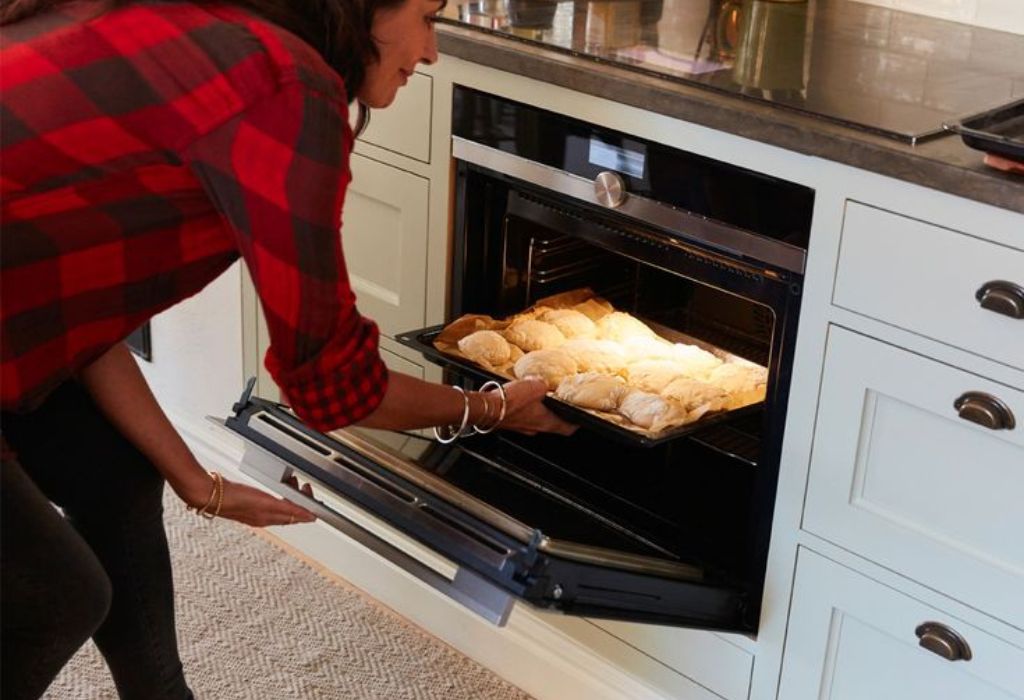
Oven size is usually measured in cubic feet, which refers to the internal cooking space rather than the outside dimensions.
Most home ovens range from two to six cubic feet, depending on style and installation type. The larger the capacity, the more food you can cook at once without overcrowding the trays.
Many people confuse external width with internal volume, which leads to the wrong sizing decision.
Two ovens with the same outer dimensions may have different interior space due to insulation and design. This is why checking only the product width doesn’t guarantee how much food will fit inside.
Manufacturers typically list capacity in the product specifications, but the usable space may feel smaller based on rack placement.
Always check the number of racks included and whether the oven supports multiple cooking levels. A smart approach is to match capacity with your meal size rather than focusing only on measurements.
Capacity vs Interior Space: What Actually Matters
A three cubic-foot oven may work perfectly for a single person or couple who cook occasionally. However, a four to five cubic-foot oven offers enough space for medium families that prepare meals daily.
The interior height and rack adjustability play a big role in how comfortably large cookware can fit inside.
Some ovens advertise high capacity but have limited vertical space, which makes roasting tall items difficult.
Look for a design that allows flexible rack configurations for multi-tray baking sessions. A well-designed cavity allows heat to circulate better, giving more even results without frequent rotation.
If you plan to bake multiple dishes at the same time, prioritize usable interior space over listed capacity. A deeper oven improves airflow and helps maintain consistent temperature across the trays. Choosing based on real cooking needs prevents frustration after installation.
How is oven size measured in cubic feet?
Oven size is calculated by multiplying interior height, width, and depth, then converting the result into cubic feet.
Does higher capacity always mean better cooking?
Not necessarily, because usable space depends on rack placement, cavity shape, and heating design.
Should I check internal measurements before buying?
Yes, because two ovens with the same external size may have different interior volumes and tray clearance.
Is a three cubic-foot oven too small for regular cooking?
It may be small for families but works fine for singles, couples, or kitchens with limited space.
Do ovens lose space because of insulation?
Yes, thicker insulation reduces internal volume even when the external size appears similar.
Best Oven Sizes Based on Family Size
A single person or couple usually needs a two to three cubic-foot oven for light cooking. This size works well for reheating, small baking projects, and compact spaces like studio kitchens. It fits basic cookware without wasting energy on heating empty space.
A family of three to four generally benefits from a four to five cubic-foot oven. This allows roasting a full chicken, baking multiple trays, and preparing weekend meals comfortably. It supports larger dishes without overcrowding the racks or delaying cooking time.
Large households with frequent meal prep often require five to six cubic feet or more. This size is ideal for batch cooking, holiday meals, and oversized bakeware. Choosing based on family habits ensures you don’t outgrow the oven too quickly.
Standard Oven Dimensions for Different Kitchen Types
Freestanding ovens commonly measure twenty-four, thirty, or thirty-six inches in width. A thirty-inch model is the most popular choice for standard kitchens around the world. Compact twenty-four-inch models work well in apartments, condos, and small counter layouts.
Built-in wall ovens often require precise cabinet cut-outs, which makes measurement accuracy essential. They come in single or double configurations depending on cooking needs and available space. Always measure height, width, and depth before ordering a replacement unit.
Countertop and toaster ovens vary widely and are measured differently from full-size ranges. They offer smaller capacities but provide flexibility for quick meals and energy-efficient cooking. Choosing the right size depends on available space and how often the oven will be used.
Can a thirty-inch oven fit in all standard kitchens?
Most standard kitchens support thirty-inch ovens, but cabinet and counter cut-outs should be measured first.
Are twenty-four-inch ovens too small for baking?
They work for small households, but large trays and holiday meals may not fit comfortably.
Do wall ovens require professional installation?
Yes, because they need cabinet modification and electrical compatibility checks.
Can I replace a thirty-inch oven with a larger model?
Only if the surrounding cabinetry can be expanded safely without structural issues.
Are double ovens always larger than single ovens?
Not always, since some double ovens split capacity rather than increasing total size.
Single vs Double Oven Size Considerations
Single ovens are usually large enough for everyday meals, making them suitable for most households. They offer four to five cubic feet of space, which supports multitasking within one cavity. This design is simpler and often more energy-efficient for smaller kitchens.
Double ovens provide two separate cooking compartments, allowing different temperatures at the same time. They are popular among large families, frequent bakers, and holiday hosts. Each cavity may be smaller individually, but the combined capacity increases flexibility.
Installation space is a key factor when deciding between single and double models. Double ovens usually require tall wall space and custom cabinet support. Understanding your cooking style ensures you choose the configuration that truly benefits your routine.
Wall Oven vs Freestanding Oven Size Differences
Freestanding ovens combine the cooktop and oven in one single appliance. They come in widely available sizes and are easier to replace when remodeling. Their widths are consistent, making them a practical choice for most homes.
Wall ovens separate the cooktop, offering flexibility in placement and height. They come in single and double formats with varying capacities and installation depths. Wall ovens are ideal for ergonomic cooking but require accurate cabinet preparation.
Choosing between the two depends on layout, accessibility, and long-term kitchen plans. Freestanding ovens suit standard kitchens, while wall ovens support customized designs. Understanding dimensions prevents unexpected fitting issues during installation.
Do wall ovens have less interior space than freestanding ovens?
Some wall ovens have smaller cavities, so checking capacity before buying is important.
Can I install a wall oven without modifying cabinets?
Most wall ovens require a custom cut-out that matches exact dimensions.
Are freestanding ovens easier to replace?
Yes, because they follow standard sizes and do not require cabinetry changes.
Does a wall oven heat differently than a freestanding oven?
Heat performance depends on the model, insulation, and convection features.
Are double wall ovens worth it for small families?
They may be unnecessary unless you cook multiple dishes frequently.
Oven Size for Baking, Roasting, and Meal Prep Needs
Bakers often need wider cavity space to accommodate cookie sheets and cake pans. A four to five cubic-foot oven supports multi-tray baking without rotating frequently. Consistent heat distribution becomes more critical for delicate recipes like soufflés and pastries.
Roasting large items like turkey requires deeper and taller internal space. Not all ovens support oversized cookware even when capacity appears high. Measuring your largest tray or roasting pan helps prevent surprises after installation.
Meal prepping families benefit from the ability to cook multiple dishes at once. Adjustable racks and convection features improve cooking efficiency and accuracy. Matching oven size with cooking habits creates smoother kitchen workflows.
How Cookware and Tray Size Affects Oven Choice
Not all oven cavities support wide or commercial-grade baking sheets. Standard cookie trays may not fit in smaller or narrow-design models. Always compare internal width rather than relying only on external dimensions.
Round cookware requires more depth than rectangular pans when roasting tall items. Some ovens include removable racks that increase usable vertical space. Checking compatibility with your existing dishes saves money and avoids replacement costs.
If you plan to bake two pizzas at once, look for large internal width and strong circulation. Multi-level baking benefits from a roomy cavity and consistent heat across racks. Matching oven size with cookware ensures smooth daily cooking performance.
Do all ovens fit standard baking sheets?
No, some smaller ovens cannot accommodate full-size cookie trays comfortably.
Should I measure my largest cookware before buying?
Yes, because cookware size determines whether the oven will be practical for your needs.
Can I add extra racks to increase space?
Some models support extra racks, but airflow and heat distribution must remain balanced.
Do deeper ovens cook food more evenly?
Deeper cavities may improve circulation, especially in convection models.
Is a larger oven necessary for meal prep?
It depends on how many dishes you cook simultaneously and your weekly routine.
Energy Use and Heating Efficiency Based on Oven Size
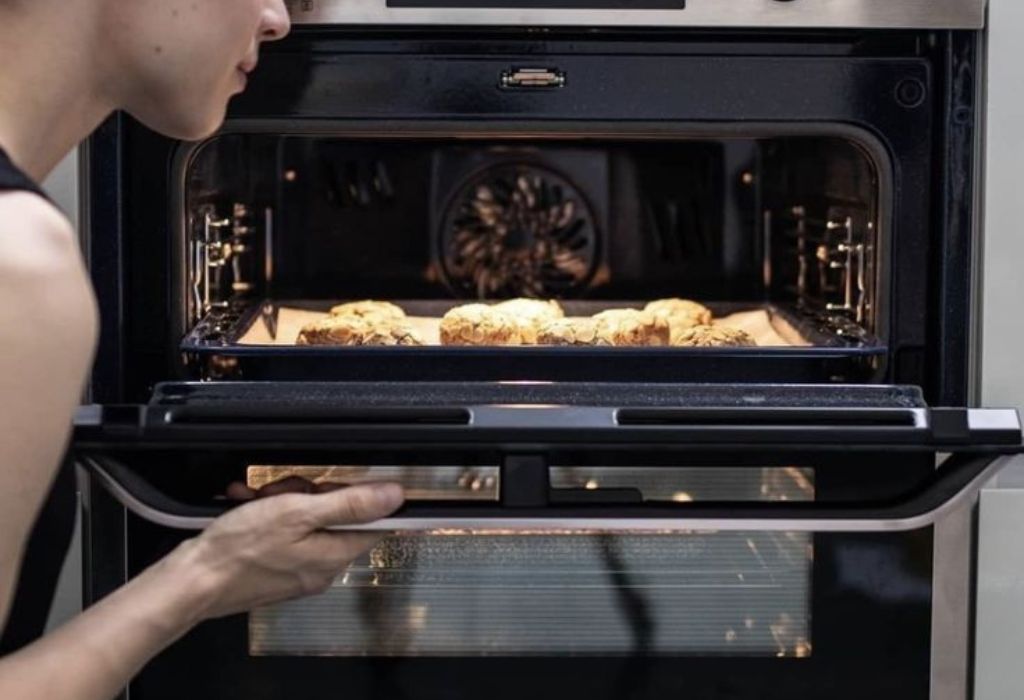
Larger ovens require more energy to heat, especially when used for small meals. For light cooking, a compact oven prevents unnecessary power consumption. Choosing based on real usage helps balance performance and electricity cost.
Convection ovens circulate hot air to maintain even cooking temperatures. This feature reduces cooking time and energy waste in both small and large ovens. Efficiency depends on insulation quality, heating elements, and door sealing.
Preheating times may increase with larger capacities, especially for baking tasks. Properly sizing the oven prevents slow heating and uneven browning. Energy-efficient design ensures comfortable cooking without high utility bills.
Final Checklist Before Choosing Your Oven Size
Measure cabinet width, height, and depth before making a purchase. Confirm that ventilation and electrical requirements match the new oven model. Leaving installation clearance helps prevent overheating and ensures long-term safety.
Match oven capacity with family size and weekly cooking habits. Choosing a size too large leads to energy waste and slow heating performance. Selecting too small causes overcrowding and limits meal preparation options.
Review product specifications for interior dimensions and rack configurations. Ensure your bakeware and roasting pans fit without forcing. A well-planned decision helps you cook confidently for years without replacing the appliance.
Should I choose oven size based on family size alone?
No, cooking habits and meal frequency matter just as much as household size.
Do all ovens require the same installation space?
Different models have unique depth and clearance requirements that must be checked.
How much space should I leave around the oven?
Manufacturers recommend specific ventilation gaps to prevent overheating.
Can I trust listed capacity when comparing ovens?
Use it as a reference, but verify internal measurements and rack usability.
Is bigger always better when selecting an oven?
Not if you rarely cook large meals, since oversized ovens waste energy.
Conclusion
Choosing the right oven size depends on more than just measurements and listed capacity. Matching the oven to your family size, cooking habits, and kitchen layout ensures comfort and efficiency every day.
Checking internal space, rack flexibility, and cookware compatibility prevents frustration after installation.
A well-sized oven makes cooking smoother, faster, and more enjoyable, whether you bake occasionally or prepare meals daily.
Take time to measure your space, evaluate your needs, and review product specifications before finalizing your purchase. With the right oven size, your kitchen becomes more functional and stress-free for years to come.

I’m Emma J. Caldwell, the founder, lead writer, and home-cooking enthusiast behind KitchenGuideCo.com. With a background in culinary arts and over a decade of cooking experience in both professional and personal kitchens, I created this platform to demystify recipes, offer smart kitchen gadget reviews, and guide readers through meal prep with confidence and clarity.