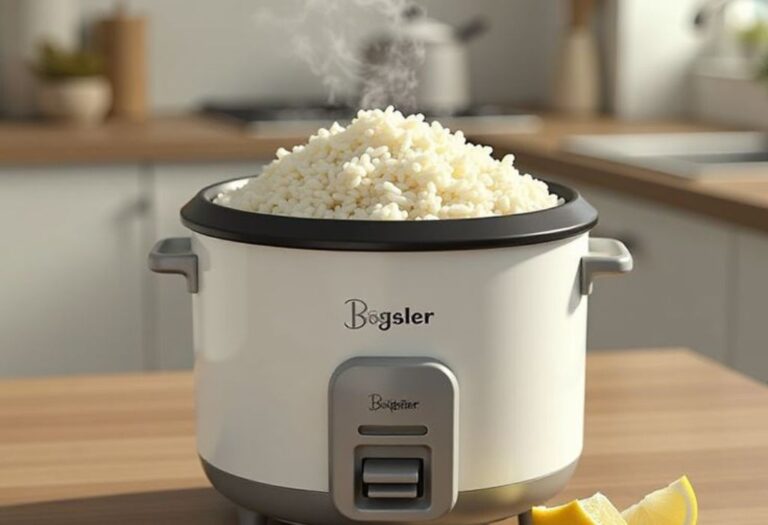
The first time someone uses a steam oven they often expect it to feel similar to a regular appliance. But the moment food comes out moist tender and evenly heated everything feels surprisingly different.
Vegetables taste brighter and bread stays soft without turning dry around the edges. It becomes clear that steam changes the way food behaves inside the oven without requiring extra oil or sauces.
Most people choose kitchen appliances based on size and features but overlook how cooking method affects nutrition and flavor. Dry heat can remove moisture and sometimes harden food that should stay soft.
Steam works differently because it surrounds food with gentle humidity that protects its natural texture. The result is a healthier style of cooking that does not compromise taste or color.
This guide explains the most important benefits of steam ovens in a simple and practical way. You will learn how steam improves cooking performance and why it helps retain nutrients more effectively.
You will also understand how a steam oven can speed up meal preparation without sacrificing quality. By the end you will know whether a steam oven is the right upgrade for your kitchen.
What a Steam Oven Is and How It Works
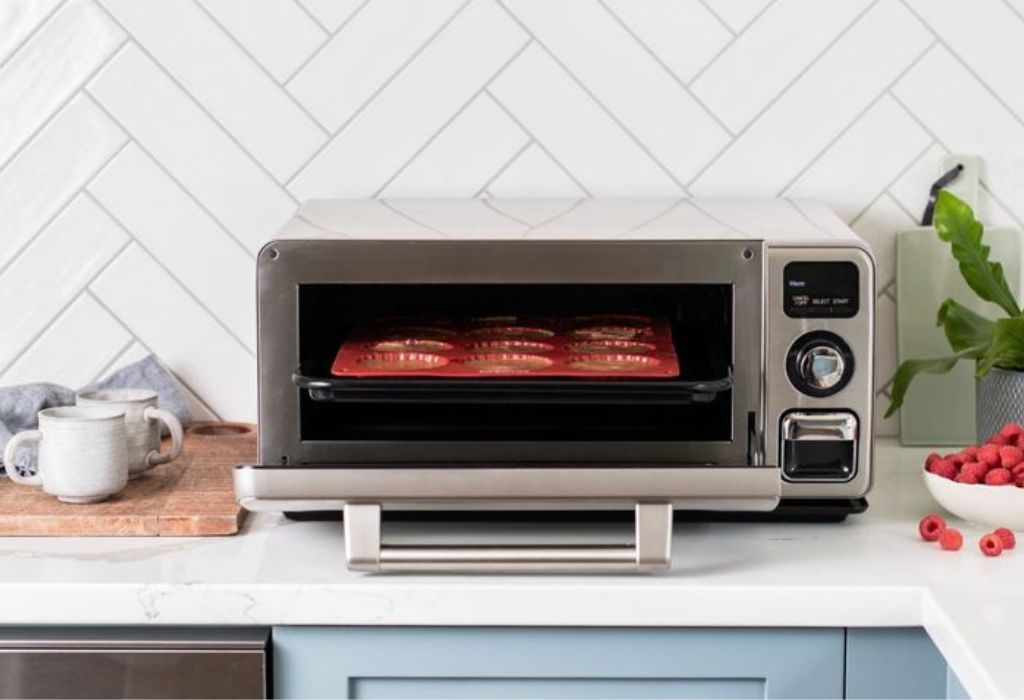
A steam oven is a cooking appliance that uses heated water vapor instead of only dry heat. It generates steam inside the chamber by boiling water from an internal or external reservoir. This steam surrounds food and cooks it evenly without removing natural moisture.
Steam ovens maintain lower temperature ranges compared to traditional models. The gentle heat prevents food from drying out during longer cooking sessions. This method also helps maintain a consistent environment inside the oven.
Some steam ovens combine both steam and convection technology together. This combination allows crisping on the outside while keeping the interior soft and tender. It provides flexibility for different recipes and cooking styles at home.
Standalone steam ovens operate using pure moisture without circulating dry air. These models work best for vegetables seafood and delicate dishes. They are often chosen by users who prioritize nutrient-focused cooking.
Combination steam ovens offer multiple modes for everyday use. They can switch between steam baking roasting and reheating when needed. This makes them useful for kitchens that need one appliance for many tasks.
The working process is simple but effective for modern cooking needs. Steam transfers heat faster than air making cooking more efficient overall. Understanding this function helps you decide whether a steam oven suits your lifestyle.
Why Steam Cooking Is Healthier Than Dry Heat
Steam cooking does not require added oil to keep food moist and tender. This reduces unnecessary fat intake during everyday meal preparation. People who follow heart-friendly or low-calorie diets benefit from this method.
Dry heat often removes moisture and changes the natural structure of food. It can make vegetables shrink and lose water-soluble nutrients more quickly. Steam protects these nutrients by surrounding food with gentle humidity.
Steam helps maintain natural color and shape during cooking. Vegetables stay bright instead of turning dull or mushy after heating. This makes meals more visually appealing and enjoyable to eat.
Protein-based dishes like chicken and fish stay tender without drying. The gentle temperature prevents fiber tightening which causes toughness. This helps maintain a softer and more desirable texture.
Steam also reduces the formation of harmful compounds that appear at high temperatures. Dry heat methods like frying or broiling can produce unwanted reactions. Lower cooking heat supports healthier meal preparation overall.
Choosing steam improves nutrition without sacrificing taste or convenience. It supports healthier eating habits for families and busy individuals. Understanding this benefit makes steam ovens appealing to health-focused home cooks.
Benefits for Moisture Retention and Food Texture
Steam ovens surround food with humidity that prevents internal moisture loss. This creates a softer and more tender result compared to dry heat. It helps maintain natural juiciness even during longer cook times.
Bread and baked goods rise more evenly in a steam environment. The moisture allows the dough surface to expand before crust formation begins. This results in a lighter texture with a smooth outer finish.
Meats retain their natural juices during cooking without needing added liquids. Steam prevents the fibers from tightening too quickly under heat. This leads to a more consistent and delicate texture throughout the dish.
Reheating leftovers in steam keeps food soft instead of rubbery. Dry heat can create hard edges especially on rice and pasta. Steam warms food gently and restores original texture without extra water.
Vegetables stay crisp instead of becoming overly soft or broken. The moisture keeps cell structure intact while fully cooking the inside. This preserves bite and improves the eating experience noticeably.
Moisture retention also reduces the need for constant monitoring. Food is less likely to burn or develop dry spots unexpectedly. These advantages make steam ovens helpful for both beginners and experienced cooks.
How Steam Preserves Nutrients and Natural Flavor
Steam cooking helps protect vitamins that dissolve in water during boiling. Because food does not sit in liquid nutrients stay inside the ingredients. This makes meals healthier without requiring supplements or added seasoning.
Dry heat can reduce flavor when moisture evaporates too quickly. Steam keeps natural juices locked inside the food during cooking. This allows dishes to taste richer without additional sauces.
Color retention is another benefit of nutrient protection. Bright greens and oranges remain vibrant after steaming vegetables. This visual quality often indicates better freshness and mineral preservation.
Seafood maintains delicate flavor more effectively under steam. Strong or fishy odors reduce because cooking happens at lower temperatures. This results in cleaner taste and better dining experience at home.
Herbs and spices stay aromatic without drying out. Steam enhances natural oils instead of burning them away. This creates balanced flavor throughout the dish without overpowering notes.
Preserving nutrients and flavor supports healthier daily eating. Food tastes better while maintaining beneficial components like antioxidants. This makes steam ovens valuable for people focused on wellness and quality.
Faster Heating and Reduced Cooking Time Advantages
Steam transfers heat more efficiently than dry air inside an oven. This allows cooking to begin sooner without long preheating periods. Busy households save time during daily meal routines.
Faster heating prevents food from spending unnecessary time in high temperatures. This reduces the chance of overcooking or nutrient breakdown. It also helps maintain consistent results between batches.
Combination steam ovens speed up roasting and baking tasks. The moisture keeps the surface from drying while heat cooks the interior. This shortens total cooking time without lowering quality.
Frozen foods reheat more quickly under steam. Ice crystals melt evenly which avoids soggy or hardened patches. This makes reheating leftovers more reliable for packed lunches and dinners.
Batch cooking becomes easier because multiple trays finish sooner. Steam ensures even heat distribution across different levels. This improves efficiency for meal planners and larger families.
Saving time also reduces overall energy use in long-term cooking. Shorter cycles mean less power consumption during meal preparation. These advantages make steam ovens practical for modern kitchen routines.
Steam Oven Benefits for Baking and Bread-Making
Steam helps dough rise more evenly by keeping the surface moist during baking. This prevents the crust from forming too early and restricting expansion. The result is bread with a lighter interior and smoother outer finish.
Professional bakers use steam to achieve glossy and well-developed crusts. The humidity allows starches to gelatinize properly before browning begins. This creates the ideal balance between softness and exterior texture.
Cakes and pastries maintain moisture without collapsing after baking. Steam reduces the risk of cracking on delicate batters that need gentle heat. This helps produce consistent results even for beginners at home.
Steam also supports even heat distribution across multiple trays. Baking cookies or rolls becomes more reliable without rotating racks repeatedly. This saves time and ensures matching color and texture on every sheet.
Combination steam ovens allow switching to dry heat at the final stage. This creates crisp crust without sacrificing internal softness or flavor. The flexibility makes one appliance suitable for many baking styles.
People who frequently bake at home benefit from these advantages significantly. Steam improves quality without requiring special ingredients or advanced skills. This makes steam ovens appealing for both hobby bakers and professionals.
Reheating Leftovers Without Drying or Hard Edges
Steam reheats food gently without stripping moisture from the surface. This prevents rice pasta and bread from becoming rubbery or hardened. The texture stays closer to freshly cooked meals even after storage.
Microwaves often create hot and cold spots during reheating. Dry air can also toughen proteins and dull vegetable texture quickly. Steam distributes heat evenly and restores softness more effectively.
Leftovers like pizza maintain crispness when using steam and convection together. The steam keeps the inside tender while airflow crisps the exterior. This avoids soggy results that happen with standard reheating methods.
Meats reheat without releasing excess juices onto the tray. The fibers remain relaxed instead of tightening under high temperatures suddenly. This helps preserve flavor and prevents dryness during warming.
Reheating soups and sauces becomes faster and smoother under steam. The moisture prevents skin formation on creamy or thick mixtures. This improves consistency and makes serving easier for busy households.
Using steam reduces food waste by improving leftover quality. Meals stay enjoyable instead of being thrown away after reheating failure. This benefit makes steam ovens practical for families and meal planners.
Benefits for Meal Prep and Batch Cooking Routines
Steam allows cooking multiple dishes at once without flavor transfer. Vegetables fish and grains can share space without absorbing odors. This supports efficient weekend meal prep for the entire week.
Batch cooking becomes faster because steam shortens total cooking time. Even heat prevents rotating trays or switching rack positions repeatedly. This creates smoother workflow for large portions or family meals.
Food stays moist even after long cooking cycles. Steam maintains moisture without needing added oil or broth in recipes. This supports healthier eating and reduces unnecessary calories naturally.
Reheating prepped meals becomes easier through built-in steam settings. Containers warm evenly without drying sections or leaving cold spots. This saves time during lunch breaks and busy evening schedules.
Steam reduces the risk of burning while multitasking. Moisture stabilizes temperature and prevents sudden overheating inside the chamber. This makes cooking safer for people managing several tasks at once.
Meal prep routines become more reliable with consistent results. Steam supports predictable texture and flavor across repeated batches. This makes steam ovens valuable for organized kitchens and nutrition-focused households.
Safety Features and Lower Risk of Burning Food
Steam ovens operate at lower temperatures compared to dry heat. This reduces the chance of burning food on the surface quickly. Gentle cooking helps protect delicate items from sudden overheating.
Moisture inside the chamber prevents food from sticking or forming hard crusts. This lowers the risk of charred edges during longer cooking times. It also decreases smoke production inside the kitchen environment.
Many steam ovens include automatic shutoff features for added safety. Sensors monitor internal temperature and water levels during cooking. This prevents malfunction and protects the appliance from damage.
Cool-touch doors reduce accidental burns when opening the oven. Triple-glazed glass keeps exterior surfaces safer for families with children. This feature also improves insulation and energy retention.
Steam cooking reduces flare-ups that occur with exposed heating elements. Moisture stabilizes temperature and prevents fat from splattering. This creates a cleaner and safer cooking environment overall.
Lower risk of burning increases confidence for new home cooks. People can experiment without worrying about ruining meals quickly. These advantages make steam ovens suitable for safety-conscious households.
Energy Efficiency and Long-Term Cost Benefits
Steam transfers heat more efficiently than dry air inside an oven. This reduces preheating time and overall cooking duration significantly. Shorter operation means less energy consumed during daily use.
Well-insulated steam ovens maintain stable temperature with minimal fluctuation. They do not require frequent reheating to maintain cooking conditions. This saves electricity or gas over long-term cooking routines.
Combination steam ovens can cook at lower temperatures without losing quality. Lower heat input means reduced energy demand compared to standard baking. This creates cost savings for frequent home cooks.
Faster reheating also helps decrease total power usage. Steam warms food quickly without relying on extended high settings. This benefits households that reheat meals multiple times each week.
Energy efficiency becomes noticeable over months of regular usage. Families who cook often see reduced utility bills gradually. Occasional users still benefit from improved performance and time savings.
Balancing upfront cost with long-term benefits creates better value. Energy-efficient steam ovens may cost more initially than standard models. However the lifetime savings make them a smart investment for many kitchens.
Who Should Choose a Steam Oven and Kitchen Suitability
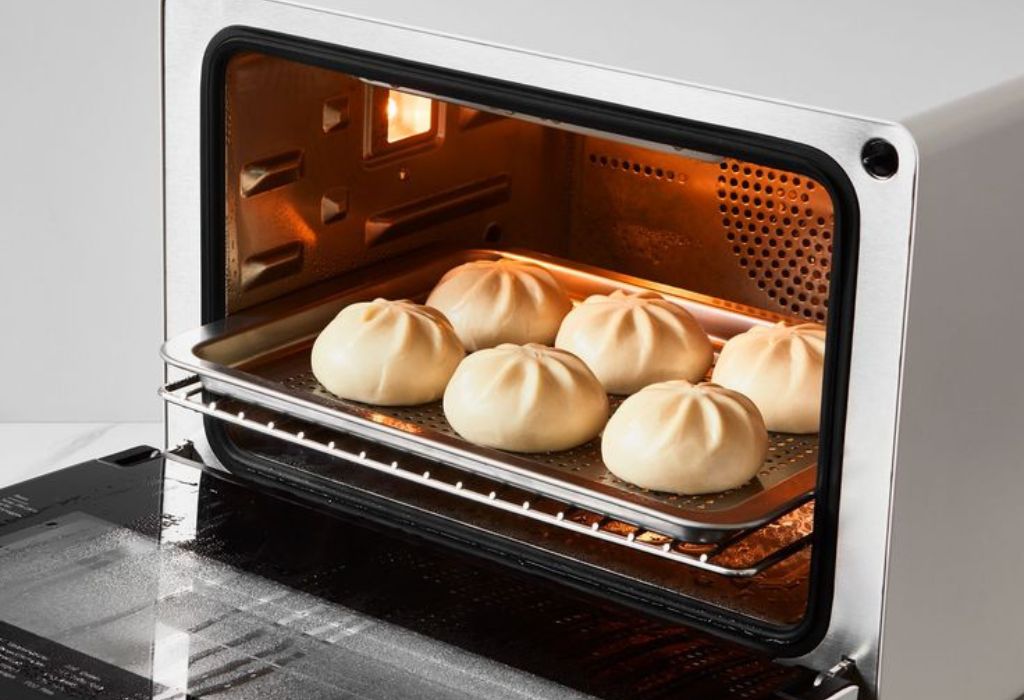
Steam ovens are ideal for people who prioritize healthier cooking habits. Families seeking reduced oil usage benefit from moisture-based heat. This supports long-term wellness without sacrificing meal enjoyment.
Home bakers gain improved results for bread pastries and delicate desserts. Steam allows dough to rise smoothly and maintain internal softness. This makes baking more consistent even for beginners.
Busy households that reheat leftovers frequently gain convenience. Steam restores original texture instead of creating dryness or rubbery edges. This improves meal quality without additional effort or additives.
People who meal prep can cook multiple foods at once safely. No flavor transfer allows different dishes to share space comfortably. This saves time and simplifies weekly cooking routines.
Steam ovens require adequate space and proper installation planning. Some models need water connections while others use refillable reservoirs. Understanding kitchen layout ensures suitable placement before purchase.
Choosing a steam oven depends on lifestyle cooking habits and budget. Users who value nutrition texture and convenience benefit most. This appliance becomes a long-term upgrade for modern and health-focused kitchens.
Frequently Asked Steam Oven Benefits
Is a steam oven worth it for everyday cooking?
A steam oven benefits daily meals by keeping food moist and flavorful. It reduces the need for added oil during cooking. Families who cook frequently notice improved texture and nutrition.
Can a steam oven replace a regular oven?
Combination steam ovens can handle baking roasting and reheating. Pure steam models work best for vegetables fish and gentle cooking. Your choice depends on the type of dishes you prepare most.
Do steam ovens require a water connection?
Some models connect directly to a water line for continuous steam. Others use removable reservoirs that need manual refilling. Always check the installation requirements before purchasing.
Is food crisp in a steam oven or always soft?
Pure steam keeps food soft and tender without browning. Combination steam with convection creates crispy surfaces when needed. This allows flexibility based on the recipe and cooking style.
Are steam ovens good for baking bread?
Steam helps dough rise by preventing early crust formation. This creates lighter texture and smoother exterior results. Many bakers use steam for professional-quality bread at home.
Does a steam oven save energy during cooking?
Steam reduces preheating and overall cooking time significantly. Less time running means lower energy use over months. Efficient insulation also improves long-term performance.
Can you reheat leftovers in a steam oven?
Steam reheats food without drying edges or turning it rubbery. It restores original softness and texture more effectively than microwaves. This reduces food waste and improves meal enjoyment.
Are steam ovens safe for families with children?
Many models include cool-touch doors and automatic shut-off systems. Lower cooking temperatures reduce burning risks during operation. These features make steam ovens suitable for safety-focused homes.
Do steam ovens need special cleaning routines?
Steam reduces baked-on residue and makes cleaning easier. Most interiors wipe clean without harsh chemicals or scrubbing. Some models include automatic descaling reminders for maintenance.
Who should not choose a steam oven?
People who only want browned or crispy results may prefer dry heat. Pure steam models cannot replace roasting functions alone. In that case a combination steam oven is a better option.
Conclusion
Steam ovens offer a healthier and more efficient way to cook everyday meals. Steam protects natural texture and nutrition without needing extra oil. This makes food taste fresher while supporting long-term wellness at home.
The benefits extend beyond cooking into reheating and batch preparation. Steam restores softness in leftovers and prevents dryness during warming. It also shortens cooking time which reduces overall energy use.
Steam ovens support better baking results by improving dough expansion. Bread and pastries stay moist while developing smooth exterior finishes. Even delicate dishes remain tender without risk of burning or cracking.
Choosing a steam oven depends on kitchen space and lifestyle habits. Users who value nutrition texture and convenience benefit the most. With proper planning a steam oven becomes a smart upgrade for modern homes.

I’m Emma J. Caldwell, the founder, lead writer, and home-cooking enthusiast behind KitchenGuideCo.com. With a background in culinary arts and over a decade of cooking experience in both professional and personal kitchens, I created this platform to demystify recipes, offer smart kitchen gadget reviews, and guide readers through meal prep with confidence and clarity.