Many people first notice built in ovens while visiting a newly designed kitchen. The sleek appearance makes the space look more organized and modern immediately.
Instead of having everything combined in one appliance the oven blends into cabinetry like a natural part of the room.
The design also changes how people cook every day at home. A built in oven sits at eye level which means no bending to check food or remove heavy dishes. This small difference improves comfort and makes cooking feel easier and safer for everyone in the household.
However not everyone knows what makes a built in oven different from a freestanding model. The choice affects installation cost kitchen layout and overall performance.
This guide explains everything step by step so you can decide whether a built in oven is the right upgrade for your home.
What a Built In Oven Is and How It Differs From Freestanding
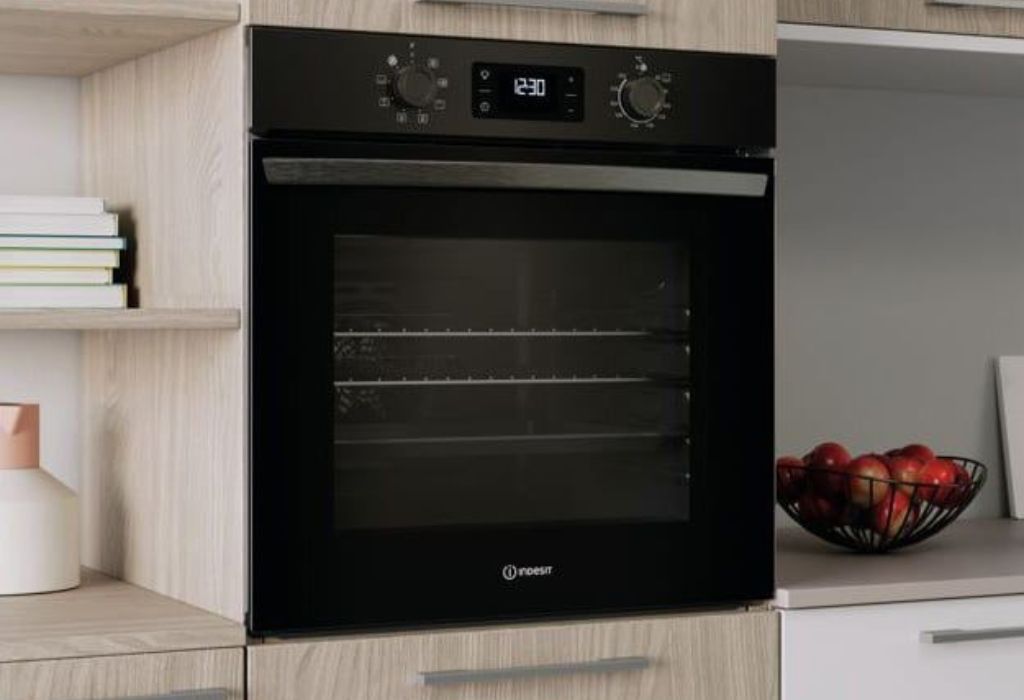
A built in oven is a cooking appliance installed directly into kitchen cabinetry. It does not sit on the floor like traditional freestanding ovens with cooktops. Instead it fits into a wall or cabinet opening for a seamless appearance.
Built in ovens operate independently from stovetops or cooking ranges. This allows users to place the cooktop in a different area of the kitchen. The separation provides flexibility in layout and more customized workspace design.
Freestanding ovens include both the cooktop and oven in one combined unit. They stand on the floor and can be moved more easily during renovations. Built in ovens are fixed into position and require proper measurement before installation.
The design of a built in oven creates a more modern and organized look. It hides unused space and blends with cabinetry for a clean finish. Many homeowners choose this style for minimalist or contemporary kitchen themes.
Built in ovens are available in various sizes depending on cabinet configuration. Standard models usually measure sixty centimeters wide but larger versions exist. Choosing the right size depends on cooking needs and available space.
Understanding the difference helps buyers choose based on lifestyle rather than appearance alone. Each option has benefits depending on kitchen size and usage habits. Knowing these details makes the decision easier and more confident.
How a Built In Oven Works and Main Design Features
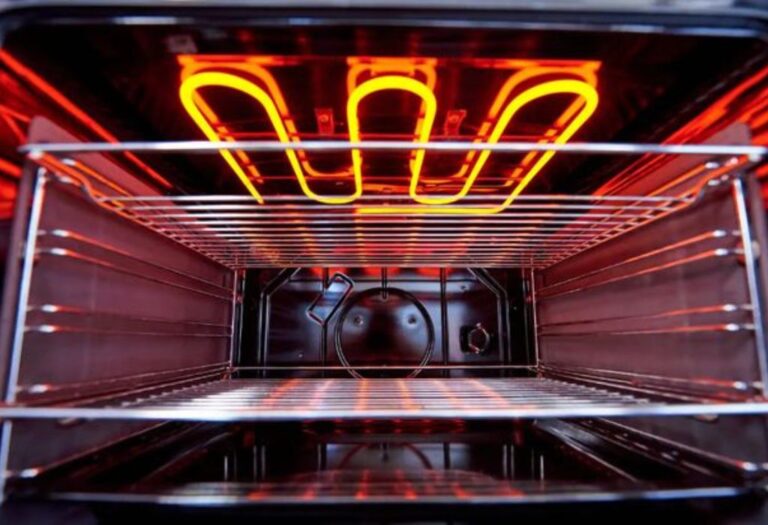
A built in oven functions using heating elements that warm the enclosed chamber. Electric models provide precise temperature control suitable for baking and roasting. Some gas versions are also available depending on home connections.
The control panel is usually located on the front of the oven. This makes adjusting settings easier without reaching over hot surfaces. Digital timers and temperature displays improve accuracy during everyday cooking.
Insulated walls help the oven retain heat efficiently during operation. Better insulation reduces energy loss and keeps the exterior cooler to touch. This improves safety and lowers overall energy consumption.
Many built in ovens include convection fans for even heat distribution. The fan circulates air to eliminate hot spots inside the cooking chamber. This feature allows multiple trays to bake consistently at the same time.
Interior lighting allows users to check food without opening the door. Opening the door releases heat and slows cooking time unnecessarily. Clear visibility helps monitor progress more comfortably and safely.
Built in ovens may offer steam functions self-cleaning modes or smart controls. These features vary by model and influence price and performance. Understanding design elements helps buyers choose based on cooking preferences.
Types of Built In Ovens and Size Variations
Built in ovens come in several types depending on cooking needs and kitchen layout. The most common options include single ovens double ovens and compact models. Each type offers different capacity and installation flexibility for homeowners.
Single built in ovens fit into standard cabinet spaces and work well for small families. They provide enough room for everyday baking roasting and reheating. This option suits kitchens where space or electrical capacity is limited.
Double built in ovens include two separate cooking chambers stacked vertically. They allow users to cook different dishes at different temperatures simultaneously. This design is ideal for large households or frequent entertainers.
Compact built in ovens typically measure around forty-five centimeters in height. They combine microwave or steam functions for multi-purpose cooking convenience. Compact models are useful in apartments or secondary kitchen areas.
Size variations depend on cabinet width and oven capacity requirements. Standard built in ovens often measure sixty centimeters across the front. Larger ninety-centimeter versions offer more space for oversized cookware.
Choosing the right type depends on cooking habits and available cabinetry. Families who batch cook may prefer double ovens for flexibility. Understanding these variations helps match the appliance to everyday use.
Benefits for Kitchen Design and Space Efficiency
A built in oven creates a clean and seamless look that enhances kitchen design. It blends with cabinetry instead of standing out as a separate appliance. This modern appearance appeals to homeowners planning stylish renovations.
Installing the oven at eye level improves comfort during cooking. Users do not need to bend when checking or removing heavy dishes. This ergonomic advantage benefits older adults and anyone with mobility concerns.
Built in ovens free up floor space compared to freestanding models. The absence of a lower unit allows flexible storage and cabinet placement. This helps maximize usable room in compact kitchens.
The separation of cooktop and oven allows multiple layout possibilities. A cooktop can be positioned on an island or counter away from the oven. This creates a more open and efficient cooking triangle.
Cable and ventilation integration keeps the kitchen looking uncluttered. Wires and gas lines remain hidden behind cabinetry for a tidy finish. This improves both appearance and overall safety inside the home.
These benefits make built in ovens popular in contemporary and custom-designed kitchens. Their space-saving and aesthetic advantages suit both small and large homes. The result is a more functional and visually appealing cooking environment.
Cooking Performance and Temperature Consistency Advantages
Built in ovens provide stable temperature control for precise cooking results. Insulated walls help maintain even heat throughout the chamber. This improves baking accuracy and prevents hot or cold spots.
Convection models include a fan that circulates air continuously. The airflow reduces cooking time and ensures consistent browning across trays. This benefits users who bake multiple dishes at the same time.
Built in ovens often heat faster than freestanding units with older designs. Better temperature recovery occurs after the door opens briefly. This feature supports efficient cooking during busy meal preparation.
The sealed installation reduces vibration and improves heat retention. Less heat escapes into the surrounding kitchen during operation. This keeps cooking faster and more energy-efficient over time.
Many built in ovens offer preset functions for common recipes. These include pizza settings bread modes and slow-cooking options. Presets reduce guesswork and improve results for inexperienced cooks.
Consistent performance makes built in ovens reliable for everyday meals. The stable environment supports delicate dishes that require steady heat. These advantages appeal to home cooks who value predictable results.
Installation Requirements and Proper Ventilation Needs
Installing a built in oven requires accurate cabinet measurements and planning. The opening must match the oven dimensions for secure placement. Incorrect sizing can cause gaps or overheating issues around the unit.
Proper ventilation is essential to release heat safely during operation. Built in ovens need airflow behind and sometimes beneath the cabinet. Without ventilation the surrounding wood may overheat and become damaged.
Electrical requirements depend on the oven model and power rating. Most built in ovens require a dedicated circuit to prevent overload. Hiring a licensed electrician ensures safe wiring and compliance with regulations.
Gas built in ovens require professional installation for safety. A certified technician must connect and test the gas line. This prevents leaks and ensures proper ignition during use.
Some models need space around the door for full opening clearance. Measuring adjacent cabinets prevents obstruction when loading heavy dishes. Planning these details avoids frustration after installation.
Following manufacturer guidelines prevents structural and performance issues. Professional installation protects warranty coverage and long-term reliability. Proper setup ensures the oven operates safely and efficiently in any kitchen.
Built In vs Freestanding Ovens: Key Comparison for Buyers
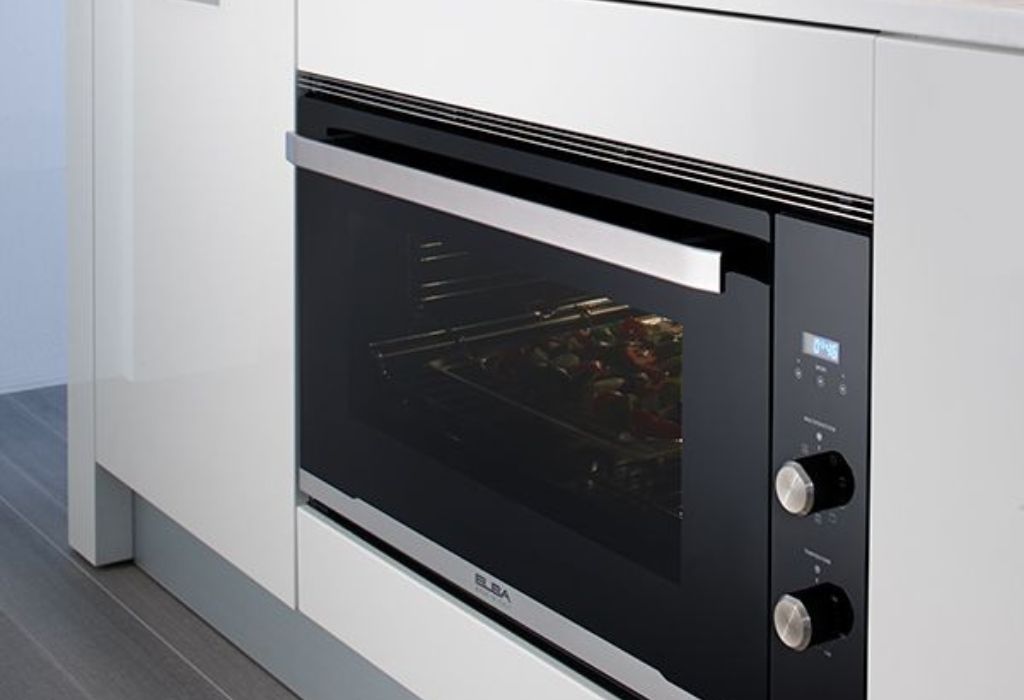
Built in ovens offer a sleek appearance that blends with cabinetry. They improve kitchen design but require fixed installation and planning. Freestanding ovens are easier to move and replace when remodeling.
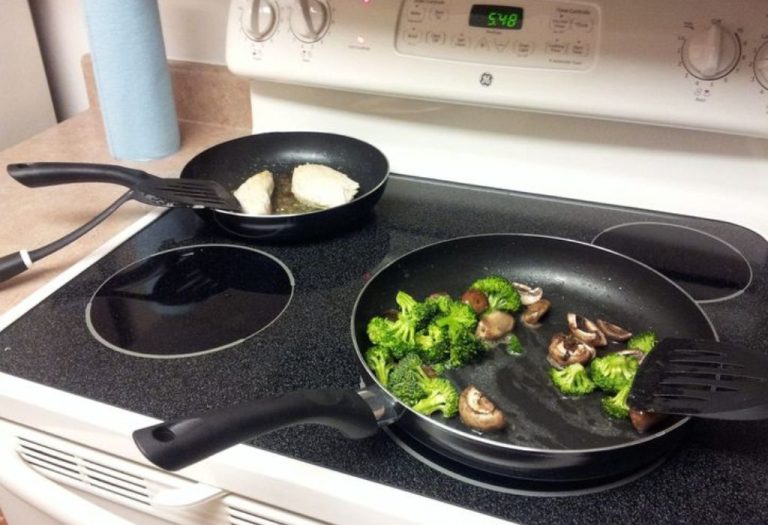
Freestanding ovens combine a cooktop and oven in one appliance. This saves space for users who prefer all-in-one convenience. Built in ovens separate the two for flexible layout choices.
Built in ovens often provide better temperature consistency and preset features. Their insulation supports even cooking across multiple trays. Freestanding models may vary depending on design and age.
Installation cost is higher for built in ovens due to cabinetry work. Freestanding ovens require less preparation and minimal adjustments. This makes them more budget-friendly for temporary living spaces.
Built in ovens improve ergonomics by positioning at eye level. Freestanding models require bending to check or remove heavy pans. This difference affects comfort during frequent cooking.
Choosing between the two depends on kitchen size budget and lifestyle. Buyers should consider long-term plans before making a decision. Each option offers benefits based on individual household needs.
Built In Oven Questions You Should Know
Is a built in oven the same as a wall oven?
Yes the terms are often used interchangeably depending on design. Both refer to ovens installed into cabinetry instead of standing on the floor. The exact name may vary by brand or region.
Can a built in oven be installed under a countertop?
Yes many single built in ovens fit under counters with proper ventilation. Ensure the space meets manufacturer clearance requirements before installation. Professional fitting prevents overheating and structural damage.
Does a built in oven require special electrical wiring?
Most models need a dedicated electrical circuit for safe operation. This prevents overload and maintains consistent heating performance. Always consult an electrician before connecting the appliance.
Can you move a built in oven after installation?
Built in ovens are not designed for frequent relocation. They are secured into cabinetry and connected through wiring or gas lines. Moving requires professional assistance and cabinet adjustment.
Are built in ovens more energy-efficient than freestanding?
Energy efficiency depends on the model rather than installation type. Newer built in ovens have better insulation and faster heating. Comparing energy ratings helps determine long-term savings.
Do built in ovens come with self-cleaning features?
Many modern models offer pyrolytic or steam cleaning options. These reduce manual scrubbing and remove residue effectively. Features vary by brand and price range.
Can a microwave replace a built in oven?
A microwave cannot perform baking and roasting like a full oven. Some compact built in models combine both functions for convenience. Choose based on cooking habits and meal types.
What size cabinet is needed for a built in oven?
Standard built in ovens fit a sixty-centimeter wide cabinet opening. Larger models may require ninety-centimeter spaces or custom sizing. Always measure accurately before purchasing.
How long does a built in oven typically last?
Most built in ovens last ten to fifteen years with proper care. Lifespan depends on brand usage frequency and maintenance. Regular cleaning helps extend performance over time.
Are built in ovens suitable for small kitchens?
Yes single built in ovens save floor space and improve layout flexibility. Compact models work well in apartments or narrow kitchens. Planning ensures the best placement without crowding.
Conclusion
A built in oven provides a modern and efficient upgrade for kitchen spaces. Its seamless design blends with cabinetry and improves overall layout. The appliance offers ergonomic comfort by eliminating the need to bend during cooking.
The performance advantages include consistent temperature control and faster heating. Convection models support even baking and multiple tray use. These features benefit both everyday cooking and special meal preparation.
Installation requires proper planning and professional assistance. Ventilation electrical connections and cabinet measurements must be accurate. Following guidelines ensures safety and long-term reliability for the appliance.
Choosing a built in oven depends on lifestyle kitchen size and cooking habits. Buyers should compare features and placement options before deciding. With the right selection a built in oven becomes a practical and stylish addition to any home.

I’m Emma J. Caldwell, the founder, lead writer, and home-cooking enthusiast behind KitchenGuideCo.com. With a background in culinary arts and over a decade of cooking experience in both professional and personal kitchens, I created this platform to demystify recipes, offer smart kitchen gadget reviews, and guide readers through meal prep with confidence and clarity.