A home cook flips a perfect omelet, only to find that the pan’s surface begins to lose its smoothness after a few months. The once-reliable nonstick coating scratches, stains, and suddenly food sticks where it should slide.
This frustration is common, leading to the question: is ceramic cookware better than Teflon? Both are marketed as convenient, safe, and easy to use, but the truth lies deeper than slogans and glossy packaging.
The curiosity grows when comparing their strengths. Ceramic is praised for being free of PFAS and PFOA, while Teflon is known for its long-standing slick surface and low-effort cooking. Which option delivers the best balance of performance, safety, and durability?
The debate has real-world impact. According to Consumer Reports, nearly 30% of nonstick pans lose their effectiveness within the first year when mishandled (source). Another study highlights that PTFE coatings degrade above 500°F, releasing fumes that can pose risks in poorly ventilated kitchens (source).
These statistics make the choice more than a matter of convenience. For health-conscious households, safety claims matter just as much as cooking performance. For budget-minded buyers, cost and lifespan often outweigh marketing promises.
The good news is that both ceramic and Teflon can serve well when chosen carefully and used properly. Knowing how they differ helps avoid costly mistakes and ensures a better cooking experience.
What Are Ceramic and Teflon (PTFE) Coatings?
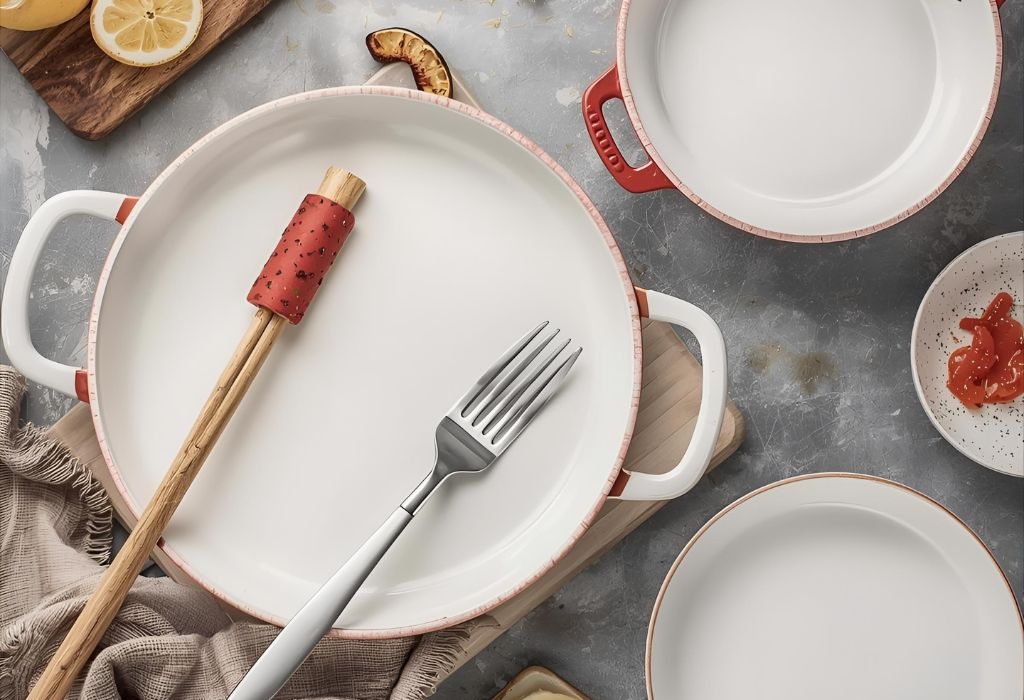
Ceramic cookware uses a silica-based sol-gel coating applied over a metal base such as aluminum or stainless steel. This mineral-based layer hardens into a glossy finish that provides initial nonstick ability without relying on synthetic polymers. Its popularity comes from claims of being free from PFAS, PFOA, and other harmful chemicals.
Teflon, by contrast, is the brand name for PTFE, a synthetic fluoropolymer invented in the 20th century. PTFE became the standard for nonstick cookware because of its exceptional slickness, making it nearly impossible for food to stick when used properly.
Despite its effectiveness, Teflon has faced scrutiny due to its association with PFOA, a chemical once used in its production but now largely phased out.
Both coatings share similarities in application. They are sprayed or bonded onto cookware bases to create a smooth surface, and each requires careful temperature management to maintain integrity.
However, their compositions differ fundamentally—ceramic relying on natural minerals and Teflon on synthetic polymers. This difference influences performance, safety, and marketing claims.
Performance Comparison: Food Release, Sticking, and Cooking Behavior
Performance is often the first factor home cooks notice when choosing between ceramic and Teflon. Teflon consistently outperforms ceramic in initial nonstick ability. Eggs, pancakes, and delicate fish fillets slide easily across a PTFE-coated surface, making cooking and cleanup simple.
Ceramic also provides a slick surface, but its performance tends to decline faster. While it may release food well in the first months, exposure to high heat and repeated cleaning causes the coating to lose its smoothness.
As the glossy finish fades, food begins sticking more often, requiring oil or butter for cooking that was once unnecessary.
Another difference lies in browning and searing. Ceramic cookware often handles slightly higher heat than Teflon before degradation begins, giving it an advantage in achieving better browning on meats and vegetables.
However, this strength is short-lived if the pan is overheated frequently, as the coating becomes brittle and loses effectiveness.
Heat distribution also varies depending on the cookware base. Aluminum provides quick heating but risks hotspots, while stainless steel bases offer better stability. Both ceramic and Teflon rely heavily on the quality of their construction to deliver consistent cooking results.
Safety and Health Considerations
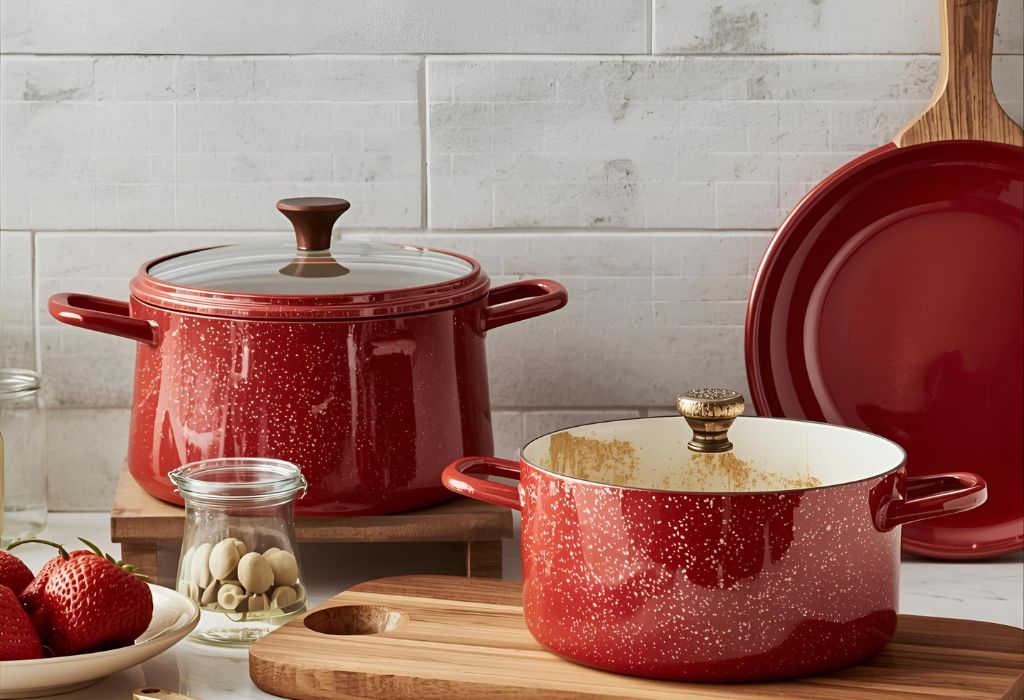
Safety is where ceramic cookware often gains an edge in marketing. Its coatings are promoted as free from PFAS, PFOA, and PTFE, making it attractive to buyers worried about chemical exposure. For many consumers, this assurance of being “non-toxic” creates a sense of security when cooking for families.
Teflon, however, has a more complicated reputation. For years, PFOA was used in PTFE production, and this chemical has been linked to environmental and health risks. Modern Teflon pans no longer use PFOA, but the association lingers.
Additionally, PTFE begins to degrade at temperatures above 500°F, releasing fumes that can cause flu-like symptoms if inhaled in poorly ventilated kitchens.
Ceramic coatings avoid this problem but are not without concerns. Poorly manufactured or unregulated ceramic products have occasionally tested positive for heavy metals such as lead or cadmium in decorative glazes.
Reputable brands follow strict standards, but buyers must remain cautious about cheap, uncertified products.
The conclusion on safety is not clear-cut. Teflon is safe under controlled temperatures and careful use, while ceramic is safer in terms of chemical composition but may degrade faster, exposing the base metal. Both require thoughtful handling to minimize risks.
Durability and Lifespan
Durability is one of the biggest differences between ceramic and Teflon cookware. Teflon pans typically last between three and five years when cared for properly. Their synthetic polymer surface, while prone to scratching, maintains nonstick ability longer than ceramic coatings.
Ceramic cookware, in contrast, often loses its nonstick qualities within one to three years, especially when exposed to frequent high-heat cooking or abrasive cleaning methods. The mineral coating becomes brittle over time, leading to surface cracking, dulling, and reduced performance.
Scratching is another concern. Both coatings are vulnerable to metal utensils, but ceramic is particularly sensitive. Even gentle use can create small scratches that quickly accumulate, leading to sticking and discoloration.
The lifespan of either coating depends heavily on care. Hand washing, avoiding dishwashers, cooking at moderate temperatures, and using soft utensils extend performance. Yet, in side-by-side comparisons, Teflon consistently delivers longer usability.
Cost and Value for Money
Price is often a deciding factor for many households. Ceramic cookware tends to be slightly more expensive upfront, especially when marketed as premium or eco-friendly. Brands emphasize health benefits, eco-conscious production, and stylish designs, which add to the cost.
Teflon cookware generally comes at a lower starting price. Even high-quality PTFE pans are often cheaper than comparable ceramic models, making them appealing for budget-conscious buyers. However, long-term value also depends on durability.
Because Teflon pans often last longer, their cost per year of use can be lower than ceramic pans that require earlier replacement. A ceramic pan that needs replacement every two years may cost more in the long run than a Teflon pan that lasts four or five years with similar care.
This makes Teflon attractive for value, while ceramic appeals to buyers prioritizing health, safety, or eco-friendly branding over pure longevity.
Choosing the Right Cookware: What to Look For
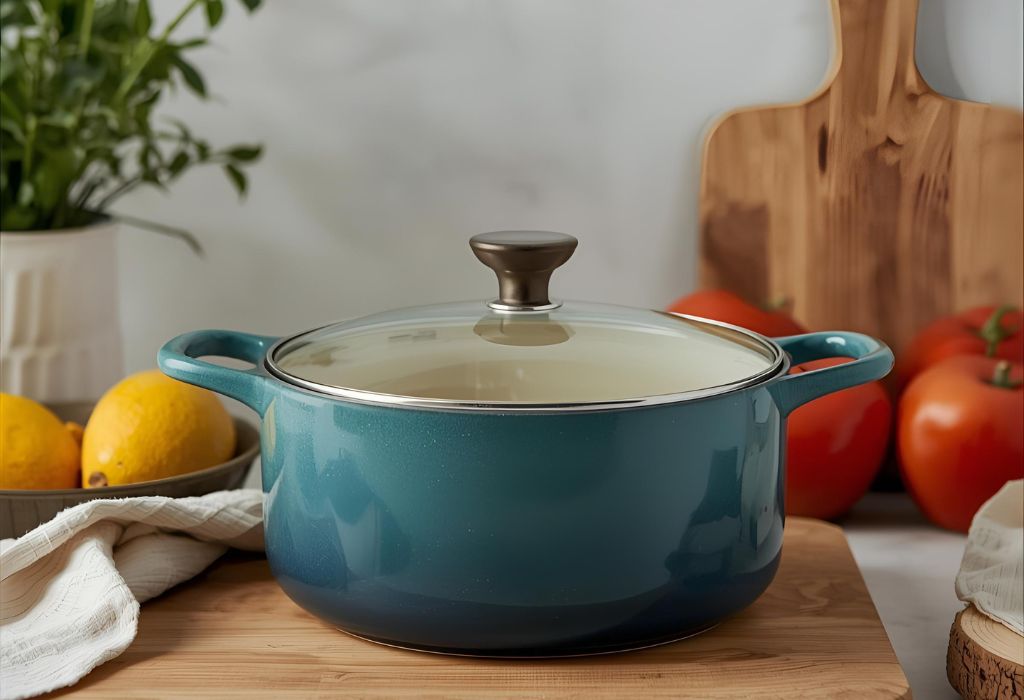
Choosing between ceramic and Teflon begins with defining priorities. Those who value chemical-free cooking may lean toward ceramic, while those who prioritize proven nonstick performance may prefer Teflon.
Quality is the most important factor for either choice. Buyers should look for certifications such as “PFAS-free” or “lead and cadmium free” when selecting ceramic cookware. For Teflon, it is important to confirm the pan is PFOA-free and manufactured by reputable brands with clear safety standards.
Heat tolerance also matters. Both ceramic and Teflon should be used at low to medium heat for maximum lifespan, despite marketing claims about high-temperature resistance. Utensil choice is another factor. Wood, silicone, or nylon tools are safest for both types of coatings, while metal utensils should be avoided.
Cleaning routines play a major role in extending performance. Hand washing with mild soap and soft sponges is recommended, as dishwashers accelerate coating wear. Proper storage, such as using pan protectors or hanging racks, also prevents scratches from stacking.
By focusing on quality, safety labels, and proper care, buyers can maximize the lifespan and value of whichever cookware they choose.
Myths and Marketing Hype
The cookware industry thrives on bold claims, and ceramic vs Teflon debates are no exception. Marketing often oversimplifies differences to sway buyers.One common myth is that ceramic cookware is entirely free of synthetic additives.
While most use mineral-based coatings, some cheaper “ceramic” pans incorporate polymer blends or undisclosed additives.
Another claim is that certain coatings are completely metal utensil safe. While reinforced coatings exist, no surface is immune to scratches when exposed to repeated scraping. Even “diamond-infused” or “titanium-reinforced” ceramic coatings eventually show wear under heavy use.
Heat tolerance is another area of exaggeration. Ceramic pans are often advertised as oven-safe at higher temperatures than Teflon, but real-world use reveals performance drops quickly if overheated.
Teflon coatings are also sometimes portrayed as unsafe under all conditions, when in fact they remain stable and safe when used correctly within recommended limits.
Eco-friendly marketing also deserves scrutiny. Ceramic pans are often positioned as sustainable, but their production and disposal still involve energy-intensive processes. Teflon, while synthetic, can sometimes offer better long-term efficiency if pans last longer and require fewer replacements.
The truth lies between extremes. Both ceramic and Teflon have strengths and weaknesses, and much of the hype exists to capture consumer attention rather than provide full transparency.
Conclusion
The question is ceramic cookware better than Teflon or just hype does not have a single answer. Both coatings serve different purposes, and the better option depends on individual priorities.
Ceramic cookware excels in health-focused marketing, offering a PFAS and PFOA-free surface that appeals to safety-conscious households. Its stylish designs and eco-friendly branding add to its popularity. However, its shorter lifespan and sensitivity to scratching make it less durable in everyday kitchens.
Teflon cookware remains unmatched in nonstick performance and longevity under proper care. Despite its history with PFOA and concerns about high-heat fumes, modern PTFE pans are safe when used correctly.
Their lower cost and proven track record make them valuable for budget-minded cooks who prioritize performance.
The decision ultimately comes down to lifestyle. Those seeking chemical-free reassurance may prefer ceramic, while those wanting reliable, long-lasting performance may lean toward Teflon. In either case, choosing high-quality brands, respecting heat limits, and practicing gentle cleaning will ensure the best results.
By understanding the strengths and weaknesses of both, cooks can make informed decisions that suit their kitchens.
Ceramic and Teflon are not rivals in absolute terms but options that meet different needs. The real key lies in aligning cookware choice with personal priorities, whether safety, performance, cost, or style.

I’m Emma J. Caldwell, the founder, lead writer, and home-cooking enthusiast behind KitchenGuideCo.com. With a background in culinary arts and over a decade of cooking experience in both professional and personal kitchens, I created this platform to demystify recipes, offer smart kitchen gadget reviews, and guide readers through meal prep with confidence and clarity.