Every kitchen tells a story of health, trust, and the tools chosen to prepare meals. Families today are more conscious than ever about what cookware touches their food.
The question often raised is simple but vital: is Carote stainless steel cookware safe for daily cooking? Parents and home cooks worry about coatings wearing off, stainless steel leaching metals, or hidden chemicals hiding under “non-stick” promises.
Carote has become a popular name in cookware because of its sleek designs, affordable prices, and claims of safety. But the brand’s growth brings new curiosity. Does it really live up to its marketing? Or are there hidden risks families should know?
According to Health.com, stainless steel remains one of the safest cooking surfaces due to its non-reactive properties. Another review from The Skillful Cook rated Carote cookware 8/10 in health and safety.
What Is Carote Stainless Steel Cookware?

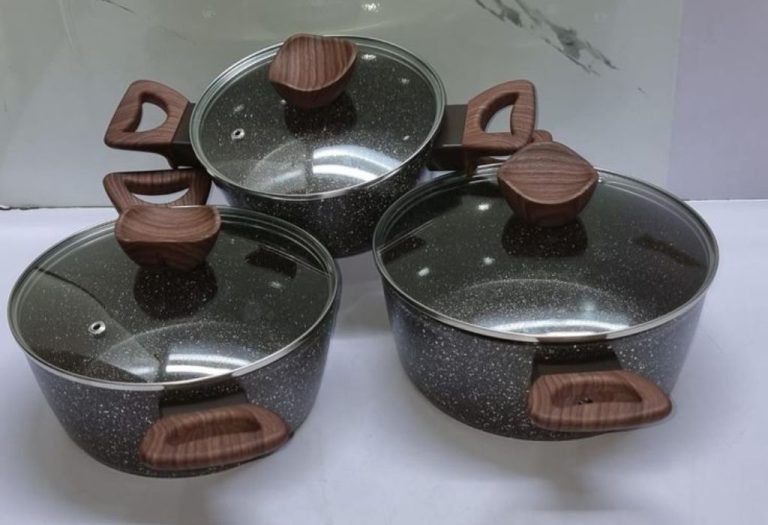
Carote is a Swiss-inspired brand specializing in affordable cookware that blends functionality with modern style. Their cookware lines often combine stainless steel bases with ceramic or granite-inspired non-stick coatings.
The stainless steel used in many Carote products is typically 18/8 food-grade steel, known for its balance of durability, corrosion resistance, and safety.
Some collections feature tri-ply or fully clad bases, meaning layers of stainless steel sandwich an aluminum core for better heat distribution.
Families find Carote appealing not just for its materials but also for its practicality. Sets often include removable handles for easy storage, stackable designs to save space, and induction-compatible bases to suit modern kitchens.
Unlike traditional Teflon pans, Carote emphasizes its PFAS, PFOA, and PFOS-free coatings, meaning they avoid older non-stick chemicals linked to health risks. Their coatings are usually sol-gel ceramic finishes marketed as safer and more eco-friendly than PTFE-based surfaces.
With these features, Carote cookware positions itself as both safe and family-friendly. But features on paper do not always match real-world performance. That’s why examining the safety of both the stainless steel body and the ceramic coating is essential.
Safety of Materials and Coatings
When evaluating cookware safety, two main elements must be assessed: the stainless steel body and the non-stick coating.
Stainless steel is celebrated for being non-reactive, especially when it’s food-grade 18/8 or 18/10. These grades contain chromium and nickel, which prevent rusting and improve durability. In normal cooking conditions, leaching of metals is minimal.
However, studies show that highly acidic foods like tomato sauce can cause trace nickel and chromium to migrate into food. For most people this is harmless, but individuals with nickel sensitivity may need caution.
The coating on Carote cookware is where families pay the closest attention. The brand claims all its coatings are free of PFAS, PFOA, and lead, chemicals often associated with health hazards.
This makes Carote coatings safer than older Teflon surfaces, which release toxic fumes when overheated.
Yet, ceramic coatings still face criticism. Over time, especially under high heat or if scrubbed with abrasive tools, they can wear down. Once the coating is scratched, the underlying material may be exposed, which can impact longevity and possibly safety.
Independent reviews often highlight Carote’s SGS and FDA certifications, which support the brand’s safety claims.
However, the durability of ceramic coatings is not infinite. Families should expect that a ceramic non-stick surface will last two to three years under daily use before performance declines.
Performance and Durability for Families
Beyond safety, performance determines whether cookware truly works for a busy household. Carote’s stainless steel cookware performs well in heat distribution thanks to its aluminum core. This minimizes hot spots, allowing even cooking across the pan.
Durability, however, depends heavily on how the cookware is treated. Ceramic-coated pans are more delicate than pure stainless steel or cast iron.
Families who frequently use metal utensils, run pans through dishwashers, or cook on high heat may find coatings wearing out faster than expected.
Reports suggest that Carote pans can maintain excellent non-stick performance for one to two years with careful use.
After that, food may begin sticking, and coatings may show signs of scratching. While this does not necessarily pose immediate health risks, it does affect cooking quality.
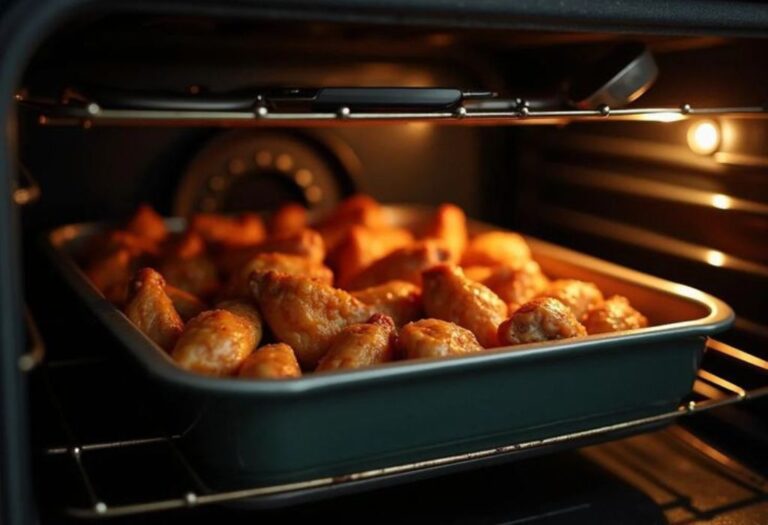
Handles are another durability factor. Many Carote pans come with Bakelite handles, which are heat resistant but not designed for extreme oven temperatures. Prolonged exposure beyond manufacturer limits may cause warping or weakening.
For families, this means Carote cookware works best when treated gently—medium heat cooking, hand washing, and careful utensil choices. Used this way, Carote can provide reliable service without major safety issues.
How to Use and Care for Carote Cookware Safely
Safety is not just about material quality—it also depends on how cookware is used daily. Even the best stainless steel pans can be compromised with poor handling.
To maintain safety and extend lifespan, Carote cookware should be used on low to medium heat. High heat risks damaging the non-stick coating and can accelerate wear.
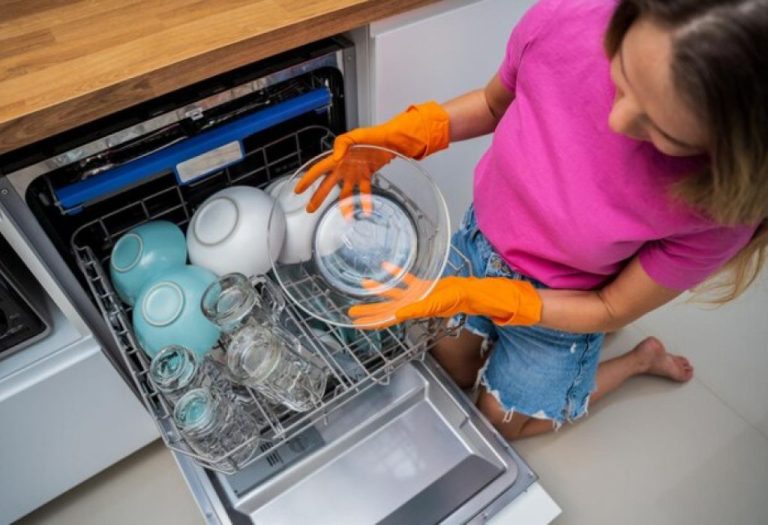
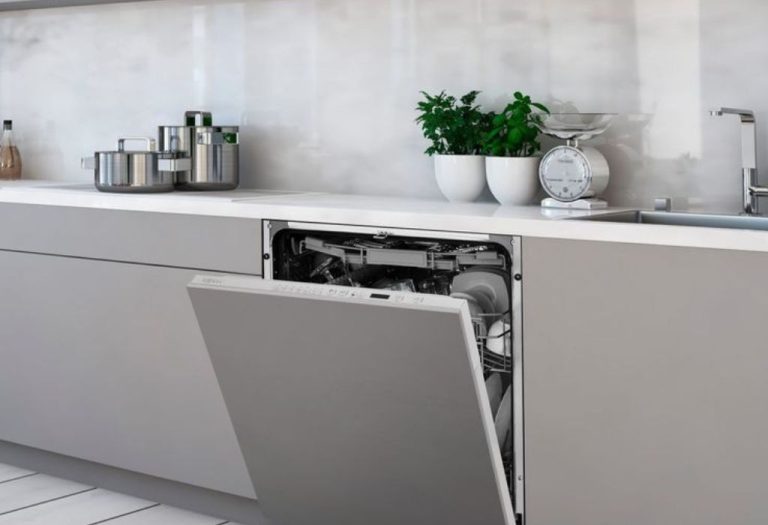
When cleaning, hand washing is strongly recommended. Dishwashers may seem convenient, but the high heat and strong detergents can erode ceramic coatings more quickly. Instead, warm water, mild soap, and a soft sponge preserve the surface.
Utensil choice matters as well. Silicone, wood, or nylon tools prevent scratching, while metal spoons or spatulas may cause irreversible damage. Stacking cookware should be done with soft protectors to avoid chipping or scratching during storage.
Families should also watch for signs of wear. If coating begins to bubble, peel, or flake, the pan should be replaced. Continuing to cook with degraded coating is neither safe nor healthy.
With proper care, Carote cookware can remain both safe and efficient, delivering strong performance while reducing long-term costs.
Stainless Steel vs. Ceramic-Coated Carote Cookware
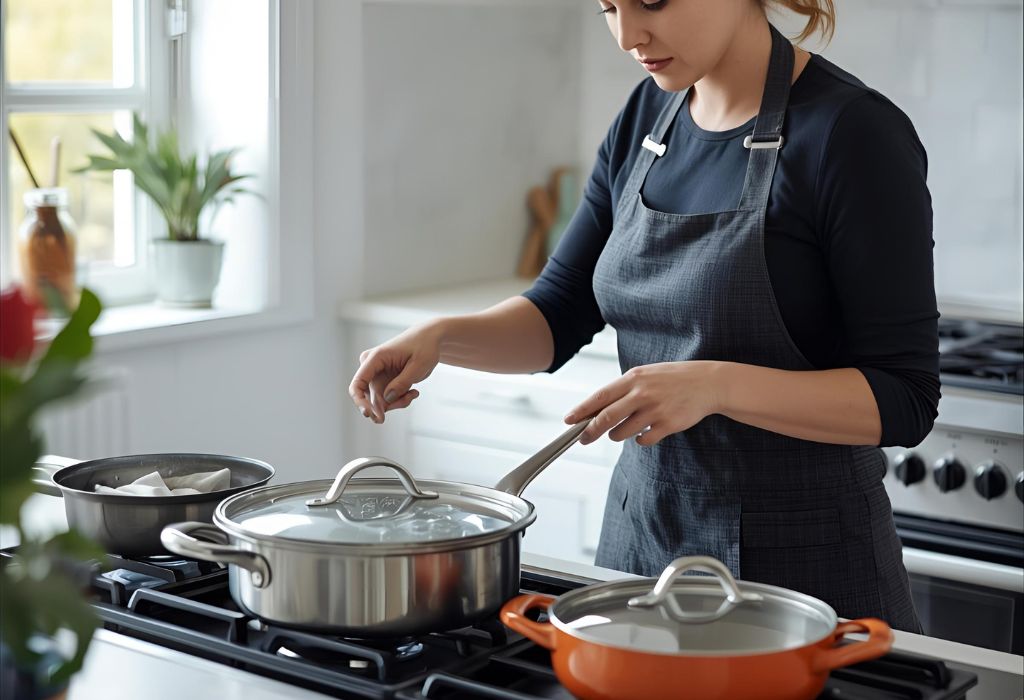
Carote manufactures both plain stainless steel cookware and ceramic-coated stainless cookware. Families often wonder which is better.
Plain stainless steel cookware offers unmatched durability. It withstands higher heat, resists scratching, and lasts for decades when maintained properly. However, it requires oil and proper cooking technique to prevent sticking.
Ceramic-coated stainless steel, by contrast, provides a more convenient non-stick surface that makes everyday cooking and cleaning much easier.
Families can cook with less oil, and cleaning requires less scrubbing. But the trade-off is longevity—the coating eventually wears down.
For households cooking multiple meals daily, plain stainless steel may be the better long-term investment.
For those who prioritize ease of use, especially for quick family meals, ceramic-coated Carote cookware offers a practical balance of safety and convenience.
Ultimately, the choice depends on cooking style. Some families even choose to own both: ceramic-coated pans for eggs, pancakes, and delicate foods, and stainless steel pans for searing, boiling, or high-heat cooking.
Real-World Feedback and Certifications
User reviews reveal both strengths and weaknesses of Carote cookware. Many families praise the pans for being lightweight, attractive, and affordable compared to premium brands. The non-stick performance is often described as excellent during the first year of use.
On the other hand, recurring complaints mention coating scratches, discoloration, and reduced performance over time. This matches what experts often say about ceramic-coated pans in general—they excel early on but require replacement after heavy use.
In terms of official safety, Carote highlights certifications such as SGS, FDA, and CNAS approvals. These support claims of being free from PFAS and other harmful chemicals.
However, unlike some U.S. cookware brands, Carote does not prominently display California Prop 65 or AB1200 disclosures, leaving some buyers uncertain about compliance.
Overall, feedback suggests Carote cookware is safe and effective when used properly, but it is not indestructible. Families who understand its strengths and limitations report higher satisfaction.
Final Verdict: Is Carote Stainless Steel Cookware Safe for Families Now?
The big question remains: is Carote stainless steel cookware safe for families today? Based on the available evidence, the answer is yes—with important caveats.
The stainless steel foundation is food-grade and safe for cooking most meals. The ceramic coatings are free from PFAS and PFOA, making them safer than older non-stick technologies. Certifications add reassurance, even if regional disclosures are less detailed.
However, families must be realistic about durability. Ceramic coatings do not last forever, and safety depends on replacing pans once coatings wear or flake. Careful use—moderate heat, hand washing, and avoiding metal utensils—extends lifespan significantly.
For families seeking an affordable, stylish, and generally safe cookware option, Carote represents a reasonable choice. Those needing heavy-duty, long-term cookware may prefer investing in pure stainless steel or cast iron alternatives.
Safety ultimately comes down to matching cookware with proper care and realistic expectations.
Conclusion
Cookware is more than a kitchen tool—it’s part of daily family health. When asking, is Carote stainless steel cookware safe, the conclusion is clear: Carote can be a safe and reliable choice when used wisely.
Families should follow best practices for care, monitor wear closely, and replace cookware when coatings decline. For everyday use, it offers balance between safety, convenience, and affordability.
Choosing cookware is choosing peace of mind. With informed decisions, families can cook safely and confidently, knowing the meals they prepare are supported by tools that match their health priorities.

I’m Emma J. Caldwell, the founder, lead writer, and home-cooking enthusiast behind KitchenGuideCo.com. With a background in culinary arts and over a decade of cooking experience in both professional and personal kitchens, I created this platform to demystify recipes, offer smart kitchen gadget reviews, and guide readers through meal prep with confidence and clarity.