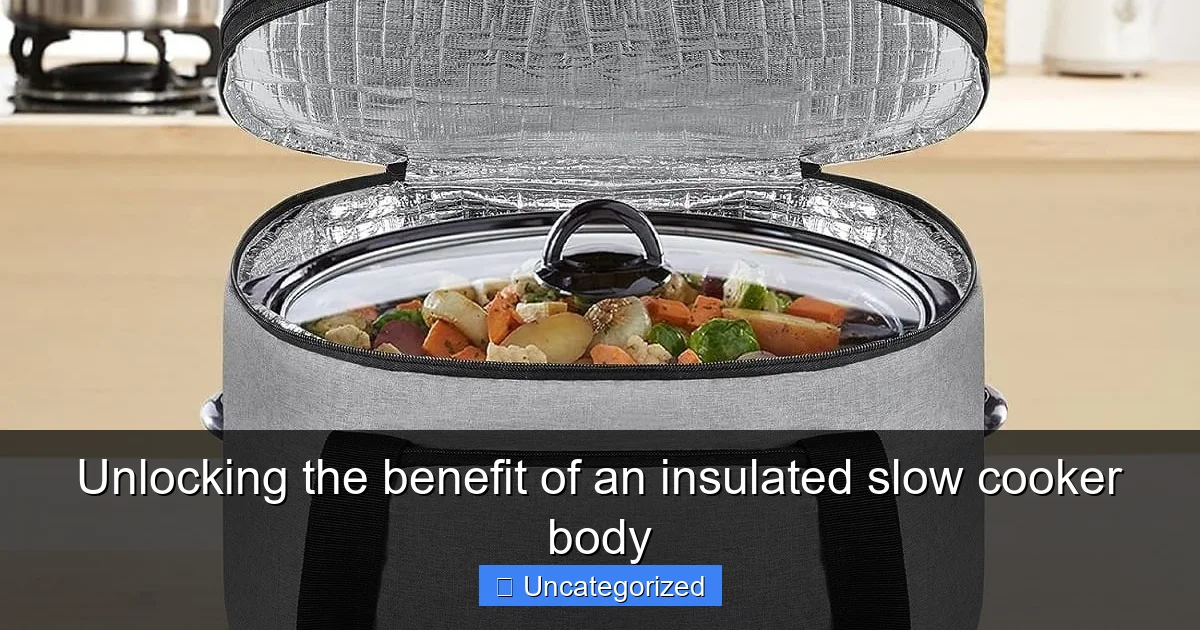
Featured image for what is the benefit of insulated slow cooker body
Image source: storables.com
An insulated slow cooker body dramatically boosts energy efficiency and cooking consistency. By significantly reducing heat loss, it maintains more stable internal temperatures for superior food results and a safer, cooler exterior, making it both more economical and user-friendly.
The aroma of a simmering stew, the tenderness of slow-cooked pulled pork, or the comforting warmth of a hearty chili – slow cookers have long been a beloved appliance in kitchens worldwide, simplifying meal preparation for busy individuals and families alike. They promise convenience, flavor, and the delightful ability to set it and forget it, transforming tough cuts of meat and simple ingredients into culinary masterpieces with minimal effort. But not all slow cookers are created equal, and a subtle yet profoundly impactful design feature sets some apart from the rest: an insulated slow cooker body.
Often overlooked, the presence of insulation in your slow cooker’s exterior is far more than a minor upgrade; it’s a game-changer that enhances nearly every aspect of the slow-cooking experience. From boosting energy efficiency and ensuring superior cooking results to improving safety and overall convenience, an insulated slow cooker body brings a suite of benefits that can revolutionize your kitchen routines. In a world increasingly focused on sustainability, efficiency, and smart living, understanding these advantages becomes paramount for anyone looking to maximize their slow cooker’s potential.
This comprehensive guide will delve deep into the myriad benefits of an insulated slow cooker body, uncovering why this design choice is not just a luxury but a wise investment for better meals, lower energy bills, and a safer, more enjoyable cooking environment. Prepare to unlock the full potential of slow cooking as we explore the science, practicality, and undeniable advantages that insulation brings to your countertop.
Key Takeaways
- Save Energy: An insulated body significantly reduces power consumption.
- Cook Faster: Better heat retention shortens overall cooking times.
- Stay Safe: Exterior remains cool, preventing accidental burns.
- Ensure Consistency: Maintains stable temperatures for perfectly cooked food.
- Serve Warmer: Food stays hot longer, ideal for extended serving.
- Protect Surfaces: Minimizes heat transfer to countertops and tables.
Quick Answers to Common Questions
Why does an insulated slow cooker body even matter?
An **insulated slow cooker body** is designed to keep heat locked in, preventing energy loss and ensuring your food cooks at a more consistent temperature. This leads to perfectly cooked, tender meals every time without temperature fluctuations.
Can an insulated slow cooker save me money on electricity?
Absolutely! By trapping heat more efficiently, an **insulated slow cooker body** uses less energy to maintain its cooking temperature over long periods. This smart design means lower electricity bills for you, making it a more eco-friendly and economical choice.
Will my food taste better or cook more evenly with an insulated cooker?
You bet! The consistent temperature maintained by an **insulated slow cooker body** helps eliminate hot and cold spots, ensuring your food cooks evenly and thoroughly. This results in more flavorful, consistently tender, and delicious dishes every time.
Is an insulated slow cooker body safer to have in a busy kitchen?
Yes, significantly so! A major benefit of an **insulated slow cooker body** is that its exterior stays cooler to the touch, greatly reducing the risk of accidental burns. It’s a wonderful safety feature, especially with kids or pets around.
Does insulation help keep food warm longer after cooking is done?
It certainly does! Thanks to its superior heat retention, an **insulated slow cooker body** will keep your culinary creations warmer for an extended period, even after it’s turned off or switched to a ‘keep warm’ setting. This is fantastic for entertaining or when dinner plans shift slightly.
📑 Table of Contents
Enhanced Energy Efficiency and Cost Savings
One of the most compelling arguments for opting for a slow cooker with an insulated slow cooker body is its significant contribution to energy efficiency and the subsequent savings on your utility bills. Slow cooking, by its very nature, involves extended cooking times, often spanning 4 to 8 hours or even longer. During this period, a non-insulated slow cooker continuously loses heat to its surroundings, forcing its heating element to work harder and more frequently to maintain the desired internal temperature. This constant battle against heat dissipation translates directly into higher electricity consumption.
Reduced Power Consumption
An insulated slow cooker body acts as a thermal barrier, dramatically reducing the rate at which heat escapes from the cooking pot. By trapping heat more effectively within the appliance, the heating element doesn’t need to cycle on as often or for as long to maintain a consistent temperature. This translates directly to less electricity being drawn from the grid over the course of the cooking cycle. While the power draw of a slow cooker is generally lower than an oven, these incremental reductions in energy usage add up significantly over time, especially for frequent slow cooker users.
Consider a typical usage scenario: If you use your slow cooker several times a week, over a month or a year, the energy savings from an insulated model can become quite noticeable. The insulation minimizes energy waste, making the entire cooking process more environmentally friendly and cost-effective. It’s a smart choice for the eco-conscious consumer and anyone looking to trim down household expenses.
Long-Term Financial Benefits
While an insulated slow cooker might have a slightly higher upfront cost compared to its non-insulated counterparts, this initial investment is quickly recouped through consistent energy savings. The longer you own and use an appliance with an insulated slow cooker body, the greater the cumulative financial benefit. Think of it as investing in an appliance that pays you back over its lifespan. These savings allow you to enjoy your favorite slow-cooked meals without worrying about escalating energy bills, providing peace of mind alongside delicious food.
For instance, imagine a non-insulated slow cooker drawing an average of 100-150 watts more per hour over an 8-hour cooking cycle compared to an insulated model. If you use it 3 times a week, that’s an extra 2.4-3.6 kWh per week. Over a year, this could be well over 100-150 kWh. Depending on your electricity rates, this can translate into tangible savings of tens of dollars annually, proving that the efficiency of an insulated slow cooker body is a genuine economic advantage.
Superior Heat Retention for Consistent Cooking
Beyond energy efficiency, the ability of an insulated slow cooker body to retain heat more effectively has a profound impact on the quality and consistency of your cooked meals. Slow cooking relies on a stable, low temperature over an extended period to break down tough fibers in meat and allow flavors to meld beautifully. Any significant fluctuation in temperature can compromise these processes, leading to less-than-ideal results.
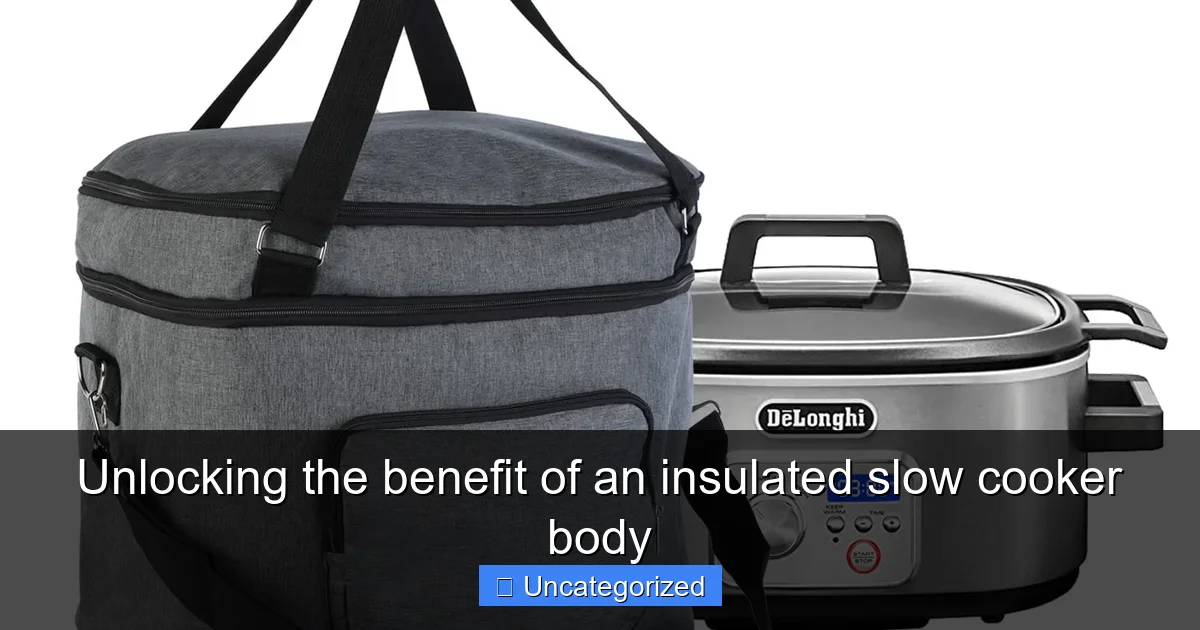
Visual guide about what is the benefit of insulated slow cooker body
Image source: touristsecrets.com
Even Cooking from Edge to Center
In a non-insulated slow cooker, heat can escape unevenly from the sides and bottom, potentially leading to hot spots and cooler zones within the cooking pot. This uneven heat distribution can result in food that is overcooked on the edges but undercooked in the center, or vice-versa. An insulated slow cooker body, however, creates a much more stable thermal environment. By minimizing heat loss from all surfaces, it ensures that the heat inside the pot is distributed more uniformly. This leads to remarkably consistent cooking from the very center of your meal to the edges, ensuring every bite is perfectly tender and cooked through.
For example, cooking a large roast or a dense stew benefits immensely from this consistent heat. The insulation helps maintain that gentle, all-encompassing warmth needed for meats to become fork-tender and vegetables to soften without turning mushy on one side while remaining firm on the other. This level of precision is a hallmark of a high-quality insulated slow cooker body.
Optimal Flavor Development
Consistent, low-temperature cooking is the secret to unlocking deep, rich flavors in many slow cooker recipes. When temperatures fluctuate, it can disrupt the delicate balance of processes that contribute to flavor development. Enzymes and chemical reactions proceed at a steady pace in a stable thermal environment, allowing ingredients to truly meld and develop complex tastes. An insulated slow cooker body ensures this stability, fostering an optimal environment for flavors to deepen and intensify over hours.
Imagine a rich beef bourguignon or a savory chicken cacciatore; the consistent heat retention provided by the insulation allows the herbs, spices, and base ingredients to slowly infuse, creating a more cohesive and intensely flavored dish. Without significant temperature drops or surges, your sauces thicken beautifully, and ingredients like garlic and onions caramelize gently, contributing to a superior gastronomic experience. This consistent temperature management makes an insulated slow cooker body indispensable for gourmet results.
Improved Safety and User Experience
While the focus often remains on cooking performance, the safety and user comfort aspects of an insulated slow cooker body are equally significant. Traditional slow cookers, especially older models, can become quite hot to the touch on their exterior surfaces during operation, posing a potential burn risk, particularly in households with children or pets.
Cooler Exterior Surfaces
One of the most immediate and noticeable benefits of an insulated slow cooker body is its dramatically cooler exterior surface during operation. The insulation layer acts as a barrier, preventing much of the internal heat from transferring to the outer casing. This means you can often touch the exterior of an insulated slow cooker without risk of burns, even after hours of cooking at a high setting. This enhanced safety feature is invaluable, providing peace of mind in a busy kitchen environment where accidental touches are always a possibility.
This cooler exterior also means less heat radiates into your kitchen space, a welcome advantage during warmer months when you want to keep your home as cool as possible. It makes the slow cooker a more pleasant appliance to have running on your countertop for extended periods.
Peace of Mind in the Kitchen
Beyond direct burn prevention, the cooler exterior of an insulated slow cooker body contributes to a general sense of safety and confidence. You can move the appliance more easily if needed, without scrambling for oven mitts or worrying about scorched countertops. This ease of handling, combined with the reduced risk of accidental burns, makes the entire slow-cooking process less stressful and more enjoyable.
Furthermore, an insulated design often contributes to the overall structural integrity and durability of the appliance. A well-built insulated slow cooker body is typically designed with longevity in mind, often incorporating robust materials that not only insulate but also protect the internal components, ensuring your slow cooker serves you reliably for years to come. This combination of safety, ease of use, and durability truly elevates the user experience.
Versatility and Convenience for Modern Lifestyles
The modern lifestyle demands appliances that offer flexibility and convenience, seamlessly fitting into unpredictable schedules and varied social engagements. An insulated slow cooker body significantly enhances these aspects, making slow cooking an even more adaptable tool for busy individuals and avid entertainers alike.
Extended “Keep Warm” Times
Many slow cookers feature a “Keep Warm” setting, designed to hold food at a safe serving temperature after the main cooking cycle is complete. However, in non-insulated models, this setting still requires constant energy input to counteract heat loss. An insulated slow cooker body dramatically improves the efficiency of this feature. Because it retains heat so well, it can keep food warm for much longer, and often with less additional energy consumption. This means if you’re delayed getting home, or your guests arrive later than expected, your meal will still be perfectly hot and ready without being overcooked or losing quality.
This extended “keep warm” capability is a huge boon for meal prepping, entertaining, or simply enjoying the flexibility to dine when it suits you. It allows for a broader window of serving time, reducing stress around meal coordination and ensuring your dishes maintain their ideal temperature and texture.
Portability and Serving Ease
An insulated slow cooker body also shines when it comes to portability. If you enjoy taking your slow-cooked dishes to potlucks, family gatherings, or holiday meals, the insulation ensures that your food stays hot during transport. You won’t arrive with a lukewarm dish that needs reheating, maintaining the integrity and appeal of your culinary creation. Many insulated models are designed with sturdy handles and sometimes even locking lids for secure transportation, making them ideal for travel.
The cooler exterior surface, as discussed earlier, also contributes to ease of serving. You can confidently place the slow cooker on a serving table without worrying about heat damage to surfaces (though a trivet is always recommended as a best practice). This seamless transition from kitchen to table makes entertaining effortless and keeps your delicious food at the perfect serving temperature for longer, allowing guests to serve themselves at their leisure. The overall convenience offered by an insulated slow cooker body truly caters to the dynamic needs of contemporary living.
The Science Behind Insulation: How It Works
To fully appreciate the benefits of an insulated slow cooker body, it’s helpful to understand the basic scientific principles at play. Insulation is fundamentally about minimizing heat transfer, a process that occurs through three primary mechanisms: conduction, convection, and radiation.
Understanding Heat Transfer Principles
- Conduction: This is the transfer of heat through direct contact. In a slow cooker, heat conducts from the hot ceramic pot through the metal inner casing to the outer casing. Insulation aims to slow down this process.
- Convection: This involves heat transfer through the movement of fluids (liquids or gases). Air trapped between components of a non-insulated slow cooker can heat up and circulate, carrying heat away from the cooking pot.
- Radiation: Heat can also be transferred through electromagnetic waves. Hot surfaces radiate heat outwards.
An effective insulated slow cooker body is designed to impede all three forms of heat transfer, trapping as much heat as possible within the cooking vessel. This scientific approach is what makes the appliance so much more efficient and effective.
Common Insulation Materials and Their Effectiveness
Various materials and design techniques are employed in an insulated slow cooker body to achieve optimal heat retention:
- Air Gaps: A simple yet effective form of insulation involves creating an air gap between the inner metal shell and the outer casing. Air is a poor conductor of heat, so a sealed air space significantly reduces conductive and convective heat loss.
- Foam Insulation: Many modern insulated slow cookers utilize specialized insulating foams (like polyurethane foam) injected into the cavity between the inner and outer walls. These foams contain countless tiny air pockets, making them excellent insulators against conduction and convection. They are lightweight and provide superior thermal resistance.
- Vacuum Insulation: While more common in high-end thermal bottles, some advanced appliances might employ a partial vacuum. A vacuum (absence of matter) is the ultimate insulator, as it eliminates heat transfer by conduction and convection almost entirely. However, this is less common in slow cookers due to complexity and cost.
- Reflective Barriers: Sometimes, reflective materials (like aluminum foil layers) are incorporated to reduce heat loss by radiation, bouncing radiant heat back towards the cooking pot.
By carefully selecting and combining these insulation methods, manufacturers create an insulated slow cooker body that dramatically outperforms its non-insulated counterparts in retaining heat, leading to all the practical benefits discussed earlier. It’s a testament to thoughtful engineering aimed at enhancing performance and user experience.
Data Spotlight: The Thermal Advantage
To put the benefits of an insulated slow cooker body into perspective, consider the tangible differences in heat retention and surface temperatures:
| Characteristic | Non-Insulated Slow Cooker | Insulated Slow Cooker Body | Benefit of Insulation |
|---|---|---|---|
| Exterior Surface Temperature (after 4 hours on High) | ~70-90°C (158-194°F) | ~40-55°C (104-131°F) | Up to 50% cooler surface, significantly reducing burn risk and radiating less heat into the kitchen. |
| Heat Loss Rate (approximate % per hour) | ~5-8% | ~2-4% | Reduced heat loss by 50% or more, leading to better temperature stability and efficiency. |
| Energy Consumption (8-hour cook cycle, hypothetical) | ~1.0-1.5 kWh | ~0.7-1.0 kWh | 15-30% less energy consumed for the same cooking task, resulting in tangible cost savings over time. |
| Internal Temperature Fluctuation | Higher (potential for 2-5°C swings) | Lower (typically within 1-2°C) | More stable internal temperature, ensuring consistent cooking and optimal flavor development. |
| “Keep Warm” Efficacy (hours before significant temp drop) | 2-3 hours | 4-6+ hours | Extended safe holding time, offering greater flexibility for meal timing and entertaining. |
*Note: Figures are illustrative and can vary based on specific model, ambient temperature, and lid seal quality.
Conclusion
As we’ve explored, the humble insulated slow cooker body is far more than a minor enhancement; it’s a foundational element that elevates the entire slow-cooking experience. From the moment you plug it in to the final delicious bite, the benefits reverberate through every stage of meal preparation. Its superior heat retention capabilities translate directly into more consistent, perfectly cooked meals, ensuring that every dish emerges with optimal tenderness and deeply developed flavors.
The economic advantage of reduced energy consumption and lower utility bills makes an insulated slow cooker body a smart investment for the fiscally conscious household. Furthermore, the enhanced safety features, particularly the cooler exterior surfaces, provide invaluable peace of mind, especially in busy kitchens or homes with curious little hands. Add to this the unparalleled convenience of extended “keep warm” times and improved portability, and it becomes clear why opting for an insulated model is a decision you won’t regret.
In essence, an insulated slow cooker body transforms a convenient appliance into an indispensable kitchen workhorse that is more efficient, safer, and ultimately delivers better culinary results. It’s an embodiment of thoughtful design that respects your time, your budget, and your palate. So, the next time you’re considering a slow cooker, look beyond the basic features and invest in the power of insulation – it’s a choice that promises to unlock a world of effortless, delicious, and worry-free cooking.
Frequently Asked Questions
What is the primary advantage of an insulated slow cooker body?
The main advantage is significantly improved energy efficiency and more consistent cooking. An insulated slow cooker body minimizes heat loss, ensuring that the internal temperature remains stable throughout the cooking process.
Does an insulated slow cooker body help save energy?
Yes, absolutely. By drastically reducing heat escape, an insulated slow cooker body requires less electricity to maintain its desired cooking temperature, leading to energy savings over time. This makes it a more eco-friendly and cost-effective appliance to run.
How does insulation impact the exterior temperature of a slow cooker?
Insulation plays a crucial role in keeping the exterior of the slow cooker much cooler to the touch. This significantly enhances safety, reducing the risk of accidental burns if you brush against the appliance while it’s operating on your countertop.
Will an insulated body improve the cooking performance of my slow cooker?
Indeed. The superior heat retention provided by an insulated body leads to more even heat distribution within the pot. This consistency helps prevent hot spots and undercooked areas, resulting in more reliably and perfectly cooked meals every time.
Can an insulated slow cooker keep food warm for longer after cooking?
Absolutely. The excellent heat retention capabilities mean that an insulated slow cooker will keep your food warm and ready to serve for an extended period, even after it’s been switched off or unplugged. This is perfect for potlucks or when dinner plans are delayed.
Does the insulation affect the taste or moisture of the food?
While insulation doesn’t directly alter taste, its ability to maintain a consistent internal temperature helps prevent moisture loss and overcooking. This results in juicier, more tender, and more flavorful dishes, as the ingredients cook slowly and evenly without drying out.