Lina was craving warm homemade cookies late at night but she only had a toaster oven sitting on her countertop.
She wondered if the small appliance could bake cookies the same way a full sized oven does without burning the edges. Curious and determined she decided to try a small batch to see what would happen.
Many home bakers face the same situation when space is limited or the main oven is unavailable. Toaster ovens heat differently and can brown cookies faster which makes timing and temperature more important.
Without the right method cookies may spread too much cook unevenly or turn crisp before the centers are done.
Understanding how to bake cookies in a toaster oven helps achieve soft chewy or perfectly crisp results every time.
Simple adjustments like rack placement chilling the dough and choosing the right tray make a noticeable difference. With the correct approach anyone can enjoy freshly baked cookies even without a full sized oven.
Understanding How Toaster Ovens Bake Differently
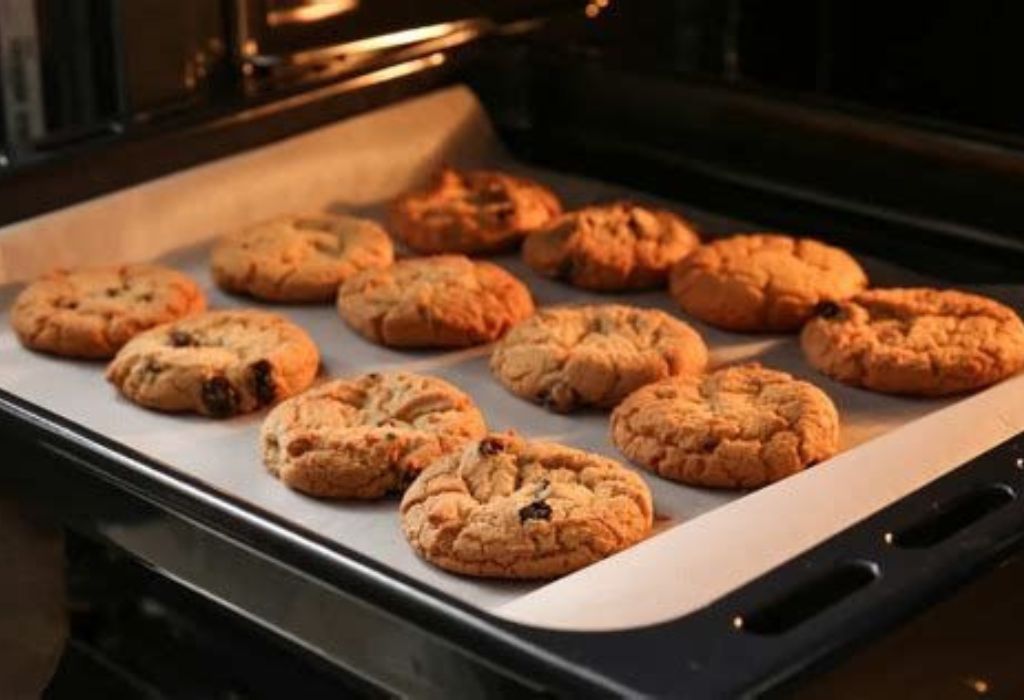
Toaster ovens bake using a smaller heating chamber that warms up faster than a standard oven. The compact space creates more direct heat which affects how cookies spread and brown. Understanding these differences helps prevent burning and uneven baking.
Most toaster ovens include heating elements on both the top and bottom. These elements may cycle on and off during baking to maintain temperature. The shifting heat pattern can cause cookies to brown faster on one side.
Temperature accuracy varies more in toaster ovens compared to full sized models. The dial may not match the actual internal heat level during baking. Using an oven thermometer helps ensure consistency.
Smaller interiors create limited airflow which affects how dough spreads. Cookies may expand less or flatten more depending on the recipe. Adjusting spacing helps maintain proper shape.
Preheating is especially important in toaster ovens. The small chamber reaches temperature quickly but fluctuates easily. Allowing a few minutes of stabilization supports even baking.
Understanding how toaster ovens function makes baking more predictable. Adjusting expectations helps achieve delicious results every time. This foundation prepares you for successful cookie baking.
Choosing the Right Cookie Dough for Toaster Oven Baking
Not all cookie dough behaves the same inside a toaster oven. Recipes with high butter content spread faster under direct heat. Choosing dough that holds shape prevents overspreading.
Chilled dough works better than room temperature dough in smaller ovens. Cooling the dough slows down melting and helps cookies maintain thickness. Refrigerating for at least thirty minutes improves texture.
Drop cookies like chocolate chip or oatmeal bake well in toaster ovens. Their dough structure tolerates slight heat variations. Soft dough recipes usually work better than delicate thin cookies.
Avoid baking very large cookies because heat may not reach the center evenly. Smaller portions cook faster and stay uniform across the tray. Keeping size consistent helps maintain doneness.
Sugar cookies and shortbread can bake successfully with proper temperature control. These recipes require careful monitoring to prevent browning too quickly. Using lower heat improves color and tenderness.
Pre baked dough from the freezer is also suitable for toaster oven use. Allow a short thaw to prevent cracking when scooping. Partial softness helps create even cookie shapes.
Choosing the right dough supports better results in small appliances. Understanding recipe behavior reduces trial and error. The correct dough makes baking easier and more enjoyable.
Setting the Correct Temperature and Rack Position
Most cookies bake well at 160 to 180 degrees Celsius in a toaster oven. Lower temperatures help prevent the bottoms from darkening too quickly. Gradual heat encourages even spreading and browning.
Always preheat the toaster oven before arranging the dough. Placing cookies in a cold oven changes texture and increases baking time. Stable heat ensures reliable results.
The middle rack position works best for most cookie batches. Placing the tray too close to the top may cause burning. Lower racks sometimes slow baking and affect consistency.
Check the oven thermometer to confirm accurate temperature settings. Toaster ovens often run hotter than the dial indicates. Adjusting the heat slightly improves control.
Avoid using convection settings for delicate cookies unless recommended. The fan can cause faster browning and uneven edges. If used reduce the temperature by about fifteen degrees.
Rotate the tray halfway through baking for even color. Heating elements may warm one side more than the other. Turning the tray prevents patchy browning.
Proper temperature and rack placement contribute to successful cookie baking. Following these steps supports consistent texture and appearance. Good positioning ensures dependable results every time.
Preparing the Baking Surface for Even Results
Use a small cookie sheet that fits comfortably inside the toaster oven. Large pans block airflow and prevent heat from circulating properly. Choosing the right size improves baking performance.
Line the tray with parchment paper instead of foil. Parchment prevents sticking and reduces overly browned bottoms. Foil reflects heat which may increase dark spots.
Avoid placing dough directly on the crumb tray or oven floor. This can cause burning and uneven cooking. Always use a proper baking surface for safety.
Space cookies at least three centimeters apart to allow spreading. The small oven interior intensifies heat around each cookie. Adequate spacing supports uniform shape and edges.
Scooping dough with consistent size helps control bake time. Using a small scoop ensures even thickness across the batch. Equal size prevents underbaked or overbaked cookies.
Chilling the shaped dough for a few minutes before baking may improve results. Cold dough slows spreading and maintains height. This method works especially well with butter rich recipes.
Preparing the baking surface properly leads to attractive cookies. Small adjustments help manage heat inside compact ovens. Preparation ensures balance between crispness and softness.
How Long to Bake Cookies in a Toaster Oven
Most standard sized cookies bake in eight to twelve minutes depending on dough type. Smaller ovens heat quickly which shortens baking time slightly. Monitoring closely prevents burning.
Start checking for doneness two minutes before the suggested time. Toaster ovens brown edges faster than full sized ovens. Watching closely helps catch the ideal moment.
Look for lightly golden edges and a soft center. Cookies continue firming as they cool outside the oven. Removing them early prevents dry or crunchy texture.
Do not rely only on color to determine doneness. Chocolate cookies may appear underdone due to darker dough. Gently pressing the surface helps assess readiness.
Allow cookies to cool on the tray for two to three minutes. Immediate transfer may cause breakage due to softness. Short resting improves structure and flavor.
Move cookies to a wire rack after initial cooling. Airflow prevents sogginess at the bottom. Complete cooling takes ten to fifteen minutes.
Understanding baking time improves consistency with every batch. Observing changes prevents overbaking in small ovens. Proper timing ensures perfect cookies each time.
Tips for Better Texture and Preventing Burnt Cookies
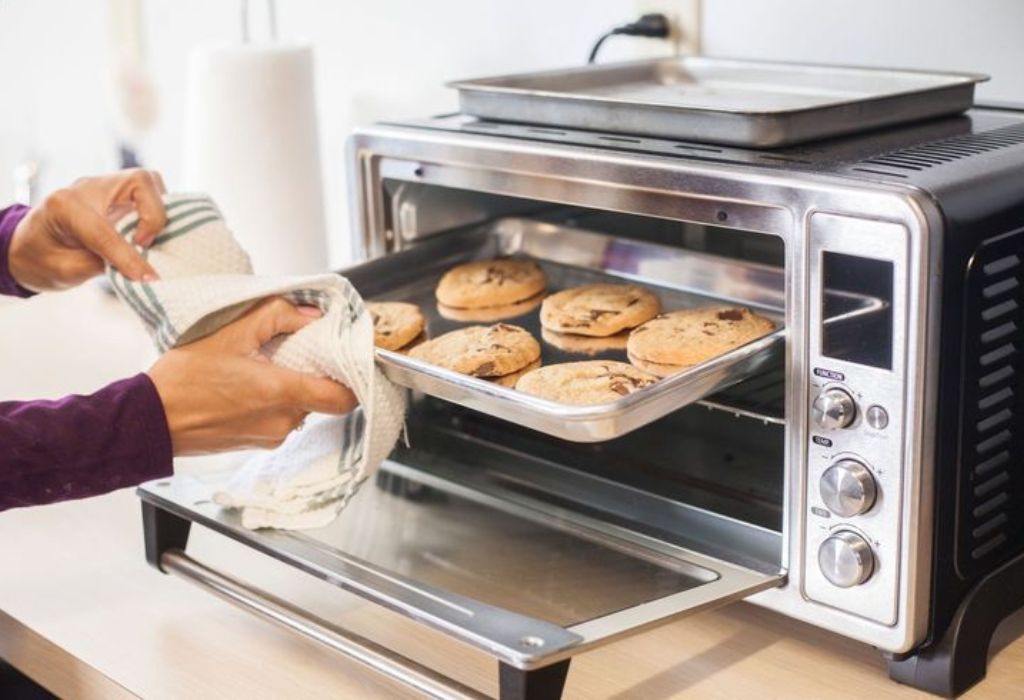
Reduce oven temperature slightly if the bottoms darken too quickly. Small adjustments help balance surface browning. Lower heat creates softer centers without burning.
Use light colored baking trays for more even baking. Dark pans absorb heat faster and increase browning. Choosing the right tray reduces hot spots.
Avoid placing the tray too close to heating elements. Top heat may cause rapid darkening before the center cooks. Middle rack placement improves overall baking.
Do not add extra dough if the oven space is limited. Overcrowding traps heat and changes cookie spread. Smaller batches bake more uniformly.
Leave the toaster oven door closed during baking. Opening the door drops temperature and changes timing. Check progress through the glass window.
Use a timer to avoid accidental overbaking. Toaster ovens heat quickly and may finish sooner than expected. Accurate timing prevents dryness and burning.
Following texture tips helps improve cookie quality. Small precautions create bakery style results at home. Consistent technique leads to delicious outcomes every time.
Common Questions About Baking Cookies in Toaster Ovens
Can I bake cookies in any toaster oven?
Yes most toaster ovens can bake cookies as long as temperature and space are managed correctly.
What temperature should I use to bake cookies in a toaster oven?
Most cookies bake well between 160 and 180 degrees Celsius depending on recipe and oven performance.
Why do my cookies burn on the bottom in a toaster oven?
The oven may be running too hot or the tray may be too close to the lower heating element.
Do I need to preheat a toaster oven before baking cookies?
Yes preheating ensures even baking and prevents spreading from uneven temperature.
Can I bake store bought cookie dough in a toaster oven?
Yes but reduce batch size and monitor closely since baking time may be shorter.
How long does it take to bake cookies in a toaster oven?
Most cookies finish in eight to twelve minutes depending on dough thickness and oven heat.
Should I use convection mode for baking cookies?
Convection can work but reduce temperature slightly to prevent quick browning.
Why do my cookies spread too much in a toaster oven?
Warm dough or high butter content may cause excess spreading so chilling helps.
Can I bake multiple trays at once in a toaster oven?
No limited space prevents proper airflow and results in uneven baking.
Do toaster ovens bake differently than standard ovens?
Yes smaller chambers heat faster and may brown edges more quickly than full ovens.
Conclusion
Baking cookies in a toaster oven is simple when temperature control spacing and timing are managed carefully. The compact oven size creates faster heat response which means cookies bake quickly and require closer monitoring.
Using the correct rack position preheating and selecting suitable dough ensures better texture and even browning.
Avoiding common mistakes such as overcrowding or using dark trays prevents burned bottoms and uneven spread.
Small adjustments like chilling dough and rotating trays improve results in compact ovens. Paying attention to visual cues instead of relying only on time leads to consistent success.
With the right technique a toaster oven can produce soft chewy or crisp cookies just like a full sized oven. Simple preparation and awareness make baking enjoyable in any kitchen. This method allows anyone to enjoy fresh homemade cookies even with limited space.

I’m Emma J. Caldwell, the founder, lead writer, and home-cooking enthusiast behind KitchenGuideCo.com. With a background in culinary arts and over a decade of cooking experience in both professional and personal kitchens, I created this platform to demystify recipes, offer smart kitchen gadget reviews, and guide readers through meal prep with confidence and clarity.