Mira baked her favorite cake in a new fan oven expecting the same results she always got from her old conventional oven. Instead the cake browned faster on top and finished earlier than the recipe suggested which left her confused about what changed.
Only then she realized that fan ovens work differently because they circulate hot air instead of letting heat rise naturally.
Many home cooks switch between oven types without knowing how heat movement affects cooking.
Understanding the difference between fan and conventional ovens helps avoid overcooking underbaking and uneven browning. When users learn how each oven works they can adjust temperature and timing correctly for consistent results.
The difference also affects recipe conversion baking texture and cooking efficiency. Fan ovens can save time and energy while conventional ovens are sometimes better for delicate items. Knowing when to use which oven creates better control in everyday cooking.
What Is a Conventional Oven and How It Heats Food
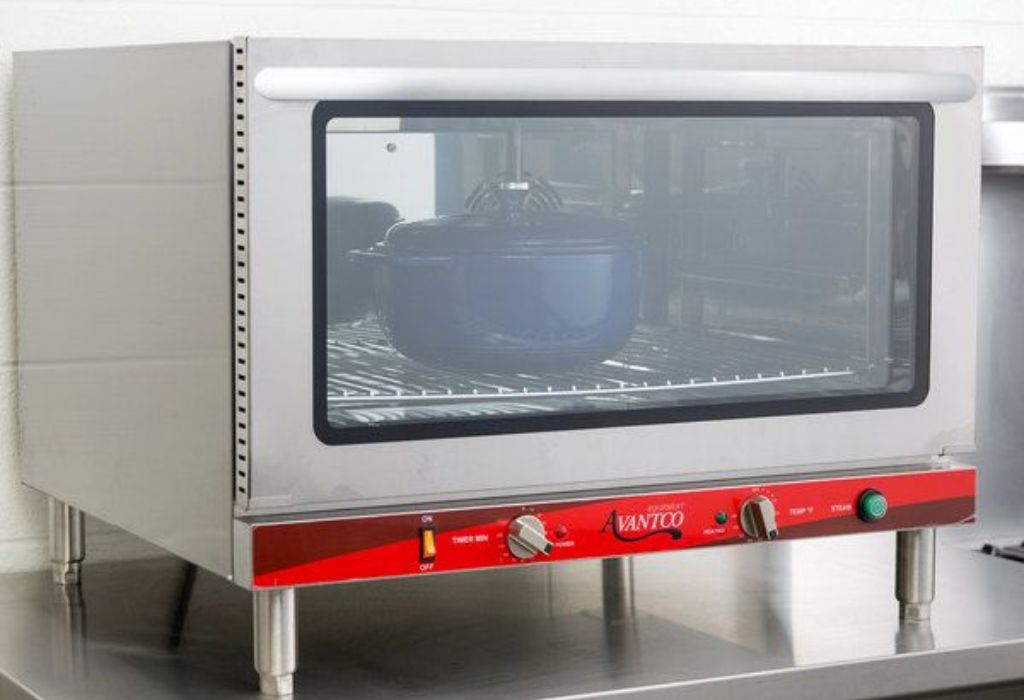
A conventional oven heats using fixed heating elements without moving air. Heat rises naturally from the bottom or radiates from the top and bottom depending on the model. This creates warmer and cooler zones inside the oven.
The lack of air circulation means temperature can vary across different shelves. Food placed closer to the heating element cooks faster. Bakers often rotate trays to avoid uneven cooking.
Conventional ovens rely on thermal radiation. Heat transfers slowly through still air and warms the food surface first. Moisture remains higher because air does not move aggressively.
This type of oven is ideal for gentle and traditional baking. Cakes pastries and custards benefit from stable undisturbed heat. Slow roasting also maintains tenderness.
Temperature settings in conventional ovens are straightforward. Recipes based on older standards usually refer to this type. Following instructions produces expected results without adjustments.
Understanding conventional oven heating explains why some foods cook unevenly. Learning placement and timing improves performance. Proper use makes conventional ovens reliable for delicate cooking tasks.
What Is a Fan Oven and How It Works Differently
A fan oven includes a built in fan and sometimes a heating element around it. The fan circulates hot air evenly throughout the cavity. This removes hot and cold spots inside the oven.
Air movement speeds up heat transfer to the food. Surfaces cook faster and more uniformly than in still air. This reduces the need to rotate trays during baking.
Fan ovens maintain consistent temperature across all shelves. Multiple dishes can cook at the same time without major variation. This increases efficiency for large meals.
Because air moves continuously moisture evaporates faster. Food becomes crisp on the outside while cooking quickly. This benefits roasting vegetables meat and baked items needing browned edges.
Heat recovery is faster when the oven door opens. Lost heat redistributes quickly through circulation. Cooking remains stable with fewer temperature swings.
Understanding how fan ovens work helps adjust temperature and time. Knowing the airflow advantage prevents accidental overcooking. Proper use improves speed and evenness in daily cooking.
Key Differences in Heat Distribution Between the Two Ovens
Conventional ovens heat from fixed points creating warm and cool zones. Hot air rises naturally and settles unevenly. This causes varied cooking depending on rack placement.
Fan ovens distribute heat uniformly through forced air. Circulation eliminates stagnant pockets and spreads warmth evenly. All shelves receive similar temperature levels.
In conventional ovens the top may become hotter than the bottom. Bakers may compensate by lowering trays or adjusting timing. Positioning affects final results significantly.
Fan ovens reduce reliance on placement. Food cooks consistently whether placed high or low. This convenience benefits beginners and busy cooks.
Heat transfer is faster in fan ovens due to moving air. The increased speed shortens overall cooking time. Recipes finish earlier even at reduced temperature.
Understanding distribution differences helps choose the right oven for each recipe. Matching cooking style to oven type improves predictability. This leads to better texture and browning control.
Temperature Settings and Adjustments Needed for Each Oven
Conventional ovens use standard recipe temperatures without modification. Most cookbooks assume still air heating. Following instructions usually delivers expected timing.
Fan ovens require lower temperature settings for the same results. Reducing heat by twenty degrees Celsius prevents overcooking. Some manufacturers recommend lowering time as well.
In fan ovens heat penetration is stronger. Food cooks faster even with reduced heat. Failure to adjust may dry out or burn delicate items.
Conventional ovens allow slower and gentler heat exposure. High moisture baking benefits from this stability. Cheesecakes and souffles rise more evenly.
When converting recipes switching temperature is essential. Oven manuals often include conversion guidance. Practice builds confidence over time.
Understanding temperature differences prevents common baking mistakes. Making correct adjustments improves result consistency. Users gain better control across both oven types.
Cooking Time Differences and Why Fan Ovens Are Faster
Fan ovens cook faster because circulating air transfers heat more efficiently. Food surface warms quickly and begins cooking sooner. This shortens overall time compared to still air.
Most dishes in a fan oven finish earlier than recipe instructions suggest. Reducing time by ten to twenty percent is common. Monitoring progress prevents overbrowning.
Conventional ovens take longer because air remains still. Heat moves gradually from the heating element to the food. Time adjustments are rarely required for standard recipes.
Faster cooking in fan ovens benefits busy households. Roasting vegetables or meat becomes quicker without sacrificing texture. Baking multiple trays also saves time.
However delicate items may struggle in fast heat. Rapid browning can affect rise or softness. Slowing down prevents unwanted crust formation.
Understanding timing differences helps plan meals better. Adjusting based on oven type ensures proper doneness. This flexibility improves kitchen efficiency and results.
How Each Oven Affects Baking Results and Texture
Conventional ovens provide gentle rising conditions. Still air preserves moisture and prevents crust from forming too early. Cakes stay soft and evenly risen.
Fan ovens create quicker surface drying. The moving air forms crust sooner on baked goods. This improves crispness for pastries and cookies.
Some delicate items may collapse under fast airflow. Meringues and souffle style desserts need slow stable heating. Conventional ovens handle these better.
Fan ovens excel at even browning. Pies roasted dishes and layered trays benefit from uniform heat. Edges cook at the same rate as the center.
Bread baking varies depending on desired crust. Fan settings create a firmer crust while conventional retains softness. Bakers choose based on final texture preference.
Understanding how each oven affects texture helps select proper method. Choosing correctly improves baking success and consistency. This knowledge supports better recipe outcomes.
Energy Efficiency Differences Between Fan and Conventional Ovens
Fan ovens use heat more efficiently because circulated air reaches food faster. This reduces overall cooking duration and lowers energy consumption. Shorter preheating times also improve efficiency.
Conventional ovens rely on natural heat movement which takes longer. More energy is required to maintain temperature throughout the cavity. Heat loss is greater when the door opens.
Fan ovens recover heat quickly after opening. Airflow redistributes warmth within seconds. Food continues cooking with minimal interruption.
Conventional ovens struggle to maintain stable heat. Temperature drops significantly when opened. Cooking may take longer due to repeated reheating.
Energy ratings often favor fan ovens. Many modern designs support lower temperature settings. This reduces power usage across repeated cooking cycles.
Understanding efficiency differences helps users lower energy costs. Choosing the right oven for frequent cooking improves sustainability. Fan ovens offer better long term energy performance.
Best Foods to Cook in a Fan Oven
Fan ovens are excellent for roasting. Circulated air creates crispy edges and even browning. Vegetables and meats benefit from faster cooking.
Baking cookies and pastries works well with airflow. The surface sets quickly and maintains shape. Golden coloring develops consistently across trays.
Frozen foods cook efficiently in a fan oven. Moving air prevents soggy texture and speeds thawing. Preheating time is often shorter.
Cooking multiple dishes simultaneously is easier. Even temperature across shelves prevents flavor transfer. Large meals finish at similar times.
Pies and casseroles develop uniform top browning. Heat circulation prevents hot spots. This improves texture and appearance.
Understanding best uses maximizes performance. Fan ovens enhance crispness and cooking speed. Selecting suitable dishes ensures reliable results.
Best Foods to Cook in a Conventional Oven
Conventional ovens are ideal for delicate baking. Cakes and sponge desserts rise gently without harsh airflow. Moisture retention improves softness.
Custards and cheesecakes benefit from still heat. Slow stable temperature prevents cracking. Smooth texture develops without rapid surface drying.
Breads requiring soft crust perform well. Conventional heat preserves internal moisture. Final texture remains tender and even.
Slow roasting large cuts creates juicy centers. Reduced airflow prevents over drying. Flavor develops gradually during extended cooking.
Meringues and souffle style items need gentle heat. Fan movement may collapse fragile structure. Still air maintains volume and stability.
Choosing the right oven for sensitive recipes improves quality. Conventional settings support uniform rise and moisture. Understanding best uses enhances baking success.
Shelf Positioning Differences in Both Oven Types
Shelf placement matters more in conventional ovens. Upper racks are hotter and cook faster. Lower racks remain cooler with slower browning.
Fan ovens minimize shelf sensitivity. Circulated air maintains similar heat across levels. Multiple trays cook evenly without rotation.
In conventional ovens central placement offers balance. Mid rack ensures consistent heating from top and bottom. Bakers often follow this position for standard recipes.
Lower shelves in conventional ovens suit slow roasting. Distance from direct heat prevents burning. Moisture remains higher during extended cooking.
Fan ovens support flexible tray arrangement. Food cooks uniformly even when space is full. This helps during batch baking.
Understanding shelf behavior prevents uneven results. Matching position to oven type improves final texture. Proper placement enhances cooking control.
How Moisture and Drying Differ Between the Two Ovens
Fan ovens promote faster moisture evaporation. Air movement removes steam from the food surface. This creates crisp textures during roasting and baking.
Conventional ovens retain more internal humidity. Still air slows evaporation and preserves moisture. Food stays softer and less browned on the outside.
Moisture loss affects baking outcomes. Cookies in a fan oven spread less due to quick setting. Cakes in conventional ovens stay tender longer.
Roasted vegetables dry faster in fan ovens. The surface caramelizes and develops deeper flavor. Timing adjustments prevent over crisping.
Stews and covered dishes remain similar in both ovens. Lids limit evaporation regardless of airflow. Differences appear mainly in uncovered cooking.
Understanding moisture behavior helps adjust recipes. Fan ovens require reduced temperature and time. Conventional ovens support softer and more hydrated results.
Which Oven Type Is Better for Everyday Use
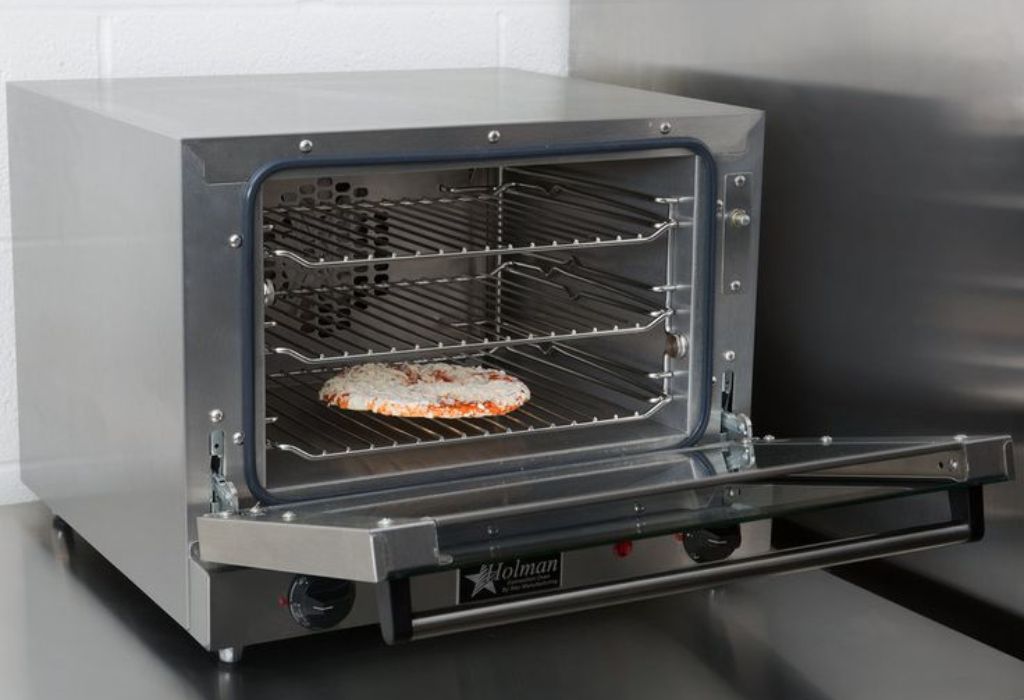
Fan ovens suit busy households. Faster cooking and even heat improve efficiency. Multiple dishes finish at the same time without rotation.
Conventional ovens benefit traditional bakers. Gentle heat preserves delicate textures. Recipes based on older methods perform more predictably.
Fan ovens save energy over repeated use. Reduced temperature and shorter cooking time lower electricity costs. Modern kitchens favor this convenience.
Conventional ovens may be better for beginners. No adjustments are needed for standard recipes. Learning curve remains minimal.
Household preference depends on cooking style. Frequent roasting favors fan ovens while delicate baking favors conventional. Some ovens offer dual modes for flexibility.
Understanding strengths helps users choose wisely. The best oven is the one that matches cooking habits. Proper selection enhances confidence and results.
Common Questions About Fan vs Conventional Ovens
What is the main difference between a fan oven and a conventional oven?
A fan oven circulates hot air for even heating while a conventional oven relies on natural heat without airflow.
Do fan ovens cook faster than conventional ovens?
Yes fan ovens reduce cooking time because moving air transfers heat more efficiently to the food.
Should I lower the temperature when using a fan oven?
Yes reduce temperature by about twenty degrees Celsius to avoid overcooking.
Why does food brown more in a fan oven?
Airflow increases surface drying which leads to quicker browning and crispness.
Are conventional ovens better for baking cakes?
Yes still heat helps cakes rise evenly and stay moist without forming a crust too early.
Can I cook multiple trays at once in a fan oven?
Yes fan circulation heats all shelves evenly and reduces the need for rotation.
Why do recipes sometimes specify conventional settings?
Traditional recipes assume still air heating and may not account for faster fan oven performance.
Does a fan oven dry out food more quickly?
Yes increased airflow removes moisture faster so timing adjustments are important.
Can every recipe be converted for a fan oven?
Yes but temperature and time must be reduced and delicate items monitored closely.
Which oven is better for everyday cooking?
Fan ovens suit faster multitasking while conventional ovens excel with delicate baking depending on user preference.
Conclusion
Fan ovens and conventional ovens differ mainly in airflow heat distribution and cooking speed. Fan ovens circulate air to provide even heating which shortens cooking time and improves browning. Conventional ovens rely on still heat that preserves moisture and supports gentle baking.
Understanding temperature and timing adjustments prevents common cooking mistakes when switching between oven types.
Fan ovens require reduced heat and monitoring to avoid overcooking while conventional ovens may need tray rotation for even results. Matching recipes to the correct oven improves texture flavor and consistency.
Both ovens serve valuable roles depending on cooking style. Fan ovens offer efficiency and uniformity for everyday meals while conventional ovens handle delicate baking with greater control.
Knowing the differences helps users make better kitchen decisions and achieve reliable results across all dishes.

I’m Emma J. Caldwell, the founder, lead writer, and home-cooking enthusiast behind KitchenGuideCo.com. With a background in culinary arts and over a decade of cooking experience in both professional and personal kitchens, I created this platform to demystify recipes, offer smart kitchen gadget reviews, and guide readers through meal prep with confidence and clarity.