A small kitchen often feels like a puzzle where every inch matters, and choosing the right oven becomes one of the biggest challenges. Many people struggle to cook comfortably because their bulky oven takes up too much counter space or fails to deliver consistent heating.
The right oven, however, transforms that limited kitchen into a powerful and efficient cooking space, even when the layout seems too tight.
Imagine preparing a full meal in a kitchen where space is already cramped, yet everything still flows smoothly. The ideal oven not only fits perfectly but also works faster, saves electricity, and handles multiple cooking styles without occupying your entire counter.
This small shift in appliance choice often decides how enjoyable your daily cooking routine becomes. When the oven operates efficiently, the entire kitchen feels more organized and spacious.
Most people with small kitchens look for an appliance that combines compact design with strong performance. Whether someone lives in a studio apartment, a tiny home, or a compact rental kitchen, the right oven becomes the heart of their cooking setup.
It has to be powerful enough to bake, roast, and grill, yet small enough to leave room for other essential appliances. This balance is what makes oven selection so important.
In this guide, you’ll discover which ovens truly work best for small kitchen environments based on size, performance, design, and unique features.
Each section breaks down everything you need to consider so you can choose an oven that fits your kitchen layout and cooking habits perfectly.
By the end of this article, you will feel confident selecting an oven that saves space, cooks better, and upgrades your entire kitchen experience.
Why Small Kitchens Need the Right Oven
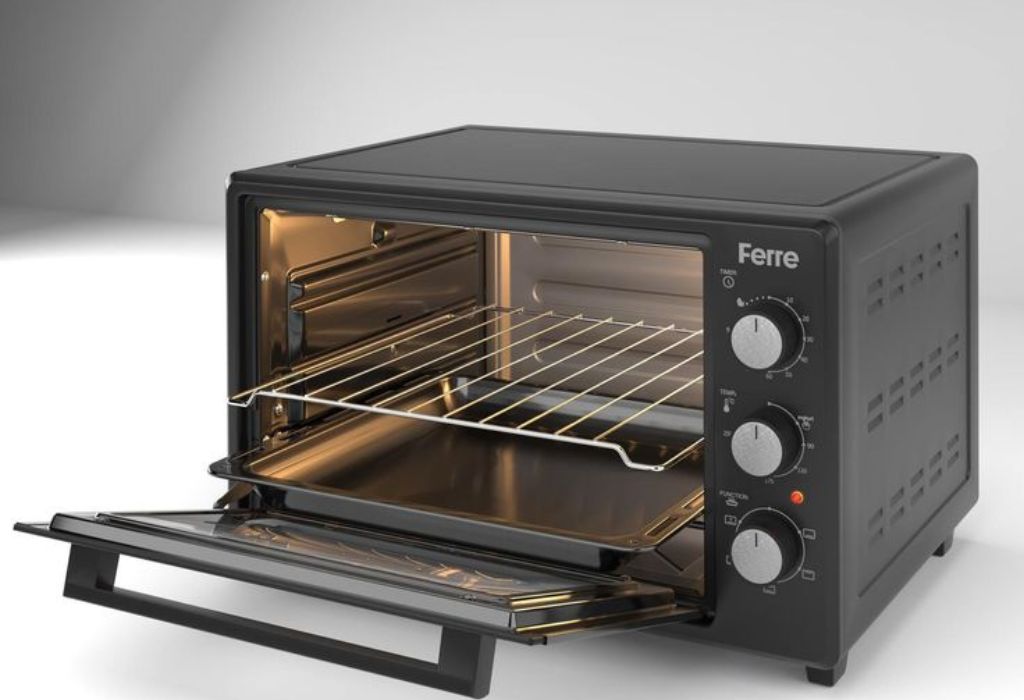
A small kitchen often limits how comfortably you can cook, so the oven you choose must work efficiently in tight spaces.
Many people struggle because large ovens take too much counter space and reduce movement in an already compact layout. A correctly sized oven solves this issue by fitting neatly while still offering full cooking performance.
The right oven helps improve workflow in small kitchens where every step matters. Compact ovens warm up faster, use less electricity, and work well without requiring large ventilation areas. These benefits make daily cooking easier, especially when time and space are both limited.
Small kitchens are more prone to heat buildup, which can make cooking uncomfortable. A proper oven reduces unnecessary heat release and avoids creating hotspots near cabinets or walls. This keeps your kitchen cooler and safer during long cooking sessions.
Another reason small kitchens need the right oven is the multitasking challenge. Many compact ovens include multiple functions like baking, roasting, grilling, and air frying, which helps reduce the need for extra appliances. This multifunction design frees up countertop space while improving overall efficiency.
Safety becomes increasingly important in a small kitchen where items are placed close together. A smart, compact oven with modern safety features reduces the risk of accidental burns and mishaps. This makes cooking safer for beginners and experienced home cooks alike.
Choosing an oven tailored for a small kitchen also enhances organization. When appliances fit properly, the entire kitchen feels more spacious and visually balanced. This balance makes daily cooking enjoyable instead of stressful.
Finally, the right oven increases the value of your small kitchen by making it feel well-equipped. Even limited spaces become more functional when appliances match the available layout. This is why selecting the perfect oven matters so much in compact kitchens.
Types of Ovens Suitable for Small Kitchens
Compact kitchens benefit from ovens designed to save space without reducing cooking capability. Countertop ovens are popular because they require no installation and fit easily on most counters. These ovens are excellent for homeowners seeking flexibility and mobility.
Toaster ovens work well for quick meals and basic baking tasks. They heat up faster than standard ovens and use much less energy, which is ideal for people cooking small portions. Their compact size also allows them to fit comfortably under cabinets or in corner spaces.
Compact electric ovens offer more cooking functions than toaster ovens. They often come with built-in timers, precise temperature ranges, and larger internal capacity. This makes them a great alternative to full-sized ovens in small homes or studios.
Built-in small wall ovens save floor space and provide a cleaner, more organized appearance. These ovens fit directly into kitchen cabinetry, which helps maximize counter surfaces. Their integrated design is perfect for modern small-kitchen layouts.
Microwave-oven combo units combine reheating and baking functions in a single appliance. These models help you avoid buying two separate machines and reduce clutter significantly. They are especially useful in rental apartments or small urban kitchens.
Air fryer ovens are another excellent choice for small kitchens. They cook faster than traditional ovens while consuming less energy. Their compact shape and multifunction design make them a favorite among homeowners who enjoy healthier cooking.
Mini convection ovens offer the best balance of speed, power, and compactness. They distribute heat evenly, ensuring consistent results even in small batches. This reliability makes them ideal for people who cook frequently but lack space for a full oven.
Size and Capacity Guide for Limited Kitchen Layouts
The first factor to consider when buying an oven for a small kitchen is external dimensions. A compact oven typically ranges from 16 to 24 inches in width, which allows it to fit on most countertops.
Smaller models are best for very tight spaces, while slightly larger units suit moderate-sized kitchens.
Internal capacity determines how much food you can cook at once. Many compact ovens offer capacities between 0.5 and 1.2 cubic feet, suitable for baking pizzas, casseroles, or small roasts.
Larger internal capacity helps mimic the functionality of full-size ovens without using excess space.
One-rack ovens are perfect for people cooking for one or two individuals. They simplify the cooking process and heat up faster due to smaller internal volume. Multi-rack ovens work better for families who want more flexibility in meal preparation.
Placement is equally important when dealing with limited kitchen layouts. Some ovens work best on open counters, while others fit neatly below cabinets or on utility carts. Proper placement helps keep your kitchen organized and maintains smooth cooking flow.
Ventilation clearance must be considered before purchasing an oven. Most compact ovens require a small gap around the sides and back to release heat safely. Ensuring proper ventilation helps prevent overheating and extends the appliance’s lifespan.
Depth also matters when planning the oven’s location. Shallow ovens work well on narrow counters and reduce the risk of bumping into corners during cooking. This makes them easier to use in narrow galley kitchens.
Overall, size and capacity should be matched to your cooking habits. People who often bake large meals should choose slightly larger compact ovens, while minimal cooks can select the smallest possible models. This ensures efficient performance without wasting space.
Power Consumption and Heating Technology
Electric ovens dominate small kitchens because they require no gas connection. They are easier to install, safer, and more energy-efficient in compact living spaces. This makes them ideal for apartments and studio homes.
Gas ovens, though less common, are preferred by people who enjoy traditional heat distribution. They offer better moisture retention in baked goods but require proper ventilation. Their bulkier design makes them less suitable for very small kitchens.
Convection heating technology benefits compact kitchens significantly. It circulates hot air throughout the oven, ensuring faster and more even cooking. This feature reduces cooking time and saves energy, which is essential for small living spaces.
Infrared heating is another advanced feature offered by some compact ovens. It provides instant heat, reducing preheat times and improving cooking precision. This technology is especially helpful when preparing quick meals.
Preheating efficiency affects the overall energy usage of your oven. Compact ovens often preheat within a few minutes because of their smaller internal space. Faster preheating means less electricity wasted during daily cooking.
Energy efficiency ratings help you identify which oven consumes less power. High-efficiency ovens produce less heat leakage, keeping your small kitchen cooler. This improves comfort and safety during long cooking sessions.
Power levels also differ among compact ovens. Higher wattage models cook food faster, while lower wattage units are more energy-efficient but slower. Choosing the right balance ensures the best performance for your kitchen needs.
Essential Features to Look for in Small-Kitchen Ovens
Auto shut-off is a key safety feature in compact spaces. It prevents overheating and accidental burning when you forget to turn off the oven. This makes cooking stress-free even for beginners.
Accurate timers help improve cooking consistency. They allow you to set exact cooking times and avoid over-baking or under-cooking. This kind of precision is especially important when multitasking in small kitchens.
Temperature accuracy ensures your food cooks evenly every time. Compact ovens with digital thermostats maintain stable internal heat levels. This consistency helps you achieve reliable results during baking or roasting.
Easy-to-use controls make a compact oven more enjoyable to operate. Digital touch panels or simple knobs help reduce confusion, especially for busy home cooks. Intuitive designs save time and improve convenience.
Child lock features increase safety in homes with young children. They prevent accidental button presses or door openings during cooking. This is crucial in small homes where kids can easily reach countertops.
Safety sensors protect the oven from overheating. These sensors shut down the appliance if it reaches unsafe temperatures. This prolongs the oven’s lifespan and reduces fire risks.
Interior lights allow you to monitor your food without opening the door. Opening the door reduces heat and increases cooking time, especially in small ovens. Interior lights help maintain proper temperature and reduce energy waste.
Best Placement Ideas for Ovens in Small Kitchens
Corner countertop placement works well for compact ovens. It keeps the appliance out of the main cooking area while still within reach. This helps free up workspace for food preparation.
Under-cabinet placement is ideal for kitchens with limited counter surfaces. Some ovens are designed to mount under cabinets, saving valuable space. This setup works great in studio apartments with narrow counters.
Rolling kitchen carts provide a mobile and flexible placement solution. The oven can be moved when needed and stored away when not in use. This keeps the kitchen uncluttered and more comfortable.
Vertical stacking helps maximize height in small kitchens. Placing the oven on a shelf above a microwave or storage rack saves horizontal space. This method works particularly well in homes with tall cabinets.
Wall-mounted setups create a clean and modern look. Built-in ovens fit directly into the kitchen cabinetry, reducing clutter on countertops. This setup makes the kitchen appear more spacious and organized.
Open shelves offer another good placement idea for compact ovens. These shelves can be positioned at convenient heights, making operation easier. This helps improve kitchen flow without sacrificing accessibility.
Placement should always consider heat ventilation. Keeping a small gap around the oven helps release heat safely. Proper airflow increases appliance lifespan and reduces accidental overheating.
Best Ovens for Small Kitchens (Category-Wise Recommendations)
The best overall compact oven for small kitchens balances size, power, and multi-functionality. These models offer strong heating performance without taking up excessive counter space. They are ideal for most households with limited room.
Budget-friendly compact ovens provide essential functions at affordable prices. They are suitable for people who cook simple meals and need basic reliability. These ovens often preheat fast and consume minimal energy.
Convection compact ovens are excellent for people who bake frequently. Their heated air circulation ensures even browning and faster cooking. This makes them popular choices in small kitchens where efficiency is a priority.
Air fryer ovens combine crisping technology with traditional baking features. They remove the need for a separate air fryer, which saves counter space. This two-in-one design suits health-conscious households.
Electric mini ovens are perfect for tiny apartments or dorms. They use minimal power while still offering strong heating ability. Their compact size makes them easy to place anywhere in the kitchen.
Built-in compact ovens suit homeowners who want polished, organized kitchen layouts. They install directly into cabinets and maintain a clean aesthetic. This setup works well for long-term use and modern kitchen upgrades.
Each category serves a different lifestyle depending on cooking habits. Choosing the best model requires understanding your space limitations and needs. This ensures the oven supports your daily routine efficiently.
Oven Safety Tips for Small Kitchen Users
Heat protection becomes more important when everything is close together. Keeping heat-resistant mats under the oven protects countertop surfaces. This prevents damage and keeps the cooking area safe.
Cleaning the oven regularly reduces fire risks from grease buildup. Small kitchens often trap odors and smoke faster, making maintenance essential. A clean oven works more efficiently and remains safer to use.
Proper maintenance extends the lifespan of your compact oven. Checking door seals, heating elements, and temperature accuracy helps prevent issues. This reduces energy waste and improves cooking consistency.
Fire-safe setups are crucial in small homes. Keeping flammable items away from the oven prevents dangerous accidents. Maintaining clear zones around the appliance improves safety significantly.
Distance from walls helps release heat safely. Placing the oven too close to a wall increases the risk of overheating. Providing at least a few inches of clearance improves overall performance.
Power cord management prevents tripping hazards. Keeping the cord away from the hot surface protects it from melting or exposure. This increases electrical safety during cooking.
Small kitchen users must also monitor the oven during use. Compact ovens cook faster, which increases the chance of overcooking if left unattended. Staying attentive ensures safer and better results.
How to Maintain and Clean a Small-Kitchen Oven
Daily cleaning routines help prevent buildup inside the oven. Wiping the interior after each use keeps residue from hardening. This makes deep cleaning much easier later.
Deep cleaning should be done regularly based on usage. Using warm water and mild cleaners removes grease without damaging the oven’s coating. Avoiding harsh chemicals keeps the appliance safe and long-lasting.
Odor removal is important in compact living spaces. Baking soda or lemon water works well to neutralize strong smells inside the oven. This keeps the kitchen fresh and pleasant.
Tracking temperature issues helps maintain cooking consistency. If dishes seem undercooked or overcooked, checking the thermostat can identify problems early. Fixing these issues improves performance and efficiency.
Extending the lifespan of your oven involves proper use. Avoiding heavy impacts on the door or racks reduces structural wear. Handling the oven gently helps maintain its durability.
Cleaning heating elements requires extra care. Turning off the oven and allowing it to cool prevents electrical hazards. Gently brushing debris ensures safe operation during the next cooking session.
Proper maintenance makes compact ovens reliable for everyday use. Consistent upkeep prevents expensive repairs. This ensures your small kitchen stays functional and efficient.
Common Mistakes People Make with Small-Kitchen Ovens
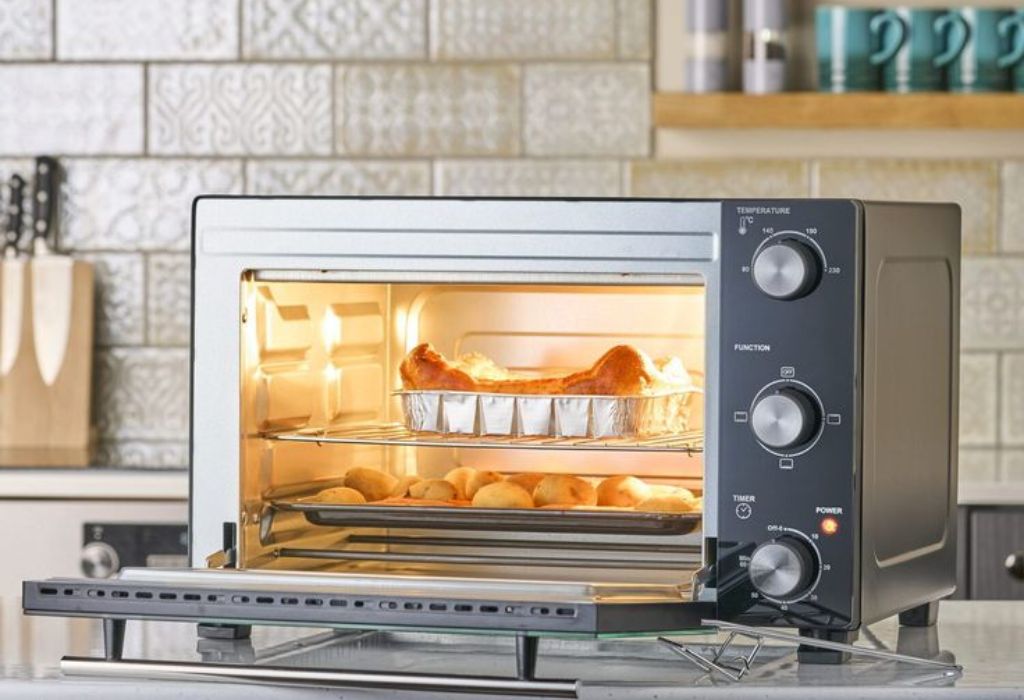
Overloading the oven is one of the most common mistakes. Small ovens need proper airflow to cook evenly, and crowding reduces performance. Keeping the rack free of clutter improves heat distribution.
Wrong placement can cause overheating in small kitchens. Placing the oven too close to walls or under low cabinets traps heat. This affects cooking results and can damage nearby surfaces.
Poor ventilation leads to inconsistent heating. Compact ovens need space around them to function effectively. Ensuring enough clearance helps maintain proper temperature.
Incorrect temperature settings cause undercooking or burning. Many small ovens run hotter than expected, so monitoring heat is essential. Using an oven thermometer helps maintain accuracy.
Ignoring preheat times also affects results. Compact ovens preheat faster, but skipping this step leads to uneven cooking. Waiting for the oven to reach proper temperature ensures better consistency.
Using wrong cookware sizes causes space problems. Oversized pans block airflow inside compact ovens. Choosing appropriately sized dishes improves cooking efficiency.
Failure to clean regularly leads to smoke and odor issues. Small kitchens trap smells easily, making maintenance important. A clean oven enhances safety and performance.
Frequently Asked Questions
What size oven is best for a small kitchen?
A compact oven between 16 and 24 inches wide usually fits well in small kitchens. This size saves counter space while still offering strong cooking performance.
Can a small oven bake like a regular oven?
Yes, modern compact ovens can bake efficiently due to convection features. They produce results similar to standard ovens.
Do small ovens use less electricity?
Small ovens typically use less power because they heat smaller spaces. This makes them energy-efficient for daily cooking.
How much clearance does a compact oven need?
Most compact ovens need at least a few inches around the sides and back. This ensures proper ventilation and prevents overheating.
Is a convection oven good for small kitchens?
Convection ovens work great because they cook faster and more evenly. This makes them ideal for compact spaces.
Can a compact oven replace a microwave?
Some models include microwave functions, making them multifunction appliances. These reduce the need for separate machines.
Are countertop ovens safe for daily use?
Yes, as long as you maintain proper ventilation and clean them regularly. Daily use is safe and efficient.
Do air fryer ovens work well in small kitchens?
They work extremely well due to their compact design and fast cooking capability. They also reduce the need for extra appliances.
Can I bake cakes in a mini oven?
Yes, mini ovens can bake cakes successfully with correct settings. Many people prefer them for small-batch baking.
Which oven type lasts longest in small kitchens?
Electric convection ovens typically last longest with proper maintenance. Their design supports frequent use in compact environments.
Conclusion
Small kitchens can feel limiting, but choosing the right oven transforms even the tightest spaces into efficient cooking zones. A well-selected compact oven offers powerful heating, versatile cooking modes, and better energy efficiency without taking over your counter.
Understanding oven types, capacity, features, heating technology, and placement helps guide you toward the perfect choice.
By selecting an oven designed for compact living, you make your kitchen more organized, safer, and more enjoyable to use. Whether you choose a countertop convection oven, an air fryer oven, or a built-in compact model, the right appliance enhances every meal you prepare.
With the knowledge from this guide, you can confidently find the ideal oven that fits both your cooking style and your available space.

I’m Emma J. Caldwell, the founder, lead writer, and home-cooking enthusiast behind KitchenGuideCo.com. With a background in culinary arts and over a decade of cooking experience in both professional and personal kitchens, I created this platform to demystify recipes, offer smart kitchen gadget reviews, and guide readers through meal prep with confidence and clarity.