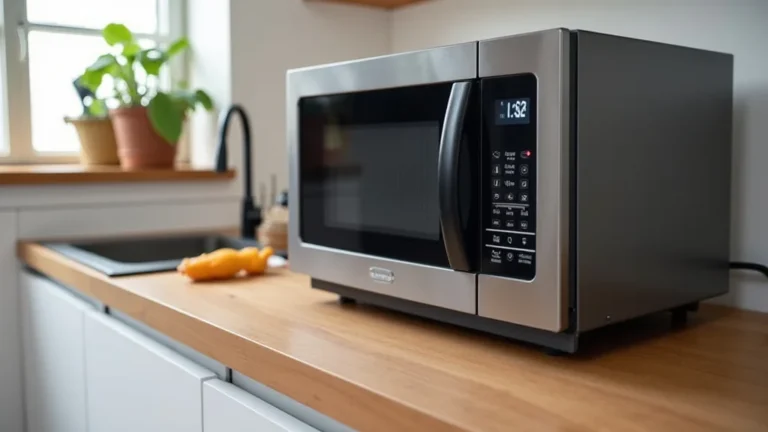
It usually starts with something simple like heating leftovers after a long day, but a small mistake with an oven can turn into a dangerous situation faster than most people realize.
Many households face minor oven incidents every year, and most of them could have been prevented with the right safety features. That is why understanding the built-in protections of a modern oven is more important than ever.
Imagine a young family preparing dinner, children running around the kitchen while the oven is heating to full temperature, and a moment of distraction becomes all it takes for an accident.
Stories like these happen more often than people think, which is why manufacturers now design ovens with smart technology to reduce risks. These features don’t just make cooking easier, they make the environment safer for everyone.
Many homeowners buy ovens by focusing only on performance, heating power, and brand reputation, but they overlook the most essential part: safety.
The truth is that a strong oven without proper safety mechanisms is like owning a powerful vehicle without brakes. To avoid burns, fires, smoke hazards, and electrical or gas issues, knowing what safety features to look for is critical.
Modern ovens are built with layers of protection, but not all models offer the same level of security, and the differences can impact daily use. Whether someone cooks casually or prepares meals every day, the right safety features make the experience worry-free.
Before choosing an oven, understanding these protections ensures your home, family, and kitchen remain safe.
Understanding Why Oven Safety Features Matter
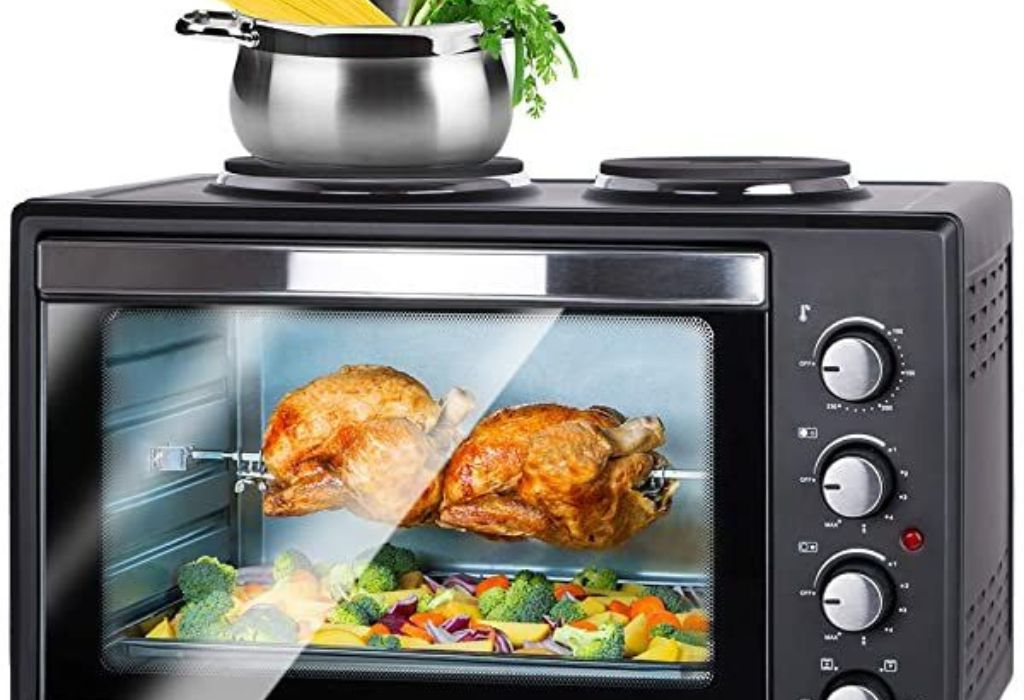
Cooking has become a central part of modern life, yet many people underestimate the risks that come with using an oven.
The heat, electrical components, and high-powered functions can create dangerous situations if something goes wrong. Understanding why safety features matter helps prevent accidents long before they occur.
Every year countless home incidents are caused by forgotten food, malfunctioning thermostats, or children touching hot surfaces.
These accidents happen in seconds, often when someone gets distracted during a busy routine. Proper safety mechanisms act as a silent shield against these risks.
Most people assume an oven is safe as long as it heats food correctly, but performance alone cannot guarantee protection.
A high-temperature appliance without the right safety engineering becomes a hazard in any kitchen. That is why manufacturers invest heavily in smart and mechanical protection systems.
Different ovens come with different levels of safety, and cheaper models often lack several essential features.
Missing protections can increase the chance of overheating, electrical failure, or accidental burns. Knowing how these differences affect daily use is key to making a safe purchase.
Accidents often happen when children or pets come close to the oven during cooking. A simple touch to an unprotected hot door can cause severe burns that take months to heal. Safety features like cool-touch doors and lock mechanisms help prevent these tragedies.
Even adults face risks if the oven does not regulate temperature properly. A faulty thermostat can overheat food, create smoke, or even start a fire inside the appliance. Overheat protection and accurate sensors eliminate these dangers before they escalate.
Busy households also benefit from features that help when someone forgets to turn off the oven. Auto shut-off and smart alerts ensure the appliance never stays on longer than necessary. These features save energy while keeping the kitchen safe.
In short, oven safety features matter because they protect people, property, and daily routines from avoidable harm.
They create a safer environment where families can cook confidently without worrying about hidden dangers. Investing in a well-designed oven ensures peace of mind for many years.
Automatic Shut-Off Safety Explained
Automatic shut-off is one of the most essential oven safety features for preventing accidental overheating. The function works by monitoring cooking time and temperature to detect when the oven should no longer stay on. When triggered, it cuts power immediately to eliminate fire risks.
Many home accidents happen because someone forgets the oven after placing food inside. Life gets busy, distractions happen, and hours can pass without realizing the appliance is still running. Automatic shut-off protects against these moments by handling the job for you.
This technology uses a built-in timer or sensor system to detect potential danger. If the oven reaches a critical temperature, it activates the safety switch. This prevents internal components from overheating and causing damage.
The feature is especially important for elderly users or people with memory challenges. It provides an extra layer of protection during daily cooking routines. Families also appreciate the peace of mind it brings.
In modern smart ovens the shut-off feature pairs with mobile apps. Users receive notifications whenever the oven turns off automatically. This helps maintain awareness even when someone is in another room.
Electric ovens benefit greatly because electrical heating elements can become extremely hot. The system ensures they never operate beyond a safe limit. It also reduces unnecessary energy consumption.
Gas ovens also integrate similar safety logic. When sensors detect irregular behavior, the gas supply shuts down. This prevents leakage and potential fire hazards.
Overall automatic shut-off ensures cooking mistakes do not turn into dangerous situations. It offers smart protection for busy households. Any oven lacking this feature is not suitable for safe long-term use.
Overheat Protection Mechanisms
Overheat protection prevents the oven from reaching temperatures that could damage internal parts or ignite food. Thermal sensors constantly analyze heat levels during operation. If the temperature goes beyond the threshold, the safety device instantly cuts power.
One major benefit is preventing electrical malfunction. Excess heat can damage wiring and cause short circuits. Overheat protection keeps all components working correctly.
Thermostats and thermal fuses work together in this system. The thermostat measures ongoing temperature while the fuse acts as an emergency backup. If the thermostat fails the fuse activates as the second layer of safety.
Food can also become a hazard when temperatures rise beyond cooking needs. Burnt food produces smoke and may trigger kitchen alarms. Overheat protection stops the oven before reaching this point.
This feature is especially important during long baking sessions. Ovens running for hours generate more internal heat than expected. Protection mechanisms maintain stable conditions throughout.
Some ovens also include airflow control for heat management. Fans circulate air evenly to avoid hot spots. This helps the oven maintain performance without safety compromise.
Gas ovens include flame sensors to detect irregular heat output. When an abnormal temperature spike occurs, gas flow stops automatically. This protects the cooking environment from flame flare-ups.
Overall overheat protection is one of the strongest indicators of oven quality. It safeguards internal components, food, and household safety. Any reliable modern oven must include this mechanism.
Child Lock and Family Safety Controls
Child lock is crucial for homes with kids because children often touch appliances out of curiosity. Modern ovens allow locking the control panel with a simple button combination. This prevents temperature changes or accidental activation.
The door lock also protects children from opening the oven while it is hot. A heated oven interior reaches temperatures that can cause severe burns in seconds. The locking system eliminates this risk completely.
Families also benefit from timer locks. These prevent the oven from turning on until the programmed time arrives. It keeps children from turning knobs or buttons when parents are not in the kitchen.
Many smart ovens include app-based safety controls. Parents can enable locks even when they are away from home. This provides remote protection and monitoring.
Cool-touch door technology complements child safety features. Multiple layers of glass keep the outer door surface cooler. Children can accidentally touch the oven door without getting burned.
Some ovens offer sound alerts if the door is opened during operation. These alerts help adults respond quickly. It prevents unnecessary exposure to heat.
Child lock features enhance both usability and safety. Families rely on these functions for daily cooking confidence. Any oven meant for a family household should include these protections.
Cool-Touch Door Technology
Cool-touch doors prevent accidental burns when touching the front glass. This works by using double or triple-layer glass that insulates heat inside. As a result the outer surface stays significantly cooler.
Parents appreciate this because children often lean on appliances without thinking. Pets may also brush against the door while walking around the kitchen. Cool-touch technology keeps everyone safer.
The insulation also improves energy efficiency. Less heat escapes through the door which means the oven does not need to work harder. This helps maintain consistent cooking temperature.
During long baking cycles the door remains safe to touch. Traditional ovens get extremely hot on the outer surface. Modern cool-touch designs prevent such heat transfer.
The multi-layered panels trap radiant heat before it reaches the exterior. Air gaps between the layers work as insulation. Some models add reflective coatings to enhance protection.
Ovens with this feature feel safer in compact kitchens. When space is small it is easy to accidentally touch appliances. Cool-touch surfaces reduce risk during tight movements.
Manufacturers stress-test these doors to extreme temperatures. They ensure that even at peak heat the surface temperature stays within safe limits. This provides reassurance for everyday use.
Overall cool-touch door technology transforms the safety experience in modern kitchens. It prioritizes user protection without reducing oven performance. Any modern oven should include this essential feature.
Proper Ventilation and Airflow Safety
Ventilation ensures an oven releases heat properly while keeping internal components cool. Poor airflow causes overheating, smoke buildup, and mechanical failure. A well-ventilated oven eliminates these risks.
Cooling fans help maintain temperature around sensitive electrical parts. These fans run during and after cooking to stabilize heat. They play a vital role in long-term appliance durability.
Airflow ducts move hot air away from the oven chamber. This helps maintain even temperature during cooking. It also prevents heat from spreading into kitchen cabinets.
Without ventilation ovens accumulate excessive internal heat. This stresses wiring and sensors. Continuous overheating can shorten the appliance’s lifespan.
Some ovens include exhaust systems that release warm air through vents. These vents maintain balance between internal and external temperature. This ensures safer operation during long cooking cycles.
Gas ovens rely on proper airflow to maintain clean-burning flame. Insufficient oxygen supply leads to incomplete combustion. This can produce harmful gases like carbon monoxide.
Ventilation systems also reduce condensation buildup inside the oven. Moisture can damage metal surfaces over time. Good airflow protects against corrosion.
Overall proper ventilation ensures heat control, air quality, and combustion safety. It is one of the most critical engineering elements in a modern oven. Any oven lacking this feature poses long-term risks.
Tip-Over and Anti-Tilt Brackets
Anti-tilt brackets prevent the oven from tipping forward when heavy items are placed on the open door. This is especially important for slide-in or freestanding ovens. Without these brackets, accidents can happen unexpectedly.
Children often climb onto open oven doors thinking it is a step. This puts heavy downward force on the appliance. Anti-tilt brackets keep the oven firmly in place.
When roasting a large turkey or heavy tray, people sometimes rest it on the open oven door. A weak or unsecured oven may tilt under weight. Anti-tilt mechanisms protect against this pressure.
Installation of these brackets is simple but often ignored. Many homeowners do not realize their importance. Manufacturers strongly recommend proper setup during installation.
Anti-tilt devices also stabilize ovens on uneven floors. Small movements can become dangerous over time. The brackets ensure the oven remains solid and safe.
For wall-mounted ovens support brackets keep the frame stable. They prevent shaking or strain during door operation. This maintains long-term structural safety.
Tip-over protection is required under many safety regulations. It proves that manufacturers prioritize accident prevention. Any oven missing this feature can be considered unsafe.
In modern kitchen design anti-tilt brackets are standard. They offer dependable stability and peace of mind. Their small size hides the huge safety value they provide.
Safety Thermostats and Temperature Accuracy
Safety thermostats ensure ovens heat only to the correct temperature. When accuracy is off food may overcook burn or generate smoke. A stable thermostat prevents these issues.
Faulty thermostats cause unpredictable temperature spikes. These spikes can damage internal components. They also pose fire risks in extreme cases.
Many ovens use digital thermostats for higher precision. Sensors measure heat distribution and adjust elements accordingly. This ensures steady temperature throughout the cooking process.
Temperature accuracy improves cooking results. Food cooks evenly and efficiently. This prevents charred spots or raw patches.
Some models include backup limit thermostats. These activate when the main thermostat fails. They cut power to prevent runaway heat buildup.
Thermostats require proper calibration over time. Heavy usage can cause minor shifts. Routine checks maintain long-term safety.
Users can test temperature accuracy with oven thermometers. This helps detect issues before they become dangerous. Early detection protects both safety and food quality.
Accurate thermostats are essential for safe and consistent oven performance. They balance functionality and protection. Any high-quality oven includes this system.
Oven Door Lock for Self-Cleaning Mode
Self-cleaning mode uses extremely high temperatures to burn off residue. These temperatures can exceed 850 degrees. A locked door is essential for safety during this process.
The door lock prevents anyone from opening the oven while it is hot. Exposure to the internal environment could cause severe burns. The lock ensures no accidental contact occurs.
Self-cleaning cycles also release bursts of heat that must stay contained. The locking system maintains proper pressure and insulation. This keeps heat from escaping.
The lock engages automatically when the cycle begins. It stays engaged until the oven cools to a safe temperature. This eliminates guesswork for users.
Sensors monitor internal heat to determine when unlocking is safe. Only when the temperature drops will the mechanism release. This prevents premature door opening.
Many modern ovens include mechanical and electronic locks. This dual system ensures higher reliability. Even if one fails the other continues protection.
Families with kids especially benefit from this feature. Children might try to open the oven during the cleaning cycle. The lock ensures complete safety at all times.
Self-cleaning ovens without door locks pose unacceptable risks. Manufacturers include this feature as a standard safety requirement. It is one of the strongest indicators of oven quality.
Material Safety: Casing, Racks, and Insulation
High-quality oven materials enhance performance and safety. The casing must withstand extreme heat without warping. Strong insulation keeps heat inside the oven chamber.
Interior racks need to be heat-resistant. Weak materials can bend under high temperatures. High-quality stainless steel racks ensure durability.
Food-safe coating prevents chemicals from releasing during cooking. Poor coating can degrade and contaminate food. Safe materials protect health and taste.
Insulation is critical for temperature control. It prevents heat from spreading to nearby cabinets. This reduces the chance of fires.
Good insulation also supports energy efficiency. The oven requires less power to maintain cooking temperature. This saves money in the long term.
Casing materials protect internal wiring. Strong metal housing shields components from impact and heat. This preserves electrical safety.
Manufacturers test materials through high stress cycles. These tests confirm the durability needed for long life. Only top-grade ovens pass all stages.
Material quality directly influences safety reliability and performance. It is essential when evaluating any oven. Safer materials always produce a safer cooking environment.
Gas Oven Safety Sensors (for Gas Models)
Gas ovens rely on sensors to maintain safe operation. Flame sensors check whether the burner remains lit. If the flame goes out, gas flow stops.
Leak detectors monitor gas levels inside the oven. If any leak is detected, the system shuts down instantly. This prevents fire and poisoning hazards.
Pilot lights have evolved with modern technology. Many ovens now use electric ignition. This reduces gas waste and improves safety.
Gas pressure regulators maintain stable flow. Irregular pressure can cause dangerous flare-ups. Regulators prevent these conditions.
Some ovens include carbon monoxide detectors. These monitor combustion quality. Poor combustion triggers automatic shutdown.
Users benefit from alarms and indicators. These notify when a sensor activates. Awareness supports quicker reactions.
Gas ovens require professional installation. Proper setup ensures sensor accuracy. Poor installation compromises safety.
Gas ovens with advanced sensors provide secure cooking environments. They detect issues before they become dangerous. This level of protection is essential.
Electrical Safety for Electric Ovens
Electric ovens depend on safe wiring and proper grounding. Without grounding an electrical fault could cause shocks. Ground wires neutralize excess current safely.
Surge protection prevents voltage spikes. Spikes can damage heating elements. They may also harm digital controls.
Circuit breakers add another layer of protection. They cut power during dangerous electrical load. This prevents overheating and fire.
Quality wiring reduces risk of sparks. Manufacturers use insulated copper wires for durability. This maintains long-term reliability.
Electric ovens must match the home’s electrical capacity. Using low-capacity outlets increases hazard risk. Proper circuits ensure stable performance.
Moisture protection is another important aspect. Water exposure near electrical parts is dangerous. Sealed components keep moisture out.
Many ovens include error codes for electrical issues. These codes help diagnose problems early. Early detection improves safety.
Electric safety features protect both the oven and user. They ensure stable operation during every cooking session. This reliability is essential for modern kitchens.
Smart Oven Safety Features
Smart ovens elevate safety with digital functions. Mobile apps allow remote monitoring. Users receive alerts for overheating or long operation.
Remote shut-off prevents accidents. If someone forgets the oven on they can turn it off from their phone. This adds convenience and safety.
Some ovens include camera systems. Users can check food progress without opening the door. This reduces heat loss and risk.
Burn-prevention alerts notify when internal temperature rises abnormally. These alerts prevent damage to food or oven components. The system acts faster than manual monitoring.
Smart locks add additional protection. Parents can control access through apps. This keeps children safe when adults are away.
Data analytics track usage patterns. They detect unusual behavior or potential faults. This allows predictive maintenance.
Software updates improve safety over time. Manufacturers fix bugs or enhance features remotely. This keeps the oven modern and secure.
Smart ovens combine technology with protection. They add layers of security that older ovens cannot provide. These innovations create safer cooking environments.
Installation Safety Requirements
Proper installation is essential for oven performance. Incorrect setup increases risk of electrical failure. Professional installation ensures correct wiring.
Ovens need proper clearance from walls and cabinets. Too little space causes heat buildup. This increases fire risk.
Vent systems must be properly placed. Misaligned vents reduce airflow. This affects cooking and safety.
Power connections must match oven specifications. Incorrect voltage damages components. This reduces lifespan and may cause hazards.
Leveling is important for oven stability. Unleveled ovens can tilt or strain hinges. This affects door safety.
Gas ovens require leak testing. Professionals use tools to check connections. This protects against gas-related dangers.
Installation also includes securing anti-tilt brackets. These ensure ovens stay in position. Safety improves significantly.
Proper installation prevents many long-term issues. It ensures every safety feature works correctly. This step should never be skipped.
Maintenance Safety Checks
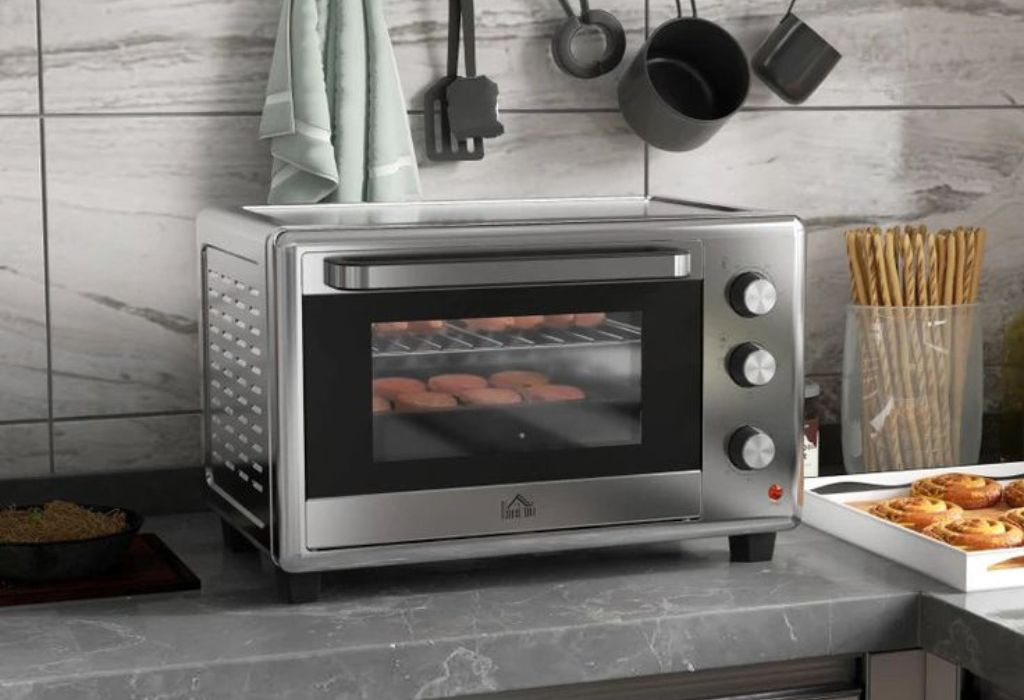
Regular maintenance keeps ovens safe over time. Dirt buildup affects sensors. Cleaning helps maintain accuracy.
Door gaskets must be inspected. Worn-out seals leak heat. This reduces efficiency.
Temperature sensors need periodic calibration. Accurate sensors prevent overheating. Calibration ensures consistency.
Racks and trays must remain clean. Burned debris creates smoke. This affects safety and flavor.
Ventilation ducts require cleaning. Dust or grease block airflow. This increases overheating risk.
Gas ovens need annual inspection. Professionals check pressure and ignition. This ensures stable operation.
Electrical ovens need cord and plug inspection. Frayed cables cause shocks. Replacements must happen immediately.
Maintenance ensures your oven remains reliable. It supports long-term safety and performance. Regular checks are essential.
Frequently Asked Questions on Oven Protection Features
Which oven safety feature is most important?
Automatic shut-off is considered the most essential because it prevents overheating and fire accidents even when users forget to turn off the oven.
Do all ovens come with child lock features?
Not all models include child locks, but many modern electric and smart ovens offer this option to improve home safety.
How does cool-touch door technology work?
It uses multiple layers of heat-resistant glass with insulation to prevent heat transfer, keeping the outer door surface cooler.
Can oven overheating cause fires?
Yes, overheating can ignite food or damage internal parts, but overheat protection mechanisms prevent this.
Is ventilation necessary for electric ovens?
Yes, proper ventilation prevents component overheating and maintains stable cooking performance.
Should gas ovens have flame failure devices?
Absolutely, these sensors shut off gas flow if the flame goes out, preventing gas leaks.
Do smart ovens improve safety?
Yes, they offer remote monitoring, alert notifications, and automated shutdown, adding extra layers of protection.
How often should oven thermostats be calibrated?
Most ovens need calibration once a year to maintain temperature accuracy and safety.
Are anti-tilt brackets really necessary?
Yes, they prevent the oven from tipping forward, especially when children or heavy trays press on the door.
How often should oven maintenance be done?
Basic cleaning should be weekly, while full safety inspections should happen every 6–12 months.
Conclusion
Oven safety features are no longer optional extras—they are essential protections that every modern household needs. From overheating prevention to child locks and cool-touch doors, each feature plays a crucial role in creating a secure cooking environment.
Understanding these systems helps homeowners make the right choice when purchasing a new oven.
A well-designed oven minimizes risks and ensures consistent performance throughout its lifespan.
Safety sensors, strong materials, accurate thermostats, and proper ventilation work together to protect both the user and the appliance. These engineering systems prevent common accidents that occur in busy kitchens every day.
Choosing an oven with advanced safety technology also improves long-term reliability. Features like automatic shut-off and self-cleaning door locks reduce the risk of error and ensure stable operation during high-temperature cycles. These protections help preserve the oven’s internal components, extending its lifespan.
Families benefit tremendously from modern safety advancements. With protective features like child locks and cool-touch doors, households with kids and pets enjoy added peace of mind.
Cooking becomes easier, safer, and more enjoyable when the appliance is equipped with the right technology.
Finally, regular maintenance ensures all safety features continue performing at their peak. Routine checks, inspections, and cleaning allow the oven to serve reliably for years.
By understanding and choosing the right oven safety features, every user can create a kitchen environment that supports both convenience and complete safety.

I’m Emma J. Caldwell, the founder, lead writer, and home-cooking enthusiast behind KitchenGuideCo.com. With a background in culinary arts and over a decade of cooking experience in both professional and personal kitchens, I created this platform to demystify recipes, offer smart kitchen gadget reviews, and guide readers through meal prep with confidence and clarity.