Most people discover broiling by accident when they notice the intense heat coming from the top of the oven. This heat feels stronger than baking and creates a sizzling, restaurant style finish on food.
Broiling has a special power because it cooks with direct radiant heat, creating fast browning, crispy edges, and beautifully caramelized surfaces.
Many home cooks hesitate to use this setting because it feels intimidating, but once you understand how it works, broiling becomes one of the most useful techniques in the kitchen.
Imagine preparing a steak on a rainy day when grilling outside is impossible. The broil setting gives you the same high heat effect that mimics outdoor grilling inside your oven.
You simply place the food on the right rack level, turn on the broiler, and let the top heating element produce intense heat that sears the surface quickly.
This method transforms simple meals into flavorful dishes without needing outdoor equipment or long cooking times.
Broiling also works perfectly for vegetables, seafood, bread toppings, and even melting cheese on casseroles. Many people do not realize how versatile it is until they start experimenting with different foods.
Broiling helps you cook faster on busy days and adds satisfying texture to meals that baking alone cannot achieve. It creates a golden crust that feels professional and enhances both flavor and appearance.
This guide will help you understand exactly how to broil safely and effectively. You will learn about rack placement, cookware selection, timing control, and common mistakes to avoid.
By the end, you will feel confident using your oven’s broiler to turn everyday meals into delicious, perfectly browned dishes.
What Broiling Means and How It Works in an Oven
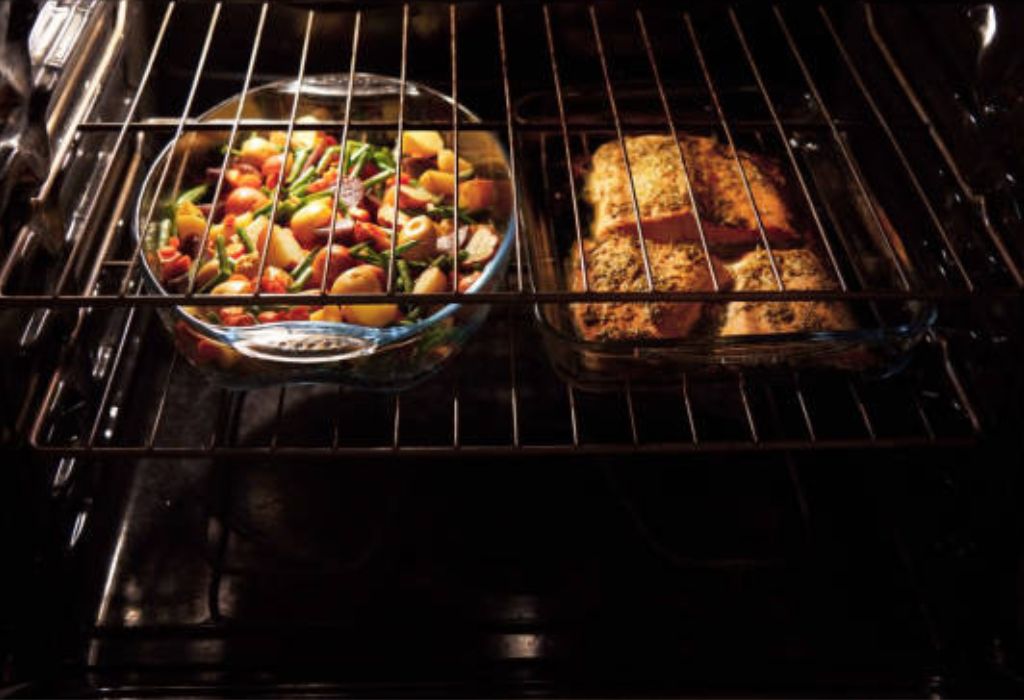
Broiling is a cooking method that uses intense direct heat from the top of the oven. This heat quickly browns the surface of food and creates a crisp exterior while keeping the inside tender. It works similarly to grilling but happens inside the oven instead of outside.
The broiler uses a top heating element that produces very high temperatures. These temperatures caramelize food surfaces faster than any other cooking method. The combination of high heat and close distance makes broiling incredibly powerful.
Broiling cooks food from the top downward. Unlike baking, which relies on even heat throughout the oven, broiling focuses on direct radiant energy. This concentrated heat creates faster cooking times and bold flavors.
The heating element activates only when you turn on the broil setting. This setting bypasses the oven’s lower element and uses the top source exclusively. This gives you strong, focused heat that targets the food surface directly.
Broiling requires proper rack placement to control intensity. Moving food closer to the heating element increases browning speed. Moving it farther away reduces heat impact and softens the cooking effect.
The broiler’s power varies between ovens. Some ovens use high temperature settings around 500 to 550 degrees Fahrenheit, while others offer adjustable broil levels. Understanding your oven’s capabilities helps improve results.
The broil function is ideal for foods that benefit from high surface heat. These include meats, vegetables, and dishes that need quick finishing touches. With the right technique, broiling becomes one of the easiest and fastest ways to enhance your meals.
Benefits of Broiling Food Instead of Baking or Frying
Broiling produces intense heat that creates beautifully browned and crisp textures. This browning adds flavor by caramelizing natural sugars in food. The result is a rich, satisfying taste without deep frying.
The broiling method uses little to no oil. This reduces calories while still achieving a crisp, grilled style finish. People seeking healthier cooking alternatives enjoy broiling for this reason.
Broiling cuts down cooking time significantly. High heat shortens the process and helps you prepare meals quickly on busy days. This makes broiling ideal for weeknight dinners.
The broiler enhances the appearance of many dishes. The golden brown color created by direct heat makes food look more appetizing. This visual appeal elevates even simple meals.
Broiling improves the texture of proteins. Steaks, chicken, and fish develop a flavorful crust that seals in moisture. This combination of crisp exterior and juicy interior is highly desirable.
Vegetables benefit from broiling as well. The high heat helps them caramelize and release deeper flavors. Broiled vegetables taste richer and more robust compared to steamed or boiled versions.
Broiling adds versatility to your oven. It allows you to achieve grilling effects indoors without additional appliances. This flexibility makes broiling useful throughout the year.
Understanding the Top Heating Element and Broil Settings
The broiler’s top heating element generates intense radiant heat. This element glows red when activated, signaling that the broiler is ready. The heat it produces is stronger than regular baking temperatures.
Most ovens have a single fixed broil temperature. This high temperature usually ranges between 500 and 550 degrees Fahrenheit. The oven cycles the heating element on and off to maintain the desired intensity.
Some modern ovens offer variable broil settings. These include high, medium, and low broil options that help control cooking speed. Adjustable settings give you more flexibility depending on the type of food.
High broil works best for quick searing. This setting is ideal for steaks, thin vegetables, and foods that require rapid browning. Foods cook in minutes with high broil intensity.
Medium broil gives more control. It works well for chicken, seafood, and dishes that need slower browning. Medium heat prevents burning while still providing strong heat.
Low broil benefits delicate foods. Items like bread toppings, cheese melts, and light vegetables cook gently with low broil. This prevents scorching and maintains better texture.
Understanding your oven’s heating element helps you choose the correct setting. Knowing how heat behaves inside the oven ensures predictable and consistent broiling. This knowledge leads to improved cooking performance.
Proper Rack Placement for Broiling Different Foods
Oven rack placement determines how intense the broiling heat will be. Moving the rack closer to the heating element increases the browning speed. This creates stronger searing but also raises the risk of burning.
For fast cooking foods, place the rack near the top. Steaks, fish fillets, and thin vegetables benefit from this position. The high heat gives them a crisp surface in a short time.
For thicker foods, lower the rack slightly. Chicken breasts, pork chops, and thicker cuts require more distance. This allows the heat to penetrate without burning the exterior.
When melting cheese, use the middle rack. This position gives gentle heat without overwhelming the surface. Melted cheese becomes bubbly and golden without scorching.
Bread toppings also benefit from middle placement. Garlic bread, sandwiches, and casseroles caramelize beautifully here. The balance of heat prevents dryness and maintains texture.
Foods that cook extremely fast need careful rack management. Moving the rack even one level down can slow browning significantly. This helps maintain control and avoids accidental burning.
Experimenting with rack levels improves your broiling skills. Each food responds differently to heat distance. Learning these responses allows you to broil confidently and effectively.
Choosing the Right Cookware for Oven Broiling
Broiling requires cookware that can withstand intense heat. Metal pans and baking sheets work best because they handle high temperatures safely. They also help achieve better browning.
Cast iron skillets are ideal for broiling. They retain heat well and create excellent sear marks on meats. Their sturdy construction makes them reliable for high temperature cooking.
Stainless steel pans also work well under the broiler. They resist warping and distribute heat evenly. This makes them suitable for vegetables, meats, and finishing dishes.
Avoid using glass cookware when broiling. Glass can shatter under extreme heat because it does not handle sudden temperature changes. This makes it unsafe for direct broiler use.
Ceramic dishes should be used cautiously. Only broiler safe ceramics can withstand the heat. Others risk cracking or breaking during intense broiling sessions.
Aluminum foil can be used for easy cleanup. Lining pans with foil helps catch drips and prevents burning residue. However, never place foil directly near the heating element.
Choosing the right cookware ensures safety and improves results. Using heat resistant pans prevents accidents and enhances cooking performance. Good cookware makes broiling smoother and more efficient.
Step by Step Process for Broiling Food in the Oven
Start by preheating the broiler for several minutes. Preheating ensures the heating element reaches full intensity. This creates the ideal environment for fast browning.
Place the oven rack at the correct height for your food. Adjust the distance based on thickness and desired browning level. Proper rack placement controls heat exposure.
Prepare the food according to your recipe. Season meats, slice vegetables, or add toppings before broiling begins. Preparation improves the final flavor.
Use a broiler safe pan or skillet. Selecting the right cookware prevents accidents and creates better results. Even heat distribution helps with consistent browning.
Place the food in the oven and close the door slightly ajar if the oven allows. Some ovens recommend leaving the door open to improve airflow. Always follow the manufacturer’s instructions for safety.
Monitor the food closely during broiling. The intense heat can burn food quickly if left unattended. Checking frequently prevents overcooking and maintains ideal texture.
Remove the food once it reaches desired color and doneness. Allow it to rest briefly before serving. Resting lets juices settle and improves taste.
Common Mistakes People Make While Broiling
One common mistake is placing food too close to the heating element. This causes the surface to burn before the inside cooks properly. Proper rack placement prevents uneven cooking.
Another mistake is not preheating the broiler. Starting with a cold broiler slows browning and affects texture. Preheating ensures the food sears immediately.
Many people walk away during broiling. Broiling cooks fast and needs constant supervision. Leaving the oven unattended leads to burning and smoke.
Using non broiler safe cookware is also dangerous. Glass and some ceramics can crack or shatter under extreme heat. Choosing the right cookware prevents accidents.
Some home cooks use too much oil. Excess oil drips and creates smoke or flare ups near the heating element. Light coating or spray is usually enough.
Overcrowding the pan reduces heat circulation. Food edges will brown but the middle stays pale or undercooked. Spreading items evenly improves broiling results.
Not adjusting rack levels for different foods is another error. Each type of food needs a different distance from the heat source. Understanding this difference improves control.
Ignoring carryover cooking can lead to dryness. Food continues cooking after removal from the oven. Removing items slightly earlier ensures perfect doneness.
Safety Tips You Must Follow When Broiling Food
Always stay near the oven while broiling. The intense heat can transform food rapidly in minutes. Close monitoring prevents burning or fire hazards.
Keep the oven door slightly open if your model requires it. Some ovens rely on airflow to regulate broil temperature. Following the manufacturer’s guidance ensures safe operation.
Use heat resistant gloves when handling broiler pans. The pans become extremely hot under direct heat. Proper protection reduces burn risk.
Avoid placing foil too close to the heating element. Foil can melt or reflect heat unpredictably. Maintain a safe distance to prevent damage.
Trim excess fat from meats before broiling. Dripping fat can spark small flames under the heating element. Trimming reduces flare ups and improves safety.
Use long handled tongs to flip or move food. This keeps your hands farther from the intense heat. It also provides better control when adjusting food.
Check your smoke detector before broiling. Broiling can produce minor smoke depending on food moisture. A functioning detector provides extra safety.
Allow the oven to cool before cleaning spills. Cleaning too soon may cause burns or cracking in certain cookware. Cooling protects both you and your equipment.
Best Foods to Broil and How Long Each One Takes
Steaks broil exceptionally well because direct heat sears the surface quickly. Thin steaks cook in a few minutes per side. Thicker cuts require lower rack placement and slightly longer times.
Chicken breasts develop a golden crust under the broiler. Boneless pieces cook faster and need careful monitoring. Bone in pieces take longer and need middle rack positioning.
Fish fillets broil beautifully due to their thin structure. Salmon, tilapia, and cod brown evenly under high heat. Most fillets finish cooking within several minutes.
Vegetables gain deep flavor when broiled. Items like peppers, asparagus, and zucchini caramelize well. Their natural sugars respond quickly to high heat.
Breads and cheese toppings melt perfectly. Garlic bread, nachos, and casseroles become golden within minutes. These foods need lower rack placement to avoid burning.
Burgers broil well when grilling is not an option. High heat creates a seared exterior similar to outdoor grilling. Juices stay inside when cooked properly.
Shrimp and shellfish cook extremely fast under broil. Their delicate structure browns quickly and requires precise timing. Pulling them out early maintains tenderness.
Broiled fruit creates unique desserts. Pineapple, peaches, and apples caramelize beautifully under intense heat. Their flavors deepen and become sweeter.
Cleaning and Maintaining Your Oven After Broiling
Allow the oven to cool before cleaning. Hot surfaces can cause burns or damage cleaning tools. Waiting ensures safety and easier handling.
Wipe spills shortly after cooling. Fresh residue comes off more easily than hardened stains. This prevents buildup and maintains oven hygiene.
Use warm water and mild detergent for cleaning. Avoid strong chemicals that may damage oven surfaces. Gentle cleaning preserves material quality.
Remove food particles from the broiler pan. Broiler pans collect grease and burnt residue quickly. Regular cleaning prevents smoke during future broiling.
Check the oven walls for splatters. Broiling often causes grease droplets to burst. Cleaning these spots prevents unpleasant smells next time.
Clean the oven door glass regularly. Splashes from broiling foods can leave marks on the glass surface. Keeping it clear improves visibility while cooking.
Inspect the oven’s top heating element from a safe distance. Element cleanliness affects performance. Avoid touching it but ensure nothing blocks heat circulation.
Perform a deep clean when needed. Some ovens offer self cleaning modes to remove tough stains. Using these modes keeps the oven functioning efficiently.
Oven Broiling Questions and Expert Answers
What temperature does the broiler use?
The broiler uses very high heat typically around 500 to 550 degrees Fahrenheit. This intense temperature browns food quickly and creates crisp textures.
Should I preheat the broiler?
Yes, preheating ensures the heating element reaches full intensity before cooking. This helps sear food immediately for better results.
Can I use glass dishes under the broiler?
No, glass is not safe for broiling because it can shatter under intense heat. Only broiler safe metal or cast iron cookware should be used.
How far should food be from the broiler element?
Distance varies by food thickness. Thin foods go near the top while thicker foods need the middle rack.
Why does food burn easily under the broiler?
Broiling uses strong direct heat that cooks fast. Without supervision, the surface burns before the inside cooks.
Can I broil with foil?
Yes, foil can be used on pans but must stay away from the heating element. Foil too close may melt or cause heat reflection issues.
Do I keep the oven door open while broiling?
Some ovens require a slightly open door for airflow. Always check your oven manual to follow the correct method.
How long does broiling usually take?
Most broiled foods finish within minutes. Cooking times vary depending on thickness and temperature.
Can I broil frozen food?
Frozen food may cook unevenly under the broiler. Thawing is recommended for best browning and consistency.
Is broiling healthier than frying?
Yes, broiling uses little to no oil. This reduces fat content while still producing a crispy texture.
Conclusion
Broiling in an oven is one of the fastest and most effective ways to achieve crisp, browned, and flavorful results without the need for outdoor grilling or deep frying.
The direct heat from the top heating element cooks food quickly, creating a beautiful sear and enhancing natural flavors. Understanding rack placement, cookware selection, and timing allows you to take full advantage of this powerful cooking method.
With the right approach, broiling becomes simple, efficient, and suitable for a wide variety of foods including meats, vegetables, seafood, breads, and even desserts.
Learning to monitor food closely while broiling helps prevent burning and ensures perfect texture every time. Because broiling happens fast, maintaining focus during cooking is essential for safety and quality.
Following basic safety tips such as staying near the oven, using broiler safe cookware, and trimming excess fat reduces risks and improves results. Cleaning the oven after broiling also helps maintain performance and reduces smoke during future cooking sessions.
With practice, broiling becomes a valuable tool in everyday cooking. It allows you to prepare meals quickly while still achieving impressive flavor and texture.
By applying the techniques in this guide, you can broil confidently and enjoy delicious, restaurant quality results right from your home oven.

I’m Emma J. Caldwell, the founder, lead writer, and home-cooking enthusiast behind KitchenGuideCo.com. With a background in culinary arts and over a decade of cooking experience in both professional and personal kitchens, I created this platform to demystify recipes, offer smart kitchen gadget reviews, and guide readers through meal prep with confidence and clarity.