Cooking a whole chicken in the oven is one of the most satisfying kitchen experiences for home cooks. It fills the house with comforting aromas and creates a meal that feels warm, traditional, and shared.
Many people remember moments when a perfectly roasted chicken brought family together around the table.
Imagine preparing dinner on a weekend evening, placing a seasoned chicken in the oven, and hearing the gentle sizzle as the skin begins to crisp.
The aroma spreads through every room and builds anticipation long before the meal is served. These simple moments create lasting memories around food and family.
For beginners cooking a whole chicken may seem intimidating. The size, the preparation, and the timing can feel overwhelming at first glance. But with the right steps and techniques, the process becomes simple, manageable, and enjoyable.
This guide breaks down every stage of cooking a whole chicken in the oven. From preparation and seasoning to roasting and carving, each section explains the process clearly. By the end you will have the confidence to make tender, juicy, oven-roasted chicken whenever you want.
Benefits of Cooking a Whole Chicken in the Oven
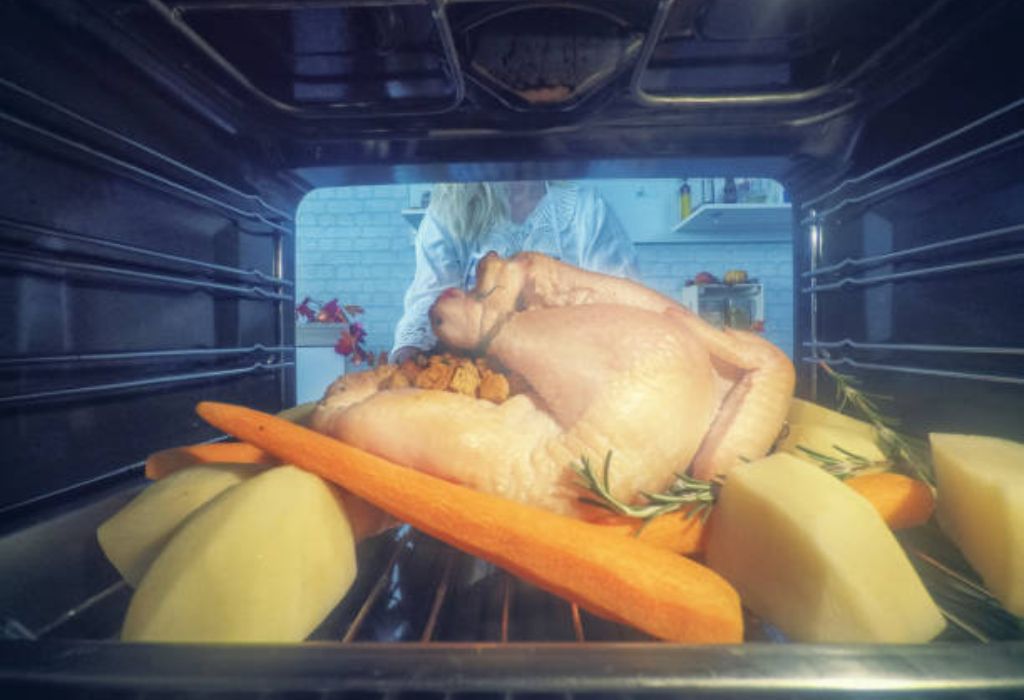
Cooking a whole chicken in the oven provides exceptional flavor that develops slowly as the meat roasts. The skin becomes crispy while the interior remains tender and juicy. This combination makes it a favorite for many families.
Roasting a whole chicken is cost effective. Buying a full bird is usually cheaper than purchasing individual cuts. It also offers better value because nothing goes to waste.
A whole chicken provides multiple meal options. Leftovers can become sandwiches, salads, soups, or pasta dishes. Each meal builds from the original roast.
Oven roasting requires very little active work. Once seasoned and placed in the oven the chicken cooks mostly on its own. This makes it ideal for busy households.
Cooking the entire bird locks in natural juices. The bones contribute extra flavor and moisture during roasting. This improves tenderness in every slice.
Roasting also allows for flexible seasoning. Herbs, spices, and oils combine beautifully on the bird. Every flavor profile becomes possible.
The process also fills the home with warm inviting aromas. These smells create anticipation long before the meal begins. The experience feels comforting and traditional.
Overall oven-roasted chicken is flavorful, economical, and practical. It offers versatility, nutrition, and satisfaction in every serving. Anyone can master it with simple steps.
Choosing the Right Chicken for Oven Cooking
Selecting a good chicken is the foundation of a successful roast. Fresh birds offer the best texture and flavor. Frozen chickens must be properly thawed before cooking.
Size matters when choosing a whole chicken. Smaller birds cook faster and stay juicier, while larger birds require more time. Matching size to your oven capacity ensures even heating.
Organic and free-range chickens often have richer flavor. Their diets and natural lifestyles influence the taste and texture. Many cooks prefer these options for better quality.
Chicken with the skin on is ideal for roasting. The skin protects the meat and helps develop crispness. It also seals in moisture throughout the cooking process.
Inspect packaging for freshness dates. Chickens close to expiration may not provide the best results. Always choose the freshest option available.
Check for excess liquid in the packaging. Too much liquid can indicate improper handling. High-quality chickens have minimal packaging fluid.
Consider whether you prefer pre-seasoned or plain. Plain chickens provide more flexibility for custom flavors. Pre-seasoned options save time but limit creativity.
Choosing wisely ensures delicious outcomes. The right bird sets the stage for perfect roasting. A good start leads to a great finish.
Essential Tools and Equipment Needed
A sturdy roasting pan is the main tool for cooking a whole chicken. It collects juices and keeps the bird elevated. Many pans also include racks for better airflow.
A meat thermometer is essential for accurate cooking. It ensures the chicken reaches a safe internal temperature. This prevents undercooking and overcooking.
Kitchen twine helps secure the legs and wings. Trussing improves presentation and promotes even heat distribution. It also keeps the chicken compact in the pan.
A basting brush is helpful for spreading butter or oils. Regular basting enhances flavor and crispiness. It ensures the chicken stays moist throughout roasting.
Aluminum foil serves multiple purposes. It can cover the bird if it browns too quickly. It also helps retain moisture during resting.
A sharp knife is important for carving. Clean slices depend on a strong blade. Proper carving tools improve serving quality.
You may also need a cutting board for preparation. It provides a stable surface for trimming and drying the chicken. A non-slip board adds safety.
These tools make the cooking process efficient and organized. Each one contributes to better results. Proper equipment builds confidence in the kitchen.
Preparing the Whole Chicken Properly
Start by removing the chicken from its packaging. Take out the giblets hidden inside the cavity. These can be used for stock or discarded.
Rinse the chicken lightly if desired. Many cooks skip rinsing to avoid splashing. Pat the chicken completely dry with paper towels.
Drying is crucial for crisp skin. Moisture prevents browning and weakens seasoning adhesion. A dry surface allows oil and spices to stick properly.
Trussing keeps the chicken compact. Tie the legs together with kitchen twine. This ensures even heat circulation while roasting.
Fold the wing tips under the body. This prevents burning during cooking. Small adjustments like these improve overall results.
Inspect the chicken for excess fat. Trim any large pieces that could create smoke. Balanced trimming helps maintain clean roasting conditions.
Seasoning begins after proper preparation. Clean preparation provides a smooth base for flavors. It sets the stage for a delicious roast.
Preparing the chicken correctly ensures safety, flavor, and even cooking. This step lays the foundation for success. Attention to detail matters greatly.
Seasoning and Flavor Options for Whole Chicken
Seasoning a whole chicken begins with choosing a base. Butter or oil helps crisp the skin and hold spices. Spread it generously across the entire surface.
Dry rubs offer strong character. Salt, pepper, paprika, garlic powder, and herbs create classic flavors. Rubbing these evenly ensures balanced taste.
Marinades add moisture and depth. Lemon juice, yogurt, or vinegar-based marinades tenderize the meat. They also enhance aroma and flavor.
Stuffing the cavity with herbs boosts fragrance. Rosemary, thyme, garlic, and lemon slices work beautifully. These ingredients create steam that perfumes the chicken.
Some cooks prefer spicy blends. Chili powders, cayenne, and pepper flakes introduce heat. These mixes create bold and exciting flavors.
Sweet notes also pair well with roasted chicken. Honey, brown sugar, or maple syrup caramelize beautifully. They produce a golden and flavorful crust.
Experimenting with global flavors can be fun. Mediterranean, Asian, and BBQ styles offer variety. Each seasoning style transforms the chicken uniquely.
Flavor choice depends on preference and creativity. A well-seasoned chicken delivers rewarding results. Proper seasoning enhances every bite.
Setting the Right Oven Temperature
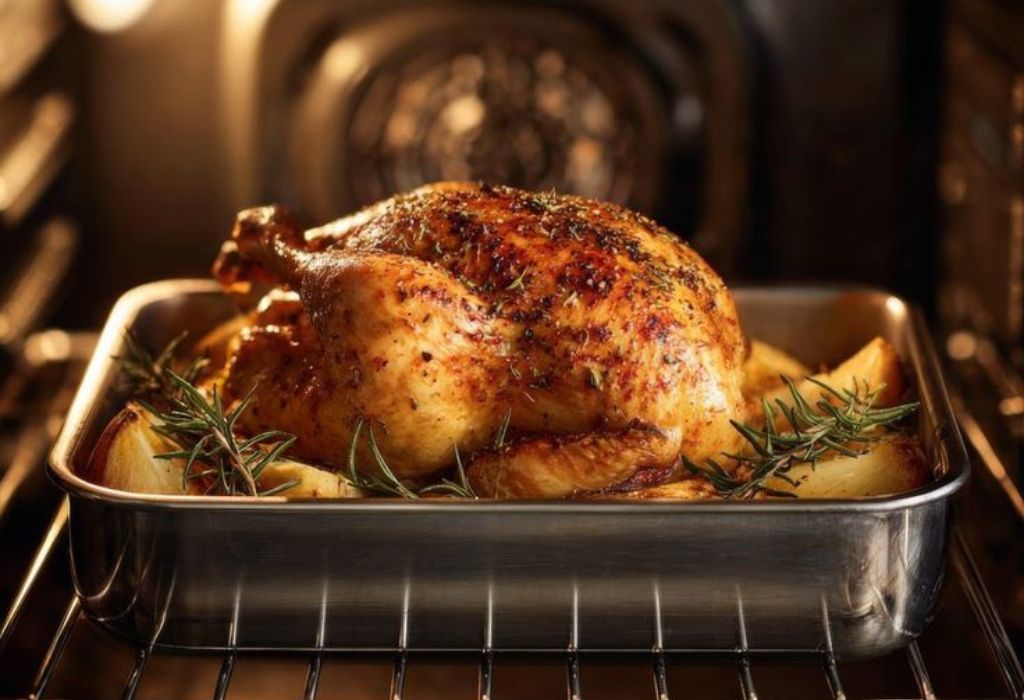
Temperature choice determines roasting success. Low and slow methods create tenderness. High heat produces crispy skin quickly.
For traditional roasting use 350 degrees. This temperature cooks the chicken evenly. It also allows flavors to develop gradually.
High heat methods start at 425 degrees. The bird browns rapidly and creates crisp skin. Many cooks then lower the temperature for even cooking.
An oven thermometer ensures accurate heat. Household ovens often fluctuate. Correct readings prevent overcooking.
Preheating is essential before placing the chicken inside. Even heat from the start helps browning. It supports consistent roasting throughout.
Check oven racks before heating. Position the chicken in the center for best airflow. Proper placement prevents uneven cooking.
Do not frequently open the oven door. Heat escapes quickly and slows cooking. Stable temperatures produce better texture.
Choosing the right temperature influences juiciness and crispiness. It helps balance cooking time and quality. Good temperature control ensures perfect roasting.
Step-by-Step Process for Cooking Whole Chicken in the Oven
Begin by placing the chicken breast side up in the roasting pan. The elevated rack allows juices to drip. This prevents soggy skin.
Roast the chicken uncovered in the oven. Check progress after the first hour. Basting helps maintain moisture and color.
Use a thermometer to monitor internal heat. Insert it into the thickest part of the thigh. Avoid touching bone for accurate readings.
Rotate the pan halfway through cooking. This compensates for oven hot spots. It ensures even browning and heating.
If the skin browns too quickly cover lightly with foil. This slows the browning while letting the inside cook properly. Removing the foil later restores crispiness.
Continue roasting until the chicken reaches safe temperature. Check every 15 minutes near the end. This avoids overcooking.
Remove the chicken when fully cooked. Let it rest before carving. Resting helps redistribute juices.
Following each of these steps leads to a juicy and flavorful chicken. The process becomes simple with practice. Consistency results from careful timing.
How to Know When the Chicken Is Fully Cooked
Internal temperature provides the most reliable indicator. The chicken is safe when it reaches 165 degrees in the thigh. Using a thermometer eliminates guesswork.
Juice color also helps identify doneness. Clear juices indicate proper cooking. Pink or red liquid means additional time is needed.
The leg movement test is another method. If the leg wiggles freely the chicken is usually done. Tight joints suggest it needs more time.
Skin color offers visual cues. A golden brown exterior signals good roasting. Pale skin may indicate undercooking.
Listen for crackling noises. These sounds often occur towards the end of roasting. They suggest moisture has evaporated properly.
Check the breast section as well. This area should feel firm but not dry. Balanced texture ensures enjoyable eating.
Multiple methods help confirm readiness. Using more than one check increases accuracy. Proper doneness ensures safety and flavor.
Resting and Carving the Chicken After Roasting
Rest the chicken for at least 10 to 15 minutes. This allows internal juices to settle. Cutting too early causes juices to escape.
Place the chicken on a clean cutting board. Use a sharp knife for smooth slicing. Proper tools make carving easier.
Begin by removing the legs. Cut through the joint carefully. The leg should detach cleanly with gentle pressure.
Next remove the wings. These portions come off easily once loosened. Simple cuts help shape presentation.
Separate the breast meat by slicing along the breastbone. Move the knife downward in long motions. Consistent strokes create even slices.
Save all juices left in the pan. These drippings enhance flavor. They can be used for gravy or moisture.
Carving becomes easier with practice. Each slice reveals tender, juicy meat. Good carving elevates the dining experience.
Serving Suggestions for Oven-Roasted Whole Chicken
Serve the chicken with classic side dishes. Potatoes, vegetables, and rice complement the flavors. These combinations create complete meals.
Fresh salads add balance. Crunchy greens pair well with roasted chicken richness. Light dressings enhance freshness.
Sauces provide extra flavor. Gravy, garlic butter, or lemon herb sauce are popular choices. They add moisture and depth.
Leftovers can become new meals. Sandwiches, wraps, or soups make excellent next-day options. This stretches the usefulness of the roast.
Pair the dish with simple seasonings. Salt, pepper, and herbs maintain natural flavors. Heavy spices are unnecessary for quality chicken.
Consider adding roasted vegetables. Carrots, onions, and peppers caramelize beautifully alongside chicken. These add color and sweetness.
Presentation enhances the meal experience. Arrange slices neatly with sides. A beautiful plate elevates flavor perception.
Serving ideas add creativity and variety. Every meal becomes enjoyable and memorable. Roasted chicken fits countless dining styles.
Common Mistakes to Avoid While Cooking a Whole Chicken
One mistake is not drying the chicken properly. Moist skin prevents crispiness. A dry surface helps the seasoning stick.
Another mistake is skipping trussing. Loose limbs cook unevenly. Trussing improves heat distribution.
Some cooks rely solely on cooking time. Every chicken differs slightly. Temperature checks ensure accuracy.
Opening the oven frequently slows roasting. Each opening releases heat. Maintaining stable temperatures is important.
Using the wrong size pan affects airflow. Too small a pan traps steam and softens the skin. Proper pan choice ensures browning.
Over-seasoning can overpower natural flavor. Chicken tastes best with balanced seasoning. Moderation enhances quality.
Not resting the chicken causes dryness. Juices need time to settle after roasting. Resting improves tenderness.
Avoiding these mistakes improves outcomes. Awareness leads to better cooking habits. Each correction advances your roasting technique.
Cleaning and Maintaining the Oven After Roasting Chicken
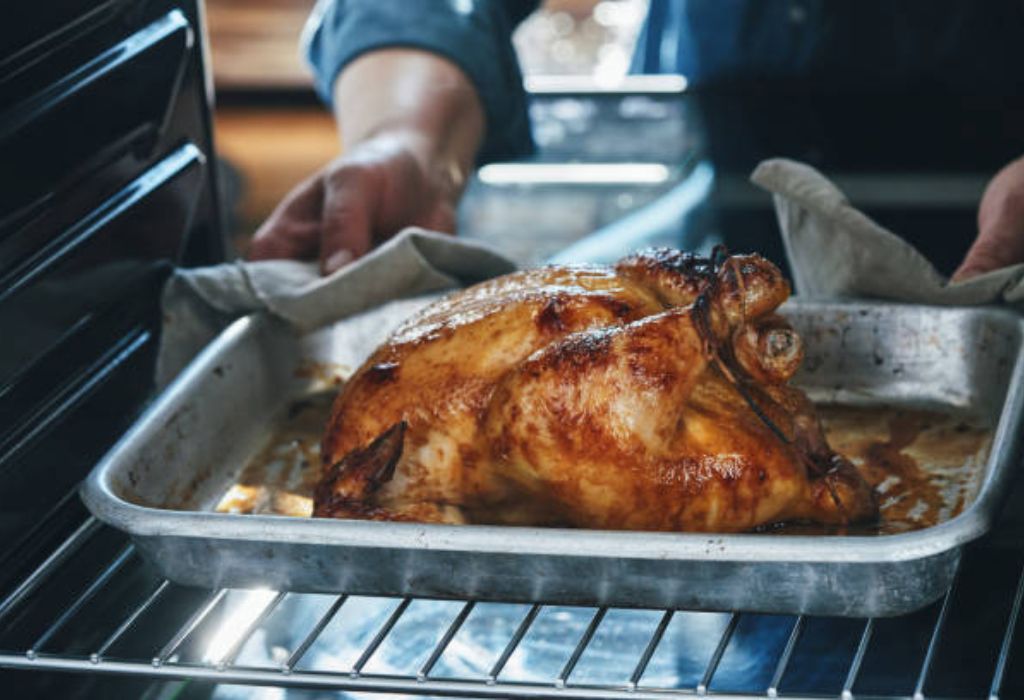
Allow the oven to cool before cleaning. A cool surface prevents burns. It also helps soften grease.
Remove racks and soak them in warm soapy water. This loosens baked-on residue. Scrubbing becomes easier afterward.
Wipe the oven interior with a damp cloth. Remove splatters and grease drips. Gentle cleaning protects the surface.
Use baking soda paste for stubborn spots. Apply it and let it sit before wiping. This natural cleaner works well on grease.
Check the oven bottom for drippings. These can burn during future use. Removing them prevents odors.
Air out the oven by leaving the door open. This removes lingering smell. It also helps the oven dry completely.
Regular maintenance improves oven performance. Clean ovens cook more evenly. They stay safe and efficient.
Cleaning after each roast ensures long-term reliability. It prevents buildup and odors. Good maintenance supports better results every time.
Oven Cooking FAQs for Whole Chicken Preparation
How long does it take to cook a whole chicken in the oven?
A typical whole chicken takes between one to two hours depending on size and temperature.
What temperature should I use to cook a whole chicken?
Most recipes work well at 350 degrees, but crispy skin requires higher heat.
Should I cover the chicken while roasting?
No, roasting uncovered allows the skin to brown and become crispy.
How do I keep the chicken juicy in the oven?
Basting, trussing, and proper resting time help maintain moisture.
Can I roast a frozen whole chicken?
It is safer to thaw the chicken completely before roasting to ensure even cooking.
Do I need to flip the chicken while cooking?
No, roasting breast side up is usually enough for even cooking.
How do I know when the chicken is fully cooked?
Check that the internal temperature reaches 165 degrees in the thigh.
Should I let the chicken rest after cooking?
Yes, resting helps the juices settle and improves texture.
Can I season under the skin?
Yes, placing butter or herbs under the skin enhances flavor and moisture.
What can I do with leftover roasted chicken?
Leftovers work well in soups, sandwiches, salads, and meal prep dishes.
Conclusion
Cooking a whole chicken in the oven brings rich flavor, simplicity, and versatility to home kitchens. With proper preparation, seasoning, and temperature control, the roasting process becomes reliable and enjoyable.
Each step contributes to creating a tender and beautifully browned chicken that satisfies the entire family.
Understanding the signs of doneness and allowing the chicken to rest ensures perfect texture every time. Carving becomes easier with practice and transforms the meal into a delightful experience. Each slice reveals the benefits of careful roasting and thoughtful preparation.
Serving roasted chicken allows for endless creativity. From classic sides to leftover meals, the possibilities continue long after the first dinner. This makes whole chicken one of the most time-efficient and budget-friendly meals available.
Avoiding common mistakes leads to predictable and flavorful results. With the right methods, anyone can master the process and enjoy the confidence of oven roasting. The combination of flavor and technique showcases the power of simple cooking.
Roasting a whole chicken is more than a recipe. It is a technique that creates warmth, comfort, and rich homemade aroma. Once mastered, it becomes a dependable and rewarding part of everyday cooking.

I’m Emma J. Caldwell, the founder, lead writer, and home-cooking enthusiast behind KitchenGuideCo.com. With a background in culinary arts and over a decade of cooking experience in both professional and personal kitchens, I created this platform to demystify recipes, offer smart kitchen gadget reviews, and guide readers through meal prep with confidence and clarity.