The first time an induction oven enters a kitchen, the experience feels quietly futuristic while remaining instantly practical. A smooth glass surface replaces open flames, and heat appears as if by magic beneath the cookware without warming the surrounding air.
This transformation changes how meals feel, how fast they cook, and how safe the kitchen environment becomes.
Many home cooks hear the word induction and immediately think it is just another electric appliance. The truth is far more technical and far more impressive from an engineering perspective.
Understanding what an induction oven truly is helps buyers choose better appliances and helps cooks unlock more precise control over heat.
This guide breaks down everything in a step-by-step educational format. By the end of this article, the working principle, internal structure, and real-world performance of induction ovens will feel clear and practical for everyday use.
What Is an Induction Oven
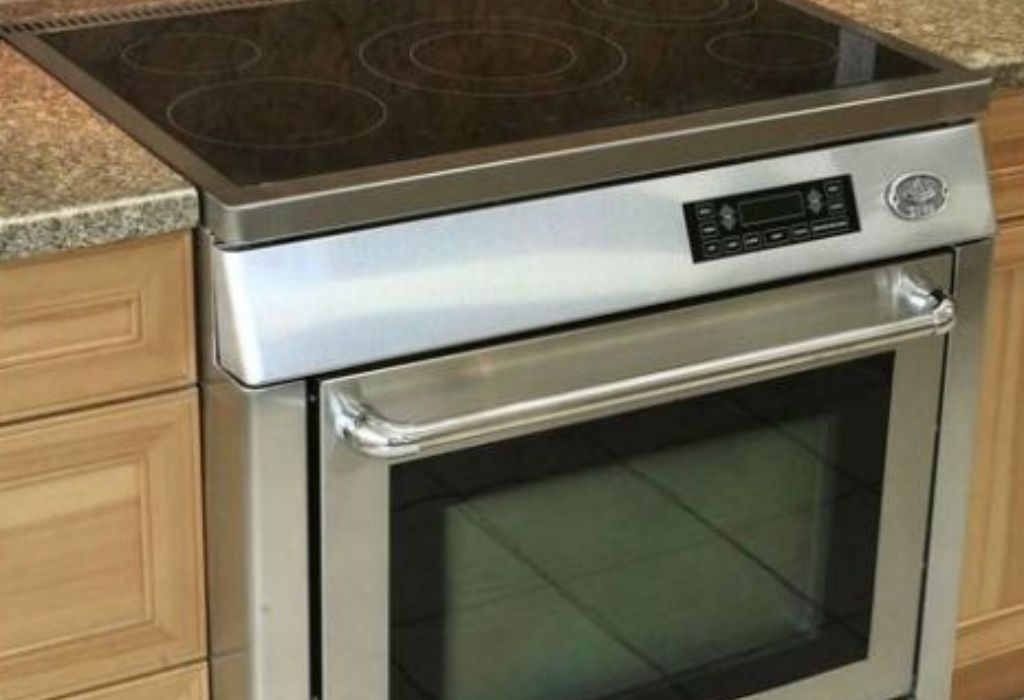
An induction oven is a modern cooking appliance that uses electromagnetic energy instead of direct heat from gas flames or traditional electric heating coils.
The heat is generated inside the cookware itself rather than on the cooking surface. This allows faster heating, precise temperature control, and improved energy efficiency.
The surface of an induction oven stays relatively cool during operation because it does not directly produce heat. Only the cookware made from compatible magnetic materials heats up during cooking. This improves kitchen safety and reduces accidental burns.
Unlike conventional ovens, an induction oven relies on alternating electromagnetic fields to create thermal energy. The technology initially developed for industrial metal heating now powers some of the most advanced home kitchens.
This scientific foundation makes induction ovens one of the most efficient cooking systems available today.
Induction ovens combine both an induction cooktop system and a built-in electric baking chamber in a single appliance.
The cooktop handles stovetop cooking using magnetic currents. The oven cavity functions much like a traditional electric convection oven for baking and roasting.
The main purpose of an induction oven is to deliver fast, controlled heat with minimal energy waste. This allows users to boil, sear, simmer, bake, and roast with exceptional precision. The result is consistent food texture, flavor retention, and improved cooking efficiency.
Induction ovens are now commonly found in both residential kitchens and professional culinary environments.
Their adoption continues to increase as energy costs rise and safety regulations become more strict. This shift positions induction ovens as a central technology in future kitchen design.
How an Induction Oven Works
An induction oven works by using electrical current to generate a rapidly changing magnetic field beneath the cooking surface.
This magnetic field interacts directly with ferromagnetic cookware placed on the glass surface. The interaction causes the metal cookware to produce heat internally through electrical resistance.
The power source sends alternating current through a copper induction coil located beneath the glass surface. The current creates a fluctuating electromagnetic field that passes through the glass without heating it. Only magnetic cookware reacts to the field and generates heat.
The cookware itself becomes the heat source rather than the surface of the oven. This direct energy transfer eliminates most heat loss that occurs in gas and traditional electric cooking. The result is faster heating and improved control over cooking temperatures.
Inside the oven cavity, a separate electric heating system manages baking and roasting functions. This electric system often includes convection fans that circulate hot air for even cooking. The oven side operates independently from the induction cooktop above it.
Temperature sensors continuously monitor the cookware and oven environment. The system adjusts power output in real time to maintain precise thermal stability. This automated control allows accurate simmering, rapid boiling, and stable baking performance.
The entire process converts electrical energy directly into usable thermal energy inside the cookware.
This conversion efficiency is significantly higher than gas or coil-based electric systems. The design explains why induction ovens are often labeled as high-efficiency appliances.
Key Components Inside an Induction Oven
The induction coil is the primary heat-generating component inside the cooktop section of an induction oven. It consists of heavy copper wiring arranged in a circular or spiral pattern. When energized, it produces the electromagnetic field required for induction heating.
A high-frequency inverter module converts normal household AC current into the high-frequency alternating current needed for magnetic induction.
This inverter regulates power levels and responds instantly to user input. It ensures smooth transitions between low simmer and high-power boiling.
The glass-ceramic cooking surface acts as a durable protective layer between the cookware and the internal electronics. It resists extreme thermal stress while remaining cool to the touch during most operations. This surface also allows easy cleaning and long-term durability.
Thermal sensors embedded beneath the surface measure temperature changes in real time. These sensors protect the system from overheating and allow precise power modulation. They also enable automatic pan detection and safety shutdown functions.
The oven cavity contains electric heating elements positioned at both top and bottom sections. These elements generate radiant heat for baking, roasting, and broiling applications. Many induction ovens also include convection fans to distribute heat evenly.
A digital control board acts as the central command system for the entire appliance. It processes user input, regulates power delivery, and controls all safety protocols. This integrated system allows induction ovens to operate with exceptional precision and reliability.
Difference Between Induction Oven and Induction Cooktop
An induction cooktop refers only to the flat cooking surface that uses induction heating technology. It does not include an enclosed baking chamber beneath it. It is typically installed on top of countertops as a standalone cooking unit.
An induction oven includes both the induction cooktop on top and a full electric oven cavity below. This combination allows users to perform stovetop cooking and traditional baking or roasting within one appliance. It functions as a complete kitchen range.
The cooktop section in both devices operates on the same electromagnetic heating principle. The major structural difference lies in the presence or absence of the oven compartment. This structural addition significantly affects installation, pricing, and kitchen layout planning.
Induction cooktops are often used in modular kitchens where wall ovens are installed separately. Induction ovens are preferred where a single integrated cooking station is required. This distinction makes a major difference for both residential and commercial kitchens.
The power distribution system in an induction oven must support both induction heating and electric oven operation simultaneously. This requires higher electrical capacity and dedicated wiring. Induction cooktops alone usually require less total circuit demand.
From a functional standpoint, an induction oven provides a full cooking ecosystem in one unit. An induction cooktop serves only surface-level cooking needs. The user’s choice depends largely on kitchen design, cooking habits, and electrical infrastructure.
Induction Oven vs Gas Oven
A gas oven produces heat through direct flame combustion beneath cookware or inside the oven cavity. An induction oven generates heat using electromagnetic energy without any open fire. This creates a fundamental difference in safety, efficiency, and temperature control.
Gas ovens heat the surrounding air before transferring heat to cookware. Induction ovens create heat directly inside the cookware surface itself. This direct transfer allows faster cooking and less energy waste.
Flame-based heat can fluctuate due to gas pressure variation. Induction heating remains stable through electronic power regulation. This stability gives more consistent cooking results.
Gas ovens continue producing residual heat even after shutdown. Induction ovens stop heat instantly when power is turned off or cookware is removed. This instant response improves cooking accuracy and safety.
Gas ovens release combustion byproducts inside the kitchen. Induction ovens produce no emissions during operation. This makes them better for indoor air quality and health.
Gas ovens usually require ventilation systems for safe operation. Induction ovens operate without gas lines or exhaust dependency. This simplifies installation and long-term maintenance.
Induction Oven vs Electric Oven
Traditional electric ovens use metal heating coils to generate radiant heat. Induction ovens rely on electromagnetic fields to heat cookware directly. This results in a faster and more energy-efficient cooking process.
Electric oven surfaces become extremely hot and remain hot after power is cut. Induction oven surfaces stay relatively cool during operation. Residual heat is limited only to the warmed cookware base.
Electric ovens heat slowly because energy must pass through multiple layers. Induction ovens deliver energy immediately to the cooking vessel. This creates faster response times for temperature changes.
Electric ovens typically struggle with low-level simmer control. Induction ovens maintain precise low-power output electronically. This allows stable cooking for delicate recipes.
Power waste is higher in coil-based electric ovens. Induction ovens convert most input energy directly into cooking heat. This provides superior energy efficiency.
Electric ovens work with all cookware materials. Induction ovens require magnetic-compatible cookware for surface cooking. This difference affects buyer decisions based on existing cookware inventory.
Energy Efficiency of Induction Ovens
Induction ovens convert electrical energy directly into heat inside cookware. This minimizes heat loss associated with air and surface heating. As a result, induction ovens achieve exceptionally high thermal efficiency.
The cooking surface remains cool because it does not generate heat directly. Thermal energy remains concentrated inside the pot or pan. This reduces overall kitchen heat buildup.
Gas ovens waste a large portion of heat into surrounding air. Electric coil ovens also lose energy through slow heat transfer. Induction ovens eliminate most of this loss.
Faster heating means less total operating time for each cooking task. Shorter runtime reduces electricity consumption per meal. This makes induction ovens cost-effective over long-term usage.
Precise power regulation prevents excessive energy draw. The system delivers only the wattage required for the target temperature. This helps lower peak load demand on electrical circuits.
Energy efficiency also improves because induction ovens eliminate preheating delays on the cooktop. Cooking begins immediately when cookware contacts the surface. This instant efficiency defines modern induction technology.
Safety Features of Induction Ovens
Induction ovens remain cool around the cookware area during most operations. Heat is produced only inside the cooking vessel. This dramatically reduces burn risks compared to gas or coil stoves.
Automatic pan detection prevents energy transfer when no cookware is present. The system will not activate unless compatible cookware is detected. This protects both users and the appliance.
Overheat protection sensors continuously monitor internal temperature levels. The system automatically reduces power when thermal limits are approached. This prevents component damage and fire hazards.
Child safety locks disable touch controls when activated. This prevents accidental operation by children. It also protects the system from unintended power activation.
Spill detection instantly shuts off the system if liquid reaches sensitive control areas. This prevents electrical short circuits and surface damage. It also prevents cooked liquids from burning onto hot surfaces.
No open flame means no gas leak risk. No exposed heating coil means reduced ignition hazards. These features make induction ovens one of the safest cooking appliances available today.
Cookware Requirements for Induction Ovens
Induction ovens require cookware made from magnetic materials. Cast iron and certain stainless steel cookware work perfectly with induction technology. Aluminum, copper, and glass cookware do not work without special magnetic bases.
The simplest test is to place a magnet under the cookware base. If the magnet sticks firmly, the cookware is induction compatible. If it falls off, the cookware will not function properly.
Flat-bottom cookware ensures maximum contact with the cooking surface. Irregular or warped bases reduce heating efficiency and power transfer. This will cause uneven cooking results.
Cookware thickness also influences performance. Thicker bases distribute heat more evenly across the surface. Thin cookware can lead to hot spots and temperature instability.
Induction-safe symbols are often printed on cookware packaging. These symbols confirm that the cookware contains ferromagnetic material. Buyers should always confirm this before purchasing new cookware.
Using incompatible cookware does not damage the induction oven. The unit simply will not activate heating for non-magnetic materials. This built-in detection system protects both the appliance and the user.
Pros and Cons of Induction Ovens
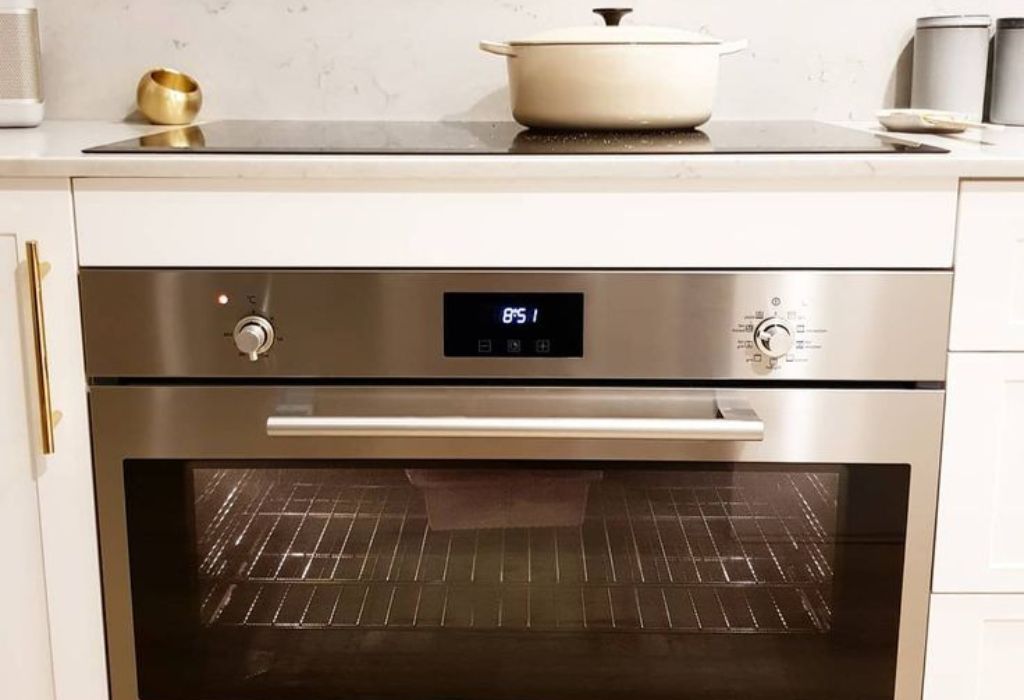
Induction ovens deliver faster cooking speeds than gas or electric systems. Precise electronic temperature control improves recipe accuracy. These benefits appeal strongly to both home cooks and professionals.
Energy efficiency is one of the biggest advantages of induction ovens. Less wasted heat means lower electricity costs. This becomes more noticeable over years of daily use.
Safety is greatly improved with cool surfaces and automatic shutdown features. The absence of flames reduces burn and fire risks. Families often prefer induction for child-safe kitchen environments.
Cleaning is easier because the surface stays cooler. Food spills do not burn instantly onto the glass. This allows quick wipe-down after cooking.
Initial purchase cost is higher than conventional ovens. Induction-compatible cookware may also require additional investment. These upfront costs can discourage some buyers.
Electrical infrastructure upgrades may be required for some installations. Dedicated circuits and higher voltage may be necessary. This increases installation complexity in older homes.
Induction Oven Buyer Questions and Expert Answers
Can an induction oven work during a power outage?
No, induction ovens require continuous electrical power to operate. Without electricity, both the cooktop and oven functions stop completely.
Is induction cooking safe for health?
Yes, induction cooking is medically considered safe for household use. The electromagnetic fields used are well within international safety limits.
Does an induction oven consume more electricity than gas ovens?
Induction ovens use electricity but waste far less energy. Overall operating cost is often similar or lower than gas when efficiency is considered.
Can induction ovens be used for baking bread and cakes?
Yes, the oven cavity works like a traditional electric convection oven. Baking, roasting, and broiling functions operate normally.
Why does an induction cooktop sometimes turn off automatically?
Automatic shutdown happens when cookware is removed or overheating is detected. This is a built-in safety feature.
Can induction ovens scratch easily?
The glass surface is durable but can scratch if heavy cookware is dragged. Lifting cookware instead of sliding prevents surface damage.
Do induction ovens make noise during operation?
Mild humming sounds may occur due to electromagnetic activity and cooling fans. This is normal during high-power operation.
Can I use pressure cookers on induction ovens?
Yes, if the pressure cooker base is induction-compatible, it will work safely and efficiently.
Is induction suitable for slow cooking?
Yes, induction ovens can maintain very low and stable temperatures. This makes them excellent for simmering and slow cooking.
Are induction ovens suitable for commercial kitchens?
Yes, many professional kitchens use induction due to speed, safety, and precision. They also reduce ambient heat in cooking environments.
Conclusion
An induction oven represents one of the most advanced cooking technologies available for modern kitchens. It replaces open flames and slow heating coils with electromagnetic precision. This transformation improves efficiency, safety, and temperature control.
Understanding how induction ovens work allows buyers to make informed purchasing decisions. The ability to generate heat directly inside cookware changes the entire cooking experience. Faster response times and stable performance create better cooking results.
Safety remains one of the strongest reasons for adopting induction technology. Cool surfaces, automatic shutoff, and no open flames reduce kitchen hazards significantly. These features make induction ovens especially suitable for family homes.
Energy efficiency and lower heat loss further strengthen the value of induction ovens. Over time, reduced power waste leads to noticeable cost savings. This long-term benefit balances the higher upfront appliance cost.
The future of kitchen design is increasingly electric and induction-driven. As energy standards tighten and safety expectations rise, induction ovens will become even more common. Their growing popularity reflects both performance and practicality.

I’m Emma J. Caldwell, the founder, lead writer, and home-cooking enthusiast behind KitchenGuideCo.com. With a background in culinary arts and over a decade of cooking experience in both professional and personal kitchens, I created this platform to demystify recipes, offer smart kitchen gadget reviews, and guide readers through meal prep with confidence and clarity.