The first time most people notice their electricity bill suddenly rising, the oven is rarely the first appliance they suspect. Cooking feels routine, predictable, and familiar. Yet behind that simple daily habit, energy consumption quietly accumulates over months and years.
The oven operates at extremely high temperatures, often for long periods, and even small differences in efficiency can translate into significant energy costs over time.
Oven energy efficiency ratings were created to help homeowners understand exactly how much power their appliance consumes compared to other models.
These ratings allow buyers to see beyond brand names and price tags and focus on long-term operating costs. An oven that looks affordable upfront may cost far more over its lifespan if it wastes energy.
Understanding what an oven energy efficiency rating really means helps homeowners make informed buying decisions, reduce monthly utility expenses, and lower overall environmental impact.
This guide explains how these ratings work, how they are calculated, and how to use them to choose the most energy-efficient oven for any kitchen.
What Is an Oven Energy Efficiency Rating
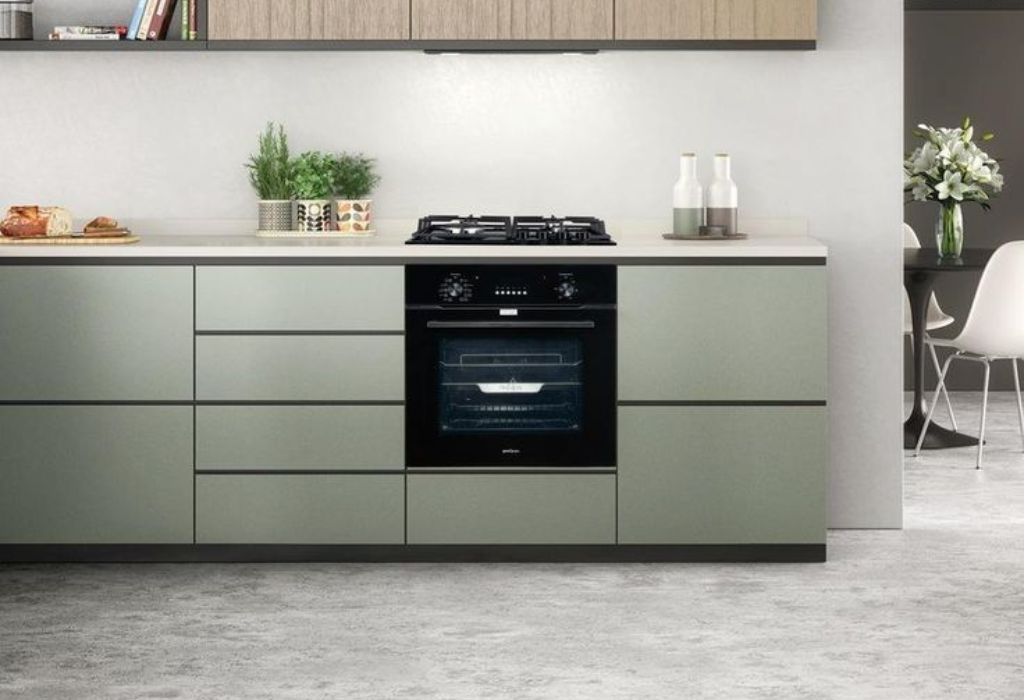
An oven energy efficiency rating is a standardized measurement that shows how effectively an oven converts electrical or gas energy into usable cooking heat. It reflects how much energy the appliance consumes during typical cooking operations compared to similar models.
This rating allows consumers to compare different ovens using a uniform system. Instead of guessing which oven saves more electricity, buyers can rely on the efficiency grade printed on the energy label. Higher-rated ovens use less power to achieve the same cooking performance.
Energy efficiency ratings take into account insulation quality, heating element performance, heat retention, airflow design, and electronic control accuracy. All of these factors determine how much energy is wasted versus how much is used directly for cooking.
An efficient oven maintains stable temperatures with minimal power loss. Poorly rated ovens lose heat rapidly, require frequent reheating, and draw more energy to maintain set temperatures. Over time, this difference becomes noticeable on electric or gas bills.
Understanding the meaning of the efficiency rating is the first step toward smart appliance ownership.
How Oven Energy Efficiency Ratings Are Calculated
Oven energy efficiency ratings are determined through standardized laboratory testing. During these tests, ovens operate under controlled conditions that simulate real cooking scenarios.
Energy consumption is measured while heating, maintaining temperature, and completing full cooking cycles.
One of the main factors is energy consumption per cooking cycle. This measures how much electricity or gas is used to heat the oven from room temperature to a standard cooking temperature and maintain it for a fixed time period.
Heat retention is also evaluated. The less heat an oven loses through its walls, door, and ventilation, the higher its efficiency rating becomes. Better insulation reduces the need for reheating during long bake times.
Another key factor is temperature accuracy. Ovens that overshoot and undershoot target temperatures consume extra energy through constant correction. Precise temperature control directly improves efficiency scores.
Air circulation performance is also analyzed. Convection ovens with optimized airflow distribute heat evenly, allowing faster cooking at lower temperatures which improves the final efficiency rating.
Are oven energy efficiency ratings measured during real cooking?
They are measured under controlled test conditions that simulate real use.
Does faster heating improve the efficiency rating?
Yes, faster heat-up reduces total energy consumption.
Is insulation quality part of the efficiency score?
Yes, better insulation raises the efficiency rating.
Do digital controls affect energy efficiency?
Yes, accurate controls prevent energy waste.
Are convection ovens usually more energy efficient?
Yes, they often cook faster using less energy.
Energy Labels and Rating Scales Explained
Oven energy labels provide a clear visual representation of an appliance’s efficiency level. These labels display a rating scale, an estimated energy consumption value, and sometimes annual operating cost estimates.
Most rating systems use alphabetical scales where higher letters indicate better efficiency. Ovens at the top of the scale consume significantly less power than lower-rated models performing the same tasks.
The label also shows estimated kilowatt-hour consumption per use cycle. This allows buyers to estimate monthly or yearly electricity costs based on personal cooking habits.
Some labels include noise level ratings and capacity information. While these do not directly affect energy use, they provide valuable context when comparing similar models.
Understanding how to read the energy label correctly prevents misleading comparisons and ensures that buyers select ovens based on verified performance data rather than marketing claims.
Why Oven Energy Efficiency Rating Matters for Home Use
The oven is one of the highest energy-consuming appliances in most kitchens. Unlike refrigerators that cycle on and off, ovens draw full power continuously during operation. Even moderate improvements in efficiency lead to meaningful reductions in monthly utility bills.
Energy-efficient ovens reduce heat loss, meaning kitchens stay cooler, especially during summer. This lowers the burden on air conditioning systems and further reduces household energy use.
Over the lifespan of an oven, efficiency gains compound. A difference of a few kilowatt-hours per week becomes hundreds or thousands of kilowatt-hours over several years. This directly translates into financial savings.
Environmental impact is another important factor. Lower energy consumption reduces carbon emissions linked to electricity and gas production. Energy-efficient cooking contributes to overall sustainability without sacrificing performance.
Choosing an oven based on efficiency rating protects both household budgets and environmental responsibility.
Does a higher efficiency rating always mean lower power bills?
Yes, higher-rated ovens use less energy for the same cooking tasks.
Can an inefficient oven increase air conditioning costs?
Yes, excess heat output increases indoor cooling demand.
Is the efficiency rating important for small households?
Yes, even light use benefits from efficient energy conversion.
Do efficient ovens cook slower?
No, many efficient ovens actually cook faster.
Does energy efficiency affect cooking results?
No, good efficiency improves temperature stability and results.
Electric vs Gas Oven Energy Efficiency Comparison
Electric ovens convert nearly all electrical energy into heat inside the cooking chamber. This gives them higher raw energy conversion efficiency compared to gas ovens, where some heat escapes with exhaust gases.
Gas ovens lose more heat through ventilation, but gas energy is often cheaper per unit than electricity in many regions. This creates a cost efficiency difference even when thermal efficiency appears lower.
Electric ovens provide better insulation and more precise temperature control, which helps maintain consistent efficiency over long baking sessions. Gas ovens may fluctuate more due to burner cycling.
In terms of environmental impact, electric ovens powered by renewable energy sources offer significantly lower carbon emissions than gas ovens. The best choice depends on both energy pricing and efficiency rating performance.
How Energy Efficient Ovens Reduce Monthly Power Bills
Energy-efficient ovens are designed to minimize heat loss while maximizing usable cooking heat. This balance allows them to reach target temperatures faster and maintain those temperatures with less ongoing power draw.
Every minute an oven operates at full power adds directly to the electricity or gas bill, so reducing the total active heating time results in immediate savings.
One of the biggest ways efficient ovens save energy is through superior insulation. Thick, high-density insulation inside the oven walls and door prevents heat from escaping into the kitchen. This reduces the number of reheating cycles required to maintain internal temperature.
Smarter electronic controls also reduce unnecessary energy usage. Instead of cycling heating elements aggressively, efficient ovens apply short, controlled bursts of power only when needed. This precision prevents energy waste caused by temperature overshooting.
Over a full year of regular cooking, even a small difference in energy usage per cycle can add up to noticeable financial savings.
For families that bake, roast, and broil frequently, energy-efficient ovens consistently deliver lower monthly utility costs without reducing cooking performance.
Do energy-efficient ovens really make a big difference on bills?
Yes, the savings become noticeable over several months of regular use.
Is preheating faster on efficient ovens?
Yes, efficient ovens usually reach temperature more quickly.
Can insulation alone reduce power usage?
Yes, better insulation significantly reduces reheating cycles.
Do smart temperature sensors save energy?
Yes, they prevent unnecessary power spikes.
Is energy saving more noticeable for heavy users?
Yes, frequent cooking multiplies the cost benefits.
Factors That Affect an Oven’s Energy Efficiency
Several internal and external factors determine how efficiently an oven uses energy. Insulation quality is one of the most important elements. Poor insulation allows heat to escape continuously, forcing the oven to draw more power to stay hot.
Door seal condition also makes a major difference. Worn or damaged door gaskets allow hot air to leak, increasing energy loss. Even a small gap can raise overall power consumption significantly during long cooking sessions.
Heating element or burner efficiency affects how quickly and evenly heat is produced. Old or damaged elements require more energy to reach the same temperature compared to new, properly functioning components.
Cooking habits play a role as well. Opening the oven door frequently releases large amounts of heat and forces the oven to reheat repeatedly. Using the right cookware, avoiding unnecessary preheating, and cooking multiple dishes at once can all improve real-world efficiency.
Kitchen environment also matters. Extremely cold rooms draw heat away from the oven faster, while well-insulated kitchens help stabilize cooking temperatures.
How to Choose the Most Energy Efficient Oven Model
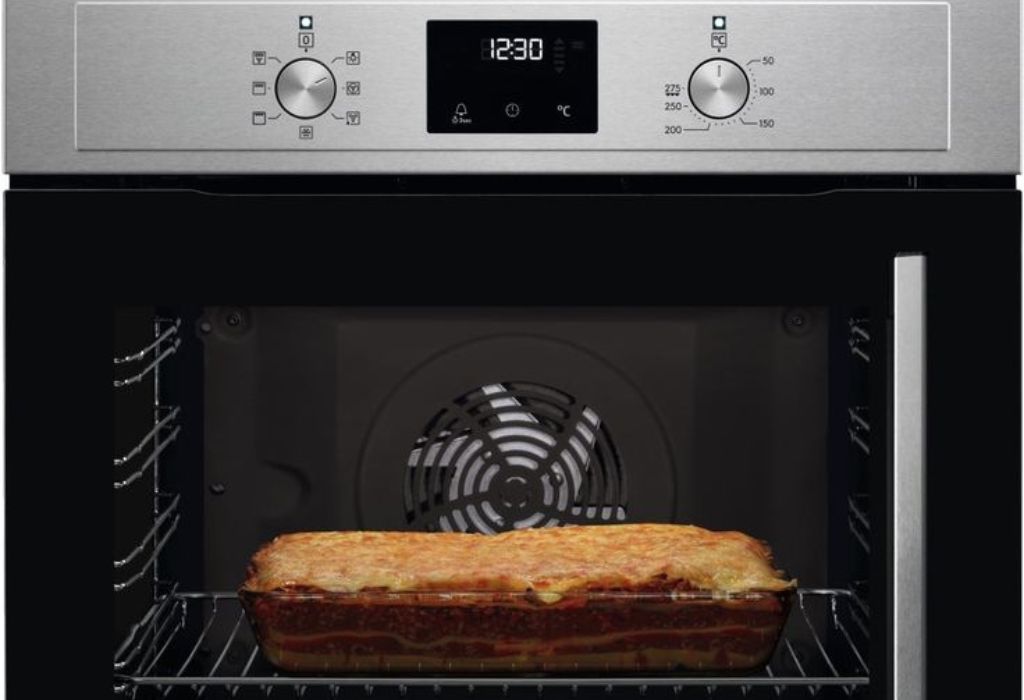
Choosing an energy-efficient oven starts with the energy label. Always compare models using their official efficiency rating and per-cycle energy consumption. The highest-rated oven generally offers the lowest long-term operating cost.
Capacity should match household needs. Oversized ovens consume more energy than necessary for small families. Choosing the right size based on typical meal preparation prevents wasted space and wasted power.
Convection capability is another major advantage. Convection ovens circulate hot air efficiently, allowing food to cook faster and at lower temperatures, which directly reduces energy use.
Build quality also reflects long-term efficiency. Thicker doors, solid hinges, and tight seals maintain performance over years of use. Cheap materials degrade faster and cause efficiency loss over time.
Finally, consider whether smart features match actual usage. Programmable shutoff timers, delayed start options, and temperature probes improve cooking control and prevent accidental overuse.
Is the highest energy rating always the best choice?
Usually yes, but proper size and features must also match your needs.
Do convection ovens always save more energy?
Yes, in most baking and roasting tasks they are more efficient.
Is a larger oven less energy efficient for small families?
Yes, unused space still requires heating.
Do smart ovens consume more power?
No, they often reduce waste through better control.
Should efficiency be prioritized over brand name?
Yes, efficiency ratings are more reliable than marketing claims.
Maintenance Tips to Keep Oven Efficiency High
Regular maintenance is essential to preserve an oven’s original energy efficiency rating. Grease buildup inside the oven reflects heat unevenly, forcing longer heating times. Frequent cleaning helps maintain stable temperature performance.
Door gasket inspection is one of the most critical maintenance tasks. Replacing worn seals restores thermal containment and prevents heat leakage that drives up power use.
Heating elements and burners should be inspected periodically. Weak or partially damaged elements draw more energy to reach target temperatures. Early replacement protects both efficiency and cooking quality.
Ventilation systems must remain unobstructed. Blocked vents trap excess heat around electrical components, reducing efficiency and shortening appliance lifespan.
Calibrating oven temperature also helps. Overheating due to inaccurate thermostats leads to unnecessary energy consumption over time.
Common Myths About Oven Energy Ratings
One common myth is that energy-efficient ovens cook slower. In reality, efficient ovens often heat faster and maintain more stable temperatures than older inefficient models.
Another misconception is that efficiency only matters for large households. Even light use benefits from reduced heat loss and lower energy draw per cycle.
Some people believe that efficient ovens are always more expensive to repair. In truth, better-quality components often last longer and reduce the need for frequent servicing.
There is also a belief that gas ovens cannot be energy efficient. While direct thermal efficiency may differ, modern gas ovens with improved insulation and control systems perform far better than older designs.
Understanding these myths helps buyers make decisions based on performance data rather than outdated assumptions.
Conclusion
Oven energy efficiency ratings are far more than just numbers on a label. They reflect how effectively an oven converts energy into consistent cooking performance while minimizing power waste.
From insulation quality and heating technology to real-world cooking habits, every factor plays a role in how much energy an oven consumes over its lifetime.
Higher-rated ovens deliver clear advantages. They heat faster, maintain temperatures more precisely, reduce monthly utility bills, and lower environmental impact.
Over years of ownership, even small efficiency differences add up to meaningful financial savings and better overall performance.
Choosing the most energy-efficient oven involves more than picking the highest rating. The right capacity, convection features, build quality, and practical smart controls ensure that efficiency translates into everyday convenience and long-term reliability.
Proper maintenance protects that efficiency over time. Clean interiors, intact door seals, accurate thermostats, and unobstructed ventilation allow the oven to operate at peak performance year after year.
By understanding oven energy efficiency ratings and using them wisely when buying and maintaining an oven, homeowners gain better cooking results, lower operating costs, and a more sustainable kitchen overall.

I’m Emma J. Caldwell, the founder, lead writer, and home-cooking enthusiast behind KitchenGuideCo.com. With a background in culinary arts and over a decade of cooking experience in both professional and personal kitchens, I created this platform to demystify recipes, offer smart kitchen gadget reviews, and guide readers through meal prep with confidence and clarity.