The first sign of an oven door problem often appears as unevenly baked food or heat escaping from the front of the appliance. Many people ignore this issue at first, assuming it is a minor inconvenience rather than a real mechanical problem.
Over time, that small gap can turn into energy waste, poor cooking performance, and even a safety hazard.
An oven door that does not close properly disrupts the entire cooking process and forces the appliance to work harder than necessary. Heat loss causes longer cook times, inconsistent temperatures, and rising electricity or gas bills.
Fixing the issue early protects the oven, improves performance, and restores proper kitchen safety.
This guide explains why oven doors fail to close and how to fix the problem correctly. Every cause is broken down in a simple technical way so the solution becomes clear.
By following this step-by-step explanation, homeowners can decide whether the fix is DIY or requires professional repair.
Why an Oven Door Must Close Properly
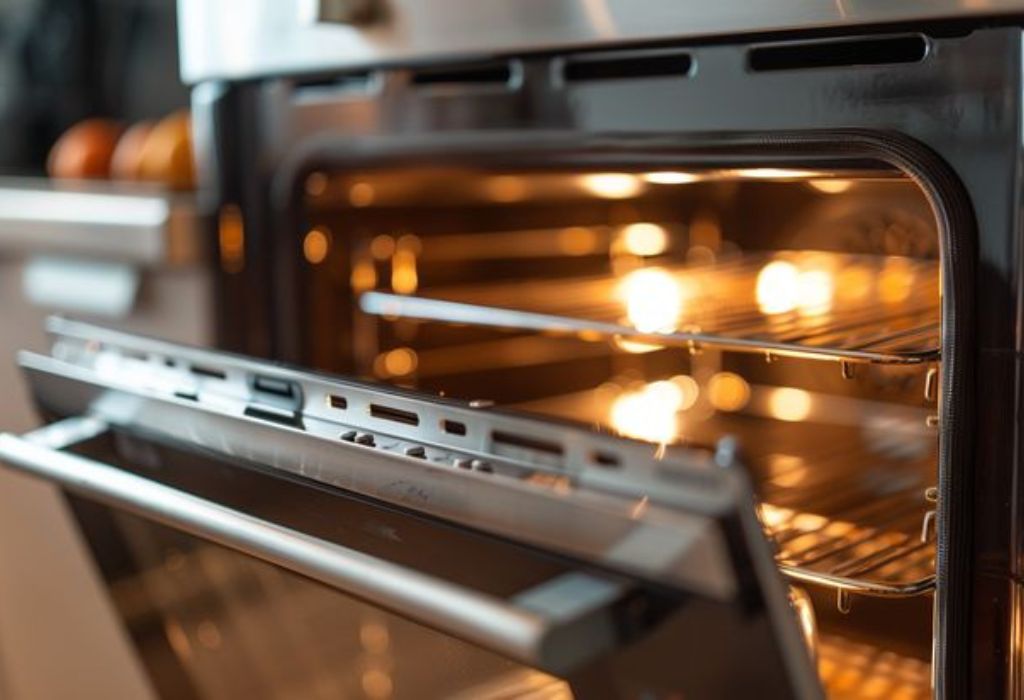
A properly closing oven door traps heat inside the cooking chamber for stable temperature control. When heat escapes, the internal thermostat struggles to maintain the selected temperature. This causes frequent reheating cycles and inconsistent baking results.
The door seal acts as a thermal barrier between the hot interior and the cooler kitchen air. If the seal fails, heat leaks continuously from the front edge. This leads to temperature drops and uneven cooking patterns inside the oven.
Energy efficiency depends heavily on proper door alignment and sealing. A poorly sealed door forces the heating elements to remain active longer. This increases electricity or gas consumption with no useful cooking advantage.
A loose oven door can also damage internal components over time. Prolonged exposure to unstable heating stresses the thermostat and control circuitry. These internal failures often start with a simple door sealing issue.
Safety becomes a concern when hot air escapes toward the user. Steam and heat can cause burns to hands and face during normal cooking checks. A tightly sealed door prevents this dangerous outward heat release.
A well-aligned oven door also protects surrounding cabinets and control panels. Escaping heat can warp nearby materials and damage control electronics. Proper closure preserves both the oven and the kitchen structure.
Common Signs Your Oven Door Is Not Closing Properly
One of the most noticeable signs is uneven food cooking even when the temperature setting is correct. Food near the door often remains undercooked while the back area overcooks. This pattern clearly indicates front heat loss.
Another common indicator is visible light escaping from the door edges during operation. When internal oven light leaks through gaps, the door seal is likely compromised. This visual clue confirms alignment or gasket failure.
A loose or sagging door is also a strong warning sign. If the door feels heavier on one side or does not sit level, hinge misalignment may be present. This mechanical imbalance prevents full sealing.
Excessive exterior heat near the handle during baking is another symptom. The handle area should remain relatively cool during normal use. A hot handle indicates direct internal heat leakage.
Higher utility bills without increased cooking usage can reveal door sealing issues. When heat escapes, the oven draws more power to compensate. Over time, this energy waste becomes financially noticeable.
Unusual rattling or movement when opening and closing the door signals hinge problems. The door should feel smooth and stable during movement. Jerky motion suggests worn or bent hinge components.
Main Causes of an Oven Door Not Closing Properly
Worn door hinges are one of the most frequent causes of improper closure. Over years of repeated use, hinge springs lose tension. This prevents the door from pulling tightly against the frame.
Damaged or hardened door gaskets also prevent full door sealing. High heat gradually deteriorates rubber or fiberglass seals. Once the gasket stiffens or cracks, gaps form around the door edges.
Food debris buildup along the sealing surface can prevent full closure. Grease and baked-on residue create physical barriers between the door and frame. Even small obstructions can cause noticeable heat loss.
Bent door frames result from impact damage or repeated slamming. This misalignment disrupts the sealing angle between the door and oven body. Once bent, the door cannot close evenly.
Loose mounting screws holding the hinge brackets can shift alignment over time. As screws loosen, hinge angles change slightly. This small movement can create major sealing gaps.
Glass panel separation within the door structure is another hidden cause. When inner glass loosens, it alters door weight distribution. The imbalance interferes with hinge tension and closure accuracy.
How to Diagnose the Exact Problem with the Oven Door
Start with a visual inspection of the door while it is closed and the oven is cold. Look carefully along all door edges for uneven spacing or visible gaps. Any asymmetry indicates alignment or gasket failure.
Run a simple paper test around the closed door perimeter. Slide a thin paper strip between the door and frame and gently tug. If the paper pulls out easily, sealing pressure is insufficient at that location.
Observe the door while opening and closing it slowly. Any jerking, tilting, or uneven movement points directly to hinge issues. Smooth motion indicates the hinges are still structurally sound.
Inspect the gasket carefully for cracks, flattening, or hardened texture. A healthy gasket should feel flexible and spring back when pressed. If it feels rigid or crumbles, replacement is necessary.
Check for visible food debris or grease buildup on the sealing surfaces. Use a flashlight to examine hard-to-see corners. Even thin residue layers can prevent full sealing contact.
Finally, inspect hinge mounting screws for looseness. Slight play in the hinge bracket allows door movement during closure. Tightening these screws sometimes instantly corrects the closure issue.
How to Fix Loose or Worn Oven Door Hinges
Loose or worn oven door hinges are one of the most common reasons for poor door closure. Over time, hinge springs lose their tension and no longer pull the door tightly shut. This creates a small but important heat-leaking gap.
Start by completely opening the oven door to access the hinge locking tabs. Use a flat screwdriver to gently flip both hinge locks forward. This step allows safe hinge removal without sudden spring snap.
Lift the door upward at a slight angle and pull it out of the hinge slots. Place the removed door on a soft towel to prevent glass damage. This also gives full access to hinge mounting hardware.
Inspect the hinge arms for bending, cracks, or weak spring return. If the hinge does not snap back firmly when compressed, it has lost tension. Weak hinges must be replaced rather than bent back.
Unscrew the hinge brackets from the oven frame using a proper-size screwdriver. Always replace hinges in pairs to maintain even pressure. Installing only one new hinge can create alignment imbalance.
Reinstall the door by sliding the hinge arms back into their slots and locking the hinge tabs. Slowly close the door to confirm full sealing contact. The door should now sit flat and tight against the frame.
How to Replace a Damaged or Hardened Oven Door Gasket
The oven door gasket creates the primary heat seal between the door and the oven cavity. When it becomes brittle or torn, heat escapes instantly. Replacing it restores proper insulation and temperature stability.
Begin by gently pulling the old gasket out of its retaining channel. Some gaskets use metal clips while others press directly into grooves. Note the original positioning as you remove it.
Clean the gasket groove using a soft cloth and warm soapy water. Remove grease and baked debris completely from the channel. A clean surface ensures proper seating of the new gasket.
Align the new gasket with the seating groove starting from the center top section. Press the ends gently into place without stretching the material. Even tension ensures uniform sealing pressure.
Install the retaining clips if your gasket design includes them. Never force the gasket into place with sharp tools. Improper installation can tear the gasket before use.
Close the oven door gently and allow the gasket to settle for several hours before heating. This allows the seal to conform naturally. Proper seating ensures long-term leak prevention.
How to Clean and Remove Debris Blocking the Door Seal
Grease buildup is one of the quiet causes of door sealing failure. Food residue can harden and block full gasket contact. Even a thin layer of debris can prevent proper closure.
Start by unplugging the oven or switching off the circuit breaker for safety. Allow the oven to cool completely before cleaning. Never clean sealing areas when hot.
Use warm water mixed with mild dish soap and a soft sponge. Gently wipe the gasket itself without pulling or bending it. Avoid using harsh cleaners that can dry out the rubber.
Clean the metal sealing surface around the oven frame thoroughly. Pay close attention to corners where residue often hardens. These hidden areas frequently prevent full door seating.
Dry both surfaces completely using a clean microfiber cloth. Moisture trapped in the seal channel can cause future gasket deterioration. Dry contact surfaces improve gasket grip.
Test the door closure after cleaning. Many closure issues disappear immediately after proper debris removal. This is one of the simplest but most effective repairs.
How to Fix a Bent Oven Door or Frame
A bent oven door prevents even contact with the gasket surface. This misalignment allows heat to escape on one side. Impact damage is the most common cause.
Inspect the door edges visually for uneven spacing against the oven frame. A wider gap on one side confirms a bend issue. You may also notice the door leaning slightly.
For minor bends, gentle controlled pressure can sometimes realign the door. Use steady hand pressure without forcing the glass panel. Always apply pressure slowly and evenly.
If the oven frame is bent instead of the door, professional correction is usually required. Frame realignment requires specialized tools and structural reinforcement. DIY attempts can worsen the damage.
Severe door bending usually demands full door replacement. Glass panel integrity may already be compromised. Using a compromised door risks shattering during heating cycles.
After realignment or replacement, always perform a paper seal test. Uniform paper resistance confirms proper contact pressure. This ensures full restoration of heat retention.
How to Tighten Loose Door Screws and Brackets
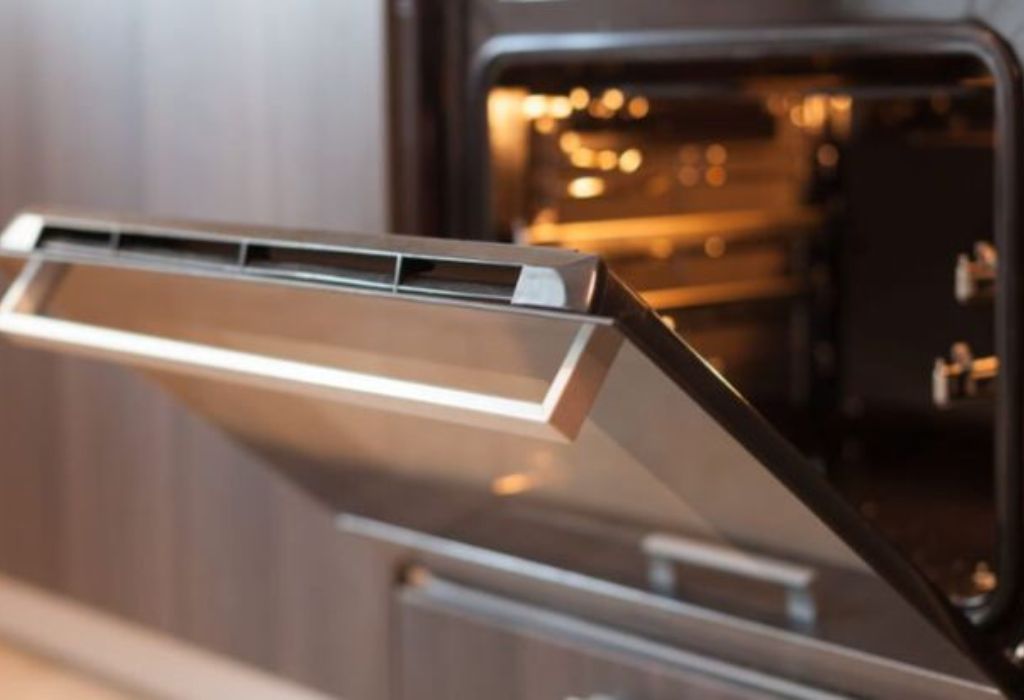
Loose mounting screws cause gradual hinge misalignment over time. This misalignment prevents the door from sealing evenly. Tightening the hardware often restores immediate closure force.
Open the oven door fully to expose hinge mounting screws. Use the correct screwdriver size to avoid stripping. Turn each screw clockwise until secure without over-tightening.
Check the upper and lower bracket screws on both sides. Even one loose screw can tilt the door slightly. Equal tension on both sides ensures proper alignment.
Inspect the inner door screws behind decorative trim panels if accessible. Some ovens hide secondary mounting screws internally. These also affect closure accuracy.
If any screw spins freely without tightening, the screw hole threads may be stripped. In such cases, a thread-insert repair or bracket replacement may be required. This prevents repeated loosening.
Close the door slowly and observe its motion. A properly tightened door should close evenly without wobble. This confirms correction of mechanical alignment.
When Professional Repair Is Required
Some oven door issues exceed safe home repair limits. Structural frame damage and shattered glass require professional replacement. These repairs involve safety risks when handled incorrectly.
Electronic door lock systems used in modern self-cleaning ovens require advanced diagnostic tools. When these locks fail, the door may not close or open properly. Only trained technicians can handle these components safely.
If hinge replacement does not correct the problem, internal alignment rails may be damaged. These parts are integrated into the oven chassis. Professional tools are required for proper adjustment.
Gas oven door repair should always involve certified technicians when combustion sealing is involved. Poor sealing can lead to dangerous gas leakage. Never attempt internal gas adjustments without certification.
Warranty coverage often requires authorized service repairs. DIY repairs may void product warranties. Always check manufacturer repair policies before proceeding.
When multiple door components fail simultaneously, full door assembly replacement is often the safest solution. This restores factory alignment and sealing performance. Professional installation ensures correct thermal insulation.
Oven Door Not Closing Common Questions
Why does my oven door stay slightly open even after tightening hinges?
This usually indicates worn hinge springs or hardened gaskets. Tightening alone cannot restore lost spring tension.
Can I keep using my oven if the door does not close fully?
It is not recommended because heat loss can damage internal components. It also increases fire and burn risks.
How much does it cost to replace an oven door gasket?
Gasket replacement is usually affordable compared to major oven repairs. Costs vary based on model and brand.
Why does heat escape only from one corner of the oven door?
This usually points to bent door alignment or uneven hinge tension. One side may not be sealing properly.
Can a loose inner glass panel affect door closure?
Yes, loose glass shifts door weight and balance. This interferes with hinge operation and door alignment.
How long does hinge replacement take?
Most hinge replacements take under one hour with proper tools. Time varies depending on oven brand.
Do self-cleaning ovens damage door gaskets?
Yes, intense heat during self-cleaning can harden gaskets over time. This increases sealing failure risk.
Can poor door sealing affect baking time?
Yes, escaping heat forces longer cooking times. It also causes uneven baking results.
Is it safe to bend the oven door back manually?
Mild correction may work for small bends, but severe bending risks glass breakage. Professional adjustment is safer.
Will a misaligned oven door increase energy bills?
Yes, constant heat loss makes the oven work harder. This increases power or gas consumption.
Conclusion
An oven door that does not close properly directly affects cooking performance, safety, and energy efficiency. Even a small sealing gap causes temperature instability and heat loss. Early diagnosis prevents costly internal damage.
Most door closure issues arise from worn hinges, hardened gaskets, loose screws, or bent frames. These problems develop slowly through daily wear and high heat exposure. Regular inspection helps catch them before major failure.
Simple fixes such as cleaning debris, tightening screws, and replacing gaskets often restore full sealing performance. These repairs are affordable and safe for most homeowners. Proper repair immediately improves baking accuracy and power efficiency.
More advanced repairs such as frame distortion and glass damage require professional service. Attempting structural repairs without tools can create safety hazards. Certified technicians ensure proper alignment and safe operation.
Maintaining proper door sealing extends oven lifespan and protects surrounding kitchen cabinetry. Heat retention improves cooking quality and prevents unnecessary power waste. A secure oven door supports safer and smarter kitchen use.
Taking prompt action at the first sign of sealing failure saves money and prevents long-term damage. A well-sealed oven always delivers reliable and consistent cooking results. Proper door closure is essential for efficient kitchen performance.

I’m Emma J. Caldwell, the founder, lead writer, and home-cooking enthusiast behind KitchenGuideCo.com. With a background in culinary arts and over a decade of cooking experience in both professional and personal kitchens, I created this platform to demystify recipes, offer smart kitchen gadget reviews, and guide readers through meal prep with confidence and clarity.