The image of a golden fried egg sliding across a pan without effort defines what most people imagine when they hear the term “nonstick.” For decades, nonstick cookware has been marketed as the solution to everyday kitchen struggles.
Yet the growing interest in traditional cookware has reignited a debate: is cast iron cookware non stick, or is that idea just a myth?
Cast iron is celebrated for durability, heat retention, and its ability to handle searing temperatures that would ruin coated pans. Unlike Teflon or ceramic pans, its surface does not come from a manufactured coating but from a natural process called seasoning.
Some cooks claim this seasoned layer performs just as well as modern coatings, while others argue it never achieves the same slickness.
Statistics show that nonstick cookware dominates sales, with more than 70% of households owning at least one nonstick pan.
At the same time, cast iron has seen a resurgence, with specialty brands reporting double-digit growth over the last decade. This clash of popularity makes it worth exploring whether cast iron can truly compete with nonstick in everyday cooking.
What Makes Cookware Non Stick
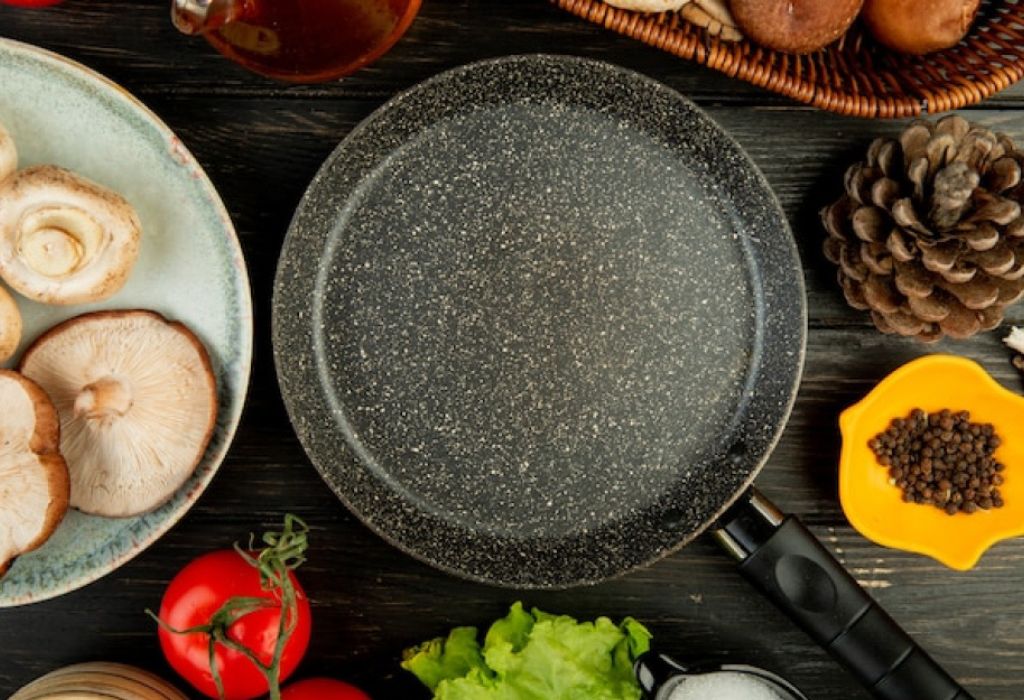
Modern nonstick cookware relies on coatings like PTFE, more commonly known as Teflon. This synthetic layer reduces friction between food and pan, creating an ultra-slick surface. Ceramic pans use mineral-based coatings with a similar goal, though they often wear down more quickly.
Cast iron, however, works differently. Its nonstick qualities come from a process of polymerization, where thin layers of oil are heated until they transform into a hard, carbonized film. Over time, repeated cooking builds up this film into a smooth patina.
This natural coating bonds to the iron, creating a surface that resists sticking when used correctly.
The distinction matters because it shapes expectations. Cast iron is not instantly nonstick when new. It requires care, repeated use, and proper maintenance to approach the performance of coated pans.
The Science of Seasoning
Seasoning is at the heart of cast iron’s reputation. When oil is applied in thin layers and heated above its smoke point, it breaks down and polymerizes into a plastic-like matrix. This forms a durable coating bonded to the iron, creating a natural release surface.
Every layer adds strength. The more a pan is seasoned, the smoother the surface becomes. Frequent use accelerates this process, as fats from everyday cooking contribute to the film. Foods fried in oil, roasted meats, or sautéed vegetables all add microscopic coats that reinforce the nonstick qualities.
Unlike synthetic coatings, seasoning improves with time rather than degrading. A well-maintained cast iron skillet can last decades, becoming more nonstick with every meal. This is why many families pass down skillets across generations, each one smoother than when it was new.
Comparing Cast Iron to Teflon and Ceramic
When evaluating whether cast iron cookware is non stick, it’s essential to compare it against common alternatives. Teflon offers unmatched slipperiness right out of the box.
Eggs and pancakes glide effortlessly with little to no oil, but the coating is fragile. At high temperatures above 500°F, PTFE coatings begin to degrade, releasing fumes and losing integrity.
Ceramic coatings are marketed as a greener alternative. They resist sticking initially and can handle higher heat than Teflon, but they wear down faster with regular use. Many ceramic pans lose their easy-release surface within two years.
Cast iron falls between these extremes. Its surface is not as slick as Teflon, but it can withstand searing heat without damage. It improves with age, rather than declining. While it requires more attention to technique, it offers longevity and versatility that coated pans cannot match.
Why Food Sticks in Cast Iron
Even seasoned pans sometimes betray cooks. The reasons usually come down to heat management, moisture, and surface preparation.
Cast iron takes longer to heat than aluminum pans, but once hot, it holds that heat evenly. Placing food in too early, before the surface stabilizes, increases the risk of sticking.
Moisture is another culprit. Proteins like fish and eggs cling to metal until their surfaces sear and release naturally.
If the pan is too cool or the seasoning is underdeveloped, they tear instead of releasing. Adding oil to a properly preheated skillet creates a barrier that reduces this effect.
Finally, new cast iron often has a rougher texture than older pans. With use, seasoning fills microscopic pores, creating a smoother surface.
This explains why vintage pans, often machined smoother during manufacture, can feel more nonstick than some modern counterparts.
Building a Non Stick Surface Through Seasoning
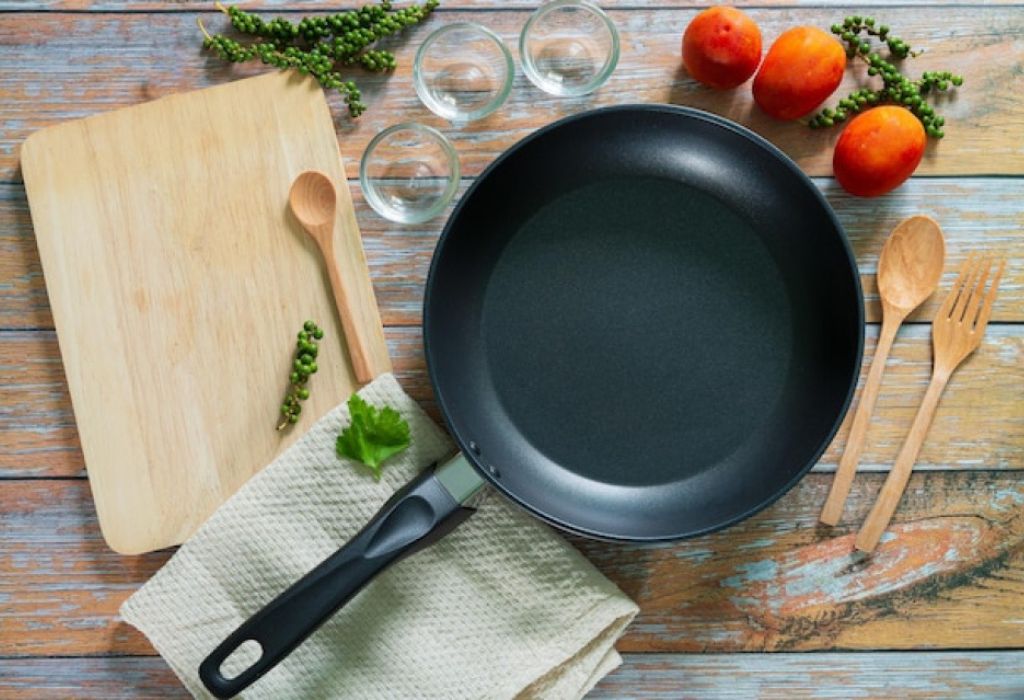
Developing a reliable nonstick layer requires patience. The process begins by applying a very thin coat of oil to a clean, dry skillet. The pan is then heated above the oil’s smoke point, allowing polymerization to occur. Wiping away excess oil ensures the coating remains smooth rather than sticky.
Repeating this cycle several times creates a foundation. But the real progress happens through cooking. Frying foods rich in fat, such as bacon or chicken, accelerates seasoning. Every meal contributes to the patina, gradually transforming the surface into a naturally easy-release layer.
Maintenance seasoning is equally important. After each use, cleaning the pan gently and wiping on a thin film of oil while it’s still warm preserves the coating. Over months of consistent care, the skillet develops a dark, glossy finish that performs much like manufactured nonstick.
Cooking Techniques That Enhance Release
Technique plays a decisive role in whether food sticks. Preheating the skillet properly is critical. A drop of water should dance and evaporate quickly when the surface is ready. At that point, adding oil creates a thin, shimmering barrier.
Allowing food to sear undisturbed also matters. Proteins release naturally once a crust forms. Moving food too early interrupts this process, causing it to tear and stick. Understanding patience and timing separates frustration from success.
Using the right amount of fat is another factor. While heavily seasoned pans may cook eggs with minimal oil, a small addition often makes the difference between sticking and sliding. Over time, as seasoning builds, less oil is needed.
Cleaning Without Damaging the Seasoning
Caring for cast iron requires a balance between cleanliness and preservation. Harsh scrubbing with steel wool or abrasive cleaners can strip away seasoning layers. Instead, most messes can be handled with hot water and a stiff brush.
For stubborn food bits, kosher salt can act as a gentle abrasive. Rubbing it with a paper towel loosens residue without harming the patina. Some cooks use a small plastic scraper to dislodge stuck particles while the pan is still warm.
After cleaning, drying thoroughly is essential to prevent rust. Applying a light coat of oil restores the sheen and protects the seasoning. This ritual ensures that each use strengthens rather than weakens the skillet’s nonstick qualities.
When Cast Iron Isn’t Ideal
Despite its versatility, cast iron has limits. Delicate proteins like flaky fish can still stick even in well-seasoned pans. For these recipes, stainless steel or modern nonstick may be more reliable.
Acidic dishes such as tomato sauces can also degrade seasoning if cooked for long periods. While short simmering is fine, prolonged exposure strips layers and leaves the surface patchy. In these cases, enamel-coated cast iron or stainless steel provides a better option.
The weight of cast iron is another consideration. Heavier Dutch ovens and skillets may be impractical for some cooks, particularly on fragile glass cooktops. Understanding these boundaries helps decide when cast iron is the right tool and when alternatives are better.
The Health and Safety Perspective
One of the biggest advantages of cast iron is the absence of synthetic coatings. Teflon pans can release fumes at very high heat, while ceramic coatings often degrade over time. Cast iron’s seasoning comes from food-safe oils transformed by heat, offering a PFAS-free alternative.
Additionally, cast iron can leach small amounts of dietary iron into food. For people with iron deficiencies, this can be a benefit.
For those who need to limit iron intake, it may be less desirable. Either way, the effect is generally small and safe for most users.
In terms of safety, cast iron handles extreme heat without risk of coating failure. It can move from stovetop to oven to grill seamlessly, something no modern nonstick pan can match. This resilience makes it a long-term investment in both health and cooking performance.
Choosing the Right Cast Iron
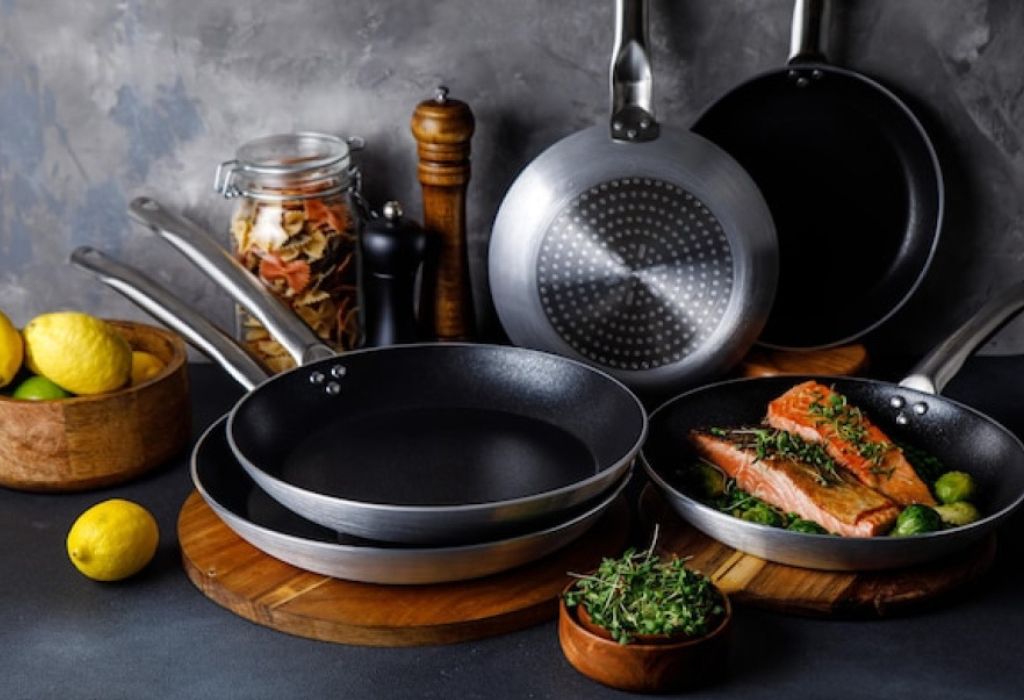
Not all cast iron pans are equal in performance. Traditional brands often feature rougher surfaces that require more seasoning before becoming reliably nonstick. Premium or vintage models, machined smoother, may deliver easier release sooner.
Enameled cast iron provides another option. The enamel creates a glossy surface that resists sticking better than bare metal but still benefits from oil.
These pans excel at braises and slow-cooked dishes but do not build the same seasoning as bare cast iron.
Size and weight also play a role. Smaller skillets are easier to maneuver and season more quickly, while large Dutch ovens provide capacity but demand more maintenance. Selecting cookware that matches your cooking style ensures better results.
The Verdict: Is Cast Iron Cookware Non Stick?
The honest answer is that cast iron can be nonstick, but not in the same way as Teflon. With proper seasoning and technique, it develops a natural easy-release surface that improves over time.
While it may never match the instant slipperiness of PTFE, it offers durability, versatility, and heat tolerance unmatched by coated pans.
For many cooks, this trade-off is worth it. Cast iron rewards patience with decades of service, growing better with age rather than worse. It represents a different philosophy: instead of disposable convenience, it offers lasting performance built through use and care.
The phrase “is cast iron cookware non stick” might not have a simple yes-or-no answer. But with seasoning, heat control, and cleaning routines, the answer leans strongly toward yes. Cast iron is nonstick enough for everyday use, provided you treat it as a partner rather than a shortcut.
Conclusion
Cast iron cookware has earned its reputation as both timeless and practical. While it does not mimic the instant slickness of synthetic coatings, it creates a natural, durable surface that performs like nonstick with the right care.
The science of seasoning, combined with proper cooking technique, transforms raw iron into a smooth, easy-release tool. Unlike coated pans, it thrives under high heat, improves with use, and lasts for generations.
So, is cast iron cookware non stick? The answer is yes—if you understand that its strength lies not in shortcuts, but in a process that rewards patience. Choosing cast iron means investing in cookware that evolves alongside your cooking skills, delivering both flavor and reliability for years to come.

I’m Emma J. Caldwell, the founder, lead writer, and home-cooking enthusiast behind KitchenGuideCo.com. With a background in culinary arts and over a decade of cooking experience in both professional and personal kitchens, I created this platform to demystify recipes, offer smart kitchen gadget reviews, and guide readers through meal prep with confidence and clarity.