A heavy skillet found in a thrift store or flea market may hold more value than it first appears. For collectors and home cooks alike, the challenge is knowing how to identify cast iron cookware correctly.
The cast iron market has grown significantly, with global revenue projected to reach over $2 billion by 2030. This surge reflects not only new demand but also the increasing interest in vintage pieces that combine durability, cooking performance, and collectible value.
With so much variety, learning to identify cookware by brand, age, and condition has never been more important.
Starting with the Bottom: Fast Identification Clues

The fastest way to begin identifying cast iron is by turning it over. The bottom often carries the most telling signs, such as brand logos, size numbers, country-of-origin stamps, or unique heat rings.
Logos are the clearest giveaway. Companies like Griswold and Wagner Ware made distinctive marks that changed over decades. Later pans often include the phrase “Made in USA,” which instantly places them in the post-1960s period.
Heat rings are another feature. These raised circles helped pans sit securely on old wood stoves. Their style, presence, or absence is often unique to certain makers or eras. Smooth-bottom pans, for example, are later designs reflecting shifts in stove technology.
Notches along the heat ring also tell a story. Lodge, in particular, used a three-notch system on many skillets to aid gas stove stability. Observing whether a skillet has no notches, one notch, or three can narrow the timeframe dramatically.
Logos and Maker’s Marks
One of the most reliable ways to identify cast iron cookware is by studying logos. Griswold used the famous “cross in double circle” design, but the font style and size of the cross changed over time. Slant logos often indicate earlier production, while block logos suggest later manufacturing.
Wagner Ware skillets frequently display “Wagner Ware” alongside “Sidney -O-.” The combination of text and placement helps collectors estimate production decades. Subtle differences like the curvature of letters or spacing between words are used as dating tools.
Lodge stands apart with its skillet-and-egg logo, introduced in the 1970s. Earlier Lodge pieces were unmarked, so identifying them requires closer inspection of shape and casting style. Many department-store pans were produced by major foundries but sold unmarked, which complicates identification but also adds intrigue.
Maker’s marks not only confirm authenticity but also connect cookware to specific periods in American manufacturing history. Recognizing them transforms an old pan into a piece of cultural heritage.
Heat Rings and Notches
The underside of a skillet provides unique “fingerprints.” Heat rings vary in width, depth, and placement, reflecting differences in foundry molds and intended stove compatibility. Some brands favored wide inset rings, while others moved to flat bases as gas and electric stoves became standard.
Lodge is famous for its three-notch heat rings, with notches placed at the 3, 9, and 12 o’clock positions. These features help stabilize pans on stove burners and are a clear sign of the brand’s mid-20th-century production.
Griswold, on the other hand, produced many smooth-bottom skillets that lacked any heat rings, aligning with newer stove designs. Collectors often use these details to pinpoint production ranges within decades.
When no ring is present, other indicators like spout design and handle shape become more important. But in many cases, heat rings are the most efficient visual clue for narrowing down the identity of cast iron cookware.
Handles, Pour Spouts, and Helper Tabs
Handles tell as much history as logos. Older cast iron often features slimmer, more refined handles with larger hanging holes. Modern handles tend to be thicker and sometimes shorter, reflecting changes in manufacturing efficiency.
The shape of the “eye” or hanging hole can vary by maker. Round, tear-drop, or elongated shapes serve as distinguishing details. These subtle changes help distinguish between brands like Wagner, Griswold, and Lodge when logos are missing.
Pour spouts also evolved over time. Earlier pans often had wider spouts, while later models developed smaller, sharper spouts due to automated casting. Some skillets even include three spouts, a less common trait linked to specific foundries.
Helper tabs, small handles opposite the main one, are common in modern pans but were less frequent in vintage pieces. Their presence can indicate a more recent design, especially on medium-sized skillets.
Size Numbers and Pattern Letters

Numbers cast into the bottom of pans are another critical detail, but they can be misleading. A “#8” skillet, for example, is not always eight inches wide. Instead, these numbers often correspond to stove-eye sizes from older ranges.
Pattern letters or small initials served as shift identifiers in factories. These letters helped foundries track molds and quality control. They do not typically denote model names but can assist collectors in verifying authenticity.
The phrase “Made in USA” became common in the mid-1960s. Its presence sets a lower bound on age and helps separate vintage from antique pieces. When combined with size numbers and logos, these marks provide strong evidence for dating cookware.
Identifying Unmarked Skillets
Not all valuable cast iron carries a logo. Many skillets were sold unmarked through department stores or regional chains, often produced by major brands like Lodge or Birmingham Stove & Range.
Identification of unmarked pieces relies on careful observation. Heat ring style, notch patterns, spout shape, and handle design become primary clues. For example, a three-notch ring with small spouts and a distinct handle profile strongly suggests unmarked Lodge.
Birmingham Stove & Range (BSR) skillets are also commonly unmarked. Their Red Mountain and Century series each carry subtle features, such as heat ring thickness and overall weight. Comparing these traits with online photo guides can help verify origins.
Unmarked pans may lack the collector premiums of marked Griswold or Wagner Ware, but they are often excellent daily users. They also represent a significant part of cast iron history, showing how widespread the market once was.
Early Cast Iron: Gate Marks and Erie Pieces
Dating pre-1900 cast iron often comes down to recognizing gate marks. These are raised scars left from early bottom-pour casting methods. By the late 19th century, improved molds eliminated the need for gate marks, so their presence is a reliable indicator of very old cookware.
The “ERIE” line from Griswold is especially prized among collectors. These pans marked the transition from early unmarked cookware to branded, mass-produced pieces. Their simple markings and smooth castings reflect craftsmanship from the late 1800s.
Smooth finishes are another hallmark of early cookware. Many pieces were polished after casting, leaving surfaces far smoother than many modern pans. This machining makes them easier to season and often more functional, even today.
Condition Checks: Cracks, Warp, and Pitting
Identifying cookware goes beyond brand and age; condition is equally important. Cracks may be visible or hidden, but tapping the pan with a utensil produces a dull thud instead of a clear ring. This sound test is widely used at flea markets.
Warping is common in skillets that endured uneven heating. A warped pan will not sit flat on modern stoves, making it less useful for daily cooking. Pitting, often caused by rust or chemical exposure, leaves a rough surface that affects seasoning.
Rust can be restored, but structural damage like cracks cannot be repaired effectively. For buyers, these checks are essential before investing in collectible cookware. For everyday cooks, ensuring flatness and structural soundness matters more than cosmetic flaws.
Understanding Value and Collectibility
Not every piece of cast iron is worth hundreds of dollars. Value depends on brand, logo type, size, condition, and rarity. A common Griswold skillet may be affordable, while a rare spider skillet or unique mold variation could fetch thousands at auction.
Provenance can also add value. Pans with documented histories or those tied to specific foundries during early production eras carry collector premiums. Unmarked pans are generally less valuable but still sought after by users who appreciate their performance.
Market demand fluctuates, but mid-sized skillets remain the most popular. They balance usability and rarity, making them attractive to both cooks and collectors. Large Dutch ovens or unusual specialty pans are less common, often commanding higher prices.
A Field Workflow for Identifying Cookware
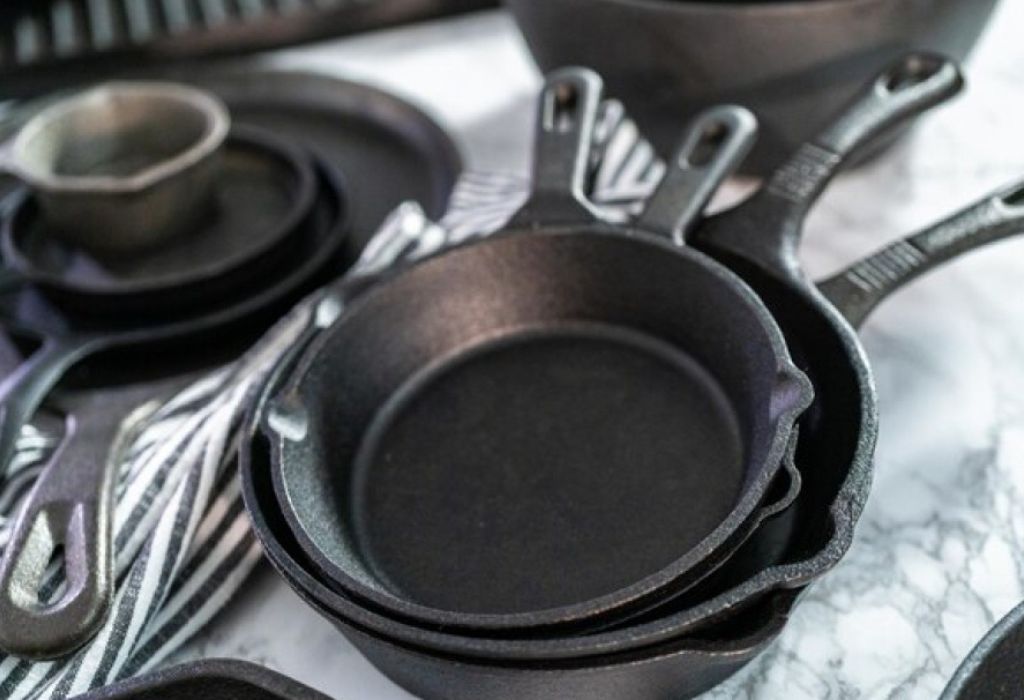
Collectors often rely on a quick, systematic process when inspecting cast iron at markets. First, the bottom is examined for logos, numbers, rings, or notches. Next, the handle and spout shape are checked against known examples.
The pan is then tested for flatness and tapped to check for cracks. Weight and smoothness of casting are also noted. Finally, photographs are taken of the bottom and side profile for later cross-reference with online databases such as the Cast Iron Collector.
This process takes less than two minutes but yields enough data to make informed decisions. With practice, it becomes second nature, helping both novices and experts avoid costly mistakes.
Why Identification Matters Today
Knowing how to identify cast iron cookware is more than a collector’s skill. It ensures buyers avoid counterfeits, prevents overpaying for common pans, and highlights opportunities to rescue valuable antiques from obscurity.
It also connects modern cooks with a tradition that spans more than a century. Cast iron represents the intersection of craftsmanship and practicality, offering tools that last for generations. Understanding its details keeps this heritage alive while enriching personal cooking experiences.
Conclusion
Identifying cast iron cookware begins with close observation of the bottom. Logos, heat rings, notches, size numbers, and country-of-origin stamps all provide key evidence. Handles, spouts, and casting smoothness offer further confirmation.
Early cookware can be spotted by gate marks, while post-1960s pans often feature “Made in USA.” Unmarked skillets require careful cross-checking of features, but many remain excellent user pieces.
Condition checks ensure value, while knowledge of brand variations helps separate treasures from common pans.
So, how to identify cast iron cookware without confusion? The answer lies in combining systematic inspection with an understanding of historical details.
With practice, anyone can distinguish between ordinary pans and extraordinary finds. For collectors and cooks alike, this knowledge transforms simple cast iron into a story worth preserving.

I’m Emma J. Caldwell, the founder, lead writer, and home-cooking enthusiast behind KitchenGuideCo.com. With a background in culinary arts and over a decade of cooking experience in both professional and personal kitchens, I created this platform to demystify recipes, offer smart kitchen gadget reviews, and guide readers through meal prep with confidence and clarity.