The sight of a sizzling steak in a cast iron skillet often feels like cooking perfection. The sear is unmatched, the flavor is rich, and the weight of the pan carries an aura of tradition.
Yet, behind this reputation lies a set of practical challenges that many home cooks discover only after bringing cast iron into their kitchens.
This raises the key question: what are the disadvantages of cast iron cookware when compared to modern alternatives? While cast iron’s strengths are undeniable, its drawbacks can affect usability, maintenance, and cooking results.
Surveys show that nearly 70% of households own at least one nonstick pan, while cast iron sales have grown steadily due to renewed interest in durability and heritage cooking. That balance of popularity highlights the importance of understanding where cast iron falls short.
Heat Behavior — Slow to Warm, Easy to Hot-Spot
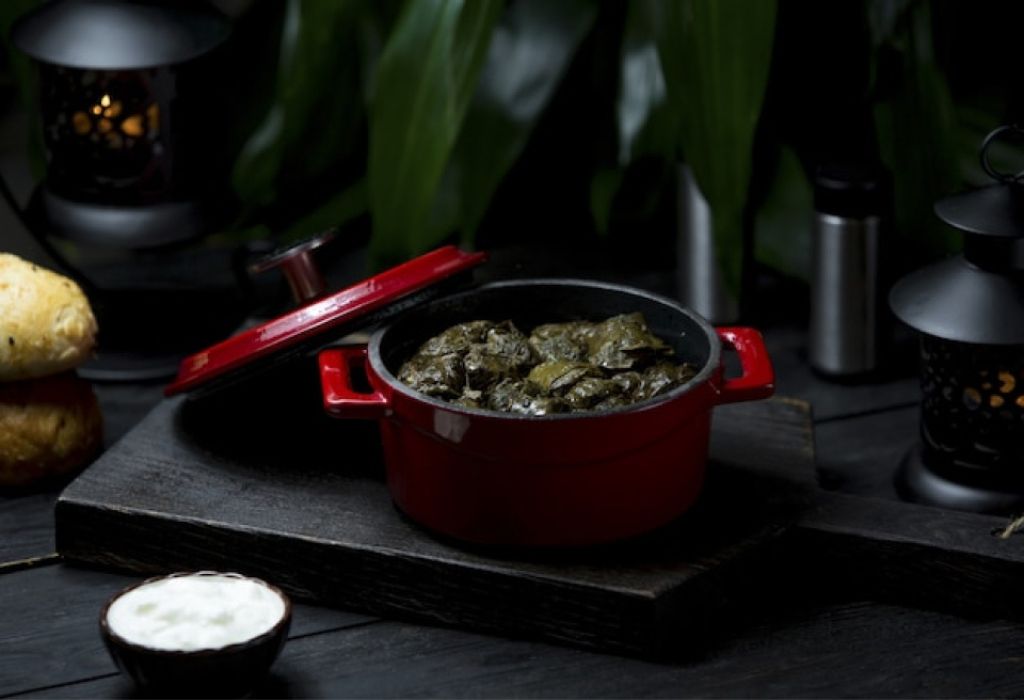
One of the most overlooked disadvantages of cast iron cookware is its thermal performance. Cast iron is excellent at retaining heat once it has been fully warmed, but it is a poor conductor compared to materials like aluminum or stainless steel. This means heat travels slowly across the metal, creating hot spots directly above burners.
The result is that cooking delicate foods like eggs or sauces can become inconsistent if the pan isn’t preheated carefully. The slow heat-up time also reduces flexibility for quick cooking tasks.
Once cast iron does get hot, it stays hot for a long time, which can be both a strength and a weakness. Foods left in the pan after the heat is turned off may continue cooking, sometimes leading to overdone results.
Weight and Ergonomics — A Heavy Burden in Daily Use
Cast iron cookware is significantly heavier than most modern alternatives. A standard 12-inch skillet can weigh 7 to 9 pounds without food, and larger Dutch ovens exceed 12 pounds when empty. Add a full meal, and the strain on wrists, arms, and even cooktops becomes clear.
For individuals with mobility issues or small kitchen setups, this weight is a major drawback. Moving the pan from stovetop to oven or sink requires caution and strength.
Dropping cast iron, even accidentally, can damage both the cookware and kitchen surfaces. Storage also becomes complicated, as cabinets and shelves must support substantial weight.
Upkeep and Cleaning — Seasoning Is a Commitment
Unlike nonstick or stainless steel cookware, cast iron requires ongoing maintenance. Bare cast iron relies on a layer of seasoning, a polymerized oil coating that protects the surface and creates a semi-nonstick effect. Maintaining this seasoning involves regular re-oiling and careful cleaning.
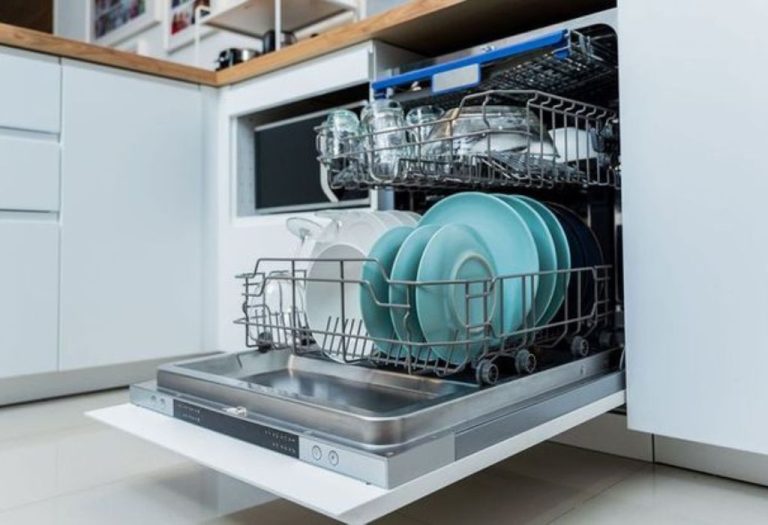
Cast iron cannot be placed in the dishwasher without risking rust and seasoning loss. It must be washed by hand, dried thoroughly, and lightly coated with oil before storage.
Skipping any of these steps can lead to rust spots, dulling of the patina, or food sticking during the next use. While this routine becomes easier over time, it demands more attention than most modern pans.
Rust Risk and Moisture Sensitivity
Another disadvantage of cast iron cookware is its vulnerability to moisture. Unlike stainless steel, cast iron is not corrosion-resistant. When exposed to water for extended periods, it develops rust that can compromise performance and flavor.
Even a short soak in a sink can strip seasoning and encourage rust spots. Restoring a rusty pan requires scrubbing, re-seasoning, and sometimes multiple cycles of oven curing. For busy households that rely on quick-clean cookware, this extra step becomes a burden.
Reactivity with Acidic Foods
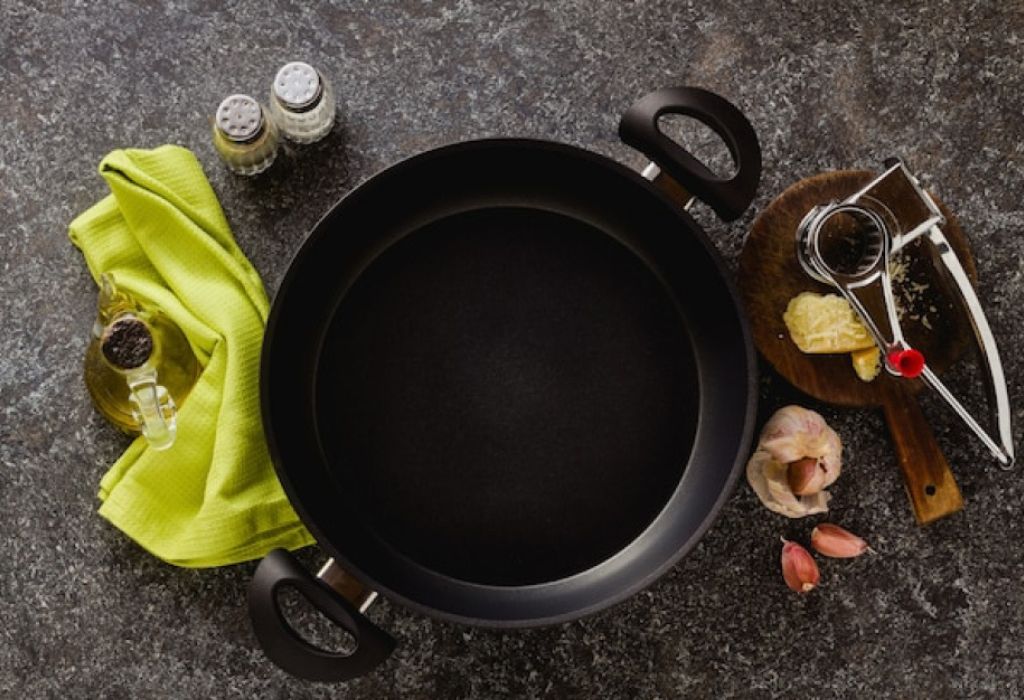
Cooking acidic dishes such as tomato sauces, citrus reductions, or vinegar-based recipes presents a challenge for bare cast iron.
The acids can react with the metal, stripping seasoning layers and imparting a metallic taste. Long cooking sessions intensify this effect, sometimes leaving food discolored or with off-flavors.
Scientific studies confirm that cast iron leaches small amounts of iron into food, especially when acids are involved. While this can boost dietary iron, it also creates inconsistent flavor and risks patchy seasoning.
For dishes that rely on long acidic simmering, alternatives like stainless steel or enameled cast iron are more reliable.
Glass-Top Stove Challenges
Many modern kitchens feature smooth glass or ceramic cooktops. While manufacturers allow cast iron use on these surfaces, they warn of specific risks.
Cast iron’s rough bottoms can scratch glass if the pan is slid rather than lifted. Its weight increases the chance of cracks if set down too hard.
For households with glass-top stoves, this is one of the most practical disadvantages of cast iron cookware.
Using it safely requires extra vigilance: bottoms must be kept spotless, pans must be lifted instead of dragged, and cookware should never be dropped. Even with caution, frequent use can leave micro-scratches that dull the surface over time.
Break-In Period and Surface Texture
Not all cast iron is ready to perform straight out of the box. Many modern pans have rougher surfaces compared to vintage skillets, which were often machined smoother. This means newer pans may require months of cooking to build up a slick, seasoned surface.
During this break-in period, foods like eggs or fish are more prone to sticking. The frustration can discourage new users who expect instant nonstick performance. While sanding or polishing can speed up the process, most home cooks must rely on consistent seasoning and fatty cooking to achieve a usable surface.
Space, Storage, and Practical Considerations
Cast iron’s bulk extends beyond weight alone. The sheer size and thickness of skillets, Dutch ovens, and griddles demand substantial storage space. Stacking cast iron requires protective liners to avoid scratching seasoning, while hanging them safely requires sturdy wall mounts.
The noise of heavy pans clanking together can also be disruptive in compact kitchens. For people with limited cabinet space or minimalist designs, cast iron can feel more like clutter than convenience. These everyday frictions, while minor individually, add up as practical disadvantages.
Limited Versatility for Delicate Cooking
Cast iron excels at searing steaks, frying chicken, and baking cornbread. But when it comes to delicate cooking tasks, its limitations show. Dishes requiring quick temperature changes, like stir-frying or sauce reduction, are harder to manage due to slow heat response.
Light proteins such as fish or omelets may stick unless the seasoning is highly developed and the technique flawless. This makes cast iron less versatile for cooks who prefer a wide range of cooking styles. For these tasks, stainless steel, carbon steel, or nonstick pans perform more consistently.
Noise, Risk, and Kitchen Safety
The sheer weight and hardness of cast iron bring additional risks in a busy kitchen. Dropping a skillet can crack tiles, dent counters, or even injure feet. The handles, when heated, become dangerously hot, requiring mitts or silicone covers for safe use.
Children and inexperienced cooks may find cast iron more difficult to handle safely. The combination of heat retention and weight makes burns or accidents more likely compared to lighter, insulated cookware. While these risks are manageable, they add to the list of disadvantages worth considering.
Where Cast Iron Still Shines
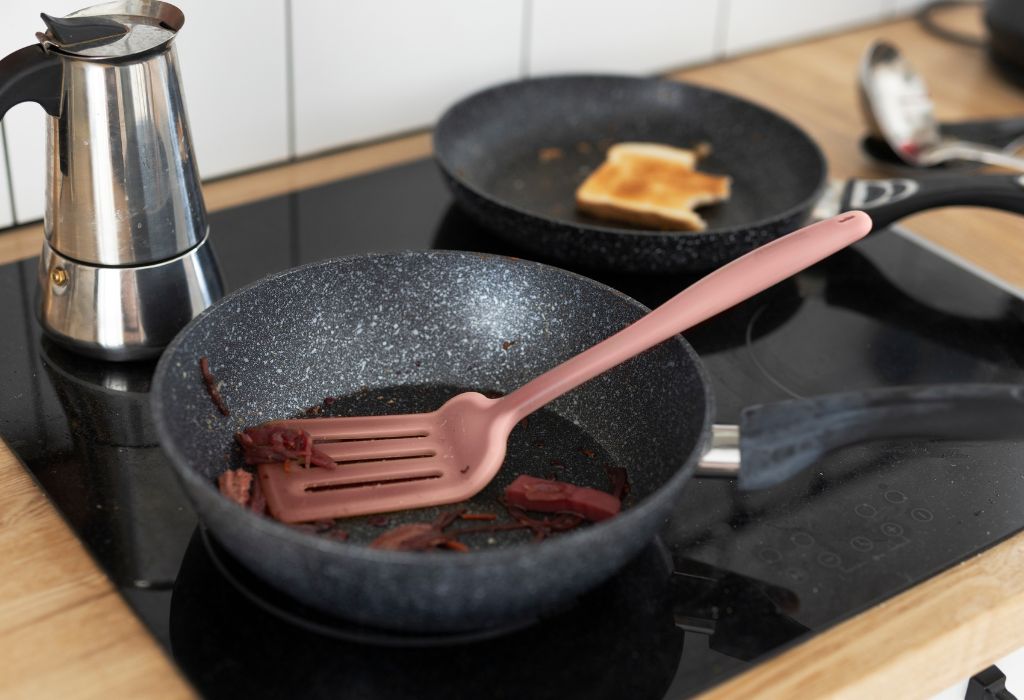
Acknowledging the disadvantages does not erase cast iron’s strengths. Its ability to retain heat makes it ideal for browning meat, baking, and deep frying.
With proper care, it can last for generations, outliving most modern pans. The disadvantages are real, but they are trade-offs rather than deal-breakers for many cooks.
Enameled cast iron offers a middle ground, reducing rust and acid reactivity while preserving heat retention. Carbon steel provides similar searing power with less weight and faster responsiveness. Recognizing these alternatives helps balance the downsides while keeping cast iron’s value in perspective.
Conclusion
So, what are the disadvantages of cast iron cookware today? The drawbacks include slow and uneven heating, significant weight, ongoing seasoning and cleaning requirements, vulnerability to rust, reactivity with acidic foods, and risks when used on glass-top stoves.
Added to this are storage challenges, noise, and a longer break-in period compared to other cookware.
These disadvantages don’t mean cast iron lacks a place in the modern kitchen. Instead, they highlight the importance of matching the tool to the task.
For high-heat searing and rustic baking, cast iron remains unmatched. But for quick, delicate, or acidic cooking, alternatives often make life easier.
Ultimately, understanding these disadvantages empowers cooks to use cast iron wisely, while avoiding frustration and protecting both the cookware and the kitchen.
With realistic expectations and proper care, cast iron can still be a treasured tool—but only when its challenges are respected.

I’m Emma J. Caldwell, the founder, lead writer, and home-cooking enthusiast behind KitchenGuideCo.com. With a background in culinary arts and over a decade of cooking experience in both professional and personal kitchens, I created this platform to demystify recipes, offer smart kitchen gadget reviews, and guide readers through meal prep with confidence and clarity.