Imagine preparing a perfectly seared steak or a rich, hearty stew that fills the kitchen with irresistible aroma. The secret often lies in choosing the right cast iron cookware.
Many home cooks struggle with selecting the ideal pan from countless options on the market. Choosing the wrong cookware can lead to uneven heating, food sticking, or even rusting over time.
The right cast iron cookware not only enhances cooking performance but also improves with age, developing a natural non-stick surface that lasts for generations.
According to The Spruce Eats, cast iron is praised for its durability and heat retention, making it a favorite among professional chefs and home cooks alike (source).
Investing in quality cookware ensures meals are cooked evenly, flavors are richer, and cleanup is simpler. Cast iron pans can also add dietary iron to food, offering an unexpected health benefit.
Understanding Cast Iron Cookware
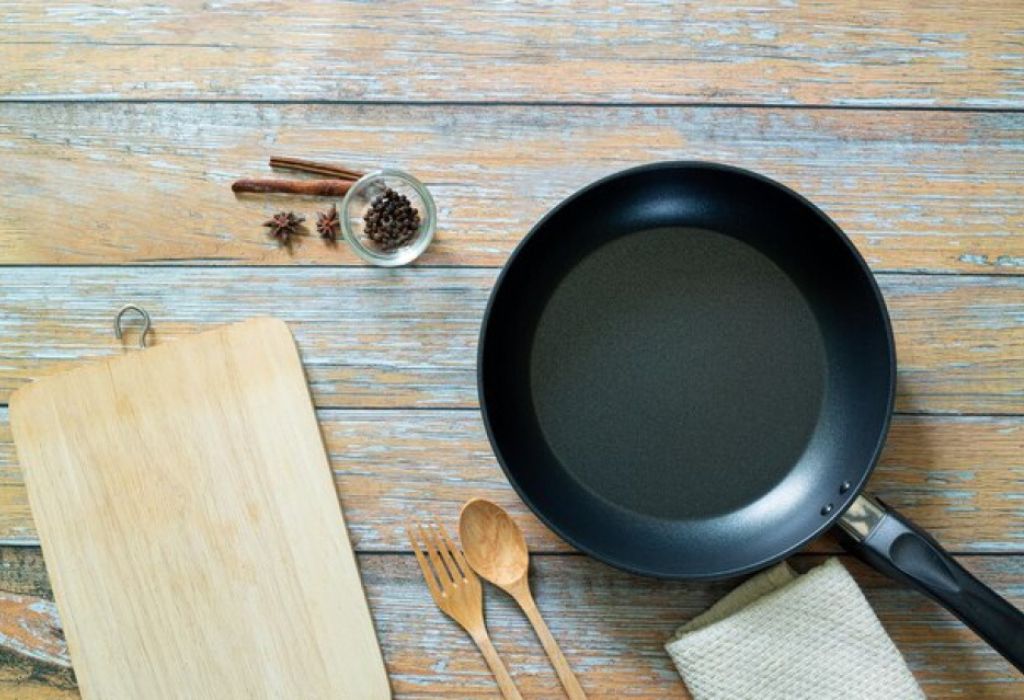
Cast iron cookware has been a kitchen staple for centuries, prized for its durability, versatility, and ability to retain heat. Made by pouring molten iron into molds, these pans and pots are designed to last decades, often becoming family heirlooms with proper care.
One of the primary benefits of cast iron is its exceptional heat retention. Once heated, it distributes heat evenly across the surface, reducing hot spots and ensuring food cooks consistently.
This makes it ideal for searing meats, slow-cooking stews, and baking dishes that require stable temperatures.
Cast iron naturally develops a non-stick surface when properly seasoned. Over time, this layer improves, creating a smooth cooking surface without the need for synthetic coatings. The seasoning also helps protect the pan from moisture, preventing rust and extending its lifespan.
Another advantage of cast iron cookware is its versatility. Bare cast iron can be used on stovetops, in ovens, or even over an open flame, while enameled cast iron offers a protective coating that eliminates the need for seasoning and prevents acidic foods from reacting with the metal.
Both types are compatible with a wide range of cooking styles, from frying and baking to roasting and braising.
In addition to cooking performance, cast iron can contribute small amounts of dietary iron to meals. This health benefit adds an extra reason to consider incorporating cast iron into regular cooking routines.
According to Good Housekeeping, enameled and well-seasoned cast iron cookware remains one of the most reliable and long-lasting tools for home cooks (source).
By understanding the material, benefits, and types of cast iron cookware, readers can make informed choices that suit their kitchen needs. This foundation sets the stage for exploring the specific factors to consider when selecting the perfect pan or pot.
Factors to Consider When Choosing Cast Iron Cookware
Selecting the right cast iron cookware requires careful consideration of several factors that affect performance, usability, and longevity. The ideal pan or pot should align with cooking habits, kitchen setup, and personal preferences.
Size and weight are critical considerations. Larger pans are perfect for preparing meals for families or gatherings, while smaller skillets are easier to handle for individual servings.
The cookware’s weight should balance durability with ease of use, as excessively heavy pans can be cumbersome during cooking and cleaning.
Handle design plays a significant role in safety and comfort. Ergonomically shaped handles provide a secure grip, while some pans include helper handles for added support when lifting heavy dishes.
Choosing cookware with well-designed handles ensures stability, reduces the risk of accidents, and makes moving the pan from stovetop to oven effortless.
Surface smoothness impacts both cooking performance and maintenance. Smoother surfaces allow for more even seasoning, improve non-stick properties, and simplify cleaning.
Modern cast iron cookware often features refined finishes compared to traditional rough surfaces, giving better initial performance and easier upkeep.
Compatibility with heat sources is another essential factor. Not all cast iron pans are suited for every stovetop type. Bare and enameled cast iron cookware can generally be used on gas, electric, and induction cooktops, but it’s important to verify specifications to ensure safe and efficient cooking.
The choice between bare and enameled cast iron also affects long-term maintenance and versatility. Bare cast iron requires regular seasoning and careful cleaning but provides natural non-stick benefits over time. Enameled cookware eliminates the need for seasoning, prevents rust, and resists acidic food reactions, offering convenience and a wider range of cooking options.
By evaluating size, weight, handle design, surface finish, heat source compatibility, and material type, home cooks can confidently select cast iron cookware that suits both their culinary style and kitchen environment.
Considering these factors ensures that each meal prepared delivers consistent quality and enjoyment.
Seasoning and Maintenance Tips
Proper seasoning and maintenance are essential to keep cast iron cookware performing at its best and lasting for decades. Well-cared-for cookware not only delivers superior cooking results but also develops a naturally non-stick surface over time.
Seasoning involves coating the cookware with a thin layer of oil and heating it to create a protective layer on the surface.
This process prevents rust, improves non-stick properties, and enhances durability. Over repeated use, the seasoning layer strengthens, allowing for easier cooking and cleaning.
Cleaning cast iron cookware requires careful attention. Avoid prolonged soaking in water, which can lead to rust. Use a stiff brush or scraper to remove food particles, and for stubborn residue, boiling a small amount of water in the pan can help loosen stuck-on food.
Drying immediately after cleaning is crucial to prevent rust formation. Applying a light coat of oil after each use helps maintain the seasoning and keeps the surface smooth.
Even enameled cast iron benefits from proper drying and occasional cleaning to preserve its enamel coating.
Regular maintenance also includes avoiding highly acidic foods in newly seasoned pans, as acids can damage the seasoning. Over time, as the seasoning layer builds, even acidic dishes can be safely cooked without harming the surface.
By consistently following proper seasoning and cleaning practices, cast iron cookware can remain a reliable, high-performing tool in the kitchen for years. Proper care transforms cookware from a simple pan into a versatile, long-lasting cooking companion.
Top Brands and Recommendations
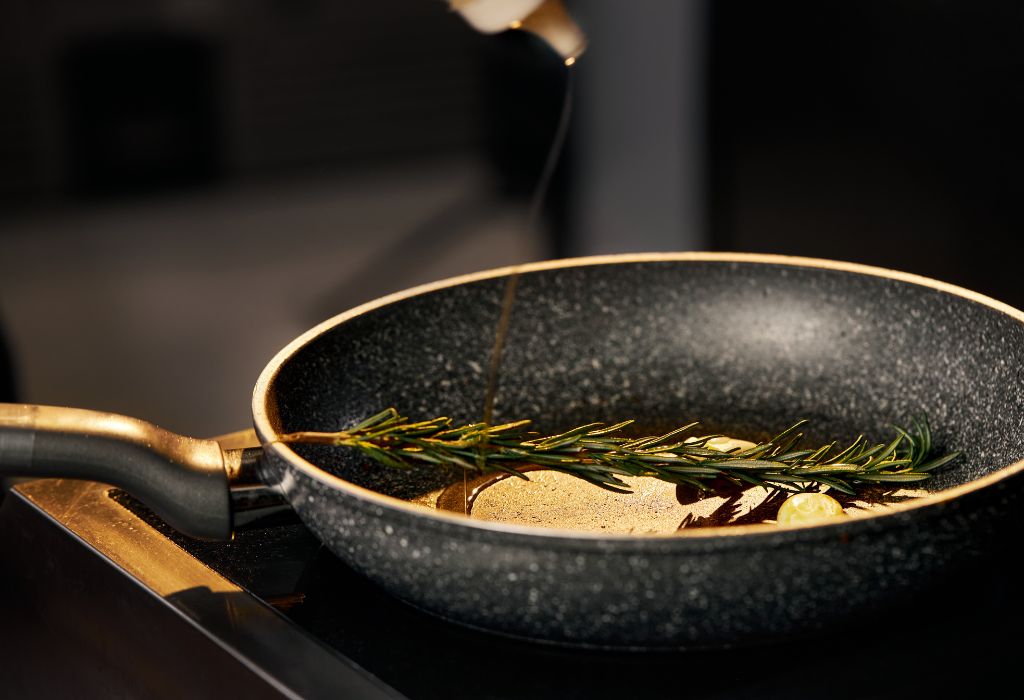
Choosing cast iron cookware from reputable brands ensures quality, durability, and reliable performance in the kitchen. Trusted brands often offer a variety of sizes, finishes, and designs to suit different cooking styles and preferences.
Lodge is a popular American brand known for producing affordable, durable cast iron skillets and Dutch ovens. Their cookware is praised for even heat distribution, long-lasting seasoning, and beginner-friendly options that require minimal maintenance.
Le Creuset offers premium enameled cast iron cookware available in a wide range of vibrant colors. The enamel coating prevents rust, eliminates the need for seasoning, and provides excellent heat retention, making it suitable for both stovetop and oven cooking.
Staub is another high-quality brand specializing in enameled cast iron cookware. Its products are renowned for superior craftsmanship, robust construction, and elegant designs, particularly in Dutch ovens and braising pans. Staub cookware also retains heat exceptionally well, making it ideal for slow-cooked meals and professional-level recipes.
Investing in well-established brands can save time and effort in the long term, as their cookware often comes pre-seasoned or with a durable enamel finish.
Reliable brands also provide warranties, customer support, and replacement parts, offering peace of mind alongside culinary performance.
By selecting from trusted brands like Lodge, Le Creuset, or Staub, home cooks can ensure they are using cookware that will perform consistently, maintain seasoning, and remain a kitchen staple for years. Quality cookware enhances cooking confidence and contributes to better, more enjoyable meals.
Common Mistakes to Avoid
Even experienced cooks can make mistakes that reduce the performance and lifespan of cast iron cookware. Avoiding these common errors ensures the cookware remains durable, non-stick, and enjoyable to use.
One frequent mistake is overusing soap on seasoned pans. While occasional mild soap is acceptable, frequent washing with strong detergents can strip away the seasoning and make the surface more prone to sticking.
Cooking highly acidic foods in new cast iron pans is another common error. Ingredients like tomatoes and citrus can damage the seasoning layer until it is well-established, potentially affecting both taste and pan longevity.
Failing to dry the cookware immediately after cleaning often leads to rust formation. Cast iron must be thoroughly dried and lightly oiled after each use to preserve its protective seasoning and prevent corrosion.
Neglecting regular maintenance, such as reapplying oil after extended use or improper storage, can reduce heat retention and compromise the non-stick surface. Consistent care is essential to ensure the pan continues to perform at its best.
By recognizing these mistakes and following proper care routines, home cooks can extend the life of their cast iron cookware. Avoiding common errors protects the seasoning, maintains durability, and ensures every meal benefits from even heat and superior cooking performance.
Conclusion
Choosing the right cast iron cookware requires understanding material types, cooking needs, and proper maintenance practices. By considering factors like size, weight, handle design, surface finish, and compatibility with heat sources, home cooks can make informed decisions.
Proper seasoning and cleaning routines are essential for maintaining performance, preventing rust, and enhancing the non-stick surface. Investing in reputable brands ensures durability, consistent cooking results, and long-term satisfaction.
Avoiding common mistakes, such as overusing soap, cooking acidic foods prematurely, and neglecting drying or oiling, protects the cookware and prolongs its lifespan. With proper care, cast iron cookware can transform everyday meals into flavorful, evenly cooked dishes.
Ultimately, well-chosen and properly maintained cast iron cookware becomes a reliable kitchen companion. It offers versatility, durability, and consistent performance, making it a valuable investment for both beginner and experienced cooks.

I’m Emma J. Caldwell, the founder, lead writer, and home-cooking enthusiast behind KitchenGuideCo.com. With a background in culinary arts and over a decade of cooking experience in both professional and personal kitchens, I created this platform to demystify recipes, offer smart kitchen gadget reviews, and guide readers through meal prep with confidence and clarity.