Cast iron cookware has remained a staple in kitchens for generations, praised for its durability, heat retention, and versatility. With the rise of induction cooktops, many home cooks are asking: Is cast iron cookware magnetic?
Hook 1: Understanding whether cast iron is magnetic is essential for determining its compatibility with modern induction stoves.
Hook 2: Magnetic properties affect how efficiently the pan heats, which directly influences cooking performance and energy use.
Hook 3: Knowing this also helps prevent potential damage to cooktops and ensures safe, effective cooking at home.
Cast iron is primarily composed of iron, a naturally ferromagnetic material, which generally makes it compatible with induction cooking (source). According to Consumer Reports, 85% of induction cooktop users prefer magnetic cookware for optimal performance and energy efficiency (source).
Understanding Magnetic Properties of Cast Iron
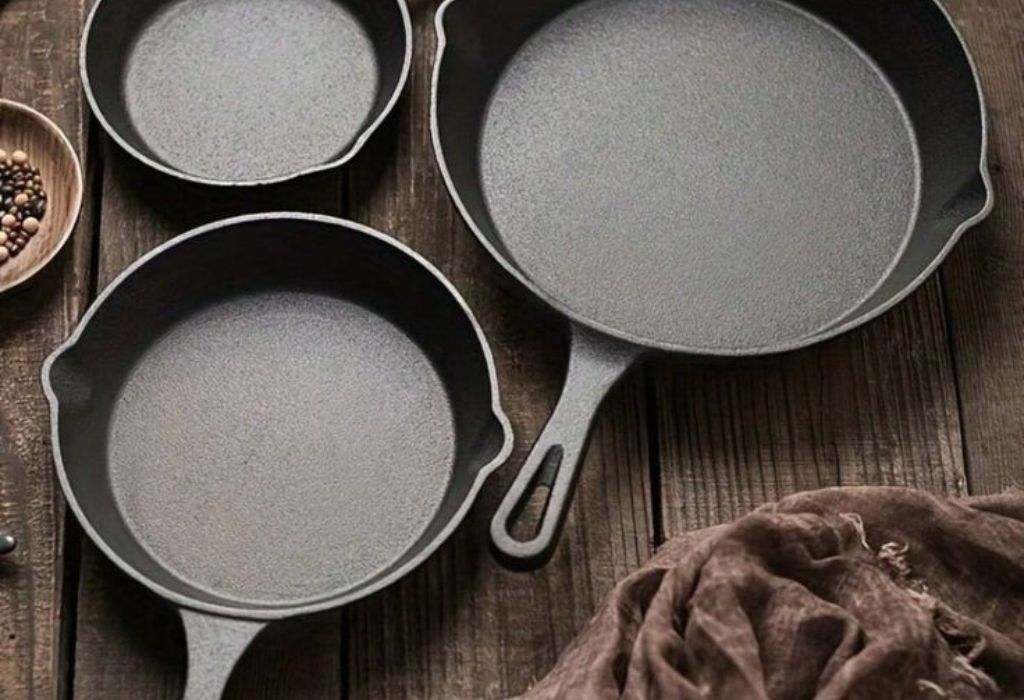
Magnetism is a physical property that occurs when the electrons in a material align in a specific way, creating a magnetic field. Certain materials, known as ferromagnetic, including iron, cobalt, and nickel, exhibit strong magnetic properties.
Cast iron is primarily composed of iron, which makes it naturally magnetic. This inherent magnetism allows it to interact with induction cooktops, where magnetic fields generate heat directly in the cookware.
Different types of cast iron, such as gray, white, and ductile cast iron, exhibit variations in magnetic strength. The differences are influenced by carbon content, impurities, and the specific manufacturing process used.
Magnetic strength also depends on surface treatment and seasoning. Enameled cast iron retains magnetic properties, but the enamel coating can slightly reduce the pan’s overall magnetic response compared to bare cast iron.
Understanding the magnetic properties of cast iron is essential for determining induction compatibility. Knowing how different types and treatments affect magnetism helps home cooks select the right cookware for their cooktops and cooking style.
By grasping the fundamentals of cast iron magnetism, consumers can ensure their cookware performs efficiently, safely, and reliably across various cooking surfaces. This knowledge provides the foundation for testing and practical use in the kitchen.
How to Test if Cast Iron Cookware is Magnetic
Testing whether cast iron cookware is magnetic is simple and requires minimal tools. This knowledge is especially important for induction cooktop users who need magnetic cookware to generate heat efficiently.
The most straightforward method is using a standard magnet. Place the magnet on the bottom of the cookware; if it sticks firmly, the pan is magnetic and compatible with induction cooking.
Another approach is the induction cooktop test. Place the cookware on an induction stove and observe if it heats up. Magnetic cookware will respond and begin heating immediately, indicating full compatibility.
Visual inspection can also help. Many cookware brands label their products as induction-compatible, often with symbols or markings on the bottom surface. Checking these indicators provides a quick reference for magnetism and suitability.
Understanding and testing magnetic properties ensures safe and efficient use of cast iron cookware. By knowing how to check for magnetism, home cooks can avoid potential cooking issues and make the most of their cookware’s performance on all compatible cooktops.
Induction Cooking and Cast Iron
Induction cooktops generate heat through electromagnetic fields that directly interact with magnetic cookware. Cast iron’s ferromagnetic properties make it highly compatible with induction technology.
Using cast iron on induction stoves offers several advantages, including efficient heat transfer and consistent temperature control. The pan heats evenly, reducing hot spots and improving cooking performance for searing, frying, and slow-cooked dishes.
Potential drawbacks include the heavy weight of cast iron, which can be cumbersome on glass induction surfaces. Additionally, rough or unfinished bottoms may scratch delicate cooktops if not handled carefully.
Best practices involve using cookware with flat, smooth bottoms and placing protective pads if needed to prevent scratching. Proper use ensures safe, efficient, and effective cooking while maximizing the durability of both the pan and the cooktop.
Understanding the interaction between cast iron and induction cooktops allows home cooks to leverage the material’s strengths. Magnetic properties ensure compatibility, while proper handling maintains performance and safety over time.
Types of Cast Iron Cookware Compatible with Induction
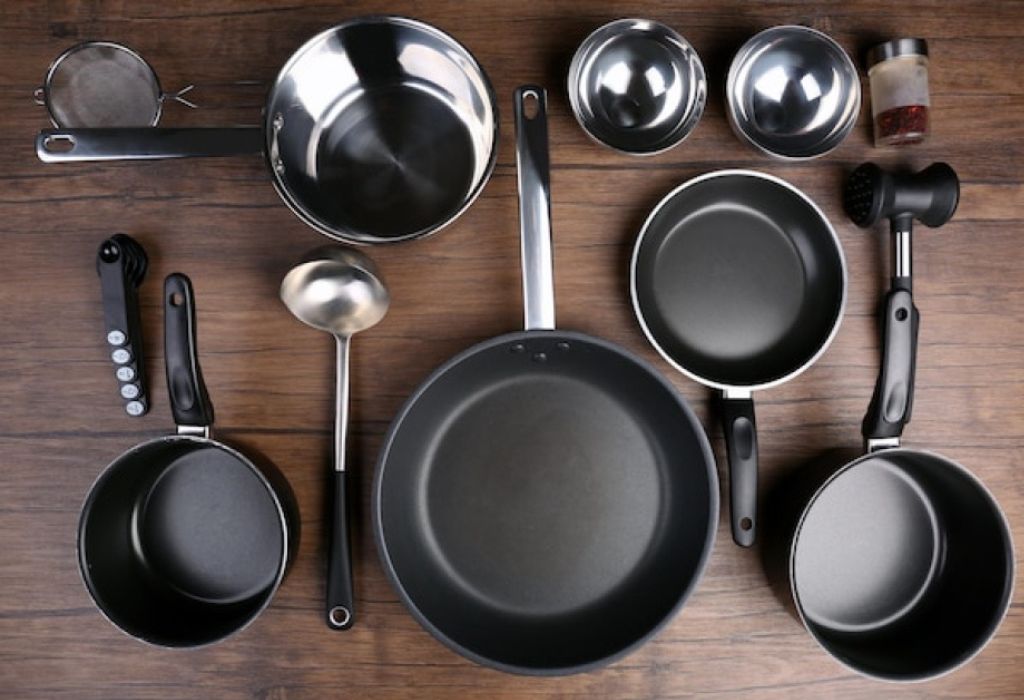
Cast iron cookware comes in several forms, all generally compatible with induction cooktops due to its magnetic properties. Understanding the types helps home cooks select the best pan for their cooking style and needs.
Enameled Cast Iron features a porcelain enamel coating, which prevents rust and creates a non-reactive surface. It maintains magnetic properties and is ideal for induction cooking while offering easier cleanup compared to bare cast iron.
Seasoned Cast Iron develops a natural non-stick layer through repeated seasoning. Properly maintained, it retains its magnetic qualities and works efficiently on induction stoves, though it requires ongoing care.
Bare Cast Iron is traditional, uncoated, and requires regular seasoning to prevent rust. Despite the need for maintenance, it is highly responsive to induction heat and provides excellent thermal stability.
Pre-Seasoned Cast Iron comes with a factory-applied layer of seasoning, making it ready to use immediately. It combines convenience with full magnetic compatibility for induction cooking.
By knowing the differences between enameled, seasoned, bare, and pre-seasoned cast iron, consumers can choose cookware that matches their cooking habits and maintenance preferences.
This ensures optimal performance on induction cooktops while preserving durability and non-stick properties.
Maintenance Tips for Cast Iron Cookware
Proper maintenance ensures cast iron cookware remains magnetic, safe, and high-performing over time. Regular care preserves its non-stick surface and prevents rust, especially for induction-compatible pans.
Seasoning is essential for traditional cast iron. Applying a thin layer of oil and heating the pan builds a protective coating that enhances non-stick properties and maintains magnetic performance.
Cleaning should avoid harsh detergents. Use warm water and a stiff brush, and for stubborn residue, boil a small amount of water to loosen food particles without damaging the seasoning.
Drying immediately after washing prevents moisture-related rust. Applying a light coat of oil after each use helps maintain the pan’s protective layer and magnetic efficiency.
Storage in a dry, ventilated area prevents corrosion. Using paper towels or cloths inside stacked pans absorbs residual moisture and keeps surfaces in optimal condition.
By following these maintenance tips, home cooks can maximize the lifespan, efficiency, and safety of their cast iron cookware. Proper care ensures the cookware remains fully compatible with induction and maintains excellent cooking performance.
Common Issues and Troubleshooting
Even high-quality cast iron cookware can encounter issues if not properly cared for. Understanding common problems and their solutions ensures safe, efficient, and long-lasting use.
Rust Formation occurs when moisture remains on the surface for extended periods. Re-seasoning and proper drying prevent corrosion and preserve magnetic properties.
Food Sticking indicates insufficient seasoning. Applying a thin layer of oil and baking the pan restores the non-stick surface.
Uneven Heating may arise from warped or uneven cookware bottoms. Ensuring flat-bottomed pans and proper preheating helps maintain consistent cooking temperatures.
Discoloration is often a natural patina or minor oxidation. Cleaning with a vinegar solution or gentle scrubbing can restore the original surface appearance without affecting magnetic compatibility.
Cracking or Chipping can result from thermal shock or dropping the cookware. Avoid sudden temperature changes and handle pans carefully to preserve structural integrity.
By recognizing these common issues and implementing preventive measures, home cooks can maintain the performance, safety, and magnetic efficiency of their cast iron cookware. Proper troubleshooting ensures long-term usability and reliable cooking results.
Benefits of Using Cast Iron Cookware
Cast iron cookware offers several advantages that make it a versatile and reliable choice for home cooks. Its magnetic properties allow compatibility with induction cooktops, while its material composition ensures durability and consistent cooking performance.
Heat Retention is one of the key benefits. Cast iron maintains and distributes heat evenly, allowing for superior searing, baking, and slow-cooked dishes.
Durability makes cast iron a long-term investment. With proper care, these pans can last for decades, maintaining performance across generations.
Versatility allows use on stovetops, ovens, grills, and even campfires. Cast iron supports a wide range of cooking techniques, from frying to roasting and baking.
Health Benefits include potential dietary iron supplementation. Cooking acidic foods in cast iron can add small amounts of iron to meals, benefiting those with iron deficiency.
Aesthetic Appeal adds charm to any kitchen. Enameled or well-maintained seasoned pans offer a rustic, attractive look suitable for both cooking and serving.
By leveraging these benefits, home cooks can enhance the flavor, efficiency, and safety of their cooking while enjoying the long-lasting value of cast iron cookware.
Drawbacks to Consider
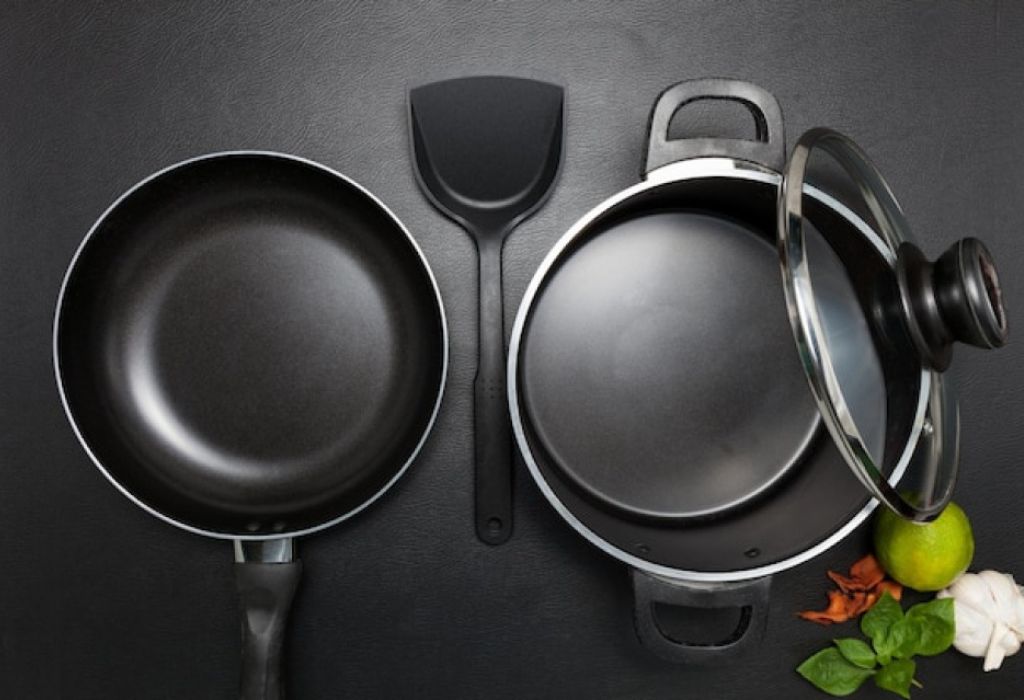
While cast iron cookware offers many benefits, there are some considerations before purchase. Awareness of these drawbacks helps home cooks use it effectively and maintain its performance over time.
Weight is a common concern. Cast iron is heavier than most cookware, making it cumbersome to handle, especially for large pans or frequent use.
Maintenance requires regular seasoning and careful cleaning. Failure to follow proper care can lead to rust, sticking, or reduced magnetic efficiency on induction cooktops.
Price can vary significantly, particularly for high-quality enameled cast iron. While long-lasting, premium options may have a higher upfront cost compared to stainless steel or other cookware types.
Reactivity may occur with acidic foods in bare cast iron. This can affect flavor and require careful maintenance to preserve both seasoning and surface integrity.
Storage Space is another factor. Cast iron takes up more room due to its size and weight, which may be a challenge in smaller kitchens.
By considering these drawbacks, consumers can make informed decisions and implement proper usage practices. Awareness ensures that cast iron cookware continues to perform safely and efficiently, maximizing both cooking results and durability.
Conclusion
Cast iron cookware is naturally magnetic, making it compatible with induction cooktops and highly versatile for various cooking techniques. Its excellent heat retention, durability, and potential health benefits make it a valuable addition to any kitchen.
While it requires more maintenance and can be heavy, proper care ensures long-lasting performance and reliable cooking results. Enameled, seasoned, bare, and pre-seasoned varieties each offer unique advantages suited to different cooking needs and preferences.
Understanding magnetic properties, testing methods, and maintenance practices allows home cooks to maximize the efficiency and longevity of their cookware. Choosing the right cast iron pan enhances both everyday cooking and specialized recipes while maintaining safety and performance on all compatible surfaces.
By balancing benefits and drawbacks, consumers can select cookware that aligns with their kitchen habits, ensuring optimal results and satisfaction for years to come.

I’m Emma J. Caldwell, the founder, lead writer, and home-cooking enthusiast behind KitchenGuideCo.com. With a background in culinary arts and over a decade of cooking experience in both professional and personal kitchens, I created this platform to demystify recipes, offer smart kitchen gadget reviews, and guide readers through meal prep with confidence and clarity.