Choosing safe, non-toxic cookware has become a priority for health-conscious home cooks. With concerns about chemicals like PFAS and PFOA in traditional non-stick pans, many people are turning to cast iron as a potential alternative.
Hook 1: Understanding whether cast iron cookware is truly non-toxic is essential for both health and long-term cooking safety.
Hook 2: Properly maintained cast iron not only avoids harmful chemicals but can also provide added dietary iron during cooking.
Hook 3: Knowing the benefits and potential concerns of cast iron helps consumers make informed decisions when selecting cookware for everyday use.
According to a 2025 market report, the global demand for non-toxic cookware, including cast iron, exceeded $1.6 billion, reflecting rising consumer awareness about kitchen safety (source).
Cast iron’s natural composition, free from PFAS and PFOA, positions it as a durable and chemical-free option for cooking (source).
What Makes Cast Iron Cookware Non-Toxic?
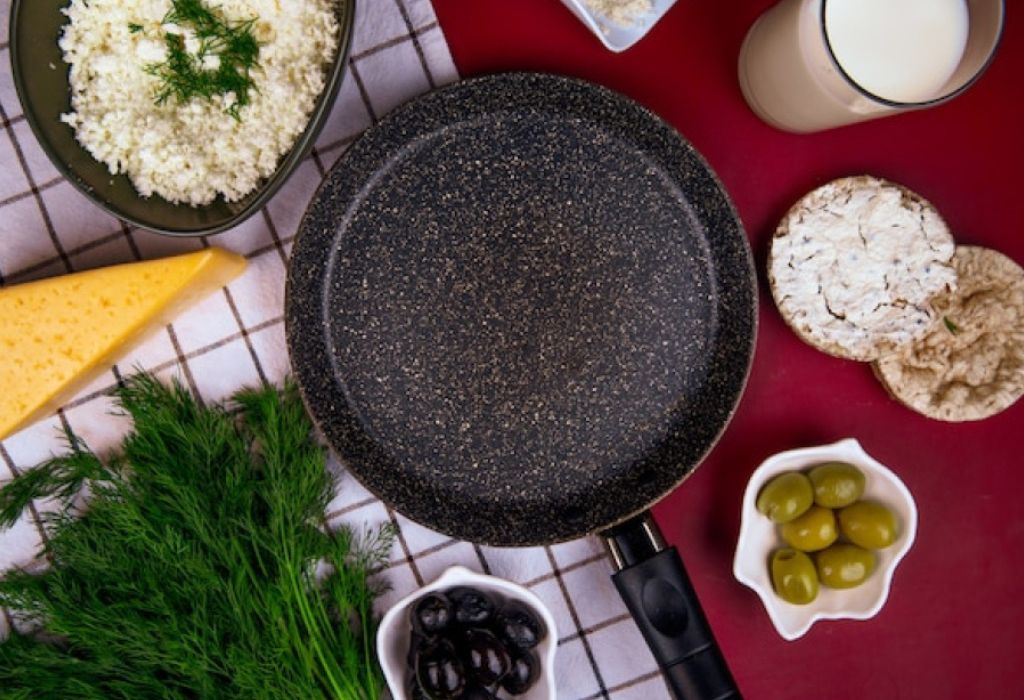
Cast iron cookware is considered non-toxic primarily because of its simple composition. Made from iron and carbon, it contains no synthetic coatings that can release harmful chemicals when heated.
The seasoning process further enhances safety by creating a natural, chemical-free non-stick surface. Using vegetable oils or fats for seasoning avoids the inclusion of synthetic substances, making the cookware safe for everyday use.
Unlike many non-stick pans, cast iron does not contain PFAS or PFOA, chemicals associated with potential health risks when overheated. This chemical-free nature makes cast iron a reliable choice for health-conscious cooks.
Durability also contributes to non-toxicity. High-quality cast iron cookware can last decades, reducing the need for frequent replacement and minimizing exposure to potentially unsafe materials over time.
Enameled cast iron retains these non-toxic properties while providing a smooth, non-reactive surface. Consumers should ensure the enamel is free from lead or cadmium, which are occasionally present in low-quality coatings.
Understanding these factors allows home cooks to choose cookware that prioritizes health without sacrificing cooking performance. Non-toxic cast iron combines safety, durability, and versatility for everyday kitchen use.
How to Properly Season Cast Iron Cookware for Safety
Seasoning cast iron cookware is essential to maintain its non-toxic properties and non-stick performance. A well-seasoned pan prevents rust, reduces food sticking, and ensures safe cooking without synthetic coatings.
Start by cleaning the pan thoroughly with hot water and a stiff brush. Avoid using soap, which can strip away any existing seasoning and affect the non-toxic surface.
Apply a thin layer of vegetable oil or fat evenly over the entire surface, including the bottom and handle. Bake the pan upside down in the oven at 350–400°F for one hour to create a durable, polymerized coating.
Repeat this process periodically, especially after heavy use or deep cleaning, to maintain a protective layer. Proper seasoning enhances both safety and performance, ensuring the cookware remains non-toxic and long-lasting.
Enameled cast iron requires less frequent seasoning but still benefits from occasional light oiling to protect the surface. Regular care maximizes durability, preserves non-toxic integrity, and maintains a reliable cooking surface for all recipes.
Comparing Cast Iron to Other Cookware Materials
Cast iron cookware stands out among other materials due to its chemical-free composition and durability. Comparing it to non-stick, stainless steel, and aluminum helps highlight its safety and performance advantages.
Non-Stick Pans often contain PTFE or PFOA, which can release toxic fumes when overheated. This makes them less ideal for cooks seeking completely chemical-free options.
Stainless Steel is generally safe but may leach small amounts of nickel or chromium, especially if the surface is damaged or used with acidic foods. While durable, it lacks the natural non-stick benefits of properly seasoned cast iron.
Aluminum Cookware can react with acidic foods, leading to metallic taste and potential leaching unless the aluminum is anodized. Cast iron avoids these issues while offering even heat distribution and long-term durability.
Enameled Cast Iron provides a non-reactive surface that prevents both sticking and chemical exposure, making it a safe alternative to standard non-stick coatings. Consumers should confirm the enamel is free from lead or cadmium to ensure full non-toxic performance.
By understanding these comparisons, home cooks can make informed choices based on safety, cooking performance, and maintenance preferences. Cast iron’s non-toxic nature, combined with its versatility, offers a reliable and healthy cookware option for daily use.
Benefits of Using Cast Iron Cookware
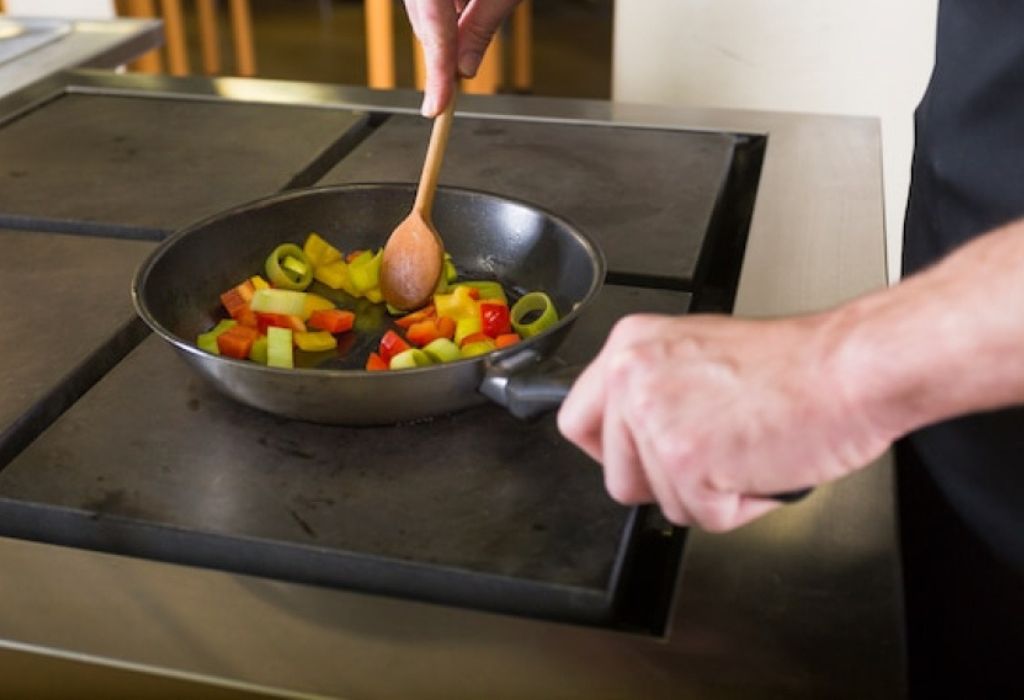
Cast iron cookware provides multiple benefits that make it a preferred choice for health-conscious and practical cooks. Its non-toxic composition ensures safe cooking without the risk of chemical exposure.
Natural Non-Stick Surface develops over time through proper seasoning, reducing the need for synthetic coatings. This makes cooking easier while maintaining a chemical-free environment.
Even Heat Distribution allows consistent cooking, ideal for searing, frying, and slow-cooked dishes. Cast iron retains heat efficiently, enhancing cooking performance for a variety of recipes.
Increased Iron Intake is a unique advantage, as small amounts of iron can leach into food during cooking. This can be beneficial for individuals with iron deficiencies, contributing to a healthier diet.
Durability and Longevity make cast iron a sustainable choice. With proper care, cookware can last decades, minimizing waste and exposure to potentially unsafe materials found in other pans.
Eco-Friendly and Recyclable nature further enhances its appeal. Cast iron reduces the frequency of replacements, contributing to environmentally conscious kitchen practices.
By combining safety, performance, and sustainability, cast iron cookware offers a versatile and reliable option for daily cooking. These benefits make it an attractive alternative to chemical-coated or reactive cookware materials.
Potential Concerns and Considerations
While cast iron cookware is non-toxic and durable, there are factors to consider before purchase. Understanding these helps ensure safe, effective, and convenient use in the kitchen.
Weight is a notable concern, as cast iron is heavier than other cookware types. This can make handling and storage challenging, especially for larger pans or frequent use.
Maintenance Requirements include regular seasoning and careful cleaning to prevent rust. Improper care can lead to sticking, corrosion, and decreased non-toxic performance over time.
Reactivity with Acidic Foods may affect flavor and surface integrity. Bare cast iron can react with tomato, vinegar, or citrus, requiring proper seasoning or the use of enameled varieties to avoid issues.
Cost can vary significantly, particularly for high-quality enameled cast iron. While long-lasting, premium options may involve a higher initial investment compared to stainless steel or aluminum cookware.
Storage Space may be limited due to the size and weight of cast iron cookware. Kitchens with limited storage should plan accordingly to accommodate these pans safely.
By considering these potential drawbacks, consumers can make informed decisions and implement practices to maximize the safety, longevity, and performance of cast iron cookware. Awareness ensures that the cookware remains truly non-toxic and reliable for everyday use.
How to Choose Safe Cast Iron Cookware
Selecting safe cast iron cookware requires evaluating material, coatings, brand reputation, and intended use. Understanding these factors ensures non-toxic performance and long-lasting durability.
Check Material Composition to ensure the pan is made entirely of iron and carbon. Avoid cookware with synthetic non-stick coatings that may contain PFAS or PFOA.
Consider Enameled Options if you plan to cook acidic foods frequently. High-quality enamel provides a non-reactive, non-toxic surface that prevents metal leaching and simplifies maintenance.
Look for Reputable Brands with consistent safety standards. Trusted manufacturers often provide transparent material information and certifications confirming the absence of harmful substances.
Verify Certifications and Safety Labels to ensure compliance with health regulations. Certifications from recognized bodies indicate that the cookware is free from lead, cadmium, and other harmful elements.
Read Consumer Reviews to gain insight into real-world performance and safety. Reviews can highlight issues such as enamel chipping, rust, or uneven seasoning that may affect non-toxic claims.
By following these guidelines, consumers can confidently select cast iron cookware that prioritizes safety, performance, and long-term usability. Making informed choices ensures a truly non-toxic and effective kitchen investment.
Recommended Non-Toxic Cast Iron Brands
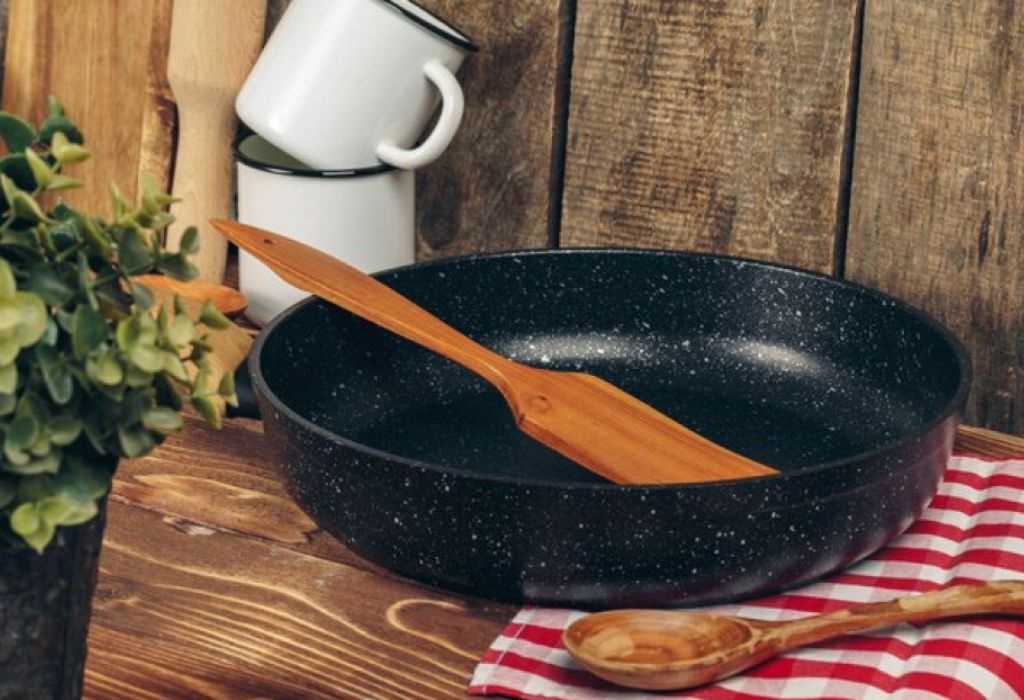
Choosing a reputable brand ensures that cast iron cookware is non-toxic, durable, and high-performing. Trusted brands follow strict safety standards and provide quality materials for long-term use.
Lodge is a well-known American brand offering affordable, high-quality cast iron cookware. Their skillets and Dutch ovens are pre-seasoned and free from synthetic coatings, making them a safe choice for everyday cooking.
Field Company specializes in lightweight, smooth-finished cast iron skillets. Their products focus on sustainability and non-toxic materials while providing excellent heat retention and durability.
Le Creuset produces premium enameled cast iron cookware. The enamel coating is non-reactive and free from harmful chemicals, offering both safety and ease of maintenance for home cooks.
Staub is a French brand known for enameled cast iron cookware. It combines craftsmanship with non-toxic materials, providing reliable performance and a smooth, durable cooking surface.
Selecting cookware from these brands ensures non-toxic performance while meeting high standards for durability and heat retention. Consumers can confidently invest in cast iron cookware that is safe, versatile, and long-lasting.
Conclusion
Cast iron cookware is a non-toxic, durable, and versatile choice for health-conscious home cooks. Its natural composition, free from PFAS and PFOA, ensures safe cooking while supporting long-term use.
Proper maintenance, including seasoning, careful cleaning, and storage, preserves both performance and safety. Enameled and pre-seasoned options provide added convenience for those seeking a low-maintenance, chemical-free surface.
Choosing reputable brands and high-quality materials further enhances non-toxic performance. By understanding the benefits, potential concerns, and maintenance requirements, consumers can enjoy safe, efficient, and effective cooking for years to come.
Cast iron cookware combines health benefits, durability, and cooking versatility, making it a reliable investment for any kitchen. Selecting the right pan ensures a non-toxic, eco-friendly, and enjoyable cooking experience for both everyday meals and special recipes.

I’m Emma J. Caldwell, the founder, lead writer, and home-cooking enthusiast behind KitchenGuideCo.com. With a background in culinary arts and over a decade of cooking experience in both professional and personal kitchens, I created this platform to demystify recipes, offer smart kitchen gadget reviews, and guide readers through meal prep with confidence and clarity.