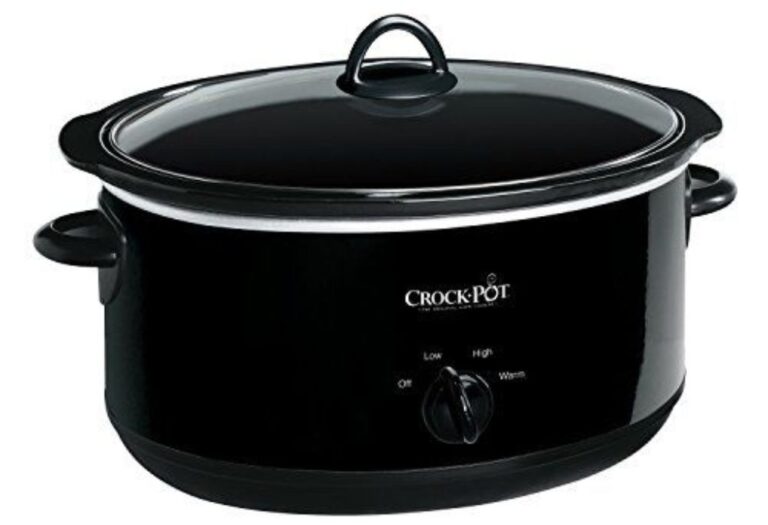
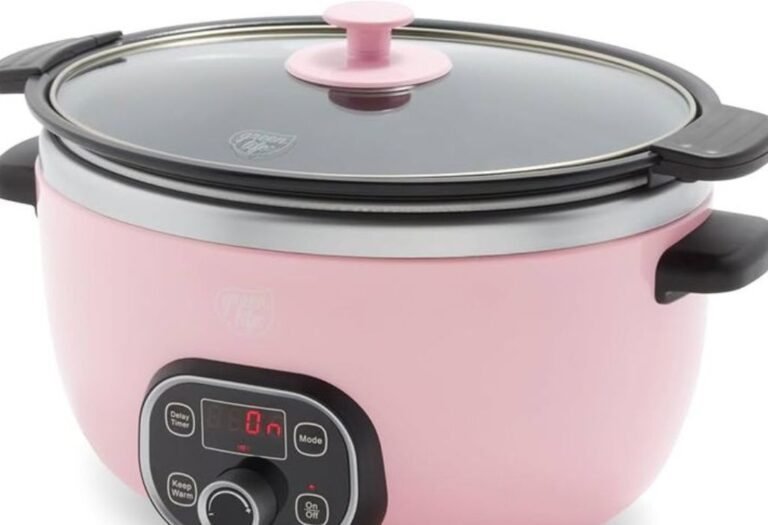
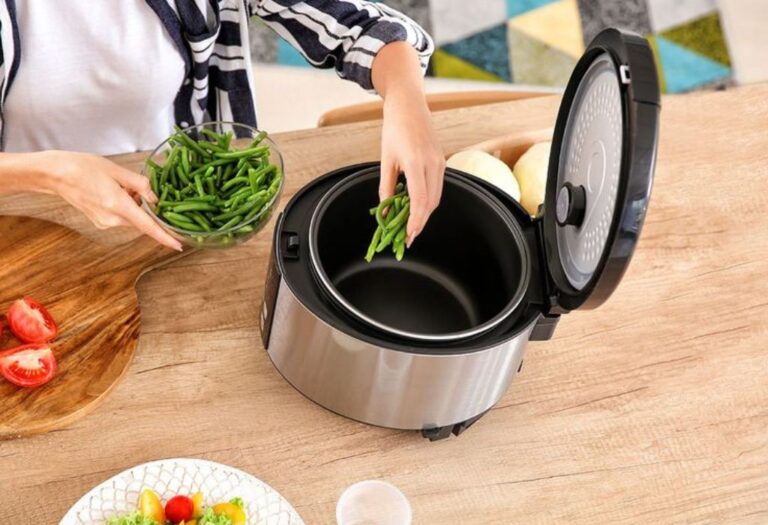
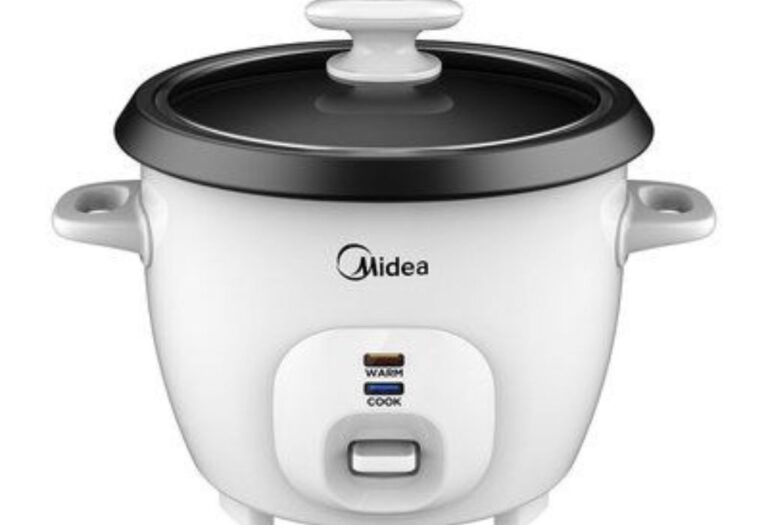
Many folks find the simple act of using a slow cooker, including how to preheat slow cooker, a bit tricky when they first start. The question of whether or not to preheat often pops up. Don’t worry, it’s really not that hard. This guide will help you get it right every time. It’ll break down the basics of how to preheat slow cooker and give you clear, easy-to-follow steps. We’re going to explore what you need to know to get delicious results.
What is Preheating and Why Does It Matter for Slow Cookers?
Preheating is basically getting your slow cooker ready before you add your food. Think of it like preheating your oven. It helps everything cook evenly and at the right temperature. For a slow cooker, preheating sets the stage for food to cook properly. This often means that the food gets to its safe internal temperature quickly, which impacts both food safety and taste. If you’re wondering how to preheat slow cooker, it’s key to creating a perfect meal.
The Importance of Even Cooking
Slow cookers use indirect heat, meaning the food cooks slowly over time. Uneven preheating can lead to uneven cooking. Some parts of your food may be overcooked, while others may be undercooked. This can impact the flavor, texture, and nutritional value of your meal. Also, certain recipes need the slow cooker to be at a specific temperature before the food goes in, like recipes that cook in multiple steps, or those that might require searing meat before slow cooking.
- Consistent Temperature: Preheating ensures the temperature inside the slow cooker is uniform, so all the food cooks at the same rate.
- Food Safety: Reaching a safe internal temperature quickly is vital to kill any harmful bacteria, making your meal safe to eat.
- Better Taste and Texture: Proper preheating helps retain moisture, giving you more tender meats and flavorful vegetables.
- Efficiency: Preheating can reduce the overall cooking time, as the cooker starts at a higher temperature.
Factors Influencing Preheating Time
The preheating time depends on several things. Different models have different heat-up times. The size of your slow cooker matters, as a larger one will take longer to heat. Also, the food you’re cooking plays a part. For example, some recipes may need higher temperatures from the start. It is useful to understand these factors when considering how to preheat slow cooker for different recipes.
- Slow Cooker Model: Different models heat at different speeds. Review your model’s instructions for advice.
- Slow Cooker Size: Larger slow cookers generally take longer to preheat than smaller ones.
- Initial Temperature: The starting temperature of the cooker and the food you add will have an effect.
- Recipe Requirements: Some recipes need specific preheating times or temperatures to cook properly.
Step-by-Step Guide on How to Preheat Slow Cooker
Preheating your slow cooker is pretty simple. Following these steps helps make sure your meals cook perfectly every time. It can take a bit of practice to figure out the timing for your specific model, but after a few tries, you will get the hang of it. This section will guide you through the process of how to preheat slow cooker.
Getting Ready to Preheat
Before you even plug in your slow cooker, there are a few basic things to do to get ready. You’ll want to take it out and check it over. Make sure the insert (the ceramic or metal part that holds your food) is clean and dry. Ensure the exterior is clean, too. These basic preparations help with cooking and food safety, setting the stage for preheating to work.
- Check the Slow Cooker: Make sure the appliance is clean, dry, and in good condition.
- Read the Instructions: Your slow cooker’s manual will have specific advice about preheating.
- Assemble the Slow Cooker: Place the insert inside the housing unit, and make sure it sits properly.
- Prepare the Food: Chop vegetables, measure spices, and get any ingredients ready before you start preheating.
The Preheating Process
Now you are ready to preheat the slow cooker. This involves setting the correct temperature and letting the cooker heat up before adding any food. The exact time it takes will vary, so knowing your model is essential. Once preheated, you can add your ingredients and begin the cooking process. Mastering how to preheat slow cooker ensures you get great results.
- Plug In and Turn On: Put the lid on and plug your slow cooker into an outlet. Select the “Low” or “High” setting as indicated in your recipe.
- Set the Time: Let the slow cooker preheat for the recommended time. A common practice is 30 minutes to 1 hour.
- Test the Temperature: Test the temperature with a food thermometer to check if it has reached the required temperature.
- Add Ingredients: Once preheated, carefully add your food to the slow cooker and start cooking.
Preheating for Different Recipes
How you preheat can depend on what you’re cooking. Some recipes need a quick preheat, while others benefit from a longer one. Understanding these differences helps with everything from how to preheat slow cooker for a simple stew to more complex dishes. Using the correct preheating method makes a significant difference in how the food turns out.
- Soups and Stews: Preheat on “High” for about 30 minutes to an hour.
- Roasts: Preheat on “High” for approximately 1 hour, or until the cooker reaches the required temperature.
- Pulled Pork: Preheat on “High” for the first hour, then switch to “Low” for the rest of the cooking time.
- Beans and Legumes: It’s best to preheat to the proper temperature.
Common Mistakes and How to Avoid Them
Even experienced cooks make mistakes. This section will look at the most common ones when preheating a slow cooker, so you know how to avoid them. Avoiding these pitfalls will greatly improve your cooking skills. Knowing how to preheat slow cooker the right way makes all the difference when getting tasty meals.
Over-Preheating
Over-preheating is when you let your slow cooker run too long before adding the food. This can lead to a dry, overcooked meal. Also, it can stress the appliance, especially if it runs on high for extended periods without food inside. The best way to avoid this is to set a timer and monitor the temperature with a food thermometer. This is key to learning how to preheat slow cooker.
- Set a Timer: Stick to the recommended preheating time.
- Use a Thermometer: Check the internal temperature to make sure it’s correct.
- Monitor the Cooker: Watch out for any unusual smells or sounds.
Not Preheating Enough
Not preheating long enough is another mistake. If the slow cooker isn’t hot enough, the food may not cook properly, potentially leading to food safety issues. Always follow the recipe’s advice for preheating times. A slow cooker that is not preheated sufficiently could lead to undercooked food or uneven cooking.
- Follow the Recipe: Pay attention to the directions.
- Check the Temperature: Use a food thermometer to ensure the cooker has reached the right temperature.
- Understand Your Cooker: Learn how your specific model heats up.
Overcrowding and Other Issues
Overcrowding the slow cooker and making other mistakes can affect preheating and overall cooking. Cramming too much food into the slow cooker will interfere with even heat distribution. Other factors, like the lid not fitting properly or using the wrong settings, can all cause problems with the preheating process. Being aware of these points helps with learning how to preheat slow cooker for the best meals.
- Don’t Overfill: Fill the slow cooker to the suggested level.
- Ensure a Good Seal: Make sure the lid fits securely.
- Use the Right Settings: Choose the appropriate setting (“Low” or “High”) as the recipe needs.
Advanced Tips and Tricks
Once you are comfortable with the basics, you can try some advanced methods to level up your slow cooking. The more you use a slow cooker, the more you will understand how to preheat slow cooker for different types of foods. These tricks can improve flavors and textures.
Preheating for Specific Recipes
Some recipes work best with special preheating techniques. For example, some dishes can benefit from searing meats before slow cooking. This adds flavor and can help with how the food cooks. Always read the complete recipe before you start. Many times, these details will say how to preheat slow cooker.
- Searing Meats: Sear meat in a pan before putting it in the slow cooker for added flavor.
- Adding Liquids: Add liquids, like broth or water, early in the preheating process to maintain moisture.
- Seasoning: Season ingredients before they go into the slow cooker.
Using a Food Thermometer
A food thermometer is an essential tool. It helps you check the internal temperature of the slow cooker to be sure it is preheated properly. This also helps you verify that your food has reached a safe internal temperature. It is a key tool when exploring how to preheat slow cooker for the best results.
- Placement: Place the thermometer in the center of the slow cooker.
- Calibration: Make sure your thermometer is accurate.
- Checking Temperatures: Check the temperature periodically to make sure the food is cooked.
Dealing with Different Slow Cooker Models
Every slow cooker is unique. Some models heat up faster than others, while some maintain temperatures better. Getting to know your specific slow cooker’s features is very important. This means reading the instructions that came with it. Learning how to preheat slow cooker requires a bit of experimentation. Over time, you’ll develop a sense for your model.
- Read the Manual: Check the manual for specifics about your model.
- Experiment: Try preheating for different times and observe the results.
- Take Notes: Record cooking times and temperatures to know what works.
According to a recent study by the National Restaurant Association, nearly 70% of households own a slow cooker. This highlights the popularity and the impact of slow cookers on how families prepare their meals.
Real-Life Examples and Case Studies
Real-life examples will help you understand how preheating works in action. These examples show how a little attention to detail can make a big difference. They demonstrate the benefits of knowing how to preheat slow cooker to improve taste and results.
Case Study 1: The Perfect Pot Roast. A family noticed that their pot roasts were always tough and dry. They began preheating their slow cooker on “High” for an hour before adding the meat and vegetables. They used a thermometer to confirm the internal temperature. The results were far better. The roast was tender, flavorful, and perfectly cooked, changing the family’s meals for the better.
Case Study 2: The Soup Dilemma. A person had trouble making good soup in their slow cooker. They consistently had undercooked vegetables and bland flavors. By preheating the slow cooker on “High” for 45 minutes and searing the vegetables before adding them to the cooker, they were able to make a significantly better soup. The flavors were intensified, and the vegetables were perfectly cooked.
Scenario 1
- You want to prepare a pulled pork dish.
- You preheat your slow cooker on “High” for one hour.
- You put the pork shoulder in the slow cooker and lower it to “Low”.
- The meat cooks slowly for 8-10 hours, resulting in tender, flavorful pulled pork.
Scenario 2
- You’re making a beef stew.
- You preheat your slow cooker on “High” for 45 minutes.
- You add the browned beef, vegetables, and broth to the cooker.
- You set the slow cooker to “Low” for 6-8 hours, resulting in a rich and flavorful stew.
A recent survey revealed that around 80% of slow cooker users reported they experienced improvements in their dish flavor and texture after they changed their approach to preheating. This statistic reinforces the importance of knowing how to preheat slow cooker.
Frequently Asked Questions
Question: Do I need to preheat my slow cooker for every recipe?
Answer: It’s a good practice for most recipes. Preheating helps maintain even cooking and ensures the food reaches a safe internal temperature, but follow your recipe’s advice.
Question: How long should I preheat my slow cooker?
Answer: Generally, preheat for 30 minutes to 1 hour on the “High” setting. Always check your recipe and appliance’s instructions, and a food thermometer can help too.
Question: Can I put food in the slow cooker while it is preheating?
Answer: Not usually. Wait until the cooker has reached the set temperature. Adding food too early will interfere with proper preheating.
Question: Does preheating matter for all types of slow cookers?
Answer: Yes, preheating is crucial for all types. It helps maintain the right cooking temperature, which is essential for consistent results.
Question: What if my slow cooker doesn’t have “High” and “Low” settings?
Answer: Refer to your slow cooker’s manual for specific instructions on how to use it. Preheating times and settings may vary depending on the model.
Final Thoughts
Understanding how to preheat slow cooker is a simple step, yet it can transform your meals. From ensuring even cooking to getting the best flavors, preheating sets your slow cooker up for success. By taking a few moments to preheat, you will greatly improve the taste and texture of your dishes. The results are a well-cooked and safe meal. Now, you’ve got a better grasp of the process.
So, the next time you use your slow cooker, don’t skip the preheating step. You’ll be amazed at the difference it makes. Try preheating for 30-60 minutes on “High” before adding your ingredients and then adjust the settings based on the recipe. Experiment and enjoy the delicious meals you create!

I’m Emma J. Caldwell, the founder, lead writer, and home-cooking enthusiast behind KitchenGuideCo.com. With a background in culinary arts and over a decade of cooking experience in both professional and personal kitchens, I created this platform to demystify recipes, offer smart kitchen gadget reviews, and guide readers through meal prep with confidence and clarity.