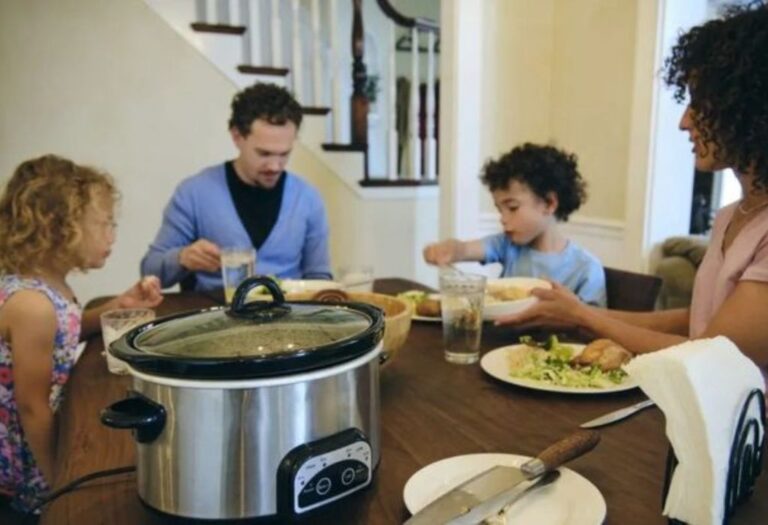
Figuring out why slow cooker cooks too fast can be a headache, especially if you are new to using one. It is a common problem, often leading to overcooked food. But don’t worry! This blog post will simplify things. We’ll explore the reasons behind this issue and present a step-by-step approach to solve it. Keep reading to discover how to achieve perfectly cooked meals every time. Let’s get started!
Reasons Your Slow Cooker Might Be Cooking Too Quickly
The first step in fixing the problem of why slow cooker cooks too fast is figuring out the root causes. There are several factors at play, from the type of slow cooker you own to the ingredients you’re using. Understanding these influences lets you take targeted steps to get better results. Let’s look at some key causes and consider how they impact your cooking.
Variations in Slow Cooker Models
Not all slow cookers are made the same. Different models, brands, and even sizes can have significant variations in their cooking performance. Some older models might run hotter than newer ones, and the temperature settings on a “low” or “high” setting can vary greatly. For instance, a small, 2-quart slow cooker will heat up faster than a large, 8-quart one, simply due to the smaller volume of food and a more concentrated heat source. The materials used in construction, such as ceramic versus metal, also affect how heat is distributed and retained. Knowing your specific model and its tendencies is key to getting the results you want. Consider reading reviews to see what other people have experienced.
- Age of the Slow Cooker: Older slow cookers may not regulate temperature as accurately as newer models. This can lead to higher temperatures on both low and high settings.
- Brand and Model: Different brands design their slow cookers differently. Some heat up faster than others, affecting cooking times. Do some research on your specific model.
- Size of the Slow Cooker: A smaller slow cooker heats up faster. If you’re using a smaller model, adjust cooking times accordingly. The surface area of the heating element impacts the cooking speed too.
- Heating Element Design: The location and design of the heating element within the slow cooker affects how evenly and quickly the food cooks. This can lead to hot spots or faster cooking.
- Temperature Calibration: Some slow cookers aren’t calibrated accurately. Test the temperature with an oven thermometer to verify settings are accurate.
The Impact of Food Quantities
How much food you put in your slow cooker directly impacts cooking speed. Overfilling can mean food takes longer to cook, while underfilling can cause it to cook too fast. A full slow cooker, where the ingredients are packed closely together, tends to cook more slowly as heat needs to penetrate the entire mass. On the other hand, if you’re cooking a small amount in a large slow cooker, the food may cook faster because the empty space allows heat to circulate more freely, leading to quicker cooking times. The type of ingredients and their water content also influence how fast the food cooks. Vegetables with high water content, for example, might release more liquid, changing the cooking environment.
- Overfilling: Overfilling a slow cooker can cause it to cook food more slowly. The ingredients need more time to heat up. This is less likely to make it cook faster, but you might think it’s cooking too fast as the outsides burn before the insides are done.
- Underfilling: If you use too little food, the cooker may reach the right temperature more quickly, resulting in faster cooking times.
- Ingredient Density: The density and composition of your ingredients matter. Denser foods like meat cook slower than softer vegetables.
- Ingredient Water Content: High-water-content ingredients will impact the cooking environment, potentially influencing the speed at which food cooks.
- Food Placement: Where you place food matters. Items touching the sides of the slow cooker might cook faster than those in the center.
Ingredients and Their Characteristics
The ingredients themselves are a major factor in determining how quickly a slow cooker cooks food. Different foods have varying cooking times, due to factors like density, moisture content, and the way they react to heat. For example, lean meats cook faster than tougher cuts because they have less fat. Vegetables also have different cooking times, with some, like potatoes and carrots, taking longer than others, like zucchini or spinach. Added liquids, like broths or sauces, affect the cooking environment. They influence how heat is distributed and absorbed. The sugar content in ingredients also matters; higher sugar content can lead to quicker browning and potential burning if not managed properly. Even the size to which you cut ingredients plays a role.
- Meat Types: Lean meats cook faster than tougher cuts. Fattier cuts tend to take longer.
- Vegetable Types: Some vegetables cook faster than others. Potatoes, carrots, and other root vegetables need more time than leafy greens.
- Added Liquids: The amount and type of liquid (broth, water, etc.) can impact cooking times and speeds. Liquids affect heat distribution.
- Sugar Content: Ingredients high in sugar can caramelize and burn quickly. They need attention to ensure they do not cook too fast.
- Ingredient Size: How you cut ingredients affects cooking. Smaller pieces cook faster than large chunks.
Adjusting for Faster Cooking: Practical Solutions
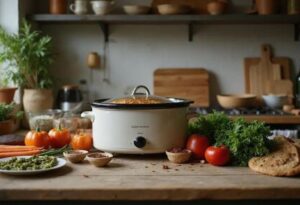
Now that we’ve looked at the reasons for faster cooking, let’s explore ways to fix it. These solutions cover temperature adjustments, how you prep your food, and other practical tips. These strategies give you more control over the slow cooking process and help you get perfect results.
Managing Heat Settings and Times
One of the most immediate fixes for a slow cooker cooking too fast is to manage the heat settings and cooking times. Most slow cookers offer low, high, and sometimes warm settings. Using the low setting is typically the safest bet to avoid overcooking, especially if you have a model that tends to run hot. Start with the lower setting and adjust the cooking time. It’s almost always better to cook longer on a lower setting than to risk overcooking on a higher one. Remember, you can always add time, but you cannot easily undo overcooked food. The recipe’s estimated time is a good starting point, but consider your slow cooker model, the ingredients, and the amount of food.
- Use Lower Settings: Always start with the low setting, even if the recipe calls for high. This helps prevent overcooking.
- Reduce Cooking Times: Adjust cooking times. If your slow cooker runs hot, reduce the recipe’s recommended time by an hour or more.
- Check the Food: Start checking for doneness early, especially for meats. Use a meat thermometer to ensure that food reaches the proper internal temperature.
- Experiment Gradually: Adjust cooking times in small increments until you find the right balance for your slow cooker. It might take a few tries.
- Consider the Warm Setting: The warm setting is a good option for keeping food at a safe temperature after it’s cooked without overcooking it further.
Food Preparation Techniques
The way you prep your food significantly impacts how fast it cooks in a slow cooker. You can slow down the cooking process by using larger chunks of meat and vegetables. This reduces the surface area exposed to heat, resulting in slower cooking. Searing meat before slow cooking adds flavor and helps it retain moisture, which can also influence the cooking time. The amount of liquid added plays a role too, as it affects heat distribution. Adding too much liquid can dilute flavors, while too little can lead to scorching. Pre-heating your slow cooker is not typically needed; however, the way you layer ingredients matters. Put denser items, like root vegetables, at the bottom, so they cook fully.
- Cut Larger Pieces: Larger chunks of meat and vegetables cook slower than smaller pieces.
- Sear Meat First: Searing the meat before adding it adds flavor and can help retain moisture, affecting cooking time.
- Adjust Liquid Levels: Use the right amount of liquid to cover ingredients without overdoing it. This impacts the cooking time.
- Layer Ingredients Properly: Put tougher ingredients at the bottom to cook evenly. Softer foods go on top.
- Avoid Overcrowding: Don’t fill your slow cooker too much. This affects how the food cooks and can cause uneven cooking.
Additional Strategies for Optimal Results
Beyond heat and food prep, there are other strategies to make sure your slow cooker cooks perfectly. Using a slow cooker liner can help prevent food from sticking and burning, also making cleanup easier. If you find your slow cooker consistently cooks too fast, consider a temperature probe. This will give you a more accurate reading of the internal temperature, letting you adjust the cooking settings accordingly. Some slow cookers come with a timer that automatically switches to a warm setting once the cooking time is over. This is useful for preventing overcooking, especially if you won’t be around to monitor the cooker. If you are experimenting with new recipes, keep detailed notes about your results.
- Use Liners: Using a slow cooker liner can prevent food from sticking and burning, and make cleanup simple.
- Use a Meat Thermometer: Monitor internal temperatures with a meat thermometer. This tells you when your food is done.
- Invest in a Programmable Slow Cooker: These cookers have timers, automatically switching to a warm setting when done.
- Keep Detailed Notes: Track your cooking results. Note the cooking times, settings, and outcomes of your recipes.
- Stir Occasionally: Stirring helps ensure even cooking, especially for dishes with multiple components. However, don’t lift the lid too often.
Troubleshooting Common Problems
Even with the best techniques, issues can happen. Let’s look at some problems you might encounter and how to fix them. These solutions will help you manage common issues and get the best results from your slow cooker.
Dealing With Overcooked Meat
Overcooked meat is a common result of a slow cooker cooking too fast. Tough cuts of meat, like chuck roast or pork shoulder, can turn dry and chewy if cooked for too long. To fix this, always start with a low setting. Also, it helps to check the meat with a meat thermometer to ensure that it has reached the ideal internal temperature. If the meat is already overcooked, you can still salvage it by shredding it and adding a sauce or broth. This helps to rehydrate the meat and restore some moisture. If you add vegetables, add them later in the cooking process.
- Recognize Overcooking: Dry, tough meat is a key sign of overcooking.
- Use a Meat Thermometer: Verify the internal temperature of the meat. This will help you know when it’s done.
- Add Liquid: If the meat is overcooked, shred it and add broth or sauce to rehydrate it.
- Reduce Cooking Times: For future cooks, decrease cooking times.
- Adjust Heat Settings: Try a lower heat setting next time.
Addressing Scorching and Burning
Scorching or burning at the bottom of the slow cooker can happen if it is cooking too fast or if there isn’t enough liquid. This often occurs with sauces or dishes that have a high sugar content. To prevent burning, add a layer of vegetables, like onions and carrots, at the bottom of the cooker before adding meat or other ingredients. Make sure there is enough liquid in the recipe, and avoid lifting the lid too often, as this releases heat and can disrupt the cooking process. If scorching has occurred, carefully remove the food, trying not to scrape the bottom of the cooker. Next time, consider using a liner to protect the bottom of the cooker, or reduce the cooking time.
- Identify the Cause: Check if there is enough liquid. Also, check to see if the heat is too high.
- Use a Liner: Slow cooker liners help prevent food from sticking to the bottom.
- Add Vegetables: Place vegetables at the bottom as a protective layer.
- Monitor Liquid Levels: Ensure there is enough liquid to keep the food moist and prevent scorching.
- Stir Regularly: Stir the food to prevent burning. However, be careful not to lift the lid too often.
Tackling Uneven Cooking
Uneven cooking occurs when some parts of the food are fully cooked while others are not. This can be caused by the slow cooker’s design, how you arrange the ingredients, or even the temperature settings. To get even cooking results, make sure you arrange the ingredients in the cooker evenly. Place the denser ingredients, like root vegetables, at the bottom. Try to avoid overcrowding the cooker, as this can prevent heat from circulating properly. Stir the food occasionally to help distribute the heat and cook it evenly. If your slow cooker has hot spots, try rotating the food or shifting it during the cooking process.
- Layer Ingredients: Put denser items at the bottom.
- Avoid Overcrowding: Too much food can cause uneven cooking.
- Stir Regularly: Stir to distribute heat. However, avoid opening the lid.
- Rotate Food: If your cooker has hot spots, rotate the food occasionally.
- Check for Evenness: Check for evenness during cooking. Adjust cooking times based on what you see.
How to Test Your Slow Cooker’s Temperature
To fully address why slow cooker cooks too fast, you should test your slow cooker’s temperature. It is critical to make sure the slow cooker is heating as it should. This lets you know whether the settings on the device are accurate. It also can reveal potential problems, like a faulty thermostat. Testing also helps you understand how your slow cooker functions, and that leads to consistent and delicious outcomes. This also helps you tailor your recipes and cooking times for your slow cooker’s unique characteristics.
Using an Oven Thermometer
The best way to test your slow cooker’s temperature is with an oven thermometer. Place the thermometer in the slow cooker, then turn it on. Make sure the thermometer’s tip isn’t touching the sides or the bottom of the cooker. Set the slow cooker to low. Let it heat for about 30 minutes, and then check the reading on the thermometer. Repeat this process on the high setting. Compare the results with the recommended temperature settings for the cooker. If there is a big difference between the thermometer reading and the settings, it shows you that your slow cooker may need to be repaired or replaced.
- Get an Oven Thermometer: You can find these in most kitchen supply stores.
- Position the Thermometer: Place the thermometer in the slow cooker so it is not touching the sides or bottom.
- Test on Low: Set the slow cooker to low for 30 minutes, and then check the temperature.
- Test on High: Repeat the test on the high setting.
- Compare Readings: Compare the temperatures to what’s considered normal for your cooker.
Interpreting the Results
After testing, you should compare the temperature readings with the standard temperatures of a slow cooker. Generally, the low setting should be between 170°F and 180°F (77°C to 82°C), while the high setting should be around 280°F to 300°F (138°C to 149°C). If your cooker consistently runs hotter, adjust your cooking times. If your slow cooker doesn’t reach these temperatures, it may be a sign of a problem. A slow cooker that is not reaching the right temperature may not cook your food safely. If you find significant deviations from these temperature ranges, it might be time to consider getting your slow cooker serviced or replaced.
- Low Setting Temperature: Typically, 170°F to 180°F (77°C to 82°C) is ideal for the low setting.
- High Setting Temperature: The high setting usually falls between 280°F to 300°F (138°C to 149°C).
- Compare Readings: Review the results of your temperature test.
- Adjust Cooking Times: If it runs hotter, shorten the cooking times.
- Seek Professional Help: If temperatures are significantly off, consult a repair technician.
When to Consider Slow Cooker Replacement
Knowing when to replace your slow cooker is a must. If it consistently overcooks food, even after adjusting settings and cooking times, this could be a sign of a faulty thermostat or heating element. If the slow cooker shows any physical damage, such as cracks in the ceramic pot or damage to the heating element, it should be replaced immediately. If your slow cooker is very old, it might not have the safety features or temperature controls of newer models. If you see signs of wear and tear, and you’ve tried all the troubleshooting steps, it is time to buy a new one.
- Overcooking Issues: When you consistently get overcooked food, it may be time for a replacement.
- Physical Damage: Cracks in the ceramic pot, a damaged cord, or other physical issues can signal it is time for a new one.
- Outdated Features: New models may have better temperature control and safety features.
- Age of the Appliance: Consider the age of your appliance. Older slow cookers may be less efficient.
- Repair Costs: If repair costs are similar to replacement costs, replacing it is often a good option.
Frequently Asked Questions
Question: Why is my slow cooker burning food on the bottom?
Answer: Burning on the bottom can happen if the slow cooker cooks too fast. It’s often due to too much heat or not enough liquid. Make sure there is enough liquid in your recipe and try using the low setting.
Question: Can I put frozen food in my slow cooker?
Answer: Yes, you can add frozen food, but you must add extra cooking time. Frozen meats need more time to cook than fresh ones. Ensure the internal temperature reaches a safe level.
Question: How can I keep my food from drying out in the slow cooker?
Answer: Use enough liquid in your recipe and avoid lifting the lid during cooking, as this releases heat and moisture. Use the low setting and check the food’s moisture levels.
Question: Does the size of the slow cooker matter?
Answer: Yes, the size affects how quickly food cooks. A smaller slow cooker heats up faster. Use a slow cooker that’s the right size for the amount of food.
Question: How do I know when my food is done in the slow cooker?
Answer: Use a meat thermometer to make sure meat has reached its safe internal temperature. You can also check for doneness by the texture of the food. Vegetables should be soft.
Final Thoughts
Dealing with a slow cooker that cooks too quickly can be a problem, but it is one that you can solve. We’ve explored the most common reasons, like variations in models, food amounts, and ingredient characteristics. We’ve also examined practical solutions, ranging from using lower heat settings and adjusting cooking times to food prep techniques and troubleshooting. Now you are better equipped to enjoy perfectly cooked meals. Remember, it is a process of learning, experimentation, and paying attention to detail. So, grab your slow cooker, try these tips, and enjoy the delicious meals you’ll create!

I’m Emma J. Caldwell, the founder, lead writer, and home-cooking enthusiast behind KitchenGuideCo.com. With a background in culinary arts and over a decade of cooking experience in both professional and personal kitchens, I created this platform to demystify recipes, offer smart kitchen gadget reviews, and guide readers through meal prep with confidence and clarity.