Thinking about whether is slow cooker energy efficient is a common question, especially for those new to kitchen appliances. It’s easy to feel a bit confused with all the different types and features. Don’t worry, figuring this out doesn’t have to be hard! We’ll explore the energy usage of slow cookers and compare them to other cooking methods. Get ready to discover how to cook delicious meals while keeping your energy bills lower, starting right now.
Energy Efficiency: Slow Cookers Versus Other Appliances
The energy efficiency of different appliances can have a big impact on your monthly bills. It’s useful to compare slow cookers to other kitchen appliances like ovens, microwaves, and stovetops. Each appliance uses electricity at different rates, affecting how much energy you use to cook a meal. Understanding these differences can help you make smart choices that will save you money. Let’s explore how slow cookers stack up against the competition.
Watts and Usage: Measuring Energy Consumption
When you look at appliance energy use, you will see a measurement called wattage. Wattage tells you how much power an appliance uses. A higher wattage means more electricity is used. Slow cookers typically use a low wattage, like 75 to 150 watts on their low setting, and around 150 to 200 watts on high. In contrast, ovens can use between 2000 to 5000 watts! That is a significant difference. Microwaves fall in the middle, generally using 600 to 1200 watts. Stovetops, depending on the burner and setting, also use a lot of power. This information will help you understand the power of your cooking appliances.
- Wattage Explained: Wattage is a measurement of electrical power, expressed in watts (W). It shows how much energy an appliance uses per unit of time. The higher the wattage, the more electricity the appliance consumes.
- Slow Cooker Wattage: Slow cookers have relatively low wattage, typically ranging from 75 to 200 watts. This low power consumption is one reason they are considered more energy efficient than some other cooking methods.
- Oven Wattage: Ovens consume considerably more power, with wattages between 2000 and 5000 watts. The large size and heating elements contribute to their higher energy usage.
- Microwave Wattage: Microwaves usually operate between 600 and 1200 watts. They are generally more energy-efficient than ovens but less efficient than slow cookers.
Cooking Times: The Impact on Efficiency
Another thing to consider is how long each appliance takes to cook. Slow cookers often run for many hours. While the wattage is low, the extended use can influence energy consumption. Ovens, on the other hand, cook faster, but their higher wattage means they use a lot more energy per hour. Microwaves offer the fastest cooking times, using energy in short bursts, which can make them quite efficient for certain tasks. Comparing cooking times can give you a clear picture of an appliance’s overall energy use.
- Long Cooking Times: Slow cookers work over long periods, often 4 to 10 hours or more. This means they are using energy for an extended duration.
- Shorter Cooking Times: Ovens cook food in less time than slow cookers, typically from 30 minutes to a few hours. However, the higher wattage offsets this shorter time.
- Microwave Speed: Microwaves are usually very fast, with cooking times measured in minutes. This quick cooking can be energy efficient.
- Impact of Time and Power: The combination of wattage and time determines total energy use. Even if the wattage is low, longer cooking times can still add up.
Real-World Comparisons
Let’s look at a few scenarios. Imagine you’re making a roast. A slow cooker might take 6-8 hours on low. An oven, preheated to 350°F (175°C), might cook the same roast in 2-3 hours. A microwave, suitable for some smaller cuts, would be even faster. The oven’s higher wattage means it uses more energy per hour than the slow cooker, but the slow cooker’s extended cooking time could mean it uses a comparable amount of total energy. Let’s look at another example: making a casserole. You might cook this in an oven for 45 minutes or in a slow cooker for 4-6 hours. These real-world comparisons will help you choose the most energy-smart option for each meal.
How Is Slow Cooker Energy Efficient Cooking Achieved?
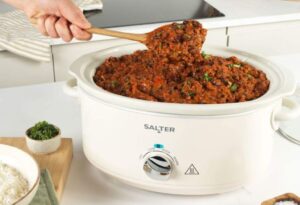
Slow cookers use clever design features to reduce energy use. The key is in how they cook food: they use low heat for a long time. This is different from how ovens and stovetops work, which use high heat. A slow cooker also has a well-insulated design, which helps keep the heat in and doesn’t let it escape. Let’s explore the design elements that contribute to the slow cooker’s energy-saving qualities.
Insulation and Heat Retention
Slow cookers are built with materials that trap heat effectively. The crock pot, which holds the food, is usually made from ceramic or stoneware. These materials are good at retaining heat. The outer casing is often made of metal or plastic, which provides insulation. The lid fits snugly to stop heat from escaping. This efficient insulation minimizes heat loss, keeping the appliance from having to work harder to maintain its temperature. This design aspect is one of the main factors behind its energy-saving capabilities.
- Ceramic or Stoneware Crock: The cooking pot, typically made of ceramic or stoneware, stores and spreads heat evenly. This allows food to cook consistently.
- Insulated Casing: The outer part of the slow cooker often has insulated materials like metal or plastic. This keeps heat inside and reduces the need for constant heating.
- Tight-Fitting Lid: A lid that seals securely is critical. It helps to trap heat, minimizing heat loss and allowing food to cook evenly.
- Low and Slow Heating: The basic cooking principle is using low heat over a longer time. This method works at a lower energy level.
Cooking Method and Energy Consumption
The cooking style of a slow cooker uses less power compared to other methods. Because the heat is low and consistent, the appliance doesn’t need a lot of energy. Unlike ovens, which need a lot of power to reach a set temperature quickly, slow cookers gently cook food over a long period. This style is also helpful because food doesn’t burn as easily, and you usually don’t need to open the lid, which could release heat. The “low and slow” method is a major reason why slow cookers are energy efficient.
- Low Heat Operation: Slow cookers cook at low temperatures, generally between 170°F and 300°F (77°C and 149°C). This low heat requires less energy to maintain.
- Consistent Temperature: The slow cooker maintains a consistent temperature throughout the cooking process.
- Reduced Heat Loss: A tightly sealed lid keeps heat inside. This reduces energy waste.
- No Preheating: Unlike ovens, slow cookers don’t require preheating, saving energy right from the start.
The Impact of Energy-Saving Cooking
Choosing an energy-efficient appliance can make a big difference, especially if you cook often. Using a slow cooker more often can reduce your energy bills. This also helps the environment, as you’re using less electricity overall. Small changes in how you cook can make a big impact on your energy usage over time. Slow cookers are great if you want to cook efficiently while also making tasty meals.
Energy Efficiency Factors Influencing Slow Cooker Effectiveness
Different aspects affect how energy efficient a slow cooker is. The size of the slow cooker plays a role. Also, how you use it and how you take care of it impact energy use. Understanding these factors can help you make the most of your slow cooker. Let’s explore how these different things affect your slow cooker’s efficiency.
Appliance Size and Energy Use
The size of your slow cooker influences its energy consumption. A larger slow cooker has a bigger heating element and a larger pot to heat. Because of this, larger slow cookers generally use more energy than smaller ones. If you only need to cook a small amount of food, using a smaller slow cooker will be more energy-efficient. Choosing the right size for your meals will ensure you are using the minimum amount of energy needed. Don’t choose a large slow cooker if you’re only making a small dish, because that means more energy use.
- Heating Element Size: Larger slow cookers have more powerful heating elements to heat the bigger capacity. These elements consume more electricity.
- Pot Volume: A bigger cooking pot takes longer to heat. It also needs more energy to maintain the desired temperature.
- Matching Food to Appliance Size: Always match the size of your slow cooker to the quantity of food you’re cooking. This strategy improves energy usage.
- Energy Conservation: Using the correct-sized slow cooker helps in conserving energy. It avoids wasting power heating an empty or partially filled pot.
Usage Habits and Energy Efficiency
How you use your slow cooker also impacts energy efficiency. Opening the lid during cooking lets heat escape, making the appliance work harder to maintain temperature. Preheating isn’t needed for slow cookers, so you can set it and forget it. Don’t add extra ingredients unless absolutely needed, because that will cause you to open the lid. Regular maintenance will also help. Following these simple steps will help you use your slow cooker in the most energy-saving way.
- Lid Maintenance: Avoid lifting the lid while cooking. Each time you lift the lid, heat escapes, extending the cooking time and increasing energy consumption.
- Avoid Overfilling: Do not overfill the slow cooker, as this can affect cooking times and evenness. Follow the manufacturer’s directions.
- Maintenance: Keep the slow cooker clean and in good working condition. A well-maintained appliance operates more efficiently.
- Timing and Settings: Pick the right cooking time and settings (low or high) based on your recipe and the food you’re cooking.
Energy-Saving Tips for Slow Cooker Owners
There are simple steps you can follow to use your slow cooker more efficiently. Making sure the slow cooker is placed on a flat, stable surface helps to make sure it heats evenly and efficiently. Make sure the lid fits correctly to help keep the heat in. Also, consider the size of your meals. Try to plan your meals to match the slow cooker size. These small changes can really add up, leading to lower energy use.
- Positioning: Place your slow cooker on a flat, level surface away from drafts. This allows for even heating and reduces energy waste.
- Lid Security: Make sure the lid fits tightly to reduce heat loss.
- Meal Planning: Plan your meals to fit your slow cooker. Avoid using a large slow cooker for small meals to conserve energy.
- Timing: Use the “keep warm” setting sparingly. Turning off the slow cooker once food is cooked will save more energy.
The Environmental Impact of Slow Cooker Usage
Using slow cookers can have a positive effect on the environment. Slow cookers use less energy than ovens, which cuts down on greenhouse gas emissions. This is helpful in reducing your carbon footprint. Energy-efficient cooking is a small way to help the environment. If more people switch to slow cookers, it can create a big difference. Let’s see how slow cookers play a role in lessening our environmental impact.
Reducing Energy Consumption and Environmental Benefits
Slow cookers use less energy, which leads to lower greenhouse gas emissions. When you use less electricity, you reduce the demand on power plants. Power plants often use fossil fuels like coal, which release carbon dioxide (CO2). By using energy-efficient appliances like slow cookers, you help decrease your personal impact on the environment. These actions, even small ones, contribute to a healthier planet. Think of it as a small action for a big environmental impact.
- Lower Emissions: Slow cookers consume less electricity than ovens. Less energy use means fewer greenhouse gas emissions, reducing the overall carbon footprint.
- Reduced Reliance on Fossil Fuels: By using less electricity, you decrease the demand for energy generated by fossil fuels.
- Contribution to Sustainability: Using slow cookers supports the idea of sustainability. It is about reducing waste and using resources more efficiently.
- Long-Term Environmental Impact: Over time, using slow cookers can have a significant environmental impact. It will contribute to a more sustainable future.
Comparing Slow Cookers to Other Cooking Methods
Compared to other cooking methods, slow cookers stand out for their energy efficiency. Ovens and stovetops use a lot more energy. Microwaves can be more energy efficient for certain tasks but don’t always offer the same versatility as a slow cooker. The slow cooker’s low and slow approach is a major benefit. These differences make slow cookers an eco-friendly option for home cooking. The key takeaway is that slow cookers are a greener way to cook compared to many other popular cooking appliances.
- Oven vs. Slow Cooker: Ovens often consume significantly more energy than slow cookers. Ovens typically require higher wattage and longer cooking times.
- Stovetop vs. Slow Cooker: Stovetops are less energy efficient because of the high power required to heat the cooking surface. Slow cookers, however, use much lower power.
- Microwave vs. Slow Cooker: Microwaves are more energy efficient for fast cooking but can’t handle long-duration cooking. Slow cookers excel in slow, even cooking.
- Overall Efficiency: Slow cookers are often the most energy-efficient option for many types of cooking. It makes them a great choice for eco-conscious cooks.
Making Sustainable Cooking Choices
You can make your cooking practices even greener. Choosing energy-efficient appliances like slow cookers is a great start. Eating more plant-based meals, or cutting down on meat consumption, also lowers your carbon footprint. You can further reduce waste by using reusable containers for food storage and leftovers. Every small step helps. By focusing on sustainable practices, you can enjoy delicious meals while helping to protect the environment. These simple changes collectively make a big difference.
Frequently Asked Questions
Question: Does preheating a slow cooker use energy?
Answer: No, unlike ovens, slow cookers do not need preheating. You just put the food in and turn it on.
Question: How can I reduce energy use when using a slow cooker?
Answer: Use the right-sized slow cooker for your meal, avoid lifting the lid, and cook meals with the keep-warm setting only when needed.
Question: Are all slow cookers energy efficient?
Answer: Most slow cookers are energy efficient, but some may have features that affect their energy consumption. The size also plays a big role.
Question: Is it cheaper to cook with a slow cooker than with an oven?
Answer: Generally, yes, because slow cookers use less wattage over a longer period. An oven uses a lot more energy in a short amount of time.
Question: Can I cook anything in a slow cooker?
Answer: You can cook many different kinds of food, from meats and stews to soups and desserts. It’s great for dishes that benefit from long, slow cooking.
Final Thoughts
Using a slow cooker is a great move if you’re looking to cook efficiently in your kitchen. We’ve explored how is slow cooker energy efficient by comparing them to other appliances, focusing on wattage, cooking times, and design. You learned that slow cookers save energy because they cook food slowly with low heat and good insulation. Factors like appliance size and how you use your slow cooker also make a big impact on energy use. Plus, using your slow cooker can make a positive difference for the environment. So, next time you are cooking, consider using your slow cooker more often. You will be saving money, saving energy, and eating delicious food. Start slow cooking and enjoy the benefits today!

I’m Emma J. Caldwell, the founder, lead writer, and home-cooking enthusiast behind KitchenGuideCo.com. With a background in culinary arts and over a decade of cooking experience in both professional and personal kitchens, I created this platform to demystify recipes, offer smart kitchen gadget reviews, and guide readers through meal prep with confidence and clarity.