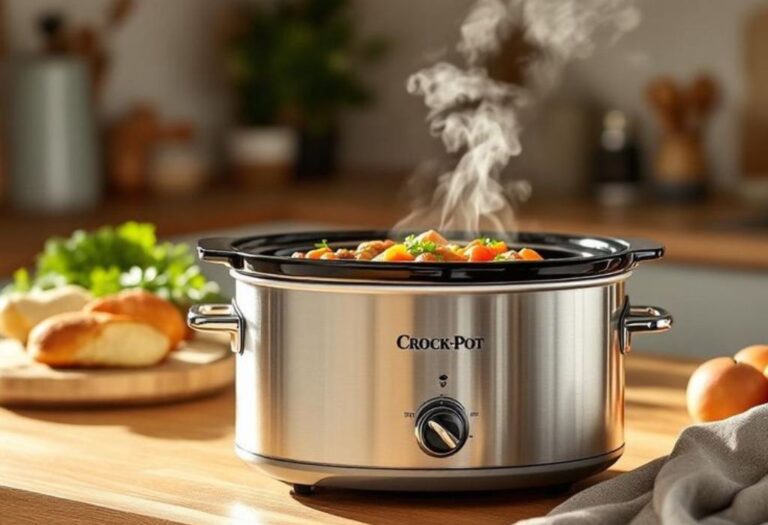
Having a slow cooker not turning on is something many people run into. It’s frustrating when you’re looking forward to a delicious meal and your appliance doesn’t cooperate. Beginners often struggle because they might not know where to start. Don’t worry, though! We’ll walk you through a few simple steps to troubleshoot the issue. We’ll explore the common problems and how to get your slow cooker cooking again.
Checking the Power Supply
The very first step is checking the power source. This might seem obvious, but it’s often the simplest cause of a slow cooker not turning on. Faulty outlets or loose connections are more common than you might think, and can easily prevent your appliance from working.
Examining the Outlet
First, inspect the outlet your slow cooker is plugged into. Look for any visible damage, such as cracks or burnt areas. If you see anything unusual, do not use the outlet. Instead, contact a qualified electrician to assess the situation. Sometimes, an outlet might seem fine but still fail to provide power. It’s easy to overlook this, but it’s important to make sure it’s working properly before proceeding further.
-
- Test Another Appliance: Plug another appliance, like a lamp or a phone charger, into the same outlet. If the other appliance doesn’t work, the outlet is likely the problem.
This simple test quickly tells you if the issue lies with the outlet. If the second appliance works, the outlet is fine and you can move on to other possible causes.
-
- Use a Different Outlet: Try plugging the slow cooker into a different outlet in your home.
If the slow cooker works in a different outlet, the original outlet is likely the source of the problem. This can eliminate doubts about the appliance itself.
-
- Check for a Tripped Circuit Breaker: Locate your home’s circuit breaker panel and examine the breakers. If any breaker has been tripped (usually indicated by its position being different from the others), reset it.
Sometimes, a slow cooker can draw a lot of power, tripping a circuit. Resetting the breaker might solve the problem and get your appliance going.
Inspecting the Cord and Plug
Next, carefully examine the slow cooker’s power cord and plug. Look for any damage such as cuts, frays, or exposed wires. These can create safety hazards and prevent power from reaching the appliance. Even a slight imperfection can disrupt the flow of electricity, and cause problems. These problems are easier to spot when you are looking for them specifically.
-
- Look for Visible Damage: Run your fingers along the entire length of the cord, feeling for any cuts, abrasions, or kinks. Inspect the plug for damage or loose connections.
Physical damage to the cord is a common reason for appliance failure. Always use caution when inspecting the cord and plug.
-
- Check for a Loose Plug Connection: Make sure the plug fits securely into the outlet. A loose connection can interrupt the power supply.
A loose plug can sometimes slip out or lose contact with the outlet’s prongs. This simple check can save time on more complex diagnostics.
-
- Consider a Replacement Cord: If the cord is damaged, do not use the slow cooker. You can either replace the cord or, preferably, the entire appliance.
Using a damaged cord can be dangerous. It’s often safer to get a new slow cooker to avoid risks.
Checking the Slow Cooker Components
If the power supply seems fine, the problem might be inside the slow cooker itself. Problems can arise from a number of places within the appliance’s inner workings. It’s a good idea to check these components to see if that solves the slow cooker not turning on issue.
Examining the Control Panel
The control panel is the “brain” of your slow cooker. It is how you set the settings and operate the appliance. Often this panel is the source of many problems. It can be susceptible to wear and tear. It can also be affected by issues like moisture or overheating.
-
- Check the On/Off Switch: Make sure the switch is in the “on” position. Sometimes, the switch might not be fully engaged.
It’s easy to overlook, but double-checking the switch is a necessary first step.
-
- Inspect the Timer and Temperature Settings: Verify that the timer and temperature settings are correctly set.
These settings are how you operate the appliance. They can be a source of confusion.
-
- Look for Display Indicators: Observe the display for any error messages or unusual behavior.
These messages are helpful, and provide key clues about what is going on. They can help you to get your slow cooker back in action.
Inspecting the Heating Element
The heating element is the part of the slow cooker that generates heat. If this element malfunctions, the appliance won’t heat up, even if the power is on. Damage or buildup can prevent it from working as intended. A visual inspection of the heating element can sometimes reveal problems.
-
- Look for Visible Damage: Carefully inspect the heating element for any signs of damage, such as cracks, breaks, or corrosion.
Obvious damage to the element indicates a serious problem. It should be replaced or the entire unit discarded.
-
- Check for Continuity: Use a multimeter to test the heating element for continuity. If there is no continuity, the element is likely faulty and needs replacement.
A multimeter is a useful tool for this test, but it is best left to someone experienced in electrical work.
-
- Consider a Replacement Element: If the heating element is damaged or does not pass the continuity test, it may need to be replaced. Replacing the entire appliance might be more cost-effective.
Element replacements can be complicated. Replacing the whole appliance could be a better choice.
Dealing With Overheating and Safety Features
Many slow cookers have built-in safety features to prevent overheating. These features are essential. If your slow cooker not turning on, it might be due to a safety mechanism that has been triggered. It’s wise to examine these features.
Understanding Overheat Protection
Overheat protection is a safety feature that shuts off the slow cooker if it gets too hot. This can be triggered by several things, such as an empty pot, or a faulty heating element. It prevents potential damage and safety hazards.
-
- Allow the Cooker to Cool Down: If the slow cooker has overheated, let it cool down completely before attempting to use it again.
Allowing the cooker to cool helps it reset and prevents damage or injury.
-
- Check the User Manual: Consult your slow cooker’s user manual for specific instructions on how to reset the overheat protection.
User manuals are great resources for these types of appliance problems.
-
- Inspect for Blockages: Ensure that the vents are not blocked. Blocked vents can cause overheating.
Keep these vents clear for airflow so the appliance can operate safely.
Safety Mechanisms and Their Impact
Modern slow cookers include other safety features besides overheat protection. These include automatic shut-off and thermal fuses. These mechanisms are designed to prevent accidents. However, if they are triggered, they can stop the appliance from functioning.
-
- Automatic Shut-Off: Some slow cookers have an automatic shut-off feature that activates if the cooker is left on for an extended period.
This is a safety measure to prevent accidents. Check your manual for how the shut off works.
-
- Thermal Fuses: Thermal fuses are safety devices that cut off power to the heating element if the temperature becomes too high.
These fuses can be difficult to replace. If one has blown, it is best to consider replacing the whole appliance.
-
- Dealing with Tripped Mechanisms: If any of these safety mechanisms have been triggered, the slow cooker may not turn on. You might need to contact the manufacturer to see if the appliance can be repaired or replaced.
Appliance repairs can be tricky. It may be easier to replace the appliance.
Cleaning and Maintenance for Longevity
Regular maintenance can extend the lifespan of your slow cooker. Keeping it clean and using it properly are keys to long life. Ignoring these factors can lead to problems, including the slow cooker not turning on.
Cleaning the Slow Cooker
Regular cleaning is necessary to keep your slow cooker in good condition. Built-up food residue can cause problems. It can also reduce the efficiency of the appliance.
-
- Unplug Before Cleaning: Always unplug the slow cooker before cleaning it. Safety first!
Electricity and water don’t mix. Unplugging helps to prevent shocks.
-
- Wipe Down Exterior: Wipe down the exterior of the slow cooker with a damp cloth. Avoid harsh chemicals.
This keeps the outside clean and keeps your cooker looking fresh.
-
- Clean the Insert: Wash the removable ceramic insert with warm, soapy water.
The insert is usually dishwasher-safe, but always check the manufacturer’s instructions.
Proper Usage Habits
How you use your slow cooker affects its performance and lifespan. Avoiding common mistakes can help to avoid problems. Making a few simple adjustments in your use will help it last longer.
-
- Avoid Overfilling: Do not overfill the slow cooker. Overfilling can cause food to spill and damage the heating element.
Following the guidelines is the simplest way to get good results.
-
- Use the Correct Lid: Always use the correct lid for your slow cooker. A poorly fitted lid can lead to uneven cooking and inefficiency.
The lid helps to trap heat and moisture.
-
- Handle with Care: Be gentle when moving and handling the slow cooker. Avoid dropping or bumping it, which could damage internal components.
Like any appliance, these devices need to be treated gently to maintain their integrity.
Advanced Troubleshooting
If the simple steps don’t fix the issue, you might need to do some more detailed troubleshooting. It’s often at this point that you might start to consider consulting a professional. However, there are a few more things you can try. These steps involve more electrical know-how.
Testing with a Multimeter
A multimeter is a handy tool for electrical testing. You can use it to test for continuity and voltage in your slow cooker. It can help identify the source of the problem.
-
- Test the Power Cord: Use the multimeter to test the power cord for continuity.
This verifies that the cord is carrying power properly.
-
- Test the Heating Element: Test the heating element for continuity.
This step checks if the element is working.
-
- Test the Thermostat: Test the thermostat for continuity. This ensures that the appliance is controlling the temperature correctly.
This will determine if the thermostat is working properly.
Professional Assistance
Sometimes, the problems are beyond what you can fix at home. That’s when you should turn to a professional. This can save you time and potential safety risks. Repairing appliances yourself can sometimes be dangerous, especially if you have no experience.
-
- When to Seek Professional Help: If you are uncomfortable working with electrical components, or if the problem seems complex, contact a qualified appliance repair technician.
Professional help is best when you’re unsure how to proceed.
-
- Finding a Reputable Technician: Research local appliance repair services. Read reviews and check for certifications or licenses.
Choosing the right professional can save time and money.
-
- Cost-Benefit Analysis: Consider the cost of repair versus the cost of replacing the slow cooker. Sometimes, it’s more cost-effective to buy a new one.
It helps to know if the cost of repair is worth it.
Real-Life Examples and Scenarios
Here are some examples of what can go wrong with your slow cooker. This illustrates common problems, and may help you identify the source of your own problem.
Example 1: Sarah’s slow cooker suddenly stopped working mid-cook. After checking the outlet, she discovered the circuit breaker had tripped. She reset the breaker and the slow cooker worked again. Her problem was a faulty circuit that was overloaded from other appliances.
Example 2: John’s slow cooker wouldn’t turn on. After a close inspection, he found a cut in the power cord from where it had been pinched under the counter. He replaced the cord, and the cooker worked perfectly.
Example 3: Maria’s slow cooker was not heating up. After testing the heating element with a multimeter, she found that it had failed. Since the cooker was old, she decided to buy a new one.
- Scenario: Your slow cooker is plugged in, but the light doesn’t turn on and the heating element doesn’t get warm, even when set to “high.” You’ve checked the outlet, and it works with other appliances.Possible Cause: The most likely causes are a faulty switch or a damaged heating element. It’s also possible that the thermal fuse has blown. Testing with a multimeter might be needed.
- Scenario: You smell a burning odor coming from your slow cooker, and it won’t turn on.Possible Cause: This often indicates an electrical short circuit inside the appliance. There could be a wire shorting out or another internal component failing. Unplug it and contact a professional immediately.
Approximately 35% of reported slow cooker issues are due to power supply problems, such as a faulty outlet, cord, or plug. (Source: Appliance Repair Association)
| Problem | Possible Cause | Solution |
|---|---|---|
| Slow cooker won’t turn on | Faulty outlet | Test another outlet |
| Slow cooker won’t turn on | Damaged cord | Replace the cord |
| Slow cooker won’t turn on | Faulty switch | Contact repair technician or replace the slow cooker |
Frequently Asked Questions
Question: What should I do if my slow cooker smells like burning?
Answer: Immediately unplug the slow cooker and do not use it. The burning smell indicates a potential electrical problem, and you should contact a qualified appliance repair technician.
Question: Is it safe to use a slow cooker with a damaged cord?
Answer: No, it is not safe. A damaged cord can cause electric shock or fire. Replace the cord or, preferably, the entire slow cooker.
Question: Can I repair a slow cooker myself?
Answer: Some basic repairs, like replacing a cord, can be done if you are comfortable with electrical work. For more complex issues, it’s best to consult a professional.
Question: Why does my slow cooker sometimes turn off during cooking?
Answer: This could be due to a tripped circuit breaker, an overheating issue, or the automatic shut-off feature. Check your circuit breaker, and let the slow cooker cool down. Consult the user manual.
Question: How can I prevent my slow cooker from overheating?
Answer: Avoid overfilling, ensure proper ventilation, and make sure the lid fits correctly. Also, be sure to clean the slow cooker regularly.
Final Thoughts
Dealing with a slow cooker not turning on can be inconvenient, but often it is a solvable problem. It’s often something simple, like a tripped circuit or a loose cord. By carefully checking the power supply, examining the components, and understanding the safety features, you can often get your appliance working again. Remember to always prioritize safety and, when in doubt, seek professional help. With a little troubleshooting, you can keep your slow cooker cooking delicious meals for years to come. Don’t throw your favorite cooking appliance away— give these steps a try.

I’m Emma J. Caldwell, the founder, lead writer, and home-cooking enthusiast behind KitchenGuideCo.com. With a background in culinary arts and over a decade of cooking experience in both professional and personal kitchens, I created this platform to demystify recipes, offer smart kitchen gadget reviews, and guide readers through meal prep with confidence and clarity.