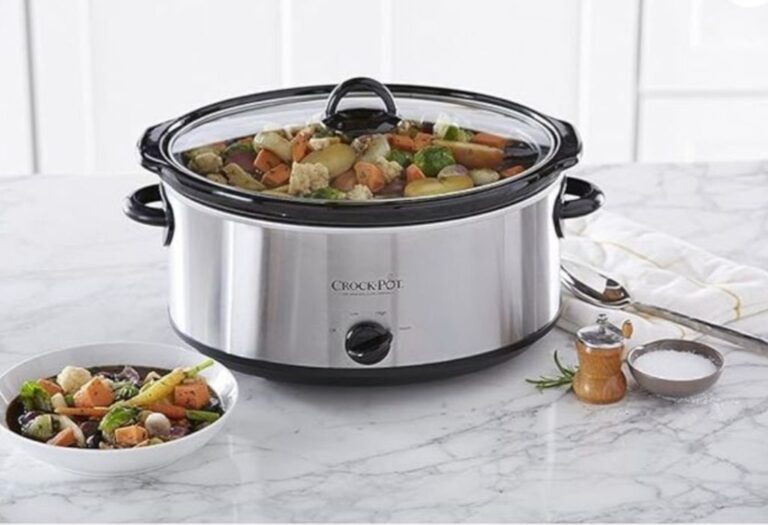
Cooking with a slow cooker taking too long can be frustrating, especially when you’re hungry and ready to eat! Many new slow cooker users face this issue, often puzzled by why their meals don’t cook as quickly as expected. Don’t worry, we’ll explore some common reasons why this happens, breaking them down into easy steps you can follow. Get ready to discover how to get your slow cooker meals cooked on time and perfectly cooked every time!
Understanding Why Your Slow Cooker Takes Too Long
Before jumping into solutions, let’s explore the common reasons behind a slow cooker taking too long. There are a few key elements that affect cooking time. It’s often a combination of factors, including the type of food, the amount of food, and the slow cooker model. Knowing these factors will help you adjust your cooking times for better results. We’ll explore each in detail, providing practical tips to ensure your meals are cooked perfectly every time.
Food Type and Its Effect on Cooking Time
Different foods cook at different speeds. Tougher cuts of meat, like chuck roast or pork shoulder, require longer cooking times to become tender. Root vegetables like carrots and potatoes also need a good amount of time to soften. Delicate ingredients, like fish or leafy greens, cook much faster and could become mushy if cooked for too long. If you’re mixing different types of foods, it’s vital to consider their cooking times and adjust accordingly. Adding ingredients at different stages of the cooking process will also influence the overall time.
- Tough Meats: Meats like beef brisket benefit from longer, slower cooking, breaking down tough fibers to create tenderness.
- Vegetable Types: Root vegetables require longer cooking than other vegetables. Leafy greens need much less time.
- Grain Considerations: Grains, like rice or pasta, should be added near the end of the cooking process to prevent overcooking and mushiness.
- Recipe Balance: Following recipes carefully and understanding the cooking times for each ingredient is very important.
Consider the differences in cooking times between various foods. Chicken breasts usually take less time than chicken thighs. Vegetables like bell peppers and onions cook much faster than potatoes. Using a recipe that factors in the cooking times of each food is the most reliable way to avoid the issue of slow cooking times.
Appliance Conditions and Impact on Cooking Duration
The slow cooker itself plays a big part in cooking time. An older slow cooker may not heat up as efficiently as a newer one. Make sure your slow cooker is working correctly. Sometimes, the heating element might be damaged, or the seal around the lid is broken. This can result in slower cooking times. A properly functioning slow cooker should maintain a consistent temperature for optimal cooking.
- Heating Element: Check that the heating element in your slow cooker is working correctly. A faulty element won’t heat up correctly.
- Lid Fit: Make sure the lid fits securely to prevent heat from escaping. A loose lid can lower the cooking temperature.
- Temperature Settings: Ensure you’re using the correct temperature setting (Low or High) for your recipe.
- Appliance Age: Older slow cookers sometimes lose their efficiency and may cook food more slowly.
Think about where you are cooking too. If the air in your kitchen is cold, this may affect how the slow cooker functions. Additionally, the size of the slow cooker matters. A larger slow cooker, filled with a smaller amount of food, might not cook food as effectively as a smaller one filled to a good level. Following the manufacturer’s directions is the best way to handle these challenges.
Adjusting Cooking Times to Achieve Better Results
Now that you know the reasons behind slow cooker taking too long, let’s look at ways to adjust your cooking times. The goal is to cook your meals consistently, and on schedule. By making slight adjustments, you can be more precise when using a slow cooker. We’ll explore tips to adjust for different ingredients, amounts, and slow cooker models. These strategies will help you make mealtime more simple and satisfying.
How to Adjust for Meat and Vegetable Variations
When cooking meat, remember that different cuts require different cooking times. Tougher cuts need longer to become tender. Vegetables also vary. Root vegetables need more time than softer ones. Adjusting your recipe based on the type of ingredients will solve the problem of a slow cooker taking too long.
- Meat Selection: Use leaner meats for shorter cooking times.
- Vegetable Preparation: Cut vegetables into smaller, more uniform pieces for faster cooking.
- Ingredient Sequencing: Add quick-cooking ingredients later in the process.
- Recipe Adaptations: Consider recipes created specifically for your slow cooker.
For example, if you are making a stew, add the meat first, then the root vegetables. Add quicker-cooking vegetables, like zucchini or peppers, towards the end. If a recipe calls for a specific cut of meat that you don’t have, find a cooking time adjustment online. Online recipe builders will also help with timing adjustments.
Modifying Cooking Time Based on Food Quantity
The amount of food in your slow cooker matters. A full slow cooker will take longer to cook than one with a smaller amount of food. Keep the slow cooker between half and three-quarters full for the best results. Adding too much or too little food will impact the cooking time.
- Fill Level: Don’t overfill the slow cooker.
- Recipe Scaling: Scale recipes to fit the size of your slow cooker.
- Temperature Control: Monitor the internal temperature of the food.
- Experimentation: Try different quantities of ingredients.
If you’re cooking a large roast, consider the size of your slow cooker and the weight of the meat. In general, a larger roast will need more cooking time. If you’re adapting a recipe for more or fewer servings, adjust the cooking time accordingly. Start with the recipe’s recommended time, then check the food and adjust if necessary.
Dealing with Slow Cooker Cooking Speed Issues
Even after understanding food types and quantities, you might still face a slow cooker taking too long. Let’s look at actions to take. We will explore troubleshooting, and how to tell if your slow cooker is faulty. We’ll also provide tips for enhancing cooking performance.
Slow Cooker Troubleshooting and Performance Tuning
If you keep experiencing slow cooking times, troubleshooting is key. Check your appliance to make sure it is functioning as expected. Simple adjustments can also lead to better cooking results. Regularly check your slow cooker’s settings and how well it is functioning.
- Temperature Check: Use a slow cooker thermometer to make sure it is heating correctly.
- Lid Integrity: Ensure your slow cooker lid fits snugly.
- Power Connection: Make sure your slow cooker is properly plugged in.
- Maintenance: Clean your slow cooker after use.
For example, if you suspect your slow cooker isn’t reaching the right temperature, use a food thermometer to check the food while it is cooking. Compare this to the recommended cooking temperature for the food. If your slow cooker is not reaching the right temperature, it might be time to replace it. A slow cooker that is working right should cook at a specific range, usually between 170°F and 200°F.
Determining if Your Slow Cooker Is Faulty
Sometimes, the issue isn’t the recipe or the ingredients, but the slow cooker itself. Knowing the signs of a faulty appliance can save you a lot of time and frustration. If your slow cooker isn’t working right, it could be a waste of ingredients and effort.
- Heating Issues: Check that the slow cooker reaches the cooking temperature.
- Power Problems: Make sure the appliance is receiving power.
- Physical Damage: Look for any signs of physical damage to the appliance.
- Excessive Cooking Times: If your food consistently takes longer than expected, the appliance might be faulty.
If you are experiencing persistent issues, like food taking much longer than expected, it might be time for a new slow cooker. Slow cookers do have a lifespan, and their effectiveness can reduce over time. If your slow cooker is old, it might be time for an upgrade. A new model might also include enhanced features, such as preset programs.
Advanced Techniques to Manage Slow Cooker Times
Now that you’ve got a grasp of the basics, let’s explore some advanced techniques to manage slow cooker times. These will give you even more control over your cooking, so you can achieve the best results. We’ll explore strategies such as browning ingredients before adding them to your slow cooker. These techniques will transform your cooking.
Pre-cooking Foods for Better Results
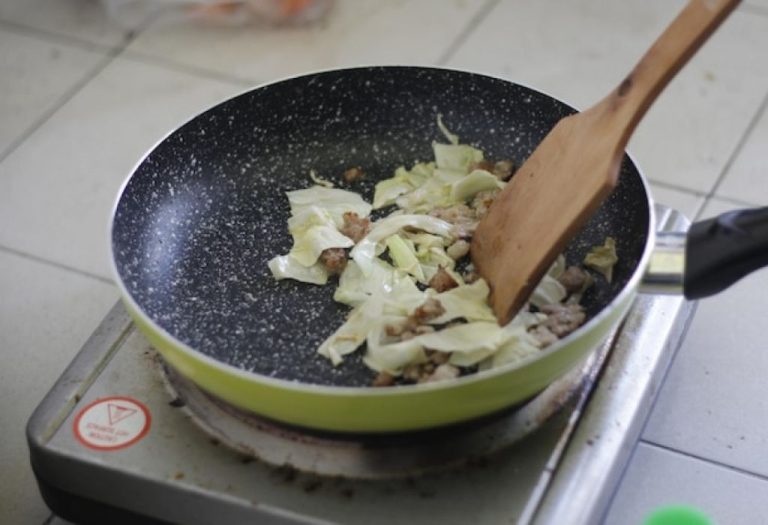
Pre-cooking some ingredients before adding them to your slow cooker can make a big difference in the cooking time. It can also enhance the taste. Browning meat before adding it, for example, can add a richer flavor. Pre-cooking vegetables can help to soften them, leading to a better texture in your final dish.
- Browning Meats: Sear meat in a pan before putting it into the slow cooker.
- Vegetable Saute: Cook vegetables like onions and garlic briefly to soften them.
- Flavor Enhancement: Pre-cooking can concentrate flavors.
- Time Savings: Pre-cooked ingredients can reduce overall cooking time.
For example, when preparing a stew, you can brown the meat in a pan before adding it to your slow cooker. This adds more flavor, while making sure the meat is tender. Likewise, sauteing onions and garlic can give your dishes a great base flavor. You can also partially cook grains, like rice or barley, before adding them, so that they cook perfectly, without becoming mushy.
Using the Right Recipes for Your Appliance
Choosing the correct recipes is key. Slow cooker recipes are designed to work perfectly. Using recipes created specifically for a slow cooker is a great way to guarantee success. You can find many recipes online or in cookbooks. Remember that not all recipes are made for slow cookers.
- Recipe Sources: Use recipes that are specifically designed for slow cookers.
- Ingredient Matching: Select recipes that use ingredients that do well in slow cookers.
- Cooking Time Adjustments: Make sure the cooking times in the recipe fit your slow cooker.
- Recipe Variety: Try different types of slow cooker recipes.
Look for recipes that take advantage of slow cooking. These often include tough cuts of meat, and vegetables that soften well. Online resources, and recipe blogs, are great sources. Recipe websites will offer many options to meet your tastes. When picking recipes, always consider the slow cooking time and make any necessary adjustments.
| Recipe Type | Cooking Time Impact | Considerations |
|---|---|---|
| Slow-Cooker-Specific | Optimized for slower cooking | Designed for ideal texture and flavor. |
| Adapted from Traditional | May require adjustments | Ensure adequate liquid and longer cooking times. |
| Quick Cook | Not recommended for prolonged use | Can lead to overcooked or dry results. |
Frequently Asked Questions
Question: Why is my slow cooker taking longer than the recipe says?
Answer: There are many reasons, including the type of food, amount of food, and if your slow cooker is working correctly.
Question: How can I tell if my slow cooker is too hot?
Answer: It’s rare for a slow cooker to be too hot, but a food thermometer can help ensure that the temperatures are within the normal cooking range.
Question: Can I speed up cooking by using the high setting?
Answer: Yes, the high setting cooks food faster. For recipes, cooking on high usually cuts the time in half.
Question: Does the amount of liquid affect cooking time?
Answer: Yes, liquid does impact the cooking time. Make sure you use the liquid amounts indicated in the recipe.
Question: What’s the best way to prevent food from drying out?
Answer: Make sure to follow the recipe closely and add liquid. Avoid opening the lid often, as this can release heat.
Final Thoughts
Dealing with a slow cooker taking too long can be a bit frustrating, but with a few simple adjustments, it’s very manageable. By understanding the factors that affect cooking times—the food, the quantity, and your slow cooker’s condition—you can solve most problems. Remember that pre-cooking ingredients and choosing recipes designed for slow cookers are great strategies. You’re now equipped with the knowledge and tips to make perfect slow-cooked meals every time. So, get cooking, and enjoy your delicious, perfectly timed meals. Happy cooking!

I’m Emma J. Caldwell, the founder, lead writer, and home-cooking enthusiast behind KitchenGuideCo.com. With a background in culinary arts and over a decade of cooking experience in both professional and personal kitchens, I created this platform to demystify recipes, offer smart kitchen gadget reviews, and guide readers through meal prep with confidence and clarity.