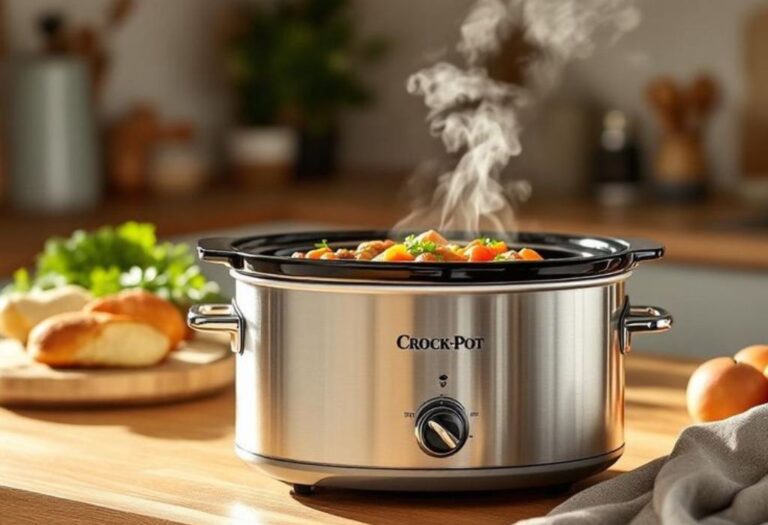
Cooking with a slow cooker is a fantastic way to make delicious meals with minimal effort. However, it can be frustrating when your food ends up overcooked. If you’re new to slow cooking, you might be wondering why slow cooker overcooks food. Don’t worry, it’s a common issue! The good news is, there are simple steps you can take to avoid this problem. This guide will help you master your slow cooker and enjoy perfectly cooked meals every time. Let’s get started!
Reasons Why Slow Cooker Overcooks Food
One of the most common reasons people struggle with slow cooking is that their food becomes overcooked. This often happens because slow cookers cook food for extended periods, and it’s easy to misjudge the cooking time. Factors like the type of food, its size, and the slow cooker’s temperature settings all play a part. But by recognizing some core issues, you can master your appliance and create delicious, tender meals consistently. Learning the core principles of heat transfer, the role of moisture, and how to adjust recipes is the key.
How Slow Cookers Work
Slow cookers, also known as crock-pots, are kitchen appliances that cook food slowly over a long period. They consist of a ceramic or stoneware pot that sits inside a heating element. The heating element gently heats the contents of the pot, allowing food to cook for several hours without constant supervision. They are popular for their convenience, allowing you to prepare meals in the morning and have them ready by dinner. The simplicity of design, however, can also contribute to overcooking if you are not mindful.
-
- Heat Transfer: Slow cookers primarily use conduction and convection to cook food. Conduction heats the pot directly, and then the heat transfers to the food. Convection occurs as the heated liquids and air circulate within the pot, further cooking the food.
Conduction is the transfer of heat through direct contact. In a slow cooker, the heating element transfers heat directly to the ceramic pot. This contact-based heat warms the pot, which, in turn, heats the food. Different materials conduct heat at different rates. For instance, metal pans conduct heat more quickly than ceramic ones.
-
- Temperature Settings: Most slow cookers have low, high, and sometimes warm settings. The low setting cooks at around 190°F (88°C), the high setting at about 300°F (149°C), and the warm setting is used to keep food at a safe serving temperature. Selecting the proper setting is essential for preventing overcooking.
Understanding the temperature settings is key to successful slow cooking. The “low” setting is designed for longer cooking times, generally 6-8 hours or even longer. “High” is for shorter periods, around 3-4 hours. The “warm” setting is intended for holding food after it has been cooked to prevent it from drying out. Using the wrong setting can easily lead to overcooking and dry results.
-
- Moisture Retention: The lid of a slow cooker is designed to trap moisture, preventing it from escaping. This creates a moist environment that helps tenderize food. However, this trapped moisture also contributes to the food cooking. If you have too much liquid or the lid is not sealed properly, the food may not cook correctly.
The lid’s role in a slow cooker is critical. It creates a closed system that maintains moisture and pressure, aiding in cooking. The trapped steam helps tenderize the food, especially tough cuts of meat. But too much moisture can dilute flavors and make dishes mushy. Properly sealing the lid and considering the liquid content in the recipe is important.
Cooking Time Miscalculations
One primary culprit for overcooked food is miscalculating the cooking time. Recipes often give general guidelines, but variations in slow cooker models, altitude, and the type of food impact how quickly something cooks. Estimating cooking times wrongly is particularly true with new recipes. It is often recommended to check on the food more often, especially in the first few times you make a new dish. Making changes as you go will keep your cooking from becoming overcooked.
-
- Recipe Inaccuracy: Recipes often provide cooking times that are simply a suggestion. A lot of recipes, even those considered reliable, may give inaccurate cooking times for your slow cooker or the specific foods you are cooking.
Recipe inaccuracies frequently lead to overcooked food. Recipes may not account for the specific model of your slow cooker, which can significantly affect cooking times. Ingredient variations can also play a role; for example, the size of your chicken pieces or the type of beans used. It’s important to view recipes as starting points and adjust cooking times accordingly. The recipe may suggest 8 hours on low when your cooker needs only 6. Over time you will find the right cooking times for your specific cooker and recipe.
-
- Ignoring Food Density: The density of the food also influences cooking time. Denser foods, such as thick cuts of meat or root vegetables, require longer cooking times than less dense foods like chicken breasts or leafy greens.
Food density is a significant factor in cooking times. Denser foods take longer to cook because heat needs to penetrate the entire mass. For example, a large pot roast will take considerably longer than a batch of chicken and vegetables. Recognizing the density differences is important. Cutting ingredients into smaller, more uniform pieces can help even out the cooking process.
-
- Altitude and Temperature Variations: Altitude and ambient temperature can also change the cooking time. At higher altitudes, water boils at a lower temperature, which can impact how quickly foods cook. Also, if the kitchen is colder than usual, it can add to the cooking time.
Environmental factors like altitude and room temperature can affect slow cooking. At higher altitudes, the reduced atmospheric pressure means water boils at a lower temperature, extending cooking times. If your kitchen is cold, the slow cooker may need more time to heat up and maintain the cooking temperature. It is often recommended to add some time to the cooking recipe if you live at high altitude.
Common Mistakes That Cause Food to Overcook
Several common mistakes contribute to food becoming overcooked in a slow cooker. These issues range from adding too much liquid to using incorrect settings. Recognizing and avoiding these mistakes is essential for achieving the perfect results with every meal. By knowing these common mistakes, you can adjust your cooking techniques to achieve great results.
Excessive Liquid
Adding too much liquid to your slow cooker can lead to overcooked and often soggy food. While slow cookers need liquid to generate steam, excess liquid can dilute flavors and make ingredients mushy. The amount of liquid needed depends on the recipe and the type of food being cooked. It’s best to start with less and add more if necessary during the cooking process. Over time you will be able to tell how much liquid your recipes need.
-
- Diluting Flavors: Too much liquid can dilute the flavors of the dish, resulting in a less tasty meal. Flavors concentrate as food cooks in a slow cooker, but excess liquid will work against this process.
Excessive liquid undermines the concentrated flavors that slow cooking typically produces. As ingredients cook, flavors become concentrated in the reduced liquid. If there’s too much liquid, this process is inhibited, and your dish will have weak and watered-down flavors. Careful measurement of liquids and following recipe guidelines is crucial to preserve the intended flavor profile.
-
- Making Food Mushy: Certain ingredients, particularly vegetables, can become mushy if cooked in too much liquid. The extended cooking time in a moist environment breaks down the cell structure of the vegetables, leading to a soft texture.
The prolonged cooking time combined with excess liquid can turn vegetables and other ingredients mushy. When submerged in too much liquid, the cell walls of the ingredients break down, resulting in a soft, undesirable texture. This is especially true for delicate vegetables like zucchini or mushrooms. It’s often helpful to add vegetables later in the cooking process.
-
- Adjusting Recipe Liquid: It’s important to adjust recipes if you’re adapting them for a slow cooker. Often, you may need less liquid than a traditional cooking method requires, because the lid helps retain the moisture.
Adapting recipes for slow cooking means modifying liquid amounts to achieve the best results. Traditional cooking methods, like boiling or braising, may use more liquid. However, slow cookers retain moisture well. Start with the liquid specified in the recipe. Always add less rather than too much; this lets you control the final consistency of your dish and prevents your food from becoming overcooked.
Overcrowding the Slow Cooker
Overcrowding a slow cooker can also contribute to overcooked food. When the slow cooker is too full, it can prevent proper heat circulation. This leads to uneven cooking. It’s important to fill the slow cooker appropriately to ensure that all ingredients cook evenly and that the food does not become overcooked. Overcrowding may also cause ingredients to cook at inconsistent rates.
-
- Uneven Cooking: Overcrowding can lead to uneven cooking because the ingredients do not cook at the same rate. This means some parts of the food will be undercooked while others are overcooked.
The even distribution of heat is a key element of slow cooking. Overcrowding prevents the uniform circulation of heat. As a result, certain parts of the food may be exposed to the heating element more than others, resulting in different cooking rates. For example, some pieces of meat may be perfectly cooked, while others remain undercooked or overcooked, making for an inconsistent final product.
-
- Temperature Reduction: Overcrowding also reduces the overall temperature within the slow cooker. This lowers the cooking temperature and increases the required cooking time, making it easier for foods to overcook.
When the slow cooker is overcrowded, the interior temperature drops. The heating element must work harder to maintain the appropriate cooking temperature. This process can significantly impact the cooking time. The prolonged cooking time and the uneven temperature increase the likelihood of overcooking, causing your dish to become dry or mushy.
-
- Impact on Meat Tenderness: Overcrowding can affect how meat cooks, leading to tough or dry results. The proper cooking time helps break down tough cuts of meat, but overcrowding can make it more challenging to achieve this tenderness.
The slow cooker’s ability to tenderize meats is a primary reason for its popularity. Overcrowding can interfere with this process. The meat may cook unevenly, with some parts not reaching the optimal temperature for breaking down tough fibers. This can result in meat that is tough and dry rather than tender. The correct amount of ingredients and proper placement in the slow cooker is important.
Incorrect Temperature Settings
Choosing the correct temperature setting is important for successful slow cooking. Using the wrong setting can easily lead to overcooked food. For example, cooking a dish on “high” when it should be cooked on “low” can cause it to cook much faster than intended, resulting in dry or mushy results. It’s important to understand your slow cooker’s settings and adjust your recipes accordingly.
-
- High Setting Usage: Using the high setting for extended periods is a common mistake. While the “high” setting is useful for faster cooking, it can quickly overcook food if you are not careful.
The “high” setting is best suited for recipes that require shorter cooking times. Using this setting for longer than the recommended time can lead to food overcooking. For example, certain dishes, like chicken breasts or delicate vegetables, are prone to drying out when cooked on high for an extended period. Carefully following cooking instructions is important.
-
- Low Setting for Quick Meals: Contrary to the misconception, the “low” setting is not always the best choice for all recipes. If you want a quick meal, the “low” setting will not be the best choice.
The “low” setting is intended for meals that require slow, gentle cooking over several hours. Using this setting for quick cooking will extend the cooking time, and if the food is left for too long, it will overcook. It’s important to understand that each setting has a specific purpose. If you need a meal in a hurry, it may be better to use another method.
-
- Warm Setting for Extended Holding: The “warm” setting is designed to keep food at a safe serving temperature after it’s been cooked. However, leaving food on “warm” for too long can lead to overcooking.
While the “warm” setting is great for keeping food warm, it’s not designed for extended holding. The prolonged exposure to heat can dry out the food, especially if it contains lean proteins or delicate vegetables. Over time, it can also lead to changes in texture and flavor. It is recommended that you use the warm setting for short periods, usually a few hours at most. It’s better to serve the food as soon as possible after it’s cooked.
Preventing Overcooked Food
Fortunately, there are several steps you can take to prevent food from overcooking in your slow cooker. By following these tips, you’ll be able to enjoy perfectly cooked meals every time. Being mindful of these practices will drastically improve your cooking results.
Adjusting Cooking Times
Adjusting the cooking time based on the ingredients, your slow cooker, and other factors is crucial. The cooking time given in a recipe is often a guideline, and the correct cooking time for your recipe may vary. By paying attention to the food’s condition and adapting accordingly, you can significantly enhance your slow cooking results. These adjustments are a great way to improve your cooking skills.
-
- Checking Food During Cooking: Checking the food periodically is the best way to prevent overcooking. Begin checking the food before the minimum cooking time in the recipe is up.
Regularly checking your food during the cooking process allows you to monitor its progress and make timely adjustments. It’s important to start checking the food before the minimum time specified in the recipe. Use a meat thermometer to check the internal temperature of the food, especially meats. This practice is particularly helpful for delicate ingredients that can cook quickly. Checking food regularly will prevent your food from being overcooked.
-
- Using a Meat Thermometer: A meat thermometer is your best tool for ensuring that meat is cooked to the proper internal temperature. It can prevent overcooking. Use it to check the temperature of meat regularly, particularly in the later stages of cooking.
A meat thermometer is a vital tool for preventing overcooked meat. It accurately measures the internal temperature, which is essential for ensuring that meat is cooked to the proper level of doneness. Use the thermometer regularly, especially when cooking meat. Checking the internal temperature will tell you when the meat is done. This prevents the guesswork and minimizes the risk of dry or tough meat.
-
- Accounting for Food Variations: Account for any variations in the food. For example, a larger piece of meat or a higher quantity of vegetables may require more time to cook, so you can increase the cooking time accordingly.
Variations in the size and quantity of ingredients have a huge impact on cooking times. For example, a bigger roast will take much longer than a smaller one. Similarly, if you add more vegetables than the recipe calls for, it might impact cooking times. Paying attention to these variations and adjusting the cooking time is important to getting the best cooking results. The more you cook, the better you will be at estimating these variances.
Using the Right Ingredients and Methods
The ingredients you use and how you prepare them can affect whether your food becomes overcooked. Using the correct ingredients and employing some simple prep methods can make a major difference in the final result. Using fresh ingredients will improve flavor and texture. Choosing the right methods will keep your food from becoming overcooked.
-
- Adding Tender Ingredients Later: Add tender ingredients, such as vegetables or dairy, later in the cooking process to prevent them from becoming mushy.
Adding sensitive ingredients at the right time is important to prevent overcooking. Delicate vegetables like zucchini, spinach, or mushrooms can quickly become mushy if they’re cooked for too long. Similarly, adding dairy products, like cream or milk, too early can cause them to curdle. Consider adding these ingredients in the final hour or even the last 30 minutes of cooking. This lets them heat up without overcooking.
-
- Trimming Excess Fat: Trimming the excess fat from the meat is important. It will help prevent the dish from becoming greasy. It can also help reduce the cooking time.
Excessive fat can affect the texture of your dish. It can make the meal too greasy, and it can also interfere with the flavors of the dish. Trimming off any extra fat from your meat will improve your cooking results. Doing this helps reduce the amount of rendered fat and improves the overall quality of your slow-cooked meal. It will give you a better-tasting result.
-
- Browning Meat Beforehand: Browning meat before slow cooking can add flavor and help seal in moisture. It can also help to prevent it from drying out during the extended cooking time.
Browning meat first is a common step that adds depth of flavor and improves the texture of your dishes. The Maillard reaction occurs when you brown the meat. This process enhances the flavor by creating complex compounds. Browning meat before slow cooking also helps to sear the outside. This creates a barrier that can help prevent moisture loss during slow cooking. Browning the meat is a step that greatly impacts your results.
Matching Recipes to Your Slow Cooker
It’s important to match recipes to your slow cooker, and not all recipes are the same. Certain recipes are better suited for slow cooking. You may need to adapt your favorite recipes to achieve the best results. Matching the type of recipe to your slow cooker is a great skill that can improve your cooking.
-
- Choosing Appropriate Recipes: Select recipes that are suitable for slow cooking. Hearty stews, soups, and roasts are ideal. Avoid recipes that involve quick-cooking ingredients.
The best recipes are those with ingredients that benefit from long, slow cooking. Hearty stews, soups, and roasts are perfect. These recipes often feature tougher cuts of meat that become tender and flavorful with extended cooking times. Avoid recipes with delicate ingredients that will cook too fast or lose their texture. Slow cooking is an ideal method for flavorful, filling dishes.
-
- Adapting Recipes as Needed: Adapt recipes as needed. If you know how the recipe should taste, you can modify it as necessary to match your slow cooker. Consider liquid content and the order in which you add ingredients.
Adapting recipes ensures you get the best outcome. Many recipes may need to be adjusted to accommodate a slow cooker. Adjust the amount of liquid needed. Think about the order in which you add the ingredients to ensure all the elements cook properly. Consider other methods, like pre-browning meat or adding vegetables later. These adjustments can enhance your dish.
-
- Using the Right Slow Cooker: Make sure you use the appropriate slow cooker for your needs. This will help prevent food from overcooking and ensure that the food is thoroughly and evenly cooked.
The right slow cooker will match the type of recipes you cook. It is available in various sizes and with different features. If you cook large family meals, you may need a larger model. Consider the features of the slow cooker to match how you will be cooking. Having a slow cooker that meets your needs will provide you with the best results.
Overcooked Food Troubleshooting
Even with your best efforts, food can occasionally become overcooked. When this happens, there are a few things you can do to try and save your meal. Knowing how to troubleshoot and how to manage the overcooked food is essential. With a little creativity, you can still enjoy your meal.
Saving Overcooked Meat
If your meat is overcooked, don’t worry, there are things you can do to salvage it. These methods will help you improve the texture and the flavor. By using these ideas, you can salvage your meal.
-
- Rehydrating Dry Meat: If the meat is dry, you can rehydrate it by adding liquid. Use a broth, sauce, or even water.
If the meat has dried out, it can be rehydrated to improve its texture. The easiest way is to add liquid, like broth or sauce. You can also add some of the cooking juices. This process reintroduces moisture. You can use any type of liquid, but using a flavorful liquid will enhance the taste of the dish. Rehydrating dry meat can help to make your dish edible.
-
- Shredding Overcooked Meat: Shredding the meat can disguise its dryness and make it more palatable. Shredded meat is great for tacos or sandwiches.
Shredding overcooked meat is a great way to salvage the meal. Once shredded, the meat can be used in other recipes. You can use it in tacos, salads, or sandwiches. Shredding will help break up the meat fibers and mask any dryness. It is a creative way to still enjoy the meat.
-
- Making a Sauce: Preparing a sauce to go with the overcooked meat is another great option. The sauce can provide moisture and help to mask dryness and any off-flavors.
A sauce adds moisture and enhances the flavor of overcooked meat. The sauce can be a simple gravy. It can also be a more complex creation, depending on your preferences. Adding a flavorful sauce can hide any dryness or off-flavors, helping you to enjoy your meal. The sauce is a great way to make an overcooked meal more appealing.
Fixing Mushy Vegetables
If your vegetables become mushy, you can still fix the dish. You may need to take several steps to get your dish back on track. These steps will make a difference.
-
- Adding Texture: You can add texture to your dish by incorporating ingredients that maintain their shape. Such as beans, rice, or other vegetables.
Adding ingredients with texture can improve the dish. Adding beans or rice can add some substance to your dish. You can also add heartier vegetables that hold their shape. The addition of other ingredients can help make the dish more appealing.
-
- Pureeing the Vegetables: Another option is to puree the vegetables into a soup or sauce. This is a great way to use the ingredients.
Pureeing the mushy vegetables transforms your dish into a soup or sauce. You can use an immersion blender or a regular blender to make the pureed vegetables. The resulting sauce or soup can be the base for a completely new dish. The pureeing can also hide some of the mushy texture.
-
- Seasoning the Dish Well: Seasoning can help improve the flavor. It is a good way to disguise the taste of overcooked vegetables.
Seasoning is a great way to improve the flavor of the dish. Adding salt, pepper, herbs, or spices can enhance the dish. It can also help mask the taste of overcooked vegetables. Seasoning can also enhance the flavors of the other ingredients. Seasoning will take your dish to the next level.
Frequently Asked Questions
Question: Why is my meat tough in the slow cooker?
Answer: Meat can be tough in the slow cooker if it is not cooked long enough, or if you use the wrong cut of meat. Ensure you are using the correct setting and cooking time for the type of meat.
Question: How can I prevent my vegetables from becoming mushy?
Answer: Add vegetables later in the cooking process. Choose heartier vegetables that hold their shape better. You can also add acid, such as lemon juice, to help them keep their shape.
Question: Can I open the slow cooker lid while cooking?
Answer: It’s best to avoid opening the lid during cooking, as this lets heat escape and can extend cooking times. Try to resist the urge to peek! If you must open it, do so as quickly as possible.
Question: What’s the best way to reheat leftovers from the slow cooker?
Answer: Reheat leftovers in the microwave, on the stovetop, or back in the slow cooker on the warm setting. Add a little liquid to prevent them from drying out.
Question: How do I know when my slow cooker is done?
Answer: Use a meat thermometer to check the internal temperature of meats. Follow recipe guidelines for cooking times, and begin checking for doneness before the end of the suggested time.
Final Thoughts
Mastering slow cooking means understanding why slow cooker overcooks food and how to avoid it. Knowing that cooking times, ingredients, and settings all play important roles is key. By adjusting your cooking times based on what you cook and making adjustments to the ingredients, you can make perfectly cooked meals every time. Remember to check your food during cooking, use a meat thermometer, and experiment to find what works best for your slow cooker. With a little practice, you’ll be enjoying delicious, tender meals with ease. Happy cooking!

I’m Emma J. Caldwell, the founder, lead writer, and home-cooking enthusiast behind KitchenGuideCo.com. With a background in culinary arts and over a decade of cooking experience in both professional and personal kitchens, I created this platform to demystify recipes, offer smart kitchen gadget reviews, and guide readers through meal prep with confidence and clarity.