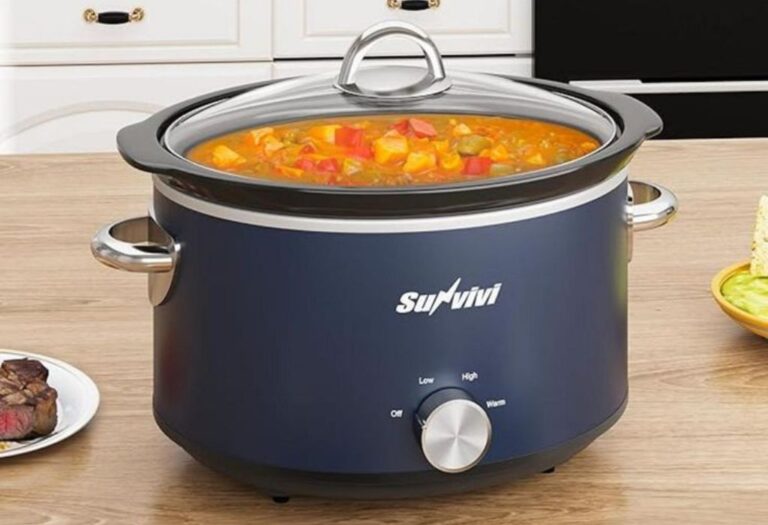
Stop watery, flavorless slow cooker meals with these immediate solutions to condensation! Excess steam buildup dilutes flavors and affects food texture, but simple adjustments can prevent this. Discover straightforward hacks to ensure your dishes are perfectly cooked and delicious every time.
Solve Your Slow Cooker Condensation Problem Now
There’s nothing quite like the feeling of walking into your kitchen at the end of a long day, greeted by the comforting aroma of a slow-cooked meal. It promises warmth, flavor, and an easy dinner with minimal fuss. But sometimes, that perfect vision is shattered when you lift the lid and discover not a rich, hearty stew, but a watery, soupy mess. Sound familiar? You’re not alone. Many of us have faced this frustrating outcome, and it almost always comes down to one common culprit: the dreaded slow cooker condensation problem.
I know the disappointment firsthand. You meticulously followed a recipe, eagerly anticipating a thick, flavorful chili or a tender pot roast swimming in a delicious gravy, only to find it diluted and bland. This isn’t a reflection of your cooking skills; it’s simply a quirk of how slow cookers operate. The good news? Once you understand why it happens, solving your slow cooker condensation problem becomes surprisingly easy. Let’s dive in and transform your slow-cooked dishes from watery to wonderful!
This post is your guide to understanding, preventing, and fixing the excess moisture that can sabotage your slow cooker creations. We’ll explore practical tips and tricks that I’ve learned and used myself to ensure every meal comes out exactly as intended – rich, flavorful, and perfectly textured. Say goodbye to soupy disappointments and hello to slow cooker perfection!
Key Takeaways
- Vent Steam: Slightly prop the lid to allow excess steam to escape.
- Absorb Drips: Place a paper towel under the lid to catch moisture.
- Reduce Liquid: Decrease recipe liquids if food tends to become watery.
- Use Liners: Slow cooker bags minimize condensation mixing with food.
- Avoid Overfilling: Leave space in the pot for proper steam circulation.
- Pre-Cook Veggies: Sauté high-water vegetables before adding to the pot.
📑 Table of Contents
Understanding the Slow Cooker Condensation Problem

To tackle a problem, we first need to understand it. The slow cooker condensation problem is a natural consequence of the appliance’s design and cooking method. Unlike traditional stovetop cooking where steam can easily escape, a slow cooker’s lid creates a sealed environment.
The Science Behind the Soup
When food cooks in a slow cooker, it releases steam. This steam rises and hits the cooler surface of the lid. As the hot steam meets the cold lid, it condenses back into water droplets. These droplets then drip down into your food, adding unwanted liquid to your dish. Every ingredient, from vegetables to meat, contains water, and as it heats, that water turns into steam, creating this continuous cycle of condensation. This is why you often end up with more liquid in your slow cooker than you originally added.
Why It’s More Than Just a Little Water
A little extra moisture might seem harmless, but excessive condensation can truly impact your meal. It dilutes flavors, turning a rich sauce into a weak broth. It can make textures mushy, especially for vegetables that thrive on a little firmness. Moreover, it prevents the delicious concentration of flavors that slow cooking is famous for, leaving you with a meal that just doesn’t hit the mark. Addressing the slow cooker condensation problem is key to achieving that deep, slow-cooked taste we all crave.
Common Causes of Excessive Condensation
While condensation is inevitable, certain factors can exacerbate the slow cooker condensation problem, turning a minor issue into a major one. Identifying these can help you prevent watery meals before they even start.
Lid Fit and Material Matters
The type of lid your slow cooker has plays a big role. Many slow cooker lids, especially glass ones, are designed to fit snugly but not completely airtight. If your lid has a slight gap or doesn’t sit perfectly, steam can escape and then re-enter, or simply allow more condensation to form and drip back. Some older models or certain materials can also promote more significant condensation.
Overfilling Your Slow Cooker
It’s tempting to cram as much food as possible into your slow cooker, especially when cooking for a crowd or meal prepping. However, overfilling leaves less space for steam to circulate and then condense, often leading to more water dripping directly back into the food. Generally, it’s best to fill your slow cooker between half and two-thirds full.
Too Much Liquid to Begin With
This might seem obvious, but it’s a very common mistake. Many recipes designed for stovetop or oven cooking assume some liquid will evaporate. When adapting such recipes for a slow cooker, you almost always need to reduce the initial amount of liquid. Remember, your ingredients will release their own moisture, adding to what you pour in.
Frequent Lid Lifting
I know, the smell is irresistible, and peeking is so tempting! But every time you lift the lid, you release accumulated heat and steam. When you put the lid back on, the temperature inside drops, and then the slow cooker has to work harder to reheat, creating another surge of steam and, you guessed it, more condensation. Try to resist the urge and keep that lid on!
Practical Solutions to Manage Condensation
Now for the good stuff – how to actually solve your slow cooker condensation problem! These are tried-and-true methods that I’ve used to rescue many a meal.
The Paper Towel Trick (My Go-To!)
This is my absolute favorite, simple, and incredibly effective tip. Before placing the lid on your slow cooker, place a clean paper towel (or a thin, clean kitchen towel) directly over the pot, then put the lid on top. The paper towel will absorb the condensation as it forms, preventing it from dripping back into your food. You might need to change the towel once or twice during a long cooking cycle, especially if your dish is very liquid-heavy, but it makes a huge difference. This simple barrier is a fantastic way to tackle the slow cooker condensation problem head-on.
Ventilating Your Lid
For some dishes, especially those where you want a slightly crisper texture or a really thick sauce, you can slightly vent the lid. This allows a small amount of steam to escape, reducing the amount that condenses and drips back. You can achieve this by placing a wooden spoon handle under the lid, leaving a small gap. Be cautious with this method, as too much venting can prolong cooking times and dry out certain dishes. It’s a delicate balance!
Adjusting Your Recipe’s Liquid Content
As mentioned earlier, less liquid going in means less liquid coming out. When adapting recipes for your slow cooker, reduce the total liquid by about one-quarter to one-half of what the original recipe calls for. You can always add more liquid later if needed, but it’s much harder to remove it.
Thickening Agents for Soupy Dishes
If, despite your best efforts, your dish is still too watery at the end, don’t despair! You can easily thicken it. Here are a few reliable methods:
- Cornstarch Slurry: Mix 1-2 tablespoons of cornstarch with an equal amount of cold water until smooth. Stir this into your slow cooker during the last 30-60 minutes of cooking, or after cooking on a high setting for about 15-20 minutes with the lid off.
- Flour Slurry: Similar to cornstarch, mix 1-2 tablespoons of flour with cold water. It takes a little longer to thicken and can sometimes leave a raw flour taste if not cooked long enough.
- Instant Mashed Potato Flakes: A secret weapon! A tablespoon or two stirred in at the end can absorb excess liquid without significantly altering flavor.
- Reducing: Remove the lid completely for the last 30-60 minutes of cooking (on high, if possible). This allows steam to escape and the sauce to reduce and thicken naturally. This is an effective way to address the slow cooker condensation problem post-cook.
Choosing the Right Slow Cooker and Accessories
Sometimes, the solution to the slow cooker condensation problem lies in your equipment. Not all slow cookers are created equal, and some features can help manage moisture.
Lids Designed for Condensation Control
Some newer slow cooker models come with lids specifically designed to minimize condensation. These might feature:
- Self-basting lids: These have little nubs on the underside that are meant to evenly distribute condensed moisture back over the food, rather than having it pool in one spot.
- Steam vents: A small hole or vent in the lid allows a minimal amount of steam to escape, reducing the build-up without drying out the food too much.
If you’re in the market for a new slow cooker, these are features worth considering to actively combat the slow cooker condensation problem.
Considering a Better-Sealing Lid
If your current slow cooker lid feels very loose or doesn’t sit snugly, it might be contributing to the issue. A better-sealing lid can help trap heat more efficiently and potentially control how and where condensation forms. While you likely won’t find a perfectly airtight slow cooker lid, a firmer fit can make a difference. Sometimes, a replacement lid might be available from the manufacturer, or you can use the paper towel trick as a workaround.
Temperature Settings and Their Role
Cooking on the “Low” setting generally generates less aggressive steam than the “High” setting over a longer period. While the overall amount of condensation might be similar, cooking on “Low” can sometimes lead to a gentler release of moisture. However, the “High” setting can be useful at the end of cooking to reduce a soupy sauce by simply removing the lid.
Recipe Adjustments for a Condensation-Free Cook
Beyond the slow cooker itself, your recipe choices and preparation methods are powerful tools in your fight against watery meals caused by the slow cooker condensation problem.
Cutting Back on Initial Liquids
This is perhaps the most critical adjustment. As a general rule, reduce the liquid specified in traditional recipes by at least one-quarter, sometimes even by half. Remember that vegetables like onions, mushrooms, and peppers, and of course, meat, all release significant amounts of moisture as they cook. For dishes like stews or roasts, you might only need a splash of broth or water to get started, relying on the ingredients themselves to create the bulk of the liquid.
Incorporating Ingredients That Absorb Liquid
Be strategic with your ingredients! Adding things that naturally absorb moisture can help manage the slow cooker condensation problem. Think about including:
- Rice or pasta: If your recipe allows, adding uncooked rice or pasta (e.g., orzo, egg noodles) towards the end of the cooking cycle can soak up excess liquid beautifully.
- Lentils or dried beans: These are excellent absorbers and can be a great addition to stews and chilis.
- Potatoes or starchy vegetables: While they release some moisture, their starch content also helps thicken sauces over time.
Adding Delicate Ingredients Later
Ingredients that don’t need a long cooking time or are prone to becoming mushy (like fresh herbs, spinach, or some dairy products) should often be added closer to the end of the cooking cycle. This prevents them from contributing to the overall liquid content for too long and ensures they retain their best texture and flavor.
Conclusion
Conquering the slow cooker condensation problem is less about magic and more about understanding a few simple principles and employing smart strategies. By recognizing how condensation forms, making conscious choices about your recipe’s liquid content, utilizing clever tricks like the paper towel method, and making small adjustments to your slow cooker’s use, you can dramatically improve the quality of your meals.
No more watery stews or bland sauces! With these tips in your arsenal, you’re now equipped to turn every slow-cooked meal into the rich, flavorful, and perfectly textured dish you envisioned. Experiment with these solutions, find what works best for your slow cooker and your favorite recipes, and get ready to enjoy truly delicious, condensation-free slow cooking. Happy cooking!
Frequently Asked Questions
What is the slow cooker condensation problem?
The slow cooker condensation problem refers to the accumulation of excess moisture on the inside of your slow cooker lid, which then drips back into your food. This can lead to diluted flavors and a watery consistency, especially problematic for dishes like stews or chilis.
Why does my slow cooker have so much condensation?
Condensation occurs because the steam generated by your cooking food rises and hits the cooler surface of the lid. This causes the steam to turn back into liquid water, which then pools and drips. A tight-fitting lid prevents steam from escaping, intensifying this effect.
Is a lot of condensation in my slow cooker normal, or is it a problem?
A certain amount of condensation is normal and expected in a slow cooker, as the sealed environment traps moisture. However, excessive condensation that significantly thins your sauces or makes food overly watery indicates a problem that might need addressing.
How can I prevent excessive slow cooker condensation?
One effective method is to place a clean kitchen towel or paper towel directly under the lid to absorb the rising steam before it condenses. You can also slightly prop the lid ajar for the last 30-60 minutes of cooking to allow some steam to escape and reduce overall liquid.
My food is watery because of condensation; how can I fix it?
If your dish is too watery, remove the lid during the last hour of cooking to allow some liquid to evaporate and thicken the sauce naturally. Alternatively, you can stir in a cornstarch slurry (equal parts cornstarch and cold water) during the final 30 minutes until your desired consistency is reached.
Can I just leave the lid ajar to reduce slow cooker condensation?
While temporarily propping the lid ajar at the very end of cooking can help reduce liquid, leaving it open for extended periods is generally not recommended. This can cause significant heat loss, extend cooking times, and potentially compromise food safety by keeping food out of the safe temperature zone for too long.