Tough slow cooker beef often stems from using the wrong cut, like lean steaks, or insufficient cooking time for cuts rich in collagen. To ensure fork-tender results, always opt for cuts with ample connective tissue such as chuck roast or brisket, and allow them ample time at a low temperature to slowly break down and become gelatinous. Understanding these key factors transforms your slow cooker from a source of frustration into a reliable machine for perfectly tender, delicious meals every time.
Is Your Slow Cooker Beef Tough? Discover Why and Fix It!
Oh, the slow cooker. It promises tender, fall-apart meals, doesn’t it? Yet, sometimes, despite all your hopes and planning, you pull out a pot of beef that’s… well, tough. It’s a truly frustrating experience, especially when you’ve patiently waited all day for that perfect, melt-in-your-mouth dinner. Believe me, I’ve been there, staring at a plate of chewy pot roast and wondering where I went wrong.
The good news is, if your slow cooker beef is tough, it’s usually not a reflection of your cooking skills. Instead, it often comes down to a few common culprits that are easy to fix once you understand them. Let’s dig into why this happens and how we can ensure super tender results every single time!
So, why exactly is my slow cooker beef tough, and what can I do about it?
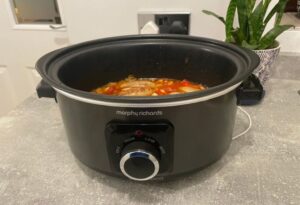
It’s a question I’ve asked myself countless times, and the answer, surprisingly, isn’t always “you cooked it too long.” In fact, often, it’s the opposite! The primary reason your slow cooker beef might be tough is usually a combination of the *wrong cut of meat* and *insufficient cooking time*. Let’s break down the details, along with some personal tips.
Here’s why your slow cooker beef might be tough, and my go-to fixes:
-
- You chose the wrong cut of beef: This is probably the most common mistake. Leaner cuts like sirloin or tenderloin are fantastic for quick searing or grilling, but they just don’t do well in the slow cooker. They’re low in collagen and connective tissue, which means they’ll dry out and get tough over long, moist cooking periods.
My personal tip: When I started using my slow cooker, I thought any “roast” would do. Big mistake! Now, I always reach for cuts like chuck roast, beef short ribs, or even a brisket. These cuts are packed with collagen and connective tissue. That’s the stuff that breaks down into gelatin over hours of low heat, giving you that incredible, fall-apart texture. If your slow cooker beef is tough, check your cut first!
-
- It didn’t cook long enough: This sounds counter-intuitive, right? We think “tough means overcooked.” But with cuts rich in connective tissue, they actually get tough *before* they get tender. They need ample time for that tough collagen to convert into luscious gelatin.
My personal tip: I once pulled out a pot roast after 5 hours on low, thinking it must be done. It was chewy. I put it back in for another 2-3 hours, and suddenly it was perfect! Don’t be afraid to let it go. For a 3-4 pound chuck roast, I usually aim for 7-9 hours on low or 4-6 hours on high. You’ll know it’s ready when you can easily shred it with two forks.
-
- Too much liquid: While we need some liquid for braising, drowning your beef in it can actually make it tougher. When meat is completely submerged, it essentially boils, which can cause the muscle fibers to tighten up instead of relaxing and breaking down.
My personal tip: I’ve learned that you only need a small amount of liquid – maybe 1-2 cups – to create that perfect steamy, braising environment. The meat itself, along with vegetables, will release more moisture as it cooks. This concentrates flavors and helps the beef tenderize without boiling.
-
- Cutting it immediately: Just like any good steak, slow cooker beef benefits from a little rest. If you slice into it right away, the juices haven’t had a chance to redistribute, leaving you with dry, tough spots.
My personal tip: After taking your slow cooker beef out, cover it loosely with foil and let it rest for 10-15 minutes before shredding or slicing. It makes a noticeable difference in juiciness and overall tenderness.
Understanding these points transformed my slow cooker game. No more sad, chewy beef for me! It’s all about working with the meat’s natural structure and giving it the time and environment it needs to shine.
So, next time you’re planning a slow cooker meal and want that truly tender result, remember these simple principles. Choose a collagen-rich cut, give it plenty of time, don’t overdo the liquid, and let it rest. You’ll be enjoying perfectly tender, fall-apart beef every single time. Happy cooking!