Mastering natural release is paramount in pressure cooking, allowing the pot’s pressure to dissipate gradually and naturally. This vital technique prevents overcooking, promotes tender textures, and is essential for achieving consistently perfect culinary results with a wide range of dishes, from delicate ingredients to tough cuts of meat. Embrace this method to elevate your cooking to new levels of precision and flavor.
Master What Is Natural Release for Perfect Results
Hey there, fellow home cooks! Ever wondered why your pressure cooker recipe sometimes tells you to just “let it be” after cooking? That quiet period, where you don’t touch the steam release valve, is what we call natural release. Think of it as your pressure cooker taking a gentle, relaxing sigh. Instead of forcing the steam out quickly, natural release lets the pressure drop slowly as the cooker naturally cools down. It’s a hands-off, patient approach that often leads to incredibly delicious results, especially for certain foods. Trust me, it’s a game-changer once you understand it!
So, exactly what is natural release and why should I care?
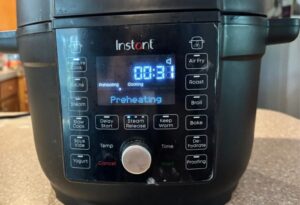
Ah, the million-dollar question! Simply put, natural release is when you turn off your pressure cooker (or it finishes its cooking cycle) and you do absolutely nothing to the steam release valve. You let the cooker sit untouched, allowing the internal pressure to dissipate on its own as the temperature inside gradually decreases. The float valve, which signals when pressure has built up, will eventually drop down, indicating it’s safe to open the lid. This process can take anywhere from 10 to 30 minutes, or even longer, depending on how much food and liquid are inside.
But why care about this seemingly slow method when you could just quick release and get on with your meal? Well, my friend, there are some pretty fantastic reasons:
- It keeps cooking, gently: This is the big one! Natural release is like a built-in “resting” period for your food. Just like letting a steak rest after grilling helps redistribute its juices, natural release allows the food in your pressure cooker to finish cooking gently and reabsorb moisture. For meats, this means incredible tenderness. I’ve found that my pot roasts and pulled pork are unbelievably fall-apart tender when I use natural release, practically melting in your mouth.
- Prevents food from spurting: Ever tried to quick release a pot full of foamy soup, oatmeal, or pasta? It can be a messy explosion! The sudden pressure change can cause liquids to erupt through the valve, making a huge mess. Natural release avoids this drama entirely, keeping your kitchen cleaner and you safer. My first attempt at pressure cooking oatmeal was a disaster until I learned this trick!
- Better texture and flavor: For delicate foods like beans, natural release helps prevent their skins from splitting and keeps them intact. For grains like rice or quinoa, it leads to a fluffier, less gummy texture. It truly helps to lock in those delicious flavors and achieve a superior culinary outcome.
- Food safety and integrity: For large cuts of meat or dishes with high liquid content, a sudden drop in pressure (quick release) can sometimes cause the food to seize up or become tough. Natural release ensures a more gradual and even cooling, which maintains the integrity and tenderness of the food.
When I absolutely swear by natural release:
- Meats: Think roasts, ribs, whole chickens, stews, or anything you want to be incredibly tender. It’s my absolute go-to for comfort food where tenderness is key.
- Soups and stews: No more messy spurts or clogged valves.
- Grains: For perfectly cooked, fluffy rice, quinoa, or even steel-cut oats, natural release works wonders.
- Beans and legumes: It helps keep them from splitting and becoming mushy.
- Foamy or high-liquid foods: Safety first, and cleanliness too!
When you might choose partial natural release (or quick release):
Sometimes, a recipe will call for a “partial natural release” – letting it sit for 5-10 minutes, then manually quick releasing the rest of the pressure. I do this sometimes when I’m cooking vegetables with meat, so the veggies don’t become overly soft. For very delicate vegetables like asparagus or broccoli that you want to remain crisp-tender, or when you are in a super hurry and the food isn’t prone to spurting, quick release is fine. But for the best results, especially with savory dishes, natural release is truly your secret weapon.
So next time your pressure cooker buzzes its final tune, resist the urge to flip that valve right away. Embrace the quiet magic of natural release. Your taste buds (and your clean kitchen) will thank you!