Mastering your pressure cooker safely and easily begins with understanding crucial techniques like proper sealing and pressure release to prevent hazards. This guide empowers you to confidently cook delicious meals faster, transforming intimidating steps into simple, secure kitchen triumphs.
Learn How to Use a Pressure Cooker Safely and Easily Today
Hey there, fellow home cooks! Have you ever looked at a pressure cooker and felt a little intimidated? I totally get it! For years, I just let mine sit in the cupboard, thinking it was some kind of complicated, dangerous contraption. But then I finally dove in, and let me tell you, learning how to use a pressure cooker was a game-changer! It’s much simpler than you think and opens up a world of incredibly fast, delicious meals.
Imagine tender roasts in a fraction of the time, dried beans cooked perfectly without soaking, and vibrant veggies that retain all their nutrients. Once you master the basics of using this kitchen tool, you’ll wonder how you ever lived without one. So, let’s pull back the curtain and discover how to use a pressure cooker safely and easily, shall we?
So, really, how do you use a pressure cooker effectively and safely for delicious meals?
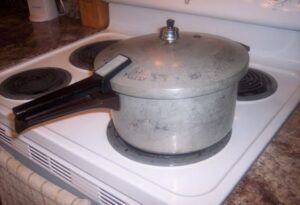
Okay, let’s break down the process of how to use a pressure cooker step-by-step. Don’t worry, I’ll share some personal tips and tricks along the way to make it super clear!
First things first: Read Your Manual! Seriously. Every pressure cooker is unique. Your manual has specifics like minimum liquid and proper lid alignment. I once nearly messed up dinner guessing with a new model’s unique lid!
Prepping for Pressure Cooking: The Essentials
- Check Your Gasket and Valves: Before each use, inspect the gasket (the lid’s rubber ring) for cleanliness and flexibility. Ensure steam release and safety valves are clear. A clean seal is vital for pressure!
- Add Liquid: This is essential! A pressure cooker needs liquid to create steam and build pressure. Most recipes require at least 1 cup (250ml). Water, broth, or thin sauces work. Too little liquid prevents pressure and can scorch food; I learned this making stew with insufficient broth!
- Don’t Overfill: Pressure cookers have a max fill line (usually 2/3, or 1/2 for expanding foods). Overfilling can block valves, a safety risk. Stick to these limits.
Loading, Sealing, and Heating: Getting to Pressure
- Add Your Food: Place ingredients in the inner pot. Arrange larger items evenly. Use a steamer basket for delicate foods.
- Close and Seal the Lid: Lock the lid according to your model. Ensure the steam release valve is set to “Sealing” (or “Closed”). This is crucial for pressure build-up!
- Apply Heat (Stovetop) or Select Setting (Electric): For stovetop models, use high heat. For electric, select your function (e.g., “Manual”). Steam escaping as it heats is normal before pressure builds.
- Wait for Pressure: A pin or float valve will rise, showing full pressure. Start your cooking timer then. My first time, I hovered, eager for that pin to pop up – it’s a neat moment!
Releasing Pressure: The Final, Crucial Step
Once your cooking time is up, you need to release the pressure safely. There are two main ways:
- Natural Release (NR): Turn off heat or cancel the program. Let pressure release naturally until the float valve drops. Best for foamy foods (beans, grains) or large meats, preventing splatter and finishing cooking gently. Takes 10-20+ minutes.
- Quick Release (QR): Carefully move the steam release valve to “Venting.” A strong steam jet will escape, so keep hands and face clear. My first QR made me jump! QR is great for delicate foods (vegetables, fish) to stop cooking fast. Avoid for foamy foods or large meats.
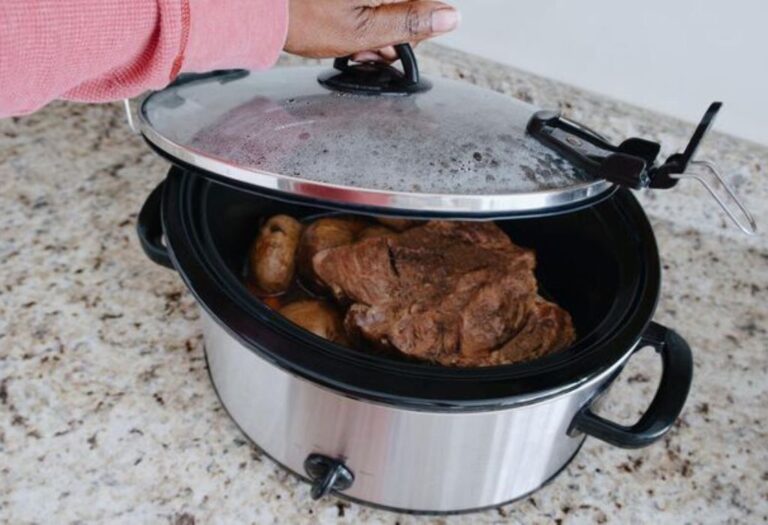
Opening Your Cooker: Only open the lid once the float valve drops and no steam escapes. Always open away from your face for any residual steam. Stir, and enjoy your perfectly cooked meal!
A Few More Pressure Cooking Tips from Experience:
- Don’t Peek! Pressure cooking thrives on a sealed environment. Opening the lid mid-cook loses pressure and cooking time.
- Clean Thoroughly: After use, wash the pot, lid, and gasket. Ensure the steam release valve and vent pipes are clear. A clean cooker is safe and efficient.
- Experiment! Start with simple recipes (eggs, rice), then move to soups, stews, roasts. My favorite is fall-off-the-bone ribs in under an hour!
Learning how to use a pressure cooker isn’t daunting once you understand these core principles. It truly transforms cooking, making weeknight meals a breeze and turning tough cuts of meat into tender masterpieces. You’ll save time, energy, and create amazing flavors you never thought possible.
So, go ahead, dust off that pressure cooker or treat yourself to a new one. I promise, you’re going to love the results and wonder why you waited so long to embrace this incredible kitchen tool. Happy pressure cooking!