Is your pressure cooker failing to build pressure? The most common culprit is a compromised lid seal, often due to a misplaced, worn, or dirty sealing ring. Always ensure the lid is correctly aligned and locked, the gasket is clean and properly seated, and that you’ve added sufficient liquid for steam generation. Also, check for any obstructions in the vent pipe or pressure regulator valve for quick resolution.
Why is my pressure cooker not building pressure quick fixes
Oh, the familiar frustration! You’re excited to whip up a quick meal, you’ve loaded your pressure cooker, turned on the heat, and… nothing. No hiss, no steam, just a sad little pot sitting there, refusing to build pressure. If your pressure cooker isn’t building pressure, you’re not alone! This is one of the most common issues home cooks face, and almost always, it boils down to a few simple, quick fixes. Don’t worry; usually, it’s not broken, just a bit out of sorts. Let’s figure out what’s going on so you can get back to stress-free cooking!
Before you toss your pot out the window, remember that pressure cookers rely on a perfectly sealed environment. Any tiny disruption can prevent that pressure from building up. Most times, the solutions are surprisingly easy, requiring just a quick check or adjustment. Think of it like a puzzle – once you find the missing piece, everything clicks into place.
Why is my pressure cooker not building pressure, and what are the quick fixes I can try right now?
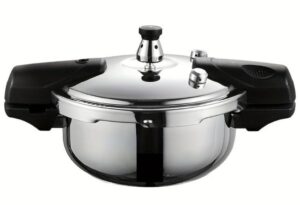
I totally get how annoying it is when your pressure cooker isn’t building pressure. It feels like it’s sabotaging your dinner plans! But take a deep breath. From my own kitchen mishaps and countless chats with other home cooks, I’ve learned that the fix is often simpler than you think. Here are the most common reasons and the quick fixes you can try:
1. The Gasket or Sealing Ring Isn’t Right
- What it is: This is the rubber or silicone ring that fits inside the lid. It’s the absolute star of the show when it comes to sealing your pot.
- My experience: Honestly, this is the culprit about 80% of the time for why my pressure cooker isn’t building pressure! I once spent 15 minutes staring at my pot, wondering what was wrong, only to find my gasket had a tiny food crumb stuck to it from the last meal. Another time, it was slightly stretched and didn’t sit quite right.
- Quick Fixes:
- Check its placement: Make sure it’s seated perfectly flat and snug in its groove. Sometimes it gets twisted or just isn’t pushed in all the way around.
- Clean it: Take it out, wash it thoroughly with soap and water, and dry it. Food debris or grease can break the seal.
- Inspect for damage: Look for any cracks, tears, or signs of wear. If it feels hard, brittle, or too stretchy, it’s time for a replacement. Gaskets don’t last forever!
- Ensure it’s the right one: If you’ve replaced it recently, double-check it’s the correct size and model for your pressure cooker.
2. The Lid Isn’t Sealed Properly
- What it is: Sounds obvious, right? But sometimes the lid isn’t aligned or locked into place.
- My experience: We’ve all done it – thought the lid was on, but it wasn’t quite clicked into place or the handles weren’t perfectly aligned. Rookie mistake, even for seasoned cooks like me! A slight tilt can prevent that crucial seal.
- Quick Fixes:
- Realign and reseal: Open the lid, realign it carefully, and make sure it’s firmly twisted or clicked into its locked position. Listen for the familiar click or feel it lock securely.
- Check the rim: Make sure the rim of the pot is clean and free of any debris that could interfere with the lid seating.
3. The Vent Pipe or Steam Release Valve is Blocked or Open
- What it is: These are the small components on your lid that control the release of steam.
- My experience: My mum always taught me to check the vent before starting. A little bit of rice starch or a rogue bean skin can completely block the vent, trapping the air and preventing true pressure from building, or worse, making it unsafe. Also, I’ve definitely forgotten to switch my steam release valve from “venting” to “sealing” more times than I care to admit!
- Quick Fixes:
- Clean the vent: Carefully check the small vent pipe on the underside of the lid for any food particles. Use a small brush or toothpick to clear it.
- Check the steam release valve position: Ensure it’s set to the “seal” position (or whatever your cooker’s equivalent is for sealing). Some models have a physical switch or a weight you need to place.
- Check the float valve: This tiny pin-like valve often needs to be free to move up and down. Make sure it’s clean and not sticky.
4. Not Enough Liquid Inside
- What it is: Pressure cookers need liquid (water, broth, etc.) to create the steam that builds pressure.
- My experience: Sometimes I get too eager with a new recipe and forget the minimum liquid requirement. It’s usually 1.5 to 2 cups for most stovetop and electric pressure cookers. Without enough liquid, you simply won’t get enough steam to reach pressure.
- Quick Fix: Add at least the minimum amount of liquid recommended by your pressure cooker’s manufacturer.
5. Overfilling the Pot
- What it is: Filling your pressure cooker too much can cause problems, especially with foamy foods.
- My experience: I learned this the hard way with a massive batch of beans. Expanding foods like beans, rice, or pasta can rise and block the vent, preventing pressure buildup.
- Quick Fix: Stick to the general rule of filling your pressure cooker no more than 2/3 full for most foods, and only 1/2 full for foods that expand (like grains, beans, or soup).
6. Damaged Pot Rim or Lid
- What it is: Physical damage to the pot or lid can prevent a tight seal.
- My experience: After a particularly clumsy moment in the kitchen, I noticed a slight ding on the rim of my pot. Pressure issues started right after! Even a tiny dent can be enough to break the airtight seal.
- Quick Fix: Inspect the rim of your pot and the edge of your lid for any visible dents, warping, or damage. Unfortunately, if there’s significant damage, replacing the affected part (or the whole cooker) might be necessary.
Most of the time, when your pressure cooker isn’t building pressure, it’s just a small, easily fixable oversight. By methodically checking each of these points, you’ll likely find the solution and get your trusty cooker back to making delicious, speedy meals in no time. Don’t get discouraged; even the pros encounter these little hiccups!