A rattling pressure cooker is generally a normal and safe indication that its pressure regulator is actively working. This sound occurs as steam intermittently escapes through the vent, a critical function for maintaining the correct internal pressure and preventing over-pressurization. Understanding this normal operational noise ensures peace of mind while cooking.
Why Pressure Cooker Rattles Is it Safe What to Do
That familiar clatter, the rhythmic hiss, and the steady jiggle from your kitchen – if you own a pressure cooker, you know exactly what I’m talking about! Many of us have wondered, “Why does my pressure cooker rattle like that? Is it okay?” Let me put your mind at ease right away: most of the time, that rattling is perfectly normal and a sign your pressure cooker is working exactly as it should! It’s actually a safety feature, letting off steam to keep everything under control.
Think of it like a happy little whistle telling you your dinner is cooking efficiently. I remember my first time using one, convinced it was about to explode! But over the years, I’ve learned to appreciate that sound. It means my food is getting deliciously tender, fast. So, let’s dive into what causes this sound, when you should pay closer attention, and what practical steps you can take.
Why Does My Pressure Cooker Rattle, Is It Safe, and What Should I Do?
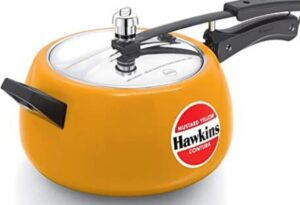
The sound of your pressure cooker rattling is primarily due to its clever design, specifically the pressure regulating valve or weight. Here’s the lowdown:
When you heat the liquid inside your pressure cooker, steam builds up, increasing the internal pressure. Once this pressure reaches a certain level, the regulating valve, which sits on the vent pipe, lifts slightly. This releases a tiny burst of steam to maintain the desired cooking pressure. The valve then settles back down, only to lift again when pressure builds up once more. This repetitive lifting and settling is what creates that characteristic pressure cooker rattles sound and releases excess steam safely.
So, is it safe? Absolutely, in most cases! That rhythmic rattling is your cooker’s way of saying, “I’m regulating pressure and keeping things stable!” It’s a built-in safety mechanism designed to prevent excessive pressure buildup. Modern pressure cookers also have multiple other safety features, like secondary overpressure release valves and interlocking lids, making them incredibly safe when used correctly.
However, there are times when your pressure cooker rattles might signal something isn’t quite right. Here’s when to pay closer attention:
- Excessive or Violent Rattling: If the rattling becomes extremely loud, continuous, and violent, it might mean the heat is too high. Your cooker is working overtime to release too much steam.
- No Rattling at All: If your cooker is heating up but there’s no steam release or rattling, the vent pipe might be blocked. This is a safety concern as pressure could build up without a release point.
- Steam Leaking from Other Places: If steam escapes from around the lid gasket, handles, or anywhere other than the pressure regulating valve, your seal might be faulty, or the lid isn’t closed properly.
- Difficulty Opening/Closing: A lid that’s hard to seal or open might indicate a problem with the gasket or locking mechanism.
So, what can you do if your pressure cooker rattles unusually or you want to ensure smooth operation? Here are my go-to tips, learned from plenty of kitchen adventures:
- Check Water Level: Always ensure you have enough liquid inside. Too little can cause the pot to dry out and potentially damage it. I always aim for at least 1 cup for proper steam generation.
- Clean the Vent Pipe and Regulator: After every use, I make sure to clean the vent pipe (where the weight sits) and the pressure regulating weight itself. Food particles can easily block them, leading to improper pressure release. A small brush or toothpick works wonders.
- Inspect the Gasket/Sealing Ring: This rubber or silicone ring around the lid is crucial. If it’s cracked, stiff, or ill-fitting, steam will leak. I usually replace mine every 1-2 years, or sooner if I notice leaks.
- Ensure Lid is Sealed Properly: Always double-check that the lid is securely locked and seated correctly before applying heat. A simple twist can make all the difference.
- Adjust Heat Correctly: Once your pressure cooker starts rattling steadily, reduce the heat to the lowest setting that maintains a consistent rattle (or gentle hiss, depending on your model). This prevents excessive steam release and saves energy. My grandmother always taught me to “listen to the pot.”
- If in Doubt, Turn Off Heat: If you suspect unusual rattling or a problem, immediately turn off the heat and let the cooker cool down naturally. Do not try to force open the lid until all pressure has been released.
In conclusion, that familiar sound of your pressure cooker rattling is typically a sign of a well-functioning appliance, diligently working to cook your food under pressure. It’s a testament to good engineering and a vital safety mechanism. By understanding why it happens and performing simple maintenance, you can enjoy delicious, fast meals with complete peace of mind. Happy cooking!