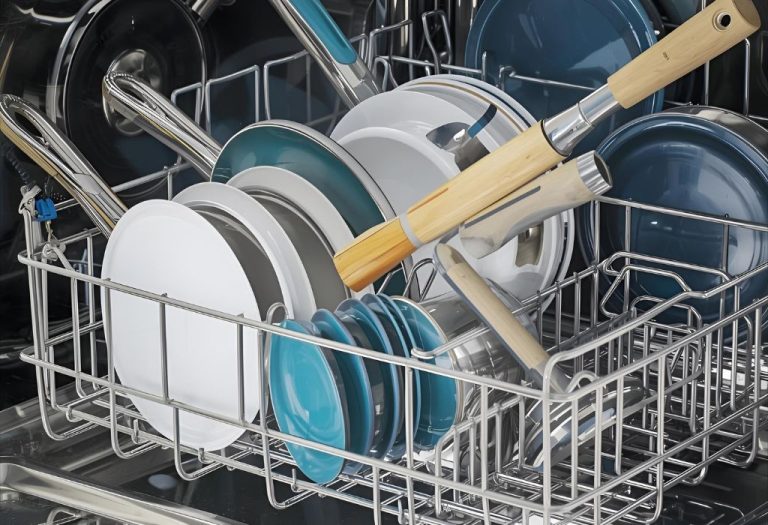
Whether your pressure cooker can safely go into the dishwasher largely depends on its material and specific components. Generally, stainless steel pots are safe, but sensitive parts like aluminum bases, gaskets, and delicate valves can be damaged by abrasive detergents and high temperatures, leading to potential leaks or malfunction. Always refer to your manufacturer’s instructions to ensure you protect your appliance and maintain its safe operation.
Can You Put Pressure Cooker in Dishwasher Safely?
Hey there, fellow home cook! Ever stood in front of your dishwasher, pressure cooker in hand, and wondered, “Can I just pop this in?” It’s a super common question, and honestly, it’s one I’ve asked myself many times. The good news is, sometimes yes, sometimes no, when it comes to putting a pressure cooker in the dishwasher. It really depends on your specific model. Let’s dive into how to safely clean your trusty kitchen helper without any mishaps!
So, can I really put my pressure cooker in the dishwasher without ruining it?

Well, my friend, this is where we need to be a little bit like kitchen detectives. The absolute first rule of thumb is to always, always check your pressure cooker’s manual. Seriously, it’s your best guide! I know, I know, who reads manuals? But for something that operates under high pressure, it’s crucial.
Generally speaking, you’ll find that certain parts of your pressure cooker are perfectly fine for the dishwasher, while others absolutely need the gentle touch of a hand wash.
What’s usually safe for the dishwasher?
- The main cooking pot: If you have a stainless steel pressure cooker, the main pot is often dishwasher-safe. For electric models, the removable inner pot is almost always safe to put in the dishwasher. This is fantastic news because it’s usually the dirtiest part!
- Accessories: Things like steamer baskets and trivets are typically made of stainless steel and can go right in.
What you should NEVER put in the dishwasher (and why!):
- The lid assembly: This is where things get tricky. The lid is the brain of your pressure cooker, housing all the important safety features. Components like the pressure valve, the float valve, and the vent pipe can easily get clogged with food particles or detergent residue in a dishwasher. I once had a friend who ran her lid through, and the pressure release valve got a tiny bit stuck – not good!
- The sealing ring (gasket): This rubber or silicone ring is vital for creating an airtight seal. High dishwasher temperatures and harsh detergents can cause it to dry out, crack, or even warp over time. A damaged gasket means your pressure cooker won’t seal properly, or worse, it could become unsafe. I personally hand wash mine with warm, soapy water and let it air dry.
- Handles and plastic parts: Some handles, especially on older models, might be made of plastic that isn’t designed for high heat and can become brittle or discolored.
- Aluminum pots: If your pressure cooker is made of aluminum, keep it out of the dishwasher! Dishwasher detergents are often abrasive and can cause aluminum to discolor, pit, and corrode. Trust me, I learned this the hard way with an old aluminum pot that came out looking dull and stained – quite a disappointment!
- The outer housing of electric pressure cookers: This might sound obvious, but you should never immerse the electronic base of an electric pressure cooker in water, let alone put it in a dishwasher. A damp cloth is all you need for the exterior.
My personal tips for cleaning your pressure cooker:
For the parts that need hand washing, especially the lid and gasket, use warm water and a mild dish soap. I often use a small brush or even a cotton swab to gently clean around the valves to make sure no tiny food bits are hiding. After washing the gasket, I usually store it loosely, not stretched or compressed, to help maintain its shape. Before every use, I give all the sealing parts a quick visual check to make sure they look healthy and ready for action. It’s a little extra effort, but knowing my pressure cooker is safe and functioning properly is totally worth it for peace of mind!
So, to wrap it up, putting your pressure cooker in the dishwasher isn’t a simple yes or no. It’s more of a selective approach. Stick to the manual, embrace hand-washing for the delicate, safety-critical parts, and let the dishwasher handle the sturdy pots and accessories. A little care goes a long way in keeping your pressure cooker safe, effective, and ready for countless delicious meals!