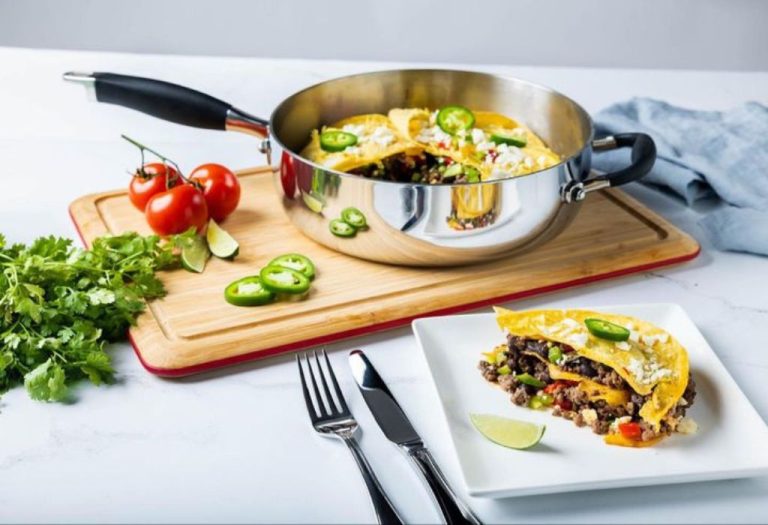
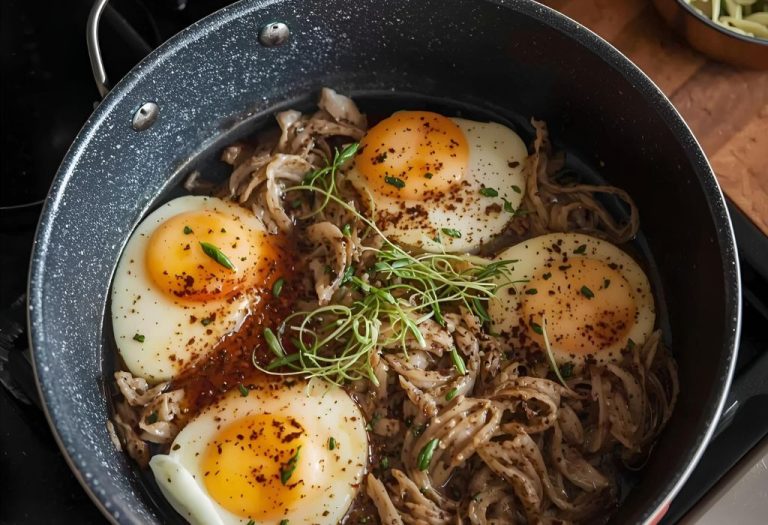
Farberware nonstick cookware is a popular choice in many kitchens due to its convenience and versatility. Home cooks often rely on these pans for easy food release and simple cleanup.
However, a common question arises: is Farberware nonstick cookware oven safe? Understanding the temperature limits and safe usage practices is essential to prevent damage to the pans and avoid potential health risks.
Many nonstick coatings contain PTFE or PFOA, chemicals that can degrade at high temperatures. According to a 2022 survey by Good Housekeeping, 68% of home cooks own nonstick cookware, yet only 42% know the oven-safe limits of their pans (Good Housekeeping).
Using Farberware cookware incorrectly can lead to coating damage, warping, or chemical release, which may affect both performance and safety. Knowing the correct practices ensures longer-lasting cookware and consistent cooking results.
Farberware offers a variety of nonstick lines, including hard-anodized and ceramic-coated pans. Each line has specific oven-safe ratings, making it important for consumers to follow manufacturer instructions and understand the features of their cookware.
What Is Farberware Nonstick Cookware?
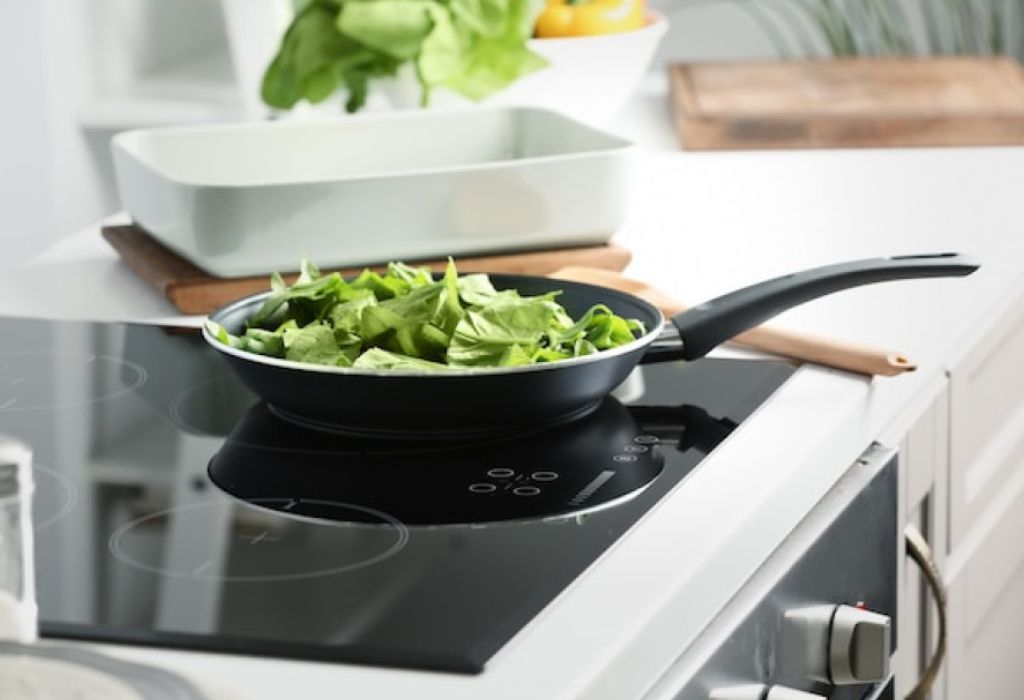
Farberware nonstick cookware is designed to provide convenience, durability, and consistent cooking performance. The brand offers a range of nonstick lines, including traditional aluminum-based pans, hard-anodized cookware, and ceramic-coated options, each engineered for specific cooking needs.
The core of most Farberware nonstick pans is made from aluminum, which ensures lightweight construction and excellent heat conduction. This allows for even cooking across the pan’s surface, reducing hot spots and enhancing overall cooking efficiency.
The nonstick coatings vary by line and are typically either PTFE-based or ceramic. PTFE coatings offer smooth food release but must be used within temperature limits to maintain safety. Ceramic coatings provide a chemical-free alternative, offering nonstick performance without PTFE or PFOA, and are often marketed as more environmentally friendly.
Handles and lids are generally made from stainless steel or heat-resistant materials, designed to withstand stovetop and moderate oven temperatures. Properly constructed handles enhance safety, ease of use, and heat resistance during cooking.
Farberware follows strict manufacturing standards to ensure product consistency, durability, and safety. Each cookware line is tested for even heat distribution, scratch resistance, and coating integrity, allowing consumers to cook with confidence.
Understanding the materials, coating types, and construction of Farberware nonstick cookware is essential for maximizing performance and ensuring safe use in both stovetop and oven applications. This knowledge helps consumers choose the right pans for their cooking style and maintain them effectively for long-term use.
Is Farberware Nonstick Cookware Oven Safe?
Farberware nonstick cookware is designed to handle a range of cooking environments, but oven safety depends on the specific line and construction.
Most traditional aluminum and hard-anodized nonstick pans are oven safe up to moderate temperatures, typically around 350°F to 450°F, depending on the manufacturer’s specifications.
Ceramic-coated Farberware pans often have slightly lower oven-safe limits, as excessive heat can degrade the coating over time.
Using the pans above recommended temperatures may cause warping, reduce nonstick performance, or, in rare cases, release harmful fumes.
Handles and lids play a key role in oven safety. Stainless steel handles can typically withstand higher temperatures, while silicone or plastic components may have lower heat tolerance and should not be exposed to extreme oven heat.
Consumer and expert reviews highlight that when used within the specified temperature range, Farberware nonstick cookware performs reliably in the oven.
Proper adherence to manufacturer guidelines ensures safety, preserves the coating, and maintains the pan’s lifespan.
Awareness of these limits allows home cooks to confidently use their Farberware pans for baking, roasting, or finishing dishes in the oven. Following recommended usage practices ensures that the cookware remains both functional and safe for long-term cooking applications.
Factors Affecting Oven Safety
Several factors determine whether Farberware nonstick cookware can be safely used in the oven. The first is the type of nonstick coating.
PTFE-based coatings can tolerate moderate oven temperatures, but overheating can degrade the surface, while ceramic coatings are generally safer but may have slightly lower heat limits.
The pan’s material and thickness also impact oven performance. Heavier, hard-anodized aluminum pans distribute heat more evenly and resist warping, whereas thinner pans may deform under high temperatures.
Handles and lids are another crucial consideration. Stainless steel handles can withstand higher heat, while silicone or plastic handles may have lower temperature tolerances, limiting oven use. Similarly, glass lids may only be safe up to certain temperatures specified by the manufacturer.
The condition of the cookware influences oven safety as well. Worn, scratched, or damaged coatings may reduce the pan’s ability to withstand heat safely and can compromise nonstick performance.
Finally, manufacturer instructions and labeling provide essential guidance. Each Farberware product comes with recommended oven temperatures and usage guidelines.
Following these recommendations ensures safe oven use, prevents damage, and maintains the durability and effectiveness of the cookware over time.
Benefits of Using Oven-Safe Farberware Nonstick Pans
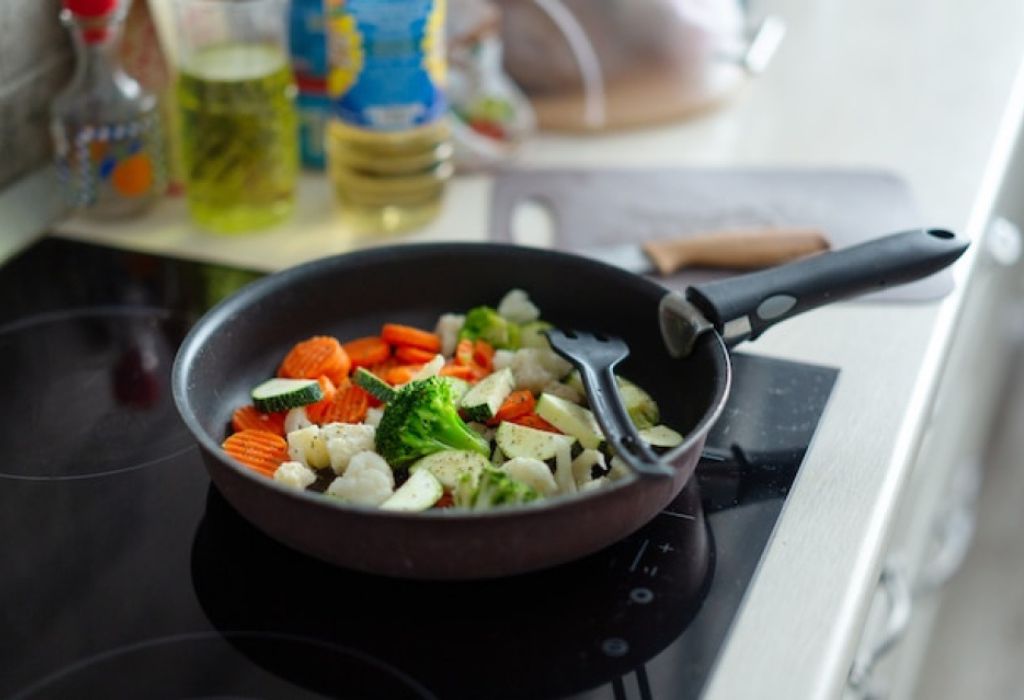
Oven-safe Farberware nonstick pans provide versatility in the kitchen, allowing dishes to be prepared entirely on the stovetop and finished in the oven. This feature is especially useful for recipes that require searing or browning before baking or roasting.
These pans help save time and reduce the need for multiple cookware pieces. Transitioning directly from stovetop to oven streamlines meal preparation and minimizes cleanup, making cooking more efficient and convenient.
The nonstick surface also promotes healthier cooking. Food releases easily, requiring less oil or fat, which supports low-calorie and heart-conscious meals without sacrificing flavor.
Even heat distribution is another advantage. Aluminum cores conduct heat quickly and consistently, ensuring that foods cook evenly and reducing the risk of burning or uneven textures.
Durability and longevity are enhanced when pans are used correctly. Oven-safe Farberware nonstick cookware maintains its performance over time, providing a reliable solution for both everyday cooking and more elaborate recipes.
By combining safety, convenience, and efficiency, oven-safe Farberware pans offer a practical, health-conscious, and versatile option for home cooks and professional kitchens alike.
Considerations Before Using Farberware Nonstick Cookware in the Oven
Before placing Farberware nonstick cookware in the oven, several factors should be evaluated to ensure safety and performance. The first is the manufacturer’s recommended maximum temperature, which varies depending on the pan’s coating and handle material.
Handle construction is another important consideration. Stainless steel handles typically tolerate higher oven temperatures, while silicone or plastic handles may limit oven use and require careful attention to prevent melting or damage.
The type of lid also matters. Glass lids often have temperature restrictions, and using them beyond these limits can lead to cracking or breakage. Metal lids are generally more heat-resistant but still require adherence to manufacturer guidelines.
The condition of the cookware affects oven safety as well. Pans with scratches, chips, or worn coatings may not perform safely under oven heat and could experience decreased nonstick effectiveness or structural issues.
Lastly, the cooking method and recipe should be considered. High-heat applications, such as broiling, may exceed the pan’s safe temperature limits, whereas moderate baking or roasting usually falls within safe ranges.
By understanding these considerations, home cooks can confidently use Farberware nonstick pans in the oven while minimizing risk, preserving the cookware’s integrity, and ensuring consistent, safe cooking results.
How to Maintain Oven-Safe Farberware Nonstick Cookware
Proper maintenance is essential to preserve the performance and safety of Farberware nonstick cookware. Hand washing with mild dish soap and a soft sponge is recommended, as abrasive materials can scratch the nonstick surface and reduce its lifespan.
Avoid exposing the pans to temperatures above the manufacturer’s specified oven-safe limit. Overheating can damage the coating, decrease nonstick effectiveness, and potentially release harmful fumes.
Using appropriate utensils is important for maintaining the ceramic or PTFE coating. Wooden, silicone, or plastic utensils prevent scratches, while metal utensils can compromise the surface and shorten the pan’s usable life.
Proper storage also prolongs durability. If stacking pans, consider protective liners to avoid scratches and damage from heavy objects or other cookware.
Regular inspection of the cookware ensures that any scratches, chips, or signs of wear are identified early. Replacing damaged pans preserves both performance and safety, allowing the cookware to remain reliable for stovetop and oven use.
By following these maintenance practices, users can extend the lifespan of their Farberware nonstick cookware while ensuring it remains safe, effective, and convenient for everyday cooking.
Common Mistakes to Avoid with Oven-Safe Farberware Nonstick Cookware
One common mistake is using metal utensils on nonstick surfaces. This can scratch or chip the coating, reducing its effectiveness and lifespan.
Overheating the pans is another frequent issue. Exceeding the manufacturer’s recommended oven temperature can degrade the coating and, in some cases, release fumes.
Improper cleaning can also shorten the life of the cookware. Abrasive scrubbers, harsh detergents, or putting the pans in the dishwasher when not recommended may damage the coating.
Incorrect storage is a further risk. Stacking pans without protective liners or placing heavy objects on top can create scratches and dents, affecting nonstick performance.
Ignoring manufacturer instructions is a widespread mistake. Each Farberware product comes with specific care, usage, and temperature guidelines, and neglecting these can lead to premature wear and decreased safety.
By avoiding these mistakes, consumers can maintain the performance, safety, and durability of their oven-safe Farberware nonstick cookware. Proper care ensures consistent cooking results and extends the life of the pans for daily use.
Alternatives to Farberware Nonstick Cookware
For consumers seeking alternatives to Farberware nonstick cookware, several options offer similar performance and safety. Cast iron is a durable choice that becomes naturally nonstick when properly seasoned, and it can safely withstand high oven temperatures.
Stainless steel cookware is another option, providing chemical-free durability and excellent heat retention. While food may stick without proper preheating or oil, these pans are highly reliable for both stovetop and oven use.
Hard-anodized aluminum cookware delivers even heat distribution and durability, though some products may still contain PTFE coatings. Selecting PTFE-free options ensures safer cooking without compromising performance.
Carbon steel combines the heat retention of cast iron with lighter weight, making it easier to handle. Like cast iron, it requires seasoning to develop a natural nonstick surface and performs well in high-heat applications.
Each alternative has unique benefits, including chemical-free cooking, durability, and oven safety. Understanding these options helps consumers select cookware that aligns with their cooking habits, health priorities, and long-term kitchen needs.
Conclusion
Farberware nonstick cookware offers convenience, versatility, and reliable performance for everyday cooking. Understanding oven-safe limits, proper usage, and maintenance practices ensures both safety and longevity of the pans.
Following manufacturer guidelines for temperature, utensil use, and cleaning helps preserve the nonstick coating and prevents potential chemical exposure. Regular inspection for scratches or damage ensures continued safe use.
For those seeking alternatives, options such as cast iron, stainless steel, hard-anodized aluminum, and carbon steel provide durable, oven-safe, and chemical-free cookware solutions.
Evaluating cooking style, maintenance preferences, and health considerations can guide the selection of the best cookware for individual needs.
By making informed choices and adhering to best practices, consumers can enjoy the convenience of Farberware nonstick cookware while maintaining safety, performance, and durability. Proper care and attention to oven limits ensure a reliable and healthy cooking experience for years to come.

I’m Emma J. Caldwell, the founder, lead writer, and home-cooking enthusiast behind KitchenGuideCo.com. With a background in culinary arts and over a decade of cooking experience in both professional and personal kitchens, I created this platform to demystify recipes, offer smart kitchen gadget reviews, and guide readers through meal prep with confidence and clarity.