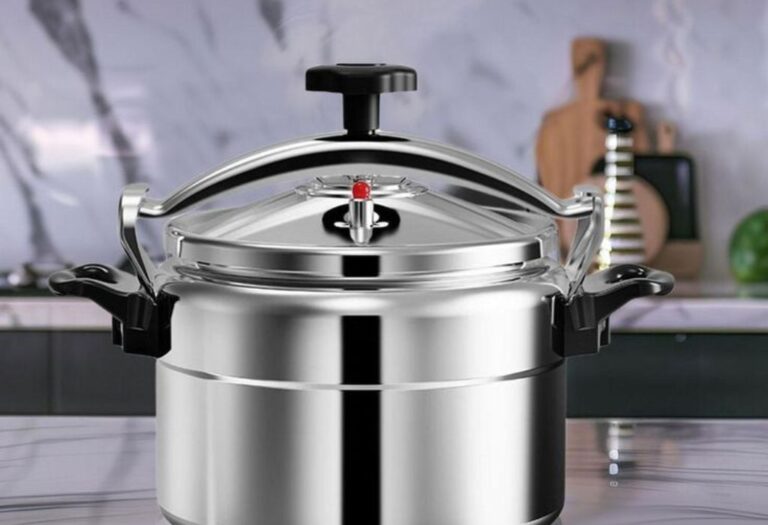
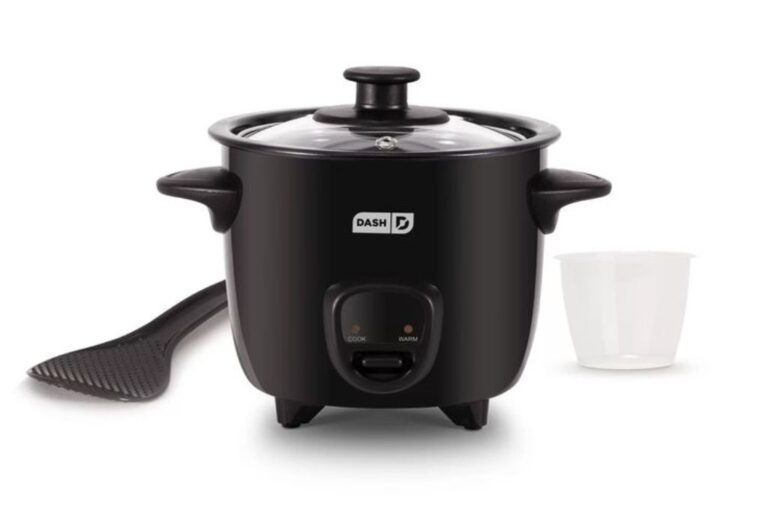
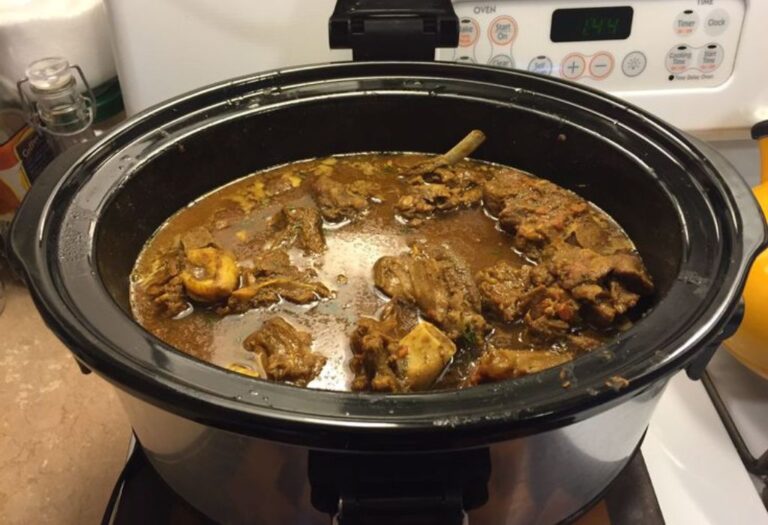
Yes, you absolutely can pressure cook without the traditional whistle! Modern pressure cookers often utilize alternative, more precise indicators such as pop-up valves, pressure gauges, or visual indicators to signal when optimal pressure has been reached and maintained. This means you can achieve perfectly cooked meals safely and effectively, often with quieter operation, making the whistle an outdated feature for many contemporary models.
Can You Pressure Cook Without Whistle The Surprising Answer
Have you ever wondered if you could really pressure cook without that familiar, sometimes startling, whistle? It’s a question many of us have pondered, especially when looking at newer appliances. For years, the whistle was our trusty signal that pressure had built and cooking was underway. But here’s the surprising truth: yes, you absolutely *can* pressure cook without a whistle! In fact, many modern pressure cooking methods don’t involve one at all.
It’s a game-changer once you understand how it works. Gone are the days when the sole indicator of pressure was a loud, intermittent hiss. Today’s kitchens offer quieter, often more precise ways to achieve the same fantastic results. Let’s dive into how you can safely and effectively pressure cook without a whistle, and why you might even prefer it!
So, Can You Really Pressure Cook Without The Whistle? Let’s Find Out!
The idea of cooking without the iconic whistle might seem strange if you grew up with traditional stovetop pressure cookers. My grandma’s cooker, for example, would loudly announce its status with a series of sharp whistles, letting us know dinner was almost ready. But the world of pressure cooking has evolved dramatically, and with it, the indicators of when your food is cooking under pressure.
To truly understand how to pressure cook without a whistle, it’s important to know what the whistle actually does. In older stovetop models, the whistle (or pressure regulator) is a weighted valve that lifts to release excess steam once a certain pressure level is reached. The sound is simply a byproduct of that steam escaping. It’s a safety mechanism and an audible cue.
However, modern pressure cookers, especially electric models like the popular Instant Pot, work differently. These appliances are designed to contain pressure more consistently and regulate it electronically, rather than through a series of loud steam releases. So, how do *they* pressure cook without a whistle?
Here’s how it typically works and what to look for when you pressure cook without whistle sounds:
- Electric Pressure Cookers: These are the champions of quiet pressure cooking. Instead of a whistle, they use internal sensors and a sealed lid to build and maintain pressure. You’ll often see a small *floating pin* on the lid that rises when pressure is fully achieved. This pin is your visual cue that the cooker is pressurized. Once it’s up, the cooking timer starts. My first time using one, I kept waiting for a sound, only to realize the silence was part of the magic!
- Modern Stovetop Pressure Cookers (Weighted Valve & Spring Valve): Some newer stovetop models also skip the traditional whistle.
- Some use a *weighted jiggler* that rocks or hisses continuously at a lower, more consistent level, rather than a loud whistle. This controlled steam release maintains the ideal pressure.
- Others feature a *spring-valve mechanism* with a visible indicator (often a rising stem or button) that pops up to show pressure has been reached. These are incredibly quiet and efficient.
The key to learning how to pressure cook without whistle cues is to always *read your specific appliance’s manual*. Each cooker is designed a little differently. For instance, my Instant Pot recipes never mention “whistles”; instead, they’ll say “cook for 10 minutes at high pressure,” and I know to trust the floating pin and the timer.
When you’re trying to pressure cook without whistle, the primary safety and indication methods are visual and electronic:
- Visual Indicators: Look for the floating pin, pressure indicator stem, or a rocking jiggler. These are designed to tell you pressure is building or has been achieved.
- Timers and Displays: Electric pressure cookers have digital displays that show when they are pressurizing, cooking, and depressurizing. They handle the timing for you.
- Gentle Hiss: Sometimes, you might hear a very gentle, continuous hiss from a weighted valve as it subtly releases excess pressure, but it’s nothing like the sharp blast of a traditional whistle.
I remember a recipe that called for “3 whistles” for lentils. With my modern stovetop cooker that had a rising indicator, I had to translate that. I found that generally, for those recipes, it meant cooking for about 8-10 minutes once full pressure was reached (indicated by the pin rising). It took a bit of trial and error, but the results were just as good, if not better, because the pressure was more consistently maintained.
So, next time you’re wondering if you can pressure cook without whistle, rest assured that not only is it possible, but it’s often the intended method for many excellent, quiet, and efficient modern pressure cookers. Just trust your appliance’s design and enjoy the silence!