Rachael Ray nonstick cookware has become a popular choice for home cooks seeking convenience, durability, and easy food release. Its smooth surface simplifies cooking and cleanup, making it a staple in many modern kitchens.
However, a common question arises: is Rachael Ray nonstick cookware safe? Understanding the materials, coatings, and proper usage is essential for maintaining both health and long-term performance.
Many consumers assume that nonstick coatings are entirely safe, but damage such as scratches or overheating can compromise the surface.
Studies suggest that exposure to worn or overheated nonstick coatings may pose health concerns, highlighting the need for informed usage (Consumer Reports).
Using Rachael Ray nonstick cookware incorrectly can reduce its lifespan, affect food safety, and diminish nonstick performance. Awareness of manufacturer guidelines, proper cleaning, and storage practices helps protect both the cookware and those using it.
What Is Rachael Ray Nonstick Cookware?

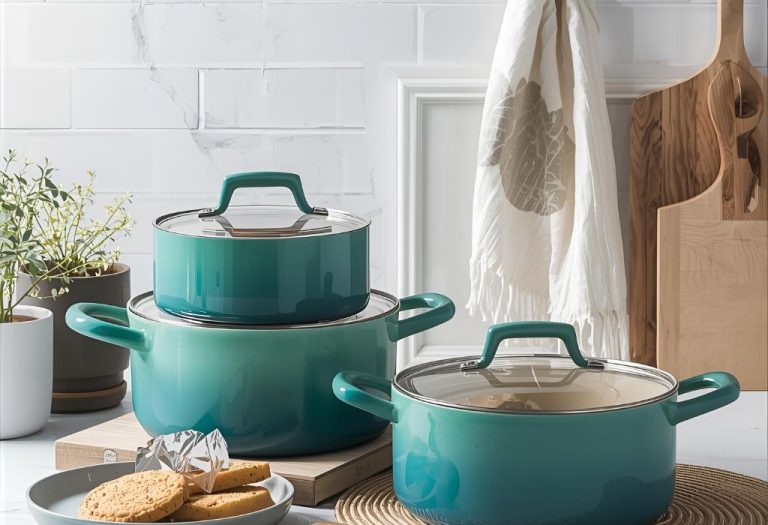
Rachael Ray nonstick cookware is designed to offer convenience, durability, and reliable cooking performance for everyday use.
These pans feature a smooth, nonstick surface that allows food to release easily, reducing the need for excess oil and simplifying cleanup.
The core of most Rachael Ray nonstick pans is made from aluminum, providing lightweight construction and excellent heat conduction. Some lines also use hard-anodized aluminum for added durability and even heat distribution.
Nonstick coatings vary depending on the product line. PTFE and PFOA-free coatings are commonly used to ensure chemical safety while maintaining nonstick performance. Some models feature ceramic-based coatings, offering a chemical-free alternative for health-conscious consumers.
Handles and lids are typically constructed from stainless steel or heat-resistant materials, allowing safe stovetop and moderate oven use. Properly designed handles and lids enhance usability, safety, and overall performance in the kitchen.
Understanding the materials, coating types, and construction of Rachael Ray nonstick cookware is crucial for safe and effective use. Proper handling, cleaning, and storage preserve the nonstick surface, ensure food safety, and extend the lifespan of the cookware.
Is Rachael Ray Nonstick Cookware Safe?
Rachael Ray nonstick cookware is generally considered safe when used according to manufacturer guidelines. Its coatings are designed to be PFOA-free and, in most cases, PTFE-based, reducing the risk of chemical exposure during normal cooking.
Safety depends on proper use and maintenance. Overheating, using metal utensils, or cooking with damaged pans can compromise the coating, affecting both nonstick performance and food safety.
Consumer reports and expert reviews indicate that intact Rachael Ray nonstick surfaces maintain their safety and performance under typical stovetop and moderate oven use (Consumer Reports). Following heat limits and cleaning instructions preserves both safety and durability.
Regular inspection is essential. Monitoring the pan for scratches, chips, or wear ensures that potential risks are minimized, and the cookware continues to perform safely and effectively.
By understanding proper usage, handling, and maintenance, consumers can confidently use Rachael Ray nonstick cookware for everyday cooking. This knowledge helps preserve the nonstick surface, ensure safe food preparation, and extend the lifespan of the cookware.
Factors Affecting the Safety of Rachael Ray Nonstick Cookware
Several factors influence the safety and longevity of Rachael Ray nonstick cookware. The first factor is the condition of the nonstick coating. Chips, scratches, or worn areas can expose the underlying metal, potentially affecting both food safety and cookware performance.
Cooking methods also impact safety. Using excessively high heat, heating empty pans, or abrupt temperature changes can degrade the nonstick coating and reduce its effectiveness.
Handles and lids play a role in overall safety. Stainless steel handles generally withstand higher heat, while silicone or plastic handles may have temperature limitations.
Glass lids also require adherence to manufacturer-recommended heat limits to prevent cracking.
The type and quality of the core material, such as aluminum or hard-anodized aluminum, affect heat distribution and stability. Proper construction ensures consistent cooking and reduces the risk of coating damage.
Following manufacturer instructions is crucial for maintaining safety. Adhering to recommended cleaning methods, storage practices, and heat limits preserves the coating, ensuring the cookware remains safe and durable over time.
Benefits of Rachael Ray Nonstick Cookware
Rachael Ray nonstick cookware offers a combination of convenience, durability, and performance for everyday cooking. The smooth nonstick surface allows food to release easily, minimizing the need for excessive oils or fats and supporting healthier cooking practices.
The aluminum or hard-anodized core ensures even heat distribution, reducing hot spots and promoting consistent cooking results. This makes the cookware suitable for a wide range of recipes, from delicate eggs to sautéed vegetables.
Ease of cleaning is another significant benefit. The nonstick surface simplifies both handwashing and occasional dishwasher use when manufacturer guidelines are followed, saving time in busy kitchens.
Durability and long-term performance are enhanced with proper use and maintenance. When handled correctly, Rachael Ray nonstick pans retain their coating, ensuring reliable performance and extended lifespan.
Versatility is also a key advantage. Many pans can safely transition from stovetop to oven within recommended temperature ranges, enabling one-pan cooking and streamlining meal preparation.
By combining safety, convenience, and reliable performance, Rachael Ray nonstick cookware provides home cooks with an efficient and practical solution for everyday kitchen use.
Considerations Before Purchasing Rachael Ray Nonstick Cookware
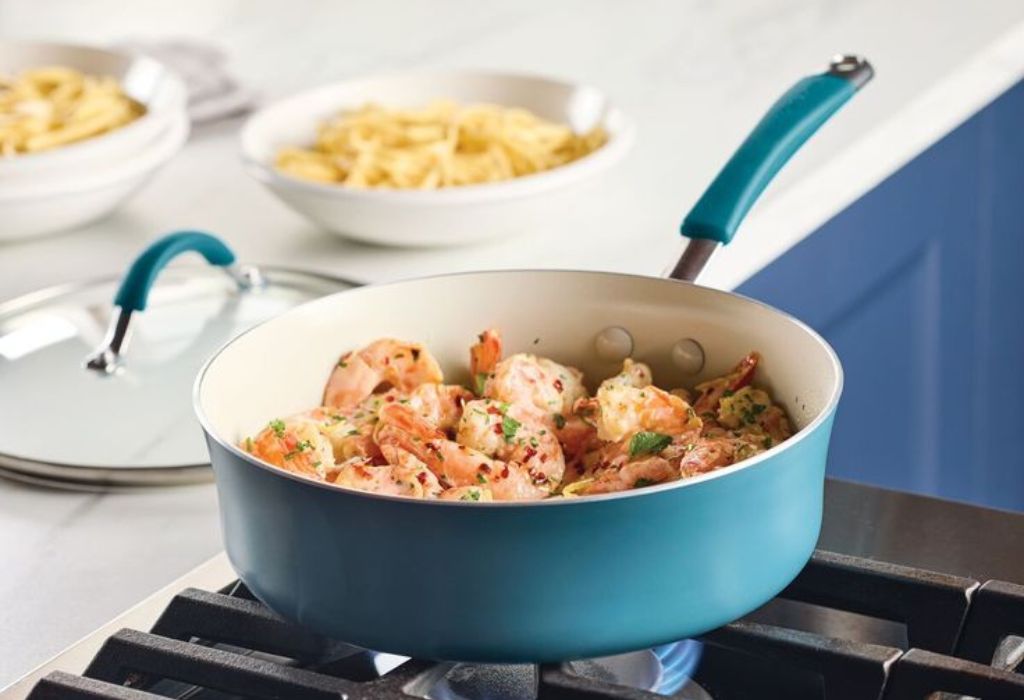
Before buying Rachael Ray nonstick cookware, several factors should be evaluated to ensure safety, performance, and longevity. The first consideration is the type of nonstick coating, as PTFE and PFOA-free surfaces offer different heat tolerances and maintenance requirements.
The core material also impacts cooking performance. Aluminum cores provide lightweight handling and even heat distribution, while hard-anodized aluminum offers increased durability and resistance to warping.
Handles and lids affect usability and oven safety. Stainless steel handles tolerate higher temperatures, whereas silicone or plastic handles may limit oven use. Glass lids are convenient but must be used within recommended heat ranges.
Brand reputation, warranty, and price are additional considerations. Investing in a reputable brand ensures that the cookware meets safety standards and maintains nonstick performance over time.
Cooking style and frequency should guide the final choice. Pans designed for high-heat searing or frequent oven use may offer additional durability, while standard sets are ideal for everyday low-to-moderate heat cooking.
How to Maintain Rachael Ray Nonstick Cookware
Proper maintenance is essential to preserve the performance and safety of Rachael Ray nonstick cookware.
Handwashing with mild dish soap and a soft sponge is recommended, as abrasive tools can scratch or damage the nonstick coating.
Avoid exposing the pans to extreme heat or thermal shock. Preheating gradually and allowing the cookware to cool before washing helps maintain the coating’s integrity.
Using appropriate utensils is crucial for protecting the nonstick surface. Wooden, silicone, or plastic utensils prevent scratches, while metal utensils can compromise the coating and reduce its effectiveness.
Correct storage also protects the cookware. Stacking pans with protective liners or using hanging racks reduces the risk of chipping and scratching.
Regular inspection helps identify any signs of wear, such as scratches or coating deterioration. Replacing damaged pans ensures continued safety and optimal performance in daily cooking.
By following these maintenance practices, consumers can enjoy the convenience and durability of Rachael Ray nonstick cookware while extending its lifespan and preserving safe cooking performance.
Common Mistakes to Avoid with Rachael Ray Nonstick Cookware
One common mistake is using metal utensils on nonstick surfaces. Metal can scratch or chip the coating, reducing performance and potentially exposing the underlying metal.
Overheating the pans is another frequent error. Cooking at temperatures above manufacturer recommendations can degrade the nonstick surface, cause discoloration, and shorten the pan’s lifespan.
Improper cleaning can compromise the cookware. Abrasive sponges, harsh detergents, or dishwasher cycles not recommended by the manufacturer can damage the coating and reduce nonstick effectiveness.
Incorrect storage may cause scratches or dents. Stacking pans without protective liners or placing heavy objects on top can damage the coating and affect cooking performance.
Neglecting manufacturer guidelines is a widespread mistake. Following instructions for heating, cleaning, and storage ensures the cookware remains safe, effective, and durable.
By avoiding these mistakes, users can maintain the safety, nonstick performance, and longevity of Rachael Ray cookware, ensuring a reliable and efficient kitchen experience.
Alternatives to Rachael Ray Nonstick Cookware
For those seeking alternatives to Rachael Ray nonstick cookware, several options offer durability, performance, and safety.
Cast iron is a versatile choice that becomes naturally nonstick when seasoned properly and can withstand high heat on both stovetop and oven.
Stainless steel cookware provides a chemical-free, long-lasting option with excellent heat retention. While food may stick without proper preheating or oil, these pans are highly durable and resistant to scratches.
Hard-anodized aluminum delivers even heat distribution and durability. Selecting PTFE-free or PFOA-free coatings ensures safer cooking without compromising performance.
Carbon steel combines the heat retention of cast iron with lighter weight, making it easier to handle. Like cast iron, it requires seasoning to develop a natural nonstick surface and performs well under high-heat cooking.
Understanding the benefits and limitations of these alternatives helps consumers choose cookware that aligns with their cooking style, maintenance preferences, and long-term kitchen needs. Each option offers unique advantages in terms of safety, durability, and versatility.
Choosing the Right Cookware for Your Needs
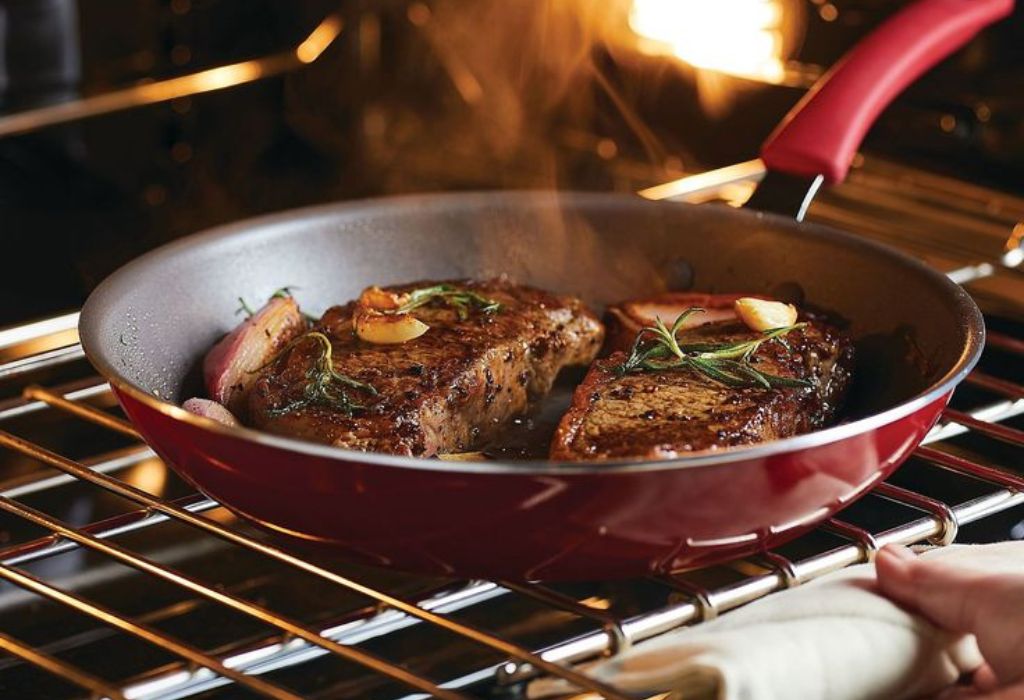
Selecting the right cookware depends on cooking style, frequency, and personal preferences. Rachael Ray nonstick pans are ideal for low-fat cooking and easy cleanup, but other materials may be better suited for high-heat or heavy-duty applications.
Maintenance requirements influence the decision. Cast iron and carbon steel need regular seasoning, while nonstick pans require careful handling to prevent scratches and preserve the coating.
Budget is another consideration, as prices vary across cookware types and brands. Premium nonstick sets often offer thicker coatings and enhanced durability, while more affordable options may require extra care to maintain performance.
Health and safety priorities should guide the final choice. Choosing PFOA-free, PTFE-free, or ceramic-coated cookware reduces exposure to potentially harmful substances while ensuring safe and effective cooking.
By evaluating these factors, consumers can select cookware that balances safety, convenience, durability, and performance, ensuring a reliable and enjoyable cooking experience for years to come.
Conclusion
Rachael Ray nonstick cookware offers convenience, durability, and easy food release, making it a popular choice for everyday cooking. Understanding proper use, heat limits, and maintenance practices is essential to preserve the coating and ensure long-term safety.
Handwashing with mild detergents, using appropriate utensils, and storing pans carefully significantly extend their lifespan.
Avoiding overheating, abrasive cleaning, and improper stacking helps maintain nonstick performance and prevents damage.
Following manufacturer guidelines ensures both safety and durability. Awareness of material limitations, coating type, and cleaning practices enables consumers to maximize cookware performance and health safety.
By making informed choices and practicing proper care, home cooks can enjoy the benefits of Rachael Ray nonstick cookware while maintaining reliability, efficiency, and safe cooking. Proper handling ensures these pans remain a trusted part of the kitchen for years of consistent use.

I’m Emma J. Caldwell, the founder, lead writer, and home-cooking enthusiast behind KitchenGuideCo.com. With a background in culinary arts and over a decade of cooking experience in both professional and personal kitchens, I created this platform to demystify recipes, offer smart kitchen gadget reviews, and guide readers through meal prep with confidence and clarity.