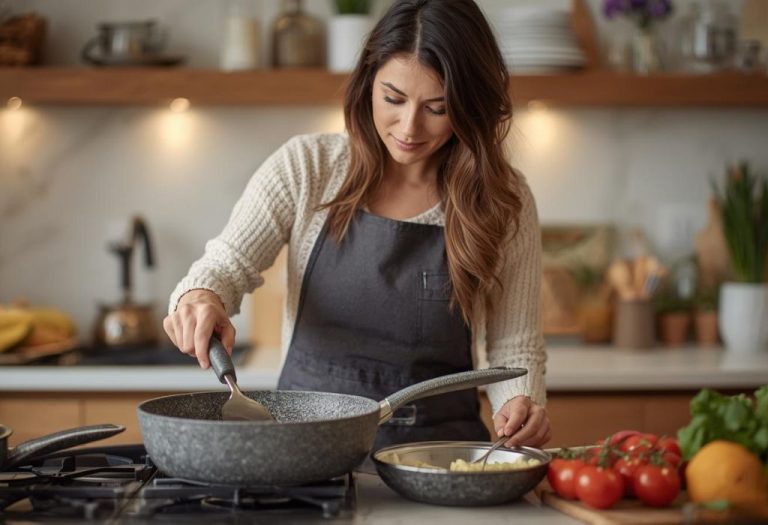
Marian loved cooking her famous chicken soup every Sunday. But one rainy afternoon, she slipped on a small puddle near the sink, sending the pot tumbling and leaving her with a painful burn.
She’s not alone. According to the CDC, adults aged 65 and older suffer 36 million falls each year, and kitchens are among the most common locations. Burns, cuts, and fire hazards also pose serious threats.
Kitchen safety for older adults isn’t just about avoiding accidents — it’s about maintaining independence, confidence, and the joy of cooking. This guide will walk you through the most common hazards and simple changes to make the kitchen a safer, happier place.
Why Kitchen Safety Is Especially Important for Older Adults

Older adults face unique challenges in the kitchen. Reduced vision, slower reflexes, balance issues, and chronic conditions can make everyday cooking tasks risky.
According to the National Safety Council, nearly half of all home injuries among seniors happen in the kitchen. Slippery floors, hot cookware, and heavy lifting combine to create a perfect storm for accidents.
Safety adaptations not only prevent injuries but also help older adults cook independently for longer, which supports emotional well-being and quality of life.
Common Kitchen Hazards for Seniors
Slips and Falls
A small spill can turn into a dangerous fall in seconds. Wet floors, loose rugs, and cluttered pathways are common culprits.
The simplest fixes — non-slip mats, promptly wiping spills, and keeping the floor clear — can prevent many accidents.
Burn Risks
Hot pans, boiling water, and steam are a constant threat. In fact, the American Burn Association reports that over 100,000 burn injuries occur in home kitchens annually.
Using lightweight cookware, turning pot handles inward, and wearing heat-resistant gloves can drastically reduce risks.
Cuts and Injuries
Dull knives require more force and can slip easily. An unstable cutting board can send vegetables — and fingers — flying.
Ergonomic knives, proper grips, and non-slip boards are essential safety tools.
Reaching and Lifting Hazards
Reaching for a heavy pot on a high shelf can cause both strains and falls.
Storing frequently used items between waist and shoulder height makes the kitchen safer and more comfortable.
Practical Kitchen Safety Tips for Older Adults
Organizing the Kitchen for Safety
Store essentials where they can be reached without bending or stretching. Pull-out shelves, lazy Susans, and drawer organizers make access easy and safe.
Avoid overcrowding counters, which can lead to spills and accidents.
Improving Lighting
Good lighting can prevent both trips and cutting mishaps. Install bright, shadow-free lights overhead and under cabinets.
Motion-sensor lights near counters and the stove are especially helpful for evening cooking.
Choosing Safe Cookware and Appliances
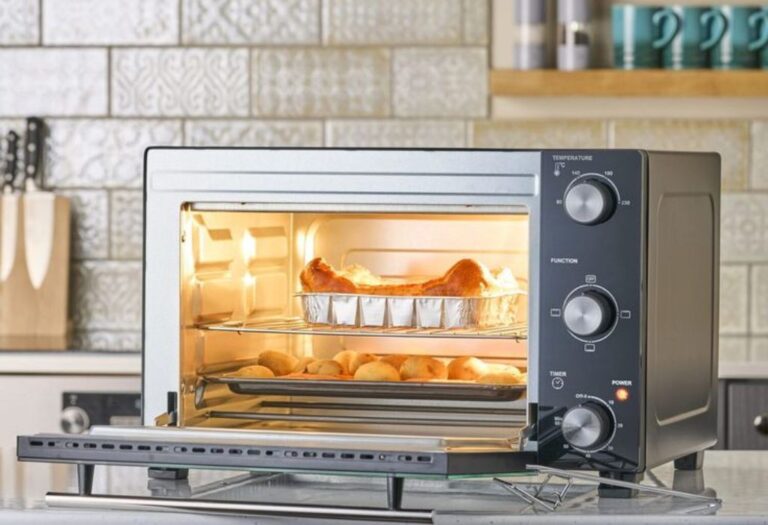
Opt for lightweight pans with heat-resistant handles. Consider induction cooktops, which heat only the pan and not the surface, reducing burn risk.
Appliances with automatic shut-off features add another layer of safety.
Floor and Surface Safety
Non-slip mats near sinks and stoves are a must. Avoid small rugs unless they have a strong non-slip backing.
Clean spills immediately to prevent accidents.
Adaptive Tools and Equipment for Senior Safety
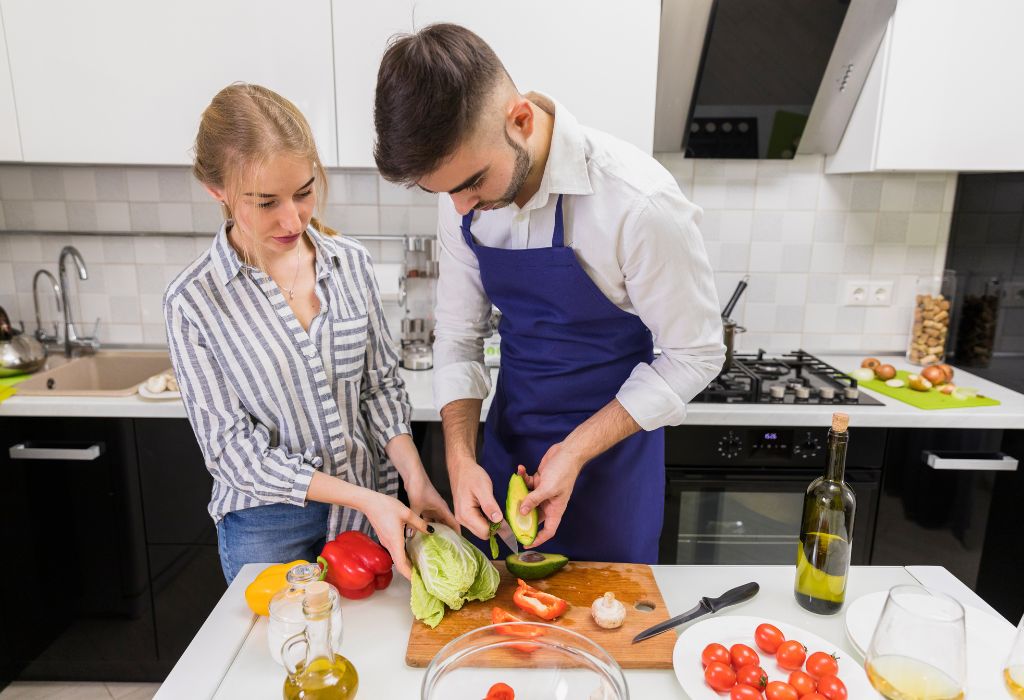
Simple tools can make a big difference. Jar openers reduce strain on arthritic hands. Ergonomic knives require less grip strength.
Heat-resistant gloves and long-handled utensils help keep hands away from hot surfaces.
Step stools with handles are safer than chairs for reaching high shelves.
Fire Safety Precautions
Cooking fires are a leading cause of home fires for seniors. The NFPA reports that older adults are at twice the risk of fire-related deaths compared to the general population.
Keep a small, easy-to-use fire extinguisher in the kitchen — but store it away from the stove.
Use timers to prevent forgetting food on the burner. Wear fitted sleeves and avoid dangling fabrics while cooking.
External reference: NFPA Cooking Safety Tips
Health Considerations in Kitchen Safety
For reduced vision, use magnifying tools, large-print labels, and high-contrast cutting boards.
Those with hearing loss may benefit from appliances with flashing alerts or vibration features.
Ensure good ventilation to avoid breathing issues, especially when frying or using gas stoves.
When to Get Professional Help
Sometimes, a professional assessment can reveal hazards you might miss. Occupational therapists can suggest personalized modifications.
Local community programs often offer grants or low-cost upgrades for senior safety.
FAQs
What is the safest stove type for older adults?
Induction cooktops are safer because they reduce burn risks and have automatic shut-off features.
How can seniors prevent burns while cooking?
Use heat-resistant gloves, turn pot handles inward, and cook on back burners when possible.
Are there kitchen tools designed for arthritis?
Yes. Ergonomic knives, jar openers, and utensils with padded grips are designed for easier use.
What’s the safest flooring for a senior kitchen?
Non-slip vinyl or cork flooring provides grip and cushioning to reduce fall risk.
When should an older adult stop cooking alone?
If memory issues cause frequent forgetfulness, or if balance problems increase, it’s time to consider assistance.
Conclusion
The kitchen should be a place of creativity and joy, not danger. With a few adjustments — from better lighting to ergonomic tools — older adults can continue cooking safely and independently.
Safety isn’t about limiting freedom. It’s about protecting health so the simple pleasure of a home-cooked meal can be enjoyed for years to come.

I’m Emma J. Caldwell, the founder, lead writer, and home-cooking enthusiast behind KitchenGuideCo.com. With a background in culinary arts and over a decade of cooking experience in both professional and personal kitchens, I created this platform to demystify recipes, offer smart kitchen gadget reviews, and guide readers through meal prep with confidence and clarity.